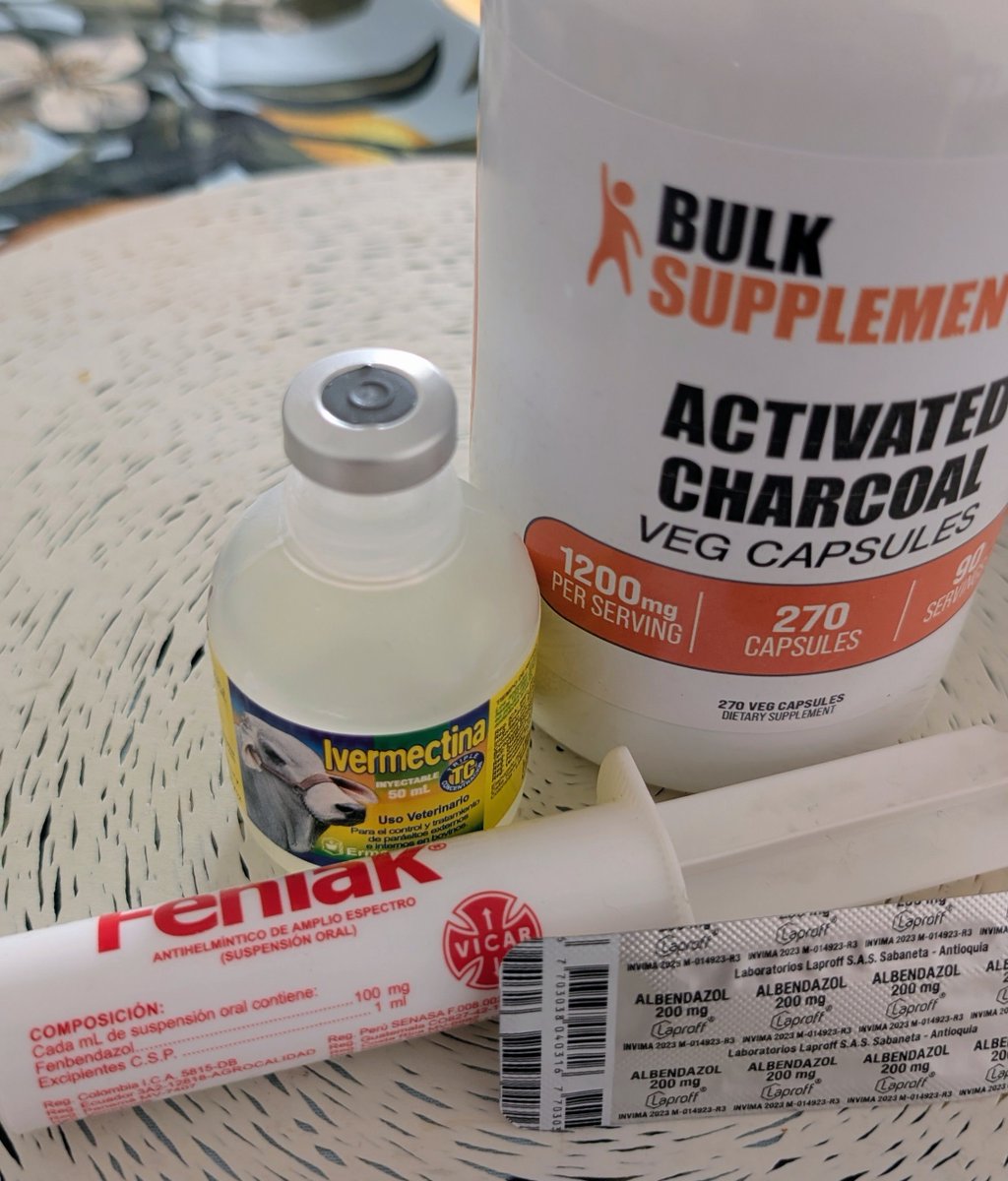
Time for the quarterly worm detox.
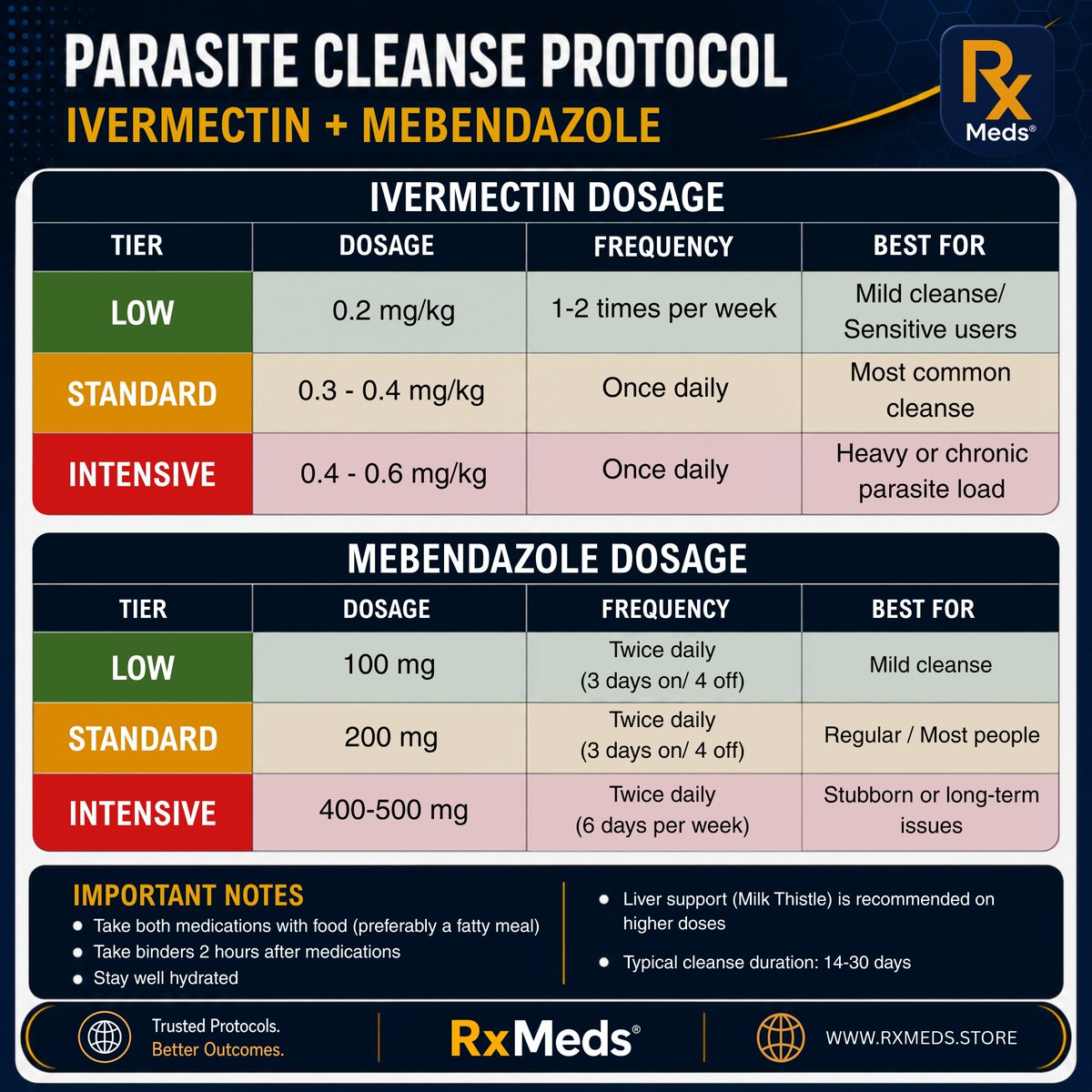
Ivermectin 40mg x 14 days
Fenbendazol 200mg - 4on 3off x 14 days
Albendazol 400mg - same as Fenben
Charcoal as a dead critter binder
I live in the dirty south
and eat dirty pigs.
Holler!
Daily supplementation with 1000 mg of S. boulardii for three months significantly reduces uric acid, high-sensitivity C-reactive protein (hs-CRP), and creatinine levels in patients with chronic heart failure compared to a placebo.
Also remember that unless you have an ApoB of like 100, hs-CRP is still an independent predictor of 3-point MACE (CV death, non-fatal MI, non-fatal stroke) even after adjustment for LDL-C or non-HDL-C.
*In case it's unclear high apoB drove risk regardless of hs-CRP level.
https://t.co/Cd7gD7jJIz
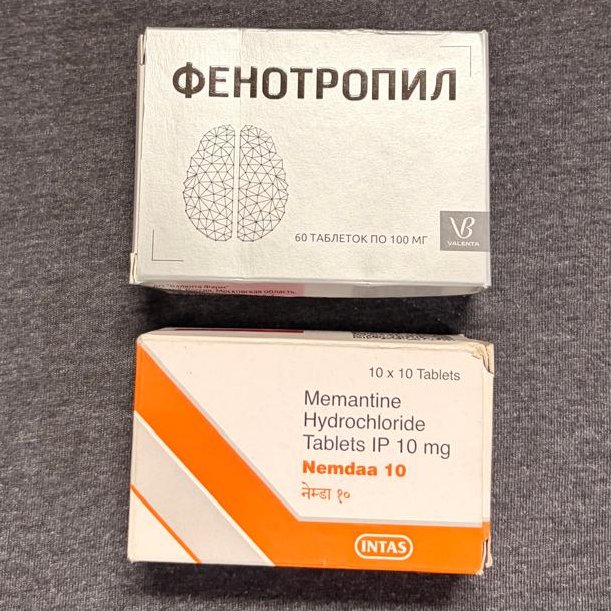
Phenylpiracetam + Memantine is the goated duo and can replace 10+ junk meds and supplements you are currently taking for productivity, focus, ADHD and anxiety.
Here is the science👇
1. Phenylpiracetam, or fonturacetam, is piracetam with a phenyl ring. That ring is why it is a drug. Absorption is near complete, onset is under an hour, it leaves mostly unchanged, and the half-life is about 5 hours. The effect often outlasts the blood level and runs 10–12 hours.
The R-enantiomer blocks dopamine reuptake and also blocks norepinephrine reuptake, with about 11-fold lower affinity at NET than at DAT. The S-enantiomer is more DAT-selective. A pharmaceutical racemate therefore raises dopamine, and through the R-half raises noradrenaline. That is the start-and-hold effect. It also binds nicotinic receptors, including α4β2 in the low-micromolar range, so attention has a cholinergic layer on top of the catecholamine layer.
It potentiates AMPA. Chronic use has been reported to increase NMDA receptor density. That is the nerf. A few good days, then more glutamate receptors, more spillover, anxiety, lighter sleep, and a faded response. Daily tolerance is the expected result.
It also raises high-affinity choline uptake, the step that pulls choline in for acetylcholine. The nicotinic receptors it binds then have more acetylcholine to use.
Repeated dosing has been reported to increase dopamine receptor density, so the DAT block is not only a same-day spike. The receiving side is being built while the transporter is held.
2. Memantine blocks the NMDA channel only after glutamate has opened it. At human GluN1/GluN2A receptors the IC50 is about 0.8 μM at −70 mV. Block is voltage-dependent and fast. About 20 percent stays trapped after the agonist leaves.
Magnesium already blocks the resting channel. Memantine adds a filter on channels that stay open too long. Brief, normal transmission is mostly spared. Sustained glutamate is what it cuts.
It is also a 5-HT3 antagonist and a nicotinic antagonist, including at α7. Half-life is 60–80 hours, mostly unchanged in urine. A dinner dose is still there the next afternoon. Steady state takes days.
5-HT3 receptors sit on cholinergic, GABA, and dopamine terminals. Serotonin at 5-HT3 suppresses cortical and hippocampal acetylcholine and pushes gut and mesolimbic signaling. Blocking it takes that brake off acetylcholine, which is why 5-HT3 antagonists were studied for cognition, and it cuts the nausea and visceral anxiety from the same receptor.
3. Alone, each one fails.
Phenylpiracetam alone pushes dopamine and noradrenaline into a cortex whose AMPA and NMDA tone is also rising. Focus comes with anxiety, then insomnia, then a flat day three. The rise in NMDA density is the adaptation. You are training the noise channel while you chase the drive. Caffeine or another racetam does not close it.
Memantine alone closes the noise and leaves dopamine where it was. If the problem is "cannot start", a quieter cortex still cannot start tasks. Word-finding dulls. Motivation does not appear. That is the blunting people quit over.
4. The pair splits the jobs.
Phenylpiracetam holds DAT and, through the R-enantiomer, NET for the work window. Memantine is already filtering NMDA from the night before. Dopamine lands on a glutamate system that can still fire normally and is less able to run away. Anxiety drops because the runaway was NMDA. Sleep holds because memantine is a cap on overnight glutamate, not a sedative.
Tolerance slows for the same reason. Stimulant fade is largely glutamate adaptation and sleep debt. Keeping NMDA overactivity down while the DAT block is intermittent removes the pressure that grows the noise channel.
5. What this duo achieves:
Phenylpiracetam raises dopamine, noradrenaline, choline uptake, increase dopamine receptor density, so initiation, motivation, and the acetylcholine needed to encode the task all go up. Memantine keeps NMDA from running past the signal, which is the substrate of OCD looping and the mental replay that burns a work block on the same thought. With that loop cut, working memory holds one item instead of every item, anxiety does not steal the block, and the next day is not a flat rebound. The result is faster task start, fewer returns to the same worry, longer hold on one problem, cleaner recall of what you just did, and less of the scattered speed that feels like focus and produces nothing.
Pair this stack with 1 g NALT (N-acetyl L-tyrosine), 500 mg CDP-choline, a good B-complex(with high p5p), a trace mineral complex, and an ADEK complex (IdeaLabsDC EstroBan) to get the best effects.
This stack does not replace a solid baseline: adequate sleep, foundational cofactors, nutrients, etc.
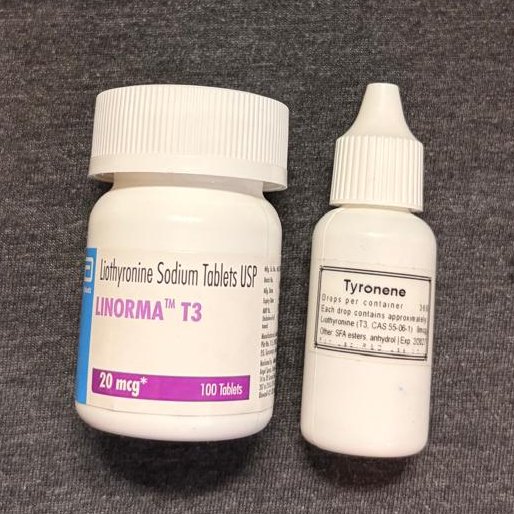
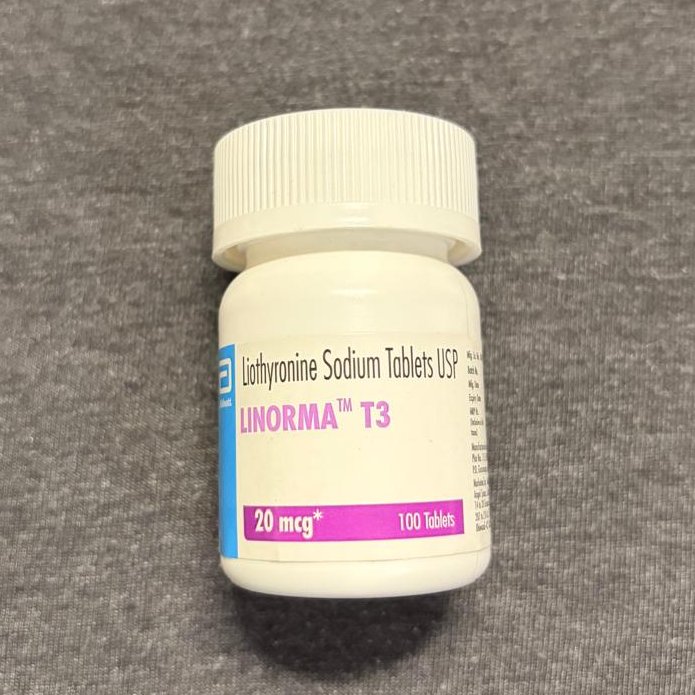
‘T3 is super risky.’
No, it's not.
It is one of the safest compounds available.
It is only risky if you megadose irresponsibly or run it on gear and stims with already elevated HR and BP just to cut fast without actually needing it that is where the horror stories originate.
If you are hypothyroid, low Test, cold, suffering from low metabolism, depressed, lethargic, and dealing with brain fog, it is one of the most effective compounds you can deploy and should consider before moving on to TRT.
Here is why T3 carries minimal risk when dosed correctly, the essential cofactors it requires, and exactly who should avoid it 👇
The Exogenous T3 Fallacy: Physiological Replacement vs. Anabolic Mismanagement The Anabolic Abuse Narrative:
The clinical fear surrounding Triiodothyronine (T3) originates in bodybuilding circles, where operators stack 75mcg to 150mcg of synthetic T3 on top of high-dose androgens, beta-2 agonists (Clenbuterol), and central stimulants.
Androgens and sympathetic stimulants upregulate beta-adrenergic receptor density in cardiac tissue.
Dumping supraphysiological T3 into an already tachycardic, hypertensive system hyperactivates myocardial beta-receptors, precipitating cardiac arrhythmias, profuse sweating, and rapid skeletal muscle catabolism.
Physiological Replacement Dynamics:
A healthy human thyroid gland and peripheral deiodinase network produce approximately 25mcg to 30mcg of active T3 daily.
Deploying micro-dosed, physiological T3 (5mcg to 12.5mcg per dose, titrating up to 25mcg daily) does not flood the internal system with foreign toxicity. It simply fulfills nuclear receptor occupancy.
Unlike the hypothalamic-pituitary-gonadal (HPG) axis, which can take months to recover from suppression, the pituitary thyrotropin feedback loop recovers rapidly once exogenous administration ceases, as thyrotropin-releasing hormone (TRH) and TSH rebound quickly after physiological exposure.
Cellular Mechanics: Why T3 Restores The Internal System
Nuclear Receptor Occupancy: T3 binds directly to nuclear thyroid hormone receptors (TR-alpha and TR-beta) with approximately 10 to 15 times greater affinity than T4.
This directly governs the transcription of genes regulating basal metabolic rate and mitochondrial biogenesis.
Mitochondrial Complex IV Induction:
Active T3 stimulates the synthesis and activity of Cytochrome c Oxidase (Complex IV), pulling electrons smoothly through the electron transport chain to maximize ATP synthesis while minimizing electron leakage and oxidative stress.
Na+/K+-ATPase Pump Acceleration:
T3 transcriptionally drives the expression of the sodium-potassium ATPase pump (Na+/K+-ATPase), which consumes roughly 20% to 40% of basal cellular energy.
This restores resting membrane potentials, clears cold extremities by generating thermogenic heat, and lifts brain fog by accelerating cellular glucose uptake.
Also at physiological doses T3 is actually good for heart, T3 upregulates cardiac SERCA2a expression to enhance myocardial diastolic relaxation and lowers systemic vascular resistance, optimizing stroke volume and cardiac efficiency without adding mechanical strain.
Mandatory Cofactors: What T3 Strictly Demands to Function
Continuous Glucose Oxidation:
T3 accelerates the basal metabolic rate and rapid glucose turnover.
If you introduce T3 in a low-carbohydrate, glycogen-depleted state, the liver cannot meet the demand for glucose oxidation.
The adrenal glands are forced to release compensatory cortisol and adrenaline to break down tissue for gluconeogenesis, manifesting as acute anxiety, shakiness, and heart palpitations.
Magnesium Chelation:
Accelerating the Na+/K+-ATPase pump and mitochondrial ATP synthesis rapidly burns through intracellular magnesium.
Without adequate bioavailable magnesium (such as Albion bisglycinate or Sucrosomial forms), ATP cannot remain properly chelated, leading to muscular cramps and systemic tension.
Selenium & Selenoproteins:
Increased mitochondrial respiration naturally generates baseline hydrogen peroxide.
Selenium is the mandatory catalytic cofactor for Glutathione Peroxidase (GPx) and native deiodinases (Dio1, Dio2), buffering oxidative byproducts generated by accelerated metabolism.
More Cofactors:
B-complex, trace minerals complex, ADEK complex (IdeaLabs DC EstroBan).
TSH below 1, waking temperature around 97.8°F, and a resting waking pulse 65-70+ bpm means your baseline is solid. If not, start with 5 mcg microdoses paired with cofactors and adequate carbohydrates.
If you have preexisting cardiovascular issues, run naturally warm, abuse stimulants or AAS, and lack fundamental pharmacological literacy, avoid this protocol entirely.
This is not medical advice, solely educational modeling. Always handle exogenous hormones under medical supervision.
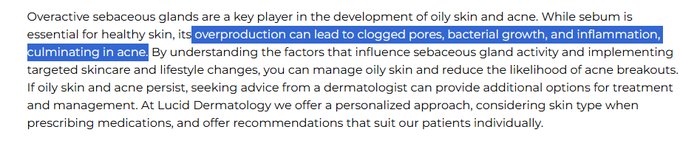
Acne, dandruff, and general oiliness of the skin are thought to be, at least in part, caused by increased sebaceous gland activity:
-prolactin activates the formation of sebum (oil) by the skin
-dandruff on your scalp is your body's sign of low thyroid hormones (T3+T4).
-estrogen and prolactin influence the sebaceous glands
-estrogen and prolactin are associated with anxiety and insecurity (acne is also associated with anxiety and insecurity - caused by these hormones in excess!)
-estrogen and prolactin also suppress thyroid function
If you have any of these conditions, checking thyroid function,estrogen and prolactin would be the absolute best thing to do.
H. pylori, Candida and things like parasites love Iron. It’s essential for their machinery to run. All of these can drop your own levels by competing for it + through the inflammation that’s caused, it can become trapped in storage.
If yours stays low even after supplementing, it’s worth checking /looking into.
Supplementation can be very complicated as many people may not have a true iron deficiency (wrote about this on here a few years ago, if you search iron) but an iron dysregulation. There are several other complicating factors which I’ll try to mention below.
First, conventional + functional medicines typically treat an anemia of inflammation/chronic disease as being caused by elevated hepcidin from inflammation - which traps the iron in storage (a normal or high ferritin, low serum iron) and supplementing oral iron here often does little to nothing at all and can even feed someone’s inflammatory/infectious process substantially.
And, hepcidin *is* the main driver, but the same inflammatory signals also blunt erythropoietin + shorten red blood cell lifespan. This iron ‘trapping’ is actually even partly protective, as the body will withhold iron on purpose to starve out a pathogen/pathogens (This is called nutritional immunity). Conventional medicine will often use IV iron here since it bypasses the blocked gut absorption.
Taking iron in pill form is also quite oxidative. Whatever your gut doesn't absorb can irritate + inflame the gut lining and feed bad microbes (like the ones mentioned here).
It can also cause constipation + nausea and compete with your zinc + copper. Every dose raises hepcidin for about a day too, which is why every other day dosing often absorbs better than daily and is starting to be recommended by functional MDs in many places.
Moving now to Ferritin :
Ferritin as a marker can also be misleading on its own because it's an acute phase reactant - it rises with inflammation or infection. Someone with H. pylori, SIBO or Candida can show a normal or a high ferritin level and still be iron deficient.
To asses these things in Functional medicine, full panels (ferritin, serum iron, TIBC/transferrin saturation, soluble transferrin receptor, hepcidin if available, CRP) are often run (they should be run) rather than just supplementing on a ferritin marker alone.
Here’s a list of things that typically/ actually help here in the case of iron issues and H. pylori, parasites and Candida :
For iron issues : A high quality Lactoferrin all the way.
For H. pylori : An eradication protocol can be helpful. In conventional medicine, antibiotics might be given using a triple/quadruple therapy. Or, in a naturopathic/functional or herbal practice, a high quality mastic gum, DGL, berberine, raw chopped garlic, zinc carnosine, cranberry juice, wormwood (artemisia), oregano oil, matula tea + high dose probiotics might be used.
For Candida : Allicin (in raw garlic) has documented antifungal activity against Candida species in vitro (including an effect on their biofilm). Its biofilm effect is very important also since Candida's biofilm is part of why it's very hard to clear. If you're on a Candida regimen without one you may know this ;)
I also love the product 'Intestin-ol' which is a blend of oregano, clove and thyme oil and it also has bio film effects.
I also think here of things like monolaurin, biocidin, neem (not the oil, make sure you have an edible form), turmeric and tea tree (only take tea tree within a formulated blend like ‘biocidin’ or things like Solaray's yeast cleanse or use topically, never ever the straight oil swallowed).
In regular protocols one might pick a product that's mixed with several of these or just 2-3 individual and a die off product like a binder.
(Continued below) :👇🏻
anytime i talk to someone 40+ i can't help myself but telling them to start taking vitamin B1, bromantane, epitalon and pinealon
the few people who have actually done it (usually the ones i've gifted them to lol) have invariably reached out to me within 2 weeks telling me it changed their life and asking me what kind of sorcery it is
Here is how to run your Acetylcholine engine at maximum capacity to get 4K vision, increased verbal fluency, photographic memory, expanded working memory capacity, the ability to hold and solve complex topics in your head and hyper-vivid dreams with increased REM without the side effects of choline anhedonia.
Acetylcholine is the central nervous system’s master computational currency, synthesized directly from mitochondrial acetyl-CoA and bioavailable choline.
Elevated cholinergic tone sharpens cortical signal-to-noise ratio, filtering out sensory distortion to unlock razor-sharp attention and instant verbal recall.
It drives hippocampal theta rhythms and primes NMDA-dependent LTP, expanding working memory capacity to hold and solve complex problems in real time.
Peripherally, it saturates neuromuscular junctions to maximize motor unit recruitment, contractile velocity, and instantaneous power output.
It engages the vagal anti-inflammatory reflex to suppress systemic cytokines while inducing aminergic-silent REM sleep for structural memory consolidation.
When people push acetylcholine too high without elevating dopamine in parallel, they crash into emotional flatness and anhedonia, or they megadose harsh stimulants and become burned-out junkies.
The real architecture relies on the minimum effective dose: pulsing Donepezil at night, waking up with Cognizin and Galantamine, and balancing the circuit with Modafinil, cofactors, and circadian clearance.
The Nighttime Anchor: Donepezil Pulsing & Sigma-1 Saturation
Donepezil (5mg Pulse 2–3x Weekly With Dinner):
Carries an elimination half-life of roughly 70 hours. Pulsing it 2 to 3 times per week maintains 20% to 30% baseline acetylcholinesterase (AChE) inhibition 24/7.
Secures over 50% Sigma-1 receptor occupancy. Sigma-1 activation triggers endoplasmic reticulum chaperone activity, drives hippocampal BDNF synthesis, and optimizes NMDA receptor trafficking for long-term potentiation.
Administer strictly with warm dinner. Peak plasma concentration hits 3 to 4 hours post-ingestion; sleeping through the peak completely bypasses the cholinergic nausea 1-2% people get.
The Morning Ignition: Dual-Pathway Cholinergic Saturation
Cognizin Citicoline (500mg Upon Waking):
Bypasses rate-limiting Kennedy pathway checkpoints to deliver bioavailable cytidine and free choline. Cytidine converts to uridine to upregulate dopamine receptor density, while free choline rapidly charges presynaptic vesicular acetylcholine storage pools.
Galantamine (4mg Upon Waking):
Acts as a rapid, reversible acetylcholinesterase inhibitor combined with positive allosteric modulation (PAM) of alpha-7 and alpha-4-beta-2 nicotinic acetylcholine receptors (nAChR).
Sensitizing nicotinic receptors amplifies sensory gating and cortical signal-to-noise ratio, unlocking vivid high-contrast visual acuity and photographic working memory.
The Dopaminergic & Orexinergic Counterweight: Modafinil
Modafinil (50mg to 100mg Upon Waking):
If you push acetylcholine high, you must elevate dopamine in parallel to prevent severe cholinergic anhedonia.
Modafinil provides atypical, low-affinity dopamine transporter (DAT) blockade while directly activating hypothalamic orexin (hypocretin) neurons.
Orexin activation drives sustained central vigilance and dopaminergic firing across the ventral tegmental area without peripheral adrenergic panic.
The Inverted-U Working Memory Constraint:
Take 50mg on high-sleep recovery days and 100mg following sleep disruption.
Never push above 100mg. Prefrontal dopamine signaling strictly follows an inverted-U curve; excessive stimulation overactivates alpha-1 and D1 receptors, fragmenting working memory and impairing complex problem-solving.
Enzymatic Substrates & Metabolic Accelerators
NALT L-Tyrosine + Active B-Complex + Extra Pyridoxal-5-Phosphate (P5P):
Catecholamine synthesis demands substrate and cofactors. P5P is the mandatory catalytic cofactor for aromatic L-amino acid decarboxylase (AADC) to convert L-DOPA into active dopamine.
Active Triiodothyronine (T3 Micro-Dose):
Add 5mcg of active T3 if cellular thyroid signaling is sluggish. T3 directly upregulates choline acetyltransferase (ChAT) expression and accelerates mitochondrial Complex IV kinetics to supply the cellular ATP required for continuous neurotransmitter turnover.
The Circadian Clearance & Glymphatic Feedback Loop
The 10–12 Hour Operational Window:
The stimulatory effects of the morning stack taper off within 10 to 12 hours, allowing autonomic arousal to decline before the circadian sleep gate opens.
Parasympathetic Rebound & REM Architecture:
As daytime wakefulness signals taper, sustained central acetylcholine shifts autonomic balance into parasympathetic dominance, significantly deepening Rapid Eye Movement (REM) sleep architecture and dream vividness.
This creates a compounding biological feedback loop: daytime neuroplasticity is permanently consolidated overnight, systematically upgrading baseline cognitive capacity day after day.
The Foundational Hierarchy
Receptor modulation cannot rescue an uncoupled, micronutrient-depleted internal system.
First maximize bioavailable micronutrient intake and optimize baseline thyroid and mitochondrial respiration.
Targeted nootropics and acetylcholinesterase inhibitors are not foundational replacements; they are the precision levers providing the final 10–30% operational edge unless ACh was too low, If ACh already high then reduce doses.
Before hopping on TRT or running an "oral-only" stupidity, Try T3 first.
It increases testosterone, reduces estrogen, upregulates tissue 5-AR, enhances muscle protein synthesis, accelerates fat loss, increases mitochondrial density, and replaces 10 to 20 cope supplements/herbs you are currently taking.
Before shutting down your hypothalamic-pituitary-gonadal (HPG) axis, understand that Triiodothyronine (T3) is the master transcriptional switch governing cellular energy, steroidogenesis, and neurochemistry.
Here is what T3 can do and the science behind it.👇
Steroidogenesis & Androgenic Architecture
StAR Protein & Native Testosterone:
Active T3 binds nuclear receptors in testicular Leydig cells to stimulate Steroidogenic Acute Regulatory (StAR) protein expression.
This accelerates the rate-limiting translocation of cholesterol across the inner mitochondrial membrane, directly driving de novo endogenous testosterone synthesis.
Tissue 5-Alpha Reductase & DHT:
T3 is an obligate epigenetic driver of 5-alpha reductase (5-AR) transcription.
Normalizing intracellular thyroid signaling converts circulating testosterone into Dihydrotestosterone (DHT) inside target tissues, unlocking dense muscular tension, morning erections, and central drive.
Estrogen Clearance & Prolactin Suppression:
T3 stimulates hepatic Phase II conjugation to clear excess circulating 17-beta estradiol.
Furthermore, low cellular T3 triggers hypothalamic Thyrotropin-Releasing Hormone (TRH) hypersecretion, which directly stimulates pituitary lactotrophs to dump prolactin.
Restoring active T3 quenches TRH, crushing elevated prolactin back to baseline.
Bioenergetic Optimization & Body Composition
Mitochondrial Density & Complex IV:
T3 directly drives mitochondrial genome transcription, accelerating Cytochrome c Oxidase (Complex IV) kinetics and inducing PGC-1alpha-mediated mitochondrial biogenesis.
Adipocyte Beta-Receptor Upregulation:
It transcriptionally upregulates beta-1 and beta-2 adrenergic receptor density on adipocyte membranes.
This dramatically amplifies catecholamine-mediated lipolysis, shedding stubborn visceral fat while accelerating muscle protein synthesis via enhanced ribosome translation efficiency.
Follicular Anagen Induction:
Intracellular hypothyroidism halts dermal papilla metabolism, trapping hair follicles in dormant telogen effluvium.
Saturating follicular thyroid hormone receptors (THR) restarts cellular respiration, forcing follicles back into active anagen growth to reverse diffuse thinning.
Neurochemical Reprogramming & Central Drive
Dopaminergic Sensitization:
T3 elevates the transcription of Tyrosine Hydroxylase (the rate-limiting enzyme in dopamine synthesis) while increasing D2 receptor sensitivity in the striatum and prefrontal cortex.
Neurotrophic Signaling (BDNF & NGF):
Active thyroid hormone drives Brain-Derived Neurotrophic Factor (BDNF) and Nerve Growth Factor (NGF) synthesis across hippocampal networks.
It clears chronic anhedonia, lifts brain fog, and repairs synaptic plasticity, rendering dozens of underdosed adaptogens and dopamine supplements completely obsolete.
Structural Liabilities & Tactical Countermeasures
The Glycogen & Catabolic Trap:
Exogenous T3 accelerates baseline turnover and oxidative phosphorylation.
If deployed in a hypocaloric state with depleted glycogen, it triggers compensatory cortisol spikes, muscle catabolism, and autonomic tachycardia.
Substrate Priming & Administration Protocols:
You must saturate the biological environment with easily digestible carbohydrates (ripe fruits, white rice, raw honey), adequate animal protein, and foundational trace minerals (magnesium, sodium, potassium).
Divide T3 into micro-doses (5mcg to 12.5mcg daily split into two to three administrations) to mimic endogenous physiological pulsatility and prevent sudden cardiac overstimulation.
Cofactors: B Complex, Trace Minerals Complex, ADEK Complex, Magnesium.
Important Note:
If your explicit objective is supraphysiological muscle hypertrophy, maximal tissue accrual, and precise manual control over absolute circulating hormone levels, TRT is undeniably the superior pharmacological instrument.
However, if your primary driver is escaping refractory fatigue, stubborn adiposity, brain fog, flat libido, and metabolic stagnation, deploy T3 first. Then go down the TRT pathway if T3 fails to resolve the underlying bottleneck.
In almost all of my SIBO clients, the following supplements really made a difference if used under proper root cause/ bottleneck work throughs:
- S. Boulardii
- PHGG titration
- Zinc L-Carnosine
- Benfothiamine + TTFD
If combined with an adapted diet, and a plan to re-introduce certain food groups properly, these can work magic within a relatively short time frame, if the suspected overgrowth is not decades old, and reinforced through co-infections & biofilms
Diet wise a focus on bone broth, homemade kefir, well to digest meats & organs and aloe vera juice can also be highly beneficial for a number of reasons
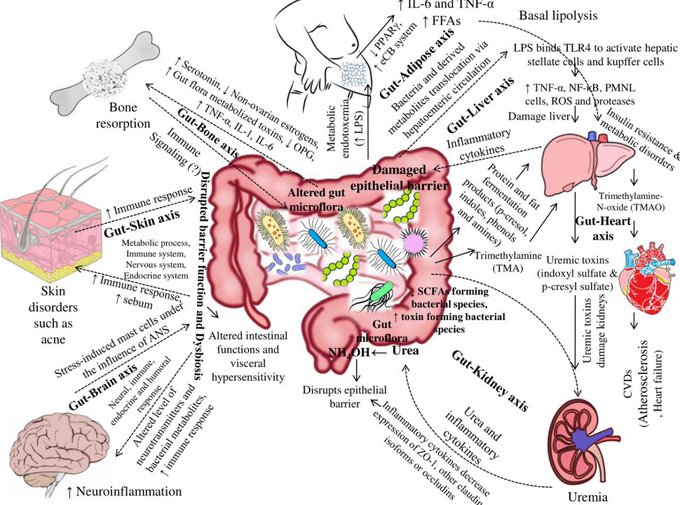
Healing your gut is the only thing that can improve every other aspect of your health.
Our gut is connected to multiple organs and systems, affecting their function for the better or worse every single second that passes.
This is why dysbiosis is linked to:
-Skin issues ranging from acne all the way to psoriasis
-Obesity and metabolic syndrome
-Polycystic ovary syndrome (PCOS)
-Autoimmune conditions
-Mood disorders ranging from general anxiety and depression all the way to bipolar disorders, OCD and even schizophrenia
-Alzheimer’s
-Low libido
-Kidney stones
-Low testosterone
-Thyroid disorders
-Chronic fatigue
-Cardiovascular disease
-Food intolerances
-Histamine intolerance
-And even certain types of cancer, whether that’s called pancreatic cancer, hepatocellular carcinoma, breast and even lung cancer
As Hippocrates, the father of medicine, famously said: Every disease begins in the gut.
Think about it:
-Transferring gut bacteria from depressed people to animals can induce depression-like behaviors and symptoms of mental illness overall.
-The estrobolome (specific gut bacteria) produces enzymes like β-glucuronidase that deconjugate estrogens in the intestines, allowing them to be reabsorbed into the bloodstream instead of being excreted.
So high β-glucuronidase activity which is often a result of dysbiosis, can lead to estrogen dominance, linked to conditions like endometriosis, fibroids, or breast cancer risk and so on.
-A healthy gut produces SCFAs such as butyrate and propionate.
These help regulate glucose metabolism, activate G-protein-coupled receptors such as GPR41/43 to lower blood pressure, reduce arterial inflammation, improve insulin sensitivity by enhancing GLP-1 and PYY secretion, activate receptors such as GPR41/43 and HCA2 on keratinocytes to improve mitochondrial function, enhance skin barrier proteins like filaggrin and ceramides, and support differentiation/hydration.
-Gut dysbiosis impairs nutrient absorption which can cause issues ranging from general fatigue all the way to anemia and hormonal problems.
Also, the microbiome aids vitamin production especially when it comes to B vitamins and vitamin K.
-DAO is mainly produced by mature enterocytes (intestinal lining cells) in the small intestine and certain bacteria convert the amino acid histidine into histamine. So dysbiosis can cause and exacerbate histamine intolerance and MCAS.
This means more skin issues, headaches, migraines, anxiety, insomnia and a vicious cycle of more gut issues.
-Certain pathogenic bacteria and yeast (like Candida) produce byproducts like ammonia and acetaldehyde. If the gut barrier is permeable, these toxins enter the bloodstream and cross the blood-brain barrier.
This is of course, problematic since ammonia for example, interferes with astrocyte function. So it quite literally makes you feel dumber since it physically slows down neuronal signaling.
Acetaldehyde also inhibits PDH by binding to its coenzyme A or thiamine pyrophosphate (TPP) (acetaldehyde inactivates thiamine by binding to its active sites) sites and excess pyruvate is shunted to lactate production through lactate dehydrogenase.
-The gut houses 70% of plasma cells (antibody producers, mostly IgA-secreting in lamina propria) and harbors a major fraction of the body’s effector/memory lymphocytes exposed to antigens.
This is why dysbiosis impairs sIgA production and Treg/Th17 balance and contributes to things such as autoimmune diseases, allergies and even chronic infections.
-Dysbiosis increases the production of pro-inflammatory cytokines like IL-6 and TNF-α by activating toll-like receptor 4 (TLR4) through lipopolysaccharides (LPS) from gram-negative bacteria for example.
This can create more problems than we can count.
Low SCFAs and high LPS impair deiodinase activity (LPS inhibits type 1 deiodinase while also altering type 2), reducing active T3 levels.
Then these cytokines inhibit Leydig cell steroidogenesis in the testes, directly reducing testosterone synthesis and they also induce inhibitory phosphorylation of the insulin receptor substrate (IRS-1), preventing the normal metabolic actions of insulin and leading to decreased glucose uptake.
This also allows more dietary histamine and bacterial histamine to leak into the bloodstream, bypassing normal DAO breakdown in the gut.
These cytokines also weaken the blood-brain barrier (BBB), causing neuroinflammation.
Once in the brain, these inflammatory markers activate microglia (the brain’s immune cells), which can disrupt the growth of new brain cells and damage neural connections, a hallmark of major depressive disorder.
In animal models for example, candida-induced inflammation reduced cognitive clarity by 30%.
Besides these, when the gut is inflamed, an enzyme called IDO is activated.
This leads to the overproduction of quinolinic acid, a neurotoxin that overstimulates NMDA receptors in the brain, contributing to many mood disorders
-In a state of dysbiosis, TJ leakage allows the entry of foreign antigens and activates the autoimmune cascade.
-Gut bacteria show immune cells such as T-regulatory cells and Th17 cells how to distinguish between pathogens and commensals.
SCFAs also influence T-regulatory cell function.
During dysbiosis, the lack of SCFAs like butyrate prevents the induction of T-regulatory cells (Tregs). Instead, the immune system overproduces Th17 cells.
These Th17 cells circulate and migrate to the skin, releasing Interleukin-17 (IL-17) and high levels of IL-17 are the hallmark of psoriasis and hidradenitis suppurativa.
Gut dysbiosis also stimulates the release of Substance P, a neuropeptide, via the vagus nerve and systemic circulation that increases the permeability of skin blood vessels and triggers mast cells to release histamine.
This is why gut issues are so frequently linked to hives (urticaria), rosacea, and eczema.
-LPS and systemic inflammation increase BBB permeability, promote microglial activation, and impair amyloid clearance.
This is one of the many reasons why dysbiosis correlates with amyloid-β and tau pathology.
-Certain bacteria convert dietary precursors into trimethylamine (TMA).
-Increased systemic inflammation elevates cytokines that suppress the hypothalamic-pituitary-gonadal (HPG) axis.
Microbes and SCFAS in the gut influence the vagus nerve.
-SCFA-producing bacteria improve mitochondrial function in skeletal muscle, reduce inflammation-driven muscle wasting, and enhance insulin sensitivity for better protein synthesis.
-Gut-derived endotoxemia raises androgens in women.
High levels of hydrogen sulfide are well-known to inhibit cytochrome c oxidase in the mitochondrial electron transport chain, thus impairing cellular respiration and ATP production.
Certain postbiotics enhance sIgA production, balance Treg/Th17 cells, and improve both innate and adaptive immunity.
The gut microbiome influences circadian rhythm genes through SCFA signaling.
Dysbiosis reduces beneficial bacterial species that activate AhR which normally protects skin barrier and reduces inflammation.
Gut bacteria produce enzymes that metabolize dietary tryptophan into aryl hydrocarbon receptor (AhR) ligands, which strengthen the intestinal barrier, dampen inflammation, and protect against colitis and certain cancers.
Specific taxa promote oxytocin release through vagal signaling and metabolite production.
The gut and its microbiome can contribute up to 30% of the body’s systemic GABA, one of the brain’s primary inhibitory neurotransmitters.
Certain gut bacteria such as Lactobacillus and Bifidobacterium species, synthesize or influence GABA production.
So dysbiosis reduces this microbial contribution, which can heighten anxiety, insomnia, and seizure susceptibility while disrupting the gut-brain axis feedback loop.
Dysbiosis shifts profiles in bile acids which affects FXR/TGR5 signaling and lipid metabolism in the skin.
It changes primary-to-secondary bile acid conversion, affecting lipid metabolism, FXR signaling, and inflammation overall.
And all these are of course, just the tip of the iceberg.
So your gut influences your skin, energy, inflammation, and even your brain.
Even if you do not struggle with the typical issues such as bloating, constipation, gas, IBS, GERD, ulcers and so on, it’s unlikely for you to have a chronic health issue and for your gut health to not be one of the primary drivers.
Overall, if you want to improve an aspect of your health, healing your gut is something non-negligible and you can rarely improve a health issue while your gut is in a compromised state, no matter how hard you try.
But the problem is that most gut health advice is severely outdated or flat-out wrong.
After all, more people than ever struggle with gut issues and seem to be unable to resolve them year after year.
We’ve reached a point where people need 10 supplements or 10 medications just to poop and not have acid reflux at ages as young as 25.
That’s not normal.
We even have parents giving their 2-year-old kids high-dose fibre supplements with artificial sweeteners and food colourings without realising the amount of problems they are creating.
But who can blame them?
If you go to the most popular forums, sites and so on, you will see “qualified professionals” giving the worstworst advice possible.
Tips such as: “The first steps I recommend as a nutritionist are to eat more fibre every day. This includes oats, beans, lentils, fruit, vegetables, chia seeds, and whole grains.......” are very common yet they rarely work (in the case they don’t make the issue/s worse).
For millions of people, similar advice turns mild bloating into full-blown SIBO.
Or on the flipside, you have these over-restrictive diets that end up being corrosive to your own intestines, overwhelming the liver and even degrading the mucous layer.
So most people who try to heal their digestion start in the wrong place!
Overall, there are a LOT of misconceptions surrounding this topic and a lot of the popular strategies can actually make issues severely worse.
But the numbers don’t lie.
We’ve reached a point where roughly 40% of the world’s population suffers from chronic functional gastrointestinal disorders despite the amount of available interventions.
The solution to this is to understand how the digestive system works and identify the root causes of your specific issues.
This is where this https://t.co/Cd7gD7jJIz might be able to help you.
Here’s a fraction of the topics that are covered:
-Exactly how your digestion works
-The neglected mechanisms that often lead to dysbiosis
-The real tests you can take to identify the root cause of your issues faster (or if you can’t access them, how to properly interpret the symptoms you are experiencing)
-The best supplements and peptides for each gut issue to avoid making some quite expensive mistakes (plus how and when to use them, dosing protocols, interactions with other medications or supplements and which ones to avoid in general).
Because let’s face it, this is a big problem.
-The exact protective mechanisms of pathogens and how to bypass each one efficiently.
-The root causes of the most common gut issues such as general bloating and constipation all the way to SIBO, IBS, H.Pylori and candida albicans and how to approach them
-What almost everyone misses when it comes to biofilms and the protection mechanisms of certain opportunistic microbes
-Lifestyle factors that affect the state of your gut
-The most common mistakes a lot of people make when trying to resolve gut issues
-How co-existing conditions that are left unaddressed could be the root causes of your digestive discomfort and what to do about them
-Exactly what to eat based on your current state and goals
-How to rebuild your gut microbiome after following over restrictive diets and antibiotics
-Protective meassures you can take while consuming antibiotics
-60+ detailed meal plans (that actually taste good and utilize food combinations that won’t only improve the state of your gut but multiple aspects of your health)
-The key differences when it comes to nutrients for each issue
-How the usage of certain medications can trigger gut issues and what to do about it
-The one nutrient that, when left unregulated, can ruin your gut health
-The real genetic factors that could be influencing your gut health
-The two neglected organs of the digestive system that could be holding the keys to better digestion
-Key differences between men and women
-Exactly how hormones and neurotransmitters affect your digestive system and how to restore balance
-Why most plans handle die-offs very wrong and most side effects are actually a sign that you are doing more harm than good
-What toxins could be the chronic drivers of your digestive distress and how to properly get rid of them
-Free interventions you can use for better digestive health
-How to really deal with parasites
-The most neglected, yet proven for years, mechanism for hijacking biofilms that everyone neglects
-How to prevent post-infectious changes in the microbiome
-The set of daily habits most people have been told harm their gut health, when in reality, can be quite therapeutic (plus the daily habits a lot of people follow that actually ruin their gut health)
So it will give you the knowledge needed to take control back over your gut health instead of wasting time and money on the wrong things.
Here's the link one more time: https://t.co/Cd7gD7jJIz
More than 1000 people have already used it.
-George
Enterosgel is suddenly everywhere on X, often with one simple claim: it is basically a cleaner, better version of activated charcoal.
The main reason is selectivity.
Both are intestinal binders. You swallow them, they stay inside the digestive tract, adsorb compounds onto their surface and leave with the stool.
But they are built very differently.
HOW THEY ACTUALLY DIFFER
Activated charcoal has an enormous porous surface that can grab a very broad range of relatively small compounds.
That includes drugs, bile acids and other fat-soluble molecules.
Enterosgel has a more open, water-rich structure with much less total binding surface. It tends to favor certain larger and more hydrophobic compounds while largely leaving small hydrated minerals alone.
In everyday terms, charcoal is more likely to also catch things you actually wanted to absorb, such as medications or supplements, while Enterosgel should interfere less with those smaller compounds.
Comparative laboratory testing reflects that difference:
- Bacterial toxins: Enterosgel showed good adsorption.
- Bile acids: charcoal bound substantially more.
- Small medications: charcoal bound more broadly, although Enterosgel still adsorbed some.
- Electrolytes: Enterosgel largely leaves sodium, potassium, calcium and magnesium in the surrounding water.
So calling Enterosgel more selective is reasonable.
Calling it a binder that only removes "toxins" is not.
It can still bind medications, and complete vitamin or nutrient neutrality has not been demonstrated in humans.
WHERE ENTEROSGEL HAS THE BETTER HUMAN EVIDENCE
The clearest clinical evidence is for diarrhea.
In adults with acute diarrhea:
- median duration was 27 hours with Enterosgel versus 39 hours with standard care
More importantly, Enterosgel was also tested in a randomized, double-blind, placebo-controlled trial in people with IBS and diarrhea:
- overall responders: 37.4% versus 24.3% with placebo
- stool-consistency response: 48.5% versus 32.5%
- abdominal-pain response: 53.3% versus 40.2%
- number needed to treat: about 8
That gives Enterosgel something many gut binders never get beyond: controlled human evidence showing improvements in symptoms people actually care about.
It is also used as an approved medical device for acute diarrhea and IBS-D rather than remaining an experimental adsorbent.
The evidence still has limits. The acute-diarrhea study used an unblinded standard-care control, and the major Western Enterosgel trials were commercially sponsored. Independent academic replication is still lacking.
So the clinical case is meaningful, particularly for diarrhea and IBS-D, but it does not automatically validate the much wider list of uses now associated with Enterosgel.
WHAT CHARCOAL DOES BETTER
Charcoal is much less selective, but that gives it much greater binding breadth.
That is why activated charcoal still has an established role in selected acute poisonings. Large early doses can reduce absorption of many ingested poisons, although the effect falls quickly as time passes.
Its stronger adsorption also shows up elsewhere:
- Endotoxin: about 90% adsorption in one laboratory experiment.
- Bile acids: 8 g three times daily lowered total cholesterol by 25% and LDL by 41% in a tiny seven-person study.
- Drugs: strong binding creates a much greater risk of reducing oral medication absorption.
That breadth also creates the downside.
Charcoal can interfere with medications, nutrients and orally taken supplements if they are present in the gut at the same time. So supplements should not be taken close to charcoal if you actually want them absorbed.
Repeated high doses also increase the risk of constipation, bezoars and bowel obstruction.
And more adsorption does not always translate into better outcomes. Multiple high doses of charcoal failed to reduce mortality in a large trial of unselected self-poisoning.
THE METABOLIC INTEREST
Charcoal has long been interesting in bioenergetic circles largely because of its ability to bind gut-derived compounds such as endotoxin.
When endotoxin crosses the gut barrier, it enters the portal vein and reaches the liver directly.
There it can activate inflammatory signaling that increases nitric oxide. Nitric oxide can temporarily interfere with mitochondrial Complex IV, one of the final steps cells use to consume oxygen and produce energy.
Inflammation can also suppress DIO1, a liver enzyme involved in converting T4 into active T3.
So reducing excessive intestinal endotoxin exposure has a plausible metabolic rationale:
- less inflammatory signaling reaching the liver
- less interference with mitochondrial energy production
- less suppression of T4-to-T3 conversion
Both charcoal and Enterosgel can bind bacterial products experimentally.
Specialized carbon adsorbents have also improved gut-barrier function and endotoxin-related markers in animal models and cirrhosis research.
This is one reason the broader binding of charcoal is not automatically a disadvantage. If the target is a wider range of unwanted intestinal compounds, broad adsorption can be exactly what makes it useful.
ESTROGEN AND OTHER DETOX CLAIMS
Estrogen adds another possible reason intestinal binding may matter.
The liver packages used estrogen for removal and sends some of it into the intestine through bile.
Gut bacteria can then remove that packaging, freeing estrogen so it can be absorbed again instead of leaving with the stool.
That recycling gives intestinal binders a plausible role: if some of those compounds are caught before reabsorption, more can leave the body rather than returning to circulation.
Charcoal can adsorb steroid-like molecules in the gut, which makes this mechanism plausible.
For Enterosgel, the current human evidence around estrogen is much thinner.
Claims around histamine, acetaldehyde and heavy metals are also frequently bundled into the current Enterosgel discussion, often together with the idea that vitamins and the microbiome remain completely untouched.
Those broader claims are much less established than its evidence for diarrhea and IBS-D.
SO WHICH ONE IS BETTER?
There is no clear overall winner.
Enterosgel appears more selective and less aggressive.
That makes it particularly interesting when the goal is repeated intestinal binding without catching as many smaller compounds along the way. The strongest human case currently sits with acute diarrhea and IBS-D, where controlled trials have actually shown symptom improvement.
Activated charcoal is broader and more powerful as an adsorbent.
That breadth remains useful when broad binding is the point, especially in selected acute poisonings and potentially when stronger adsorption of bile acids, endotoxin or other unwanted intestinal compounds is desired.
The trade-off matters in ordinary use.
With charcoal, medications, supplements and nutrients are more likely to get caught as well, so separation becomes especially important. Frequent or high-dose use also becomes less attractive when constipation or slow intestinal transit is already an issue.
Enterosgel reduces some of that collateral binding, although it is not perfectly selective and oral medications still need to be kept apart from it.
For diarrhea or IBS-D, Enterosgel currently has the more directly relevant human evidence.
For very broad adsorption, charcoal still does what made it useful in the first place.
For routine endotoxin-focused use, the metabolic rationale is interesting for both, but the evidence is not strong enough to crown either one based on human outcomes.
Enterosgel gives up some binding power for greater selectivity.
Charcoal gives up selectivity for broader adsorption.
That makes them less like an old and new version of the same product, and more like two binders suited to different priorities.
STUDIED AMOUNTS
- Acute diarrhea: Enterosgel started with 2 tablespoons, then 1 tablespoon or sachet 1–6 times daily depending on symptoms, alongside oral rehydration.
- IBS-D: 15 g twice daily initially, with flexible increases up to 30 g three times daily in the 8-week trial. Median use was 2 doses per day.
- Acute poisoning: charcoal studies commonly used at least 50 g, with adsorption strongest when given early, particularly within about 60 minutes.
- Cholesterol study: charcoal was tested at 8 g three times daily, a high experimental regimen rather than a general-use target.
These are studied conditions, not dosing recommendations.
General information, not medical advice.
PMIDs: 15822758, 18280328, 11139541, 35760493, 31139427, 30948767, 2874369, 38621924, 1096167, 23689670
@MillicentSedra People thinking he's indian or what not he's actually an egyptian copt so probably native Christian than her! But realistically the world is race drive as seen by the comments ruining bloodlines
Soviet stuff is just better. Low negatives, and it talks to the tissue instead of covering the symptom.
A statin does not rebuild a vessel.
An antihistamine does not retrain a mast cell.
These do the slower thing: short peptides aimed at one organ, plus a few mitochondrial compounds that give the cell its ATP back.
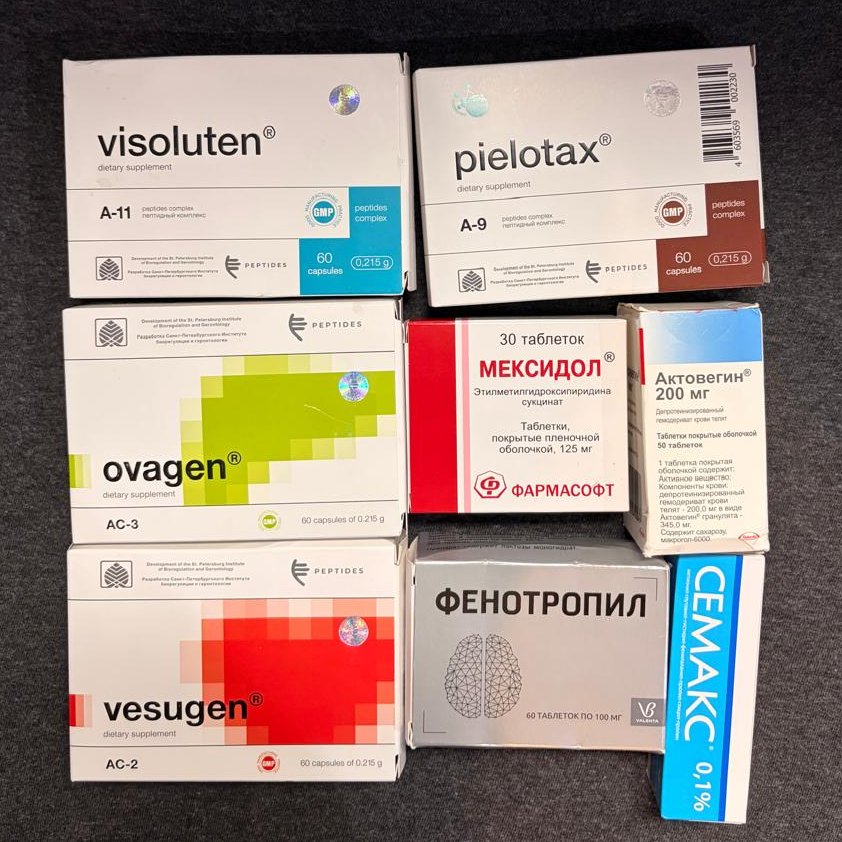
Here are the ones in the photo, who they fit, and the mechanism👇
1. The rule underneath all of them.
Khavinson peptides are 2–4 amino acids, small enough to get in, and the claim is they sit on DNA in a tissue-biased way and turn aging-silenced genes back on. That is chromatin, not a receptor block. You feel it over a 10–30 day course, then you stop for months. Masking drugs you take forever. These you cycle.
The nootropics next to them are the energy layer. A peptide cannot transcribe in a mitochondrion that is out of ATP.
2. Visoluten, A-11. Eyes.
Peptide complex from retinal tissue. For the person whose vision is the thing aging first: worse night vision, screen burn, the "my eyes are older than me" complaint.
The retina has the highest metabolic rate of any tissue and almost no reserve. When complex I drags, photoreceptors die quietly. Visoluten is the signal to the retinal cell to keep its own repair program on. It does not replace a new prescription. It is the upstream nudge for the tissue the glasses are compensating for.
3. Pielotax, A-9. Kidneys.
Kidney peptide complex. Filtration, tubules, the organ that takes the hit from high blood pressure, stimulants, and a long cut.
Kidneys fail by losing specialized cells, not by "needing a detox tea." A kidney-targeted peptide complex is there to push nephron cells back toward their original gene set.
Useful if labs are drifting, if you are on a lot of compounds the kidney has to clear, or if you just want the filter treated as an organ instead of a side effect.
4. Ovagen, AC-3. Liver.
The short peptide is Glu-Asp-Leu. Liver and gut-liver axis.
The liver is where T4 becomes T3, estrogen gets packed for excretion, and endotoxin gets caught. A sluggish liver is the root under "estrogen dominant," "can't convert thyroid," and "I flare every time I eat."
Ovagen is the hepatic version of the same idea: remind the hepatocyte what it is. Keep carbs high and sleep good or the peptide is talking to a cell with no substrate.
5. Vesugen, AC-2. Vessels.
Lys-Glu-Asp. Endothelium.
Vessels age by the lining forgetting how to keep tone, how to stop clotting, and how to limit oxidative stress. Vesugen is the endothelial-targeted tripeptide. This is the person with cold hands, a family history of vessels, or years of blood pressure that was "a bit high." It is not a nitrate. It is a gene-level note to the cell that lines the pipe.
6. Mexidol. The mitochondrial one.
Ethylmethylhydroxypyridine succinate. Two halves.
The hydroxypyridine half breaks lipid-peroxidation chains and stabilizes membranes. The succinate half is fuel for complex II. When complex I is choked by hypoxia, endotoxin, or stimulant load, succinate still feeds electrons into the chain and keeps ATP up.
This is why it reads as anti-hypoxic and oddly calming instead of stimulating. People in a cut, on a lot of sympathetic drive, or foggy after poor sleep are the fit. It is fixing the redox and the fuel inlet, not borrowing tomorrow's dopamine.
7. Actovegin. Cellular fuel uptake.
Deproteinized calf-blood extract. The used claim is more glucose and oxygen into the cell under low-oxygen conditions, which is a mitochondrial problem seen from the substrate side.
Fit: heavy training, brain fog that tracks with under-eating, slow recovery. It does not create a neurotransmitter spike. It tries to make the existing mitochondria less starved.
8. Phenotropil. The sharp one.
Phenylpiracetam. A phenyl ring on the piracetam core, so it actually crosses and it actually stimulates. Dopamine and noradrenaline tone go up, NMDA signaling is in the mix, and cold tolerance goes up with it.
This one is closer to a tool than a restorer. Use it for a work block or a meet, not every day.
9. Semax 0.1%. The attention peptide.
A fragment of ACTH, Met-Glu-His-Phe-Pro-Gly-Pro, used as nasal drops. It raises BDNF and NGF signaling and sharpens focus without being a classic stimulant. Enkephalinase inhibition is part of why mood holds.
Fit: the person whose "ADHD" is really a tired cortex, not low Dopamine. It supports the growth factors the neuron uses to keep its synapses.
Epitalon COMPLETELY fixed my circadian biology and my sleep. Full stop.
Before epitalon:
- trouble falling asleep.
- trouble staying asleep.
- still tired upon waking.
Post epitalon:
- I fall asleep in minutes.
- I sleep through the night.
- I feel more refreshed in the mornings.
Whether or not Epitalon extends my life through lengthening my telomeres or not is frankly irrelevant to me.
What is did for my circadian rhythms and my sleep is invaluable and in and of itself has strong influence on longevity.
It is hands down my second favorite peptide after Reta.
Has anyone else had the same experience with it?