Check out our paper on resource allocation in #Colombia's #water and #sanitation sector and how to optimize its impact. With an innovative #geospatial index, we highlight the need for more efficient resource distribution to improve drinking water safety.
https://t.co/hL5NX4hCTl
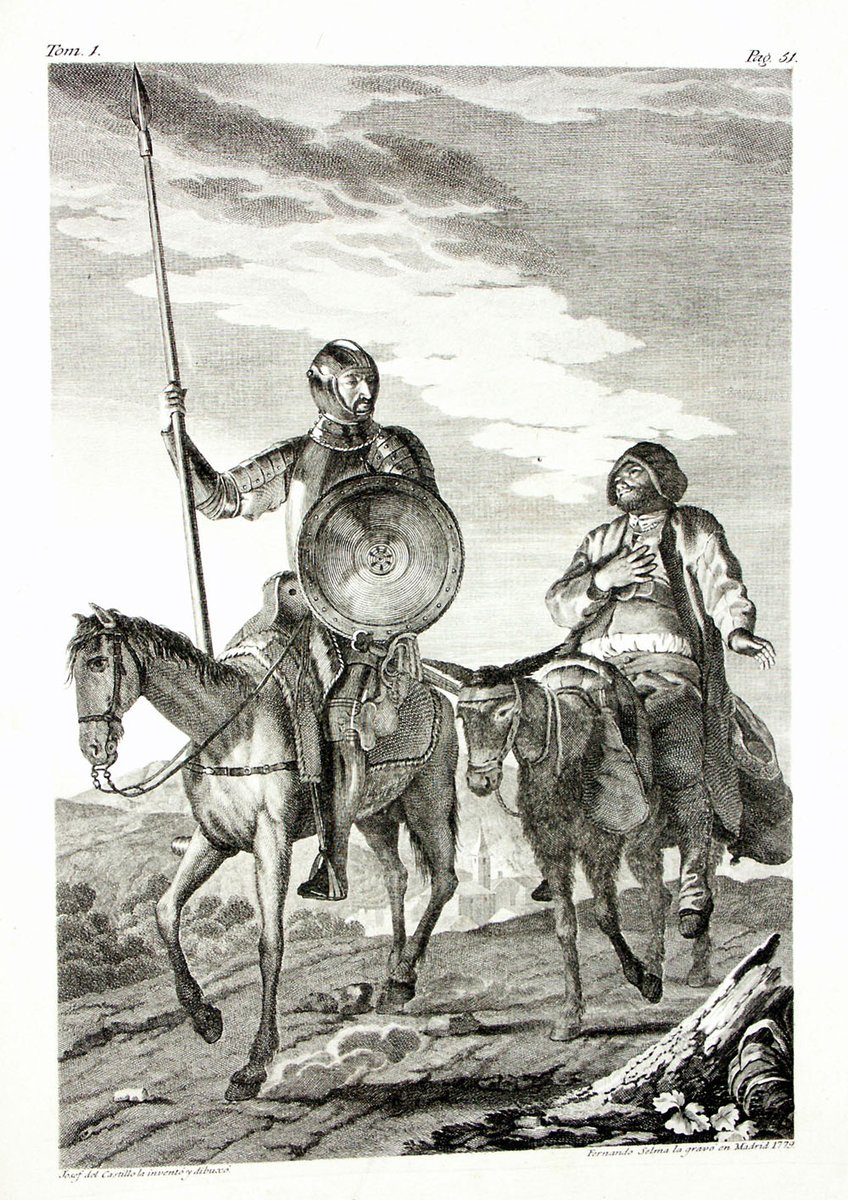
Arte contemporáneo…
Aunque usted no lo crea!
Donde han quedado talentos como Caravaggio? Leonardo? Miguel Ángel? Klimt? Vermeer? Monet? Goya? Varo? Velázquez?
Que no está pasando?
Arte o decadencia?
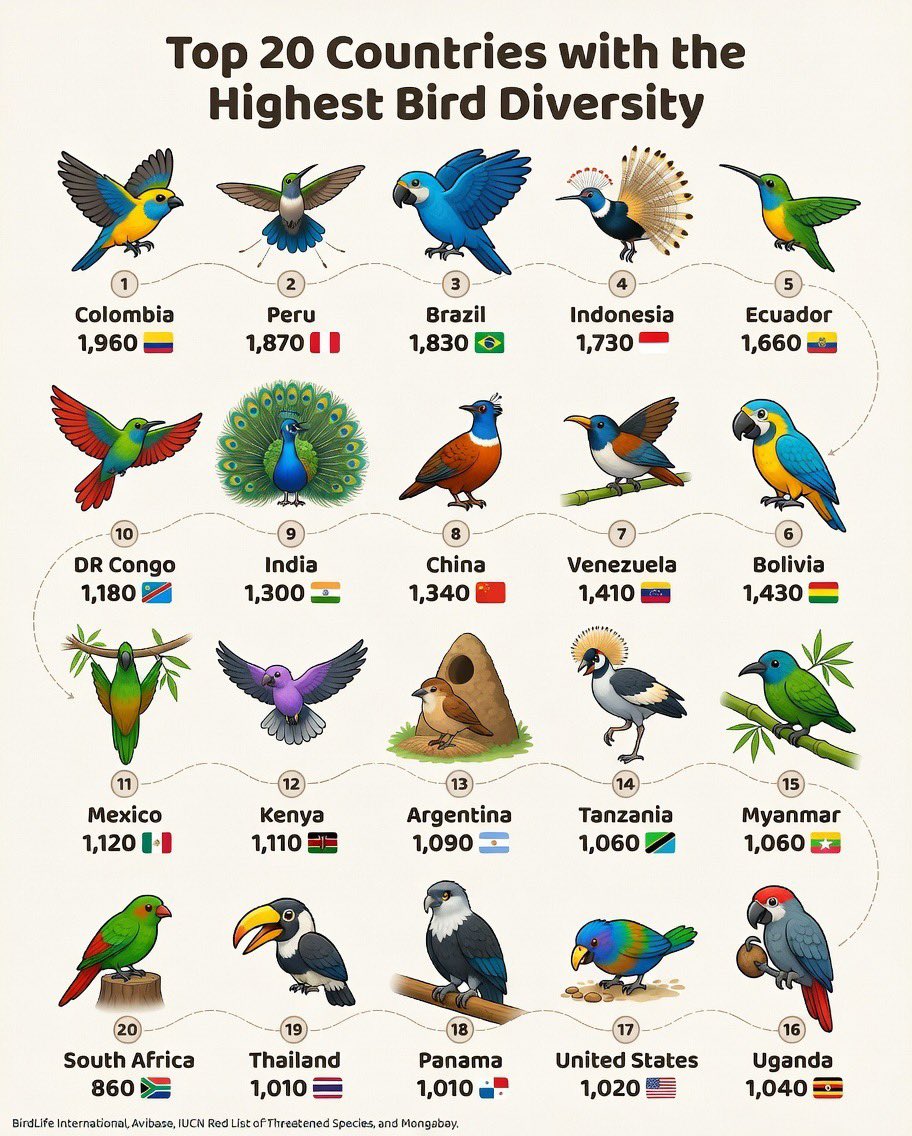
🦅 Top 20 countries with the highest bird diversity
1.🇨🇴 Colombia — 1,960
2.🇵🇪 Peru — 1,870
3.🇧🇷 Brazil — 1,830
4.🇮🇩 Indonesia — 1,730
5.🇪🇨 Ecuador — 1,660
6.🇧🇴 Bolivia — 1,430
7.🇻🇪 Venezuela — 1,410
8.🇨🇳 China — 1,340
9.🇮🇳 India — 1,300
10.🇨🇩 DR Congo — 1,180
11.🇲🇽 Mexico — 1,120
12.🇰🇪 Kenya — 1,110
13.🇦🇷 Argentina — 1,090
14.🇹🇿 Tanzania — 1,060
15.🇲🇲 Myanmar — 1,060
16.🇺🇬 Uganda — 1,040
17.🇺🇸 United States — 1,020
18.🇵🇦 Panama — 1,010
19.🇹🇭 Thailand — 1,010
20.🇿🇦 South Africa — 860
🖇️ Source: BirdLife International, Avibase, IUCN Red List of Threatened Species, and Mongabay
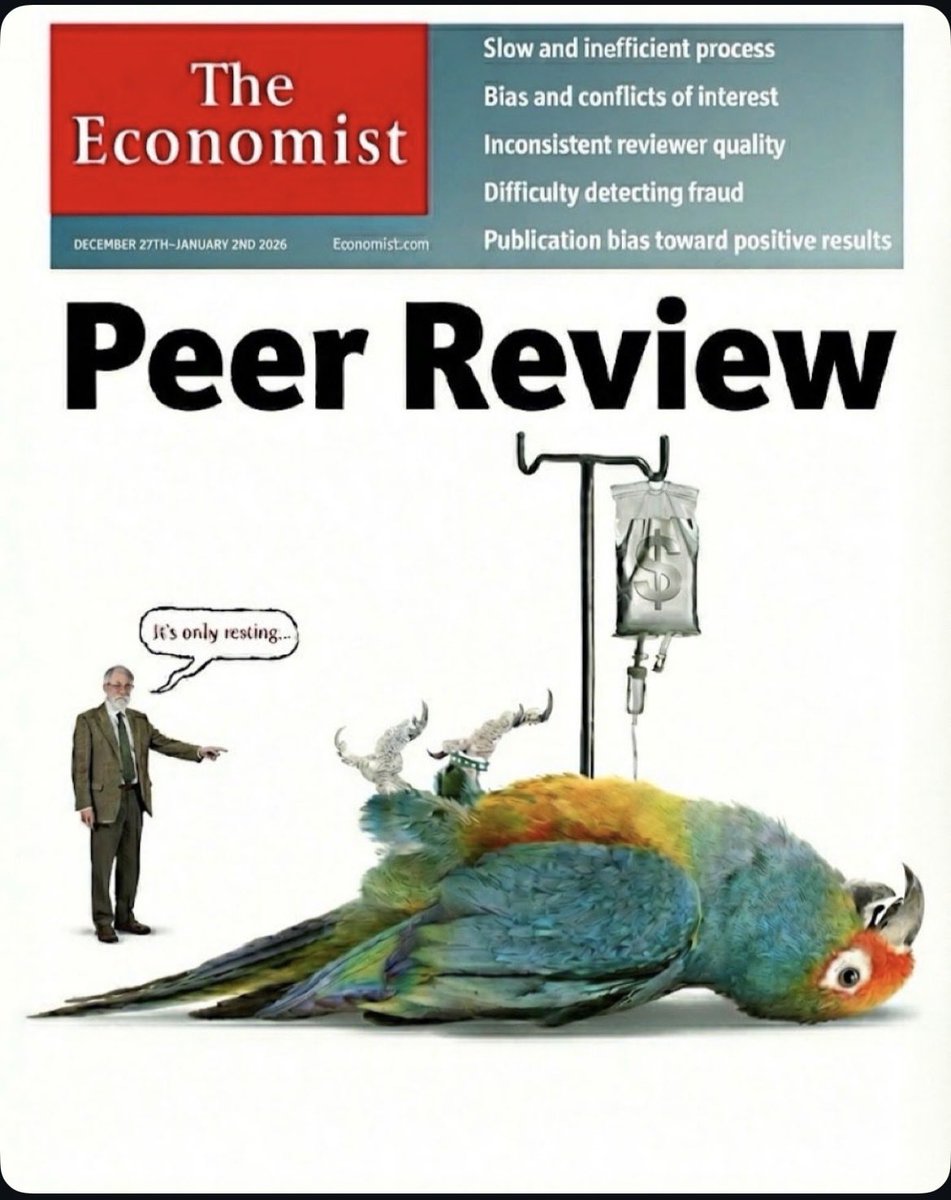
For decades, peer review has been treated as the gold standard of scientific validation.
Yet many scientists know the reality: the system is far from perfect. Peer review is broken and sometimes even corrupted.
The process can be slow, inconsistent, and vulnerable to bias. Reviewers are sometimes asked to judge work outside their true expertise. In other cases, they may be evaluating ideas that challenge the very paradigm in which they were trained. And occasionally, reviewers are simply competitors.
Ironically, the most prestigious journals can also be the most conservative. Truly new ideas are often met with skepticism, while safer work that fits the current narrative moves more easily through the system.
Increasingly, papers are judged less by the originality of the idea and more by the volume of data, the sophistication of statistics, and the beauty of the figures. Science risks becoming data-rich but idea-poor.
But there is an important reality to remember: journals do not ultimately decide the impact of scientific work. Impact is decided later, by the community. By the scientists who read it, test it, debate it, and cite it.
In the end, citations and ideas determine the legacy of a paper, not the impact factor of the journal that first published it.
Science has always advanced by questioning assumptions. Perhaps it is time we also question the system that filters scientific ideas.
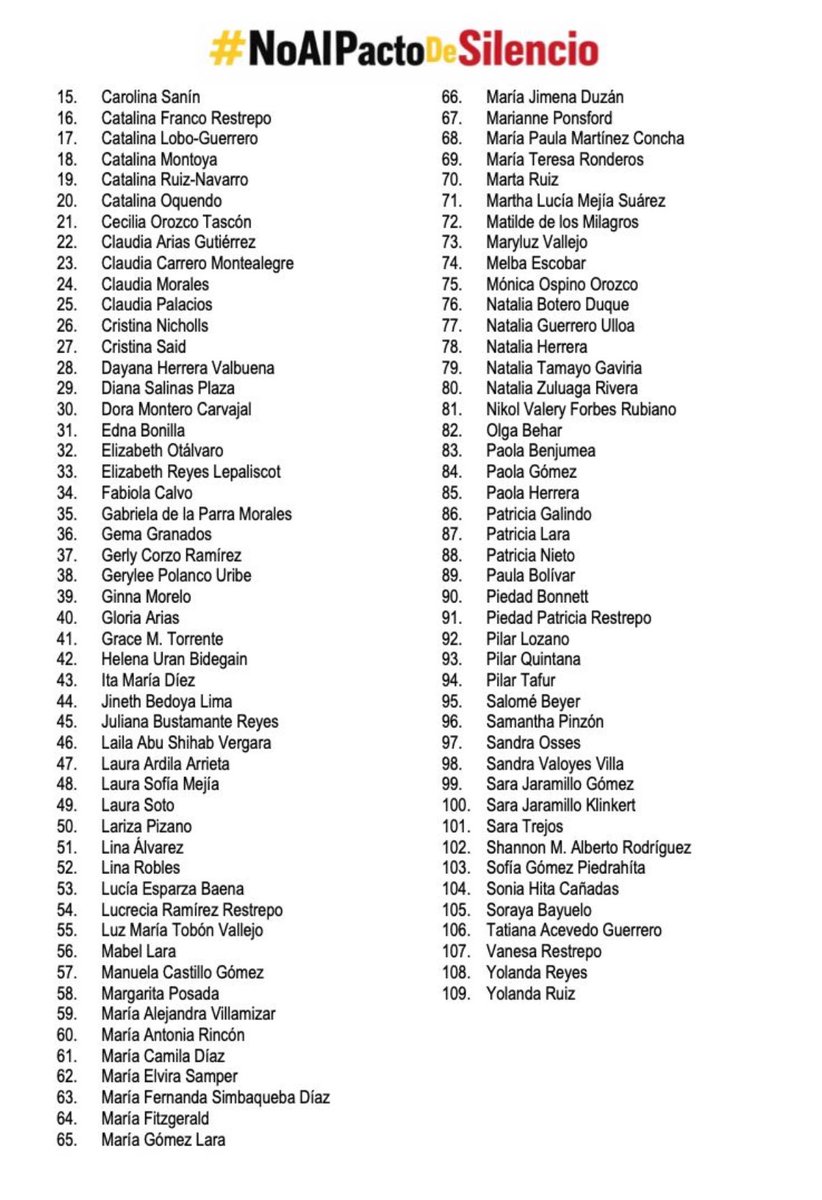
Es más fácil para un hombre desprestigiar a las mujeres que lo cuestionan que responder por sus propios actos.Somos 109 mujeres las que insistimos que @AndresPastrana_ responda estas 20 preguntas sobre su relación con Epstein y Maxwell durante su gobierno. #NoAlPactoDeSilencio
They were girls who went to school to learn, with hopes and dreams for their future. Today, their lives were brutally cut short.
I am heartbroken and appalled by the U.S. and Israeli strikes on Iran, including reports that a girls’ school in southern Iran was hit, resulting in the injury and death of many girls. The killing of civilians, especially children, is unconscionable, and I condemn it unequivocally.
My heart is with the children, families and communities affected by escalation across the region. I stand firmly against violence and the targeting of schools and civilians. I call for the escalation of violence across the region to end. Justice and accountability must follow. All states and parties must uphold their obligations under international law to protect civilians and safeguard schools.
Every child deserves to live and learn in peace.
Rest in Peace Willie Colón 🕊️
A towering voice in Latin music, a cornerstone of the Fania All Stars, and an architect of a sound that defined an era and reshaped generations. Forever in the music.
GLOBAL SUMUD
FLOTILLA:
La decencia, la solidaridad, la empatía, todo lo bueno del ser humano pone proa a Gaza, para romper el bloqueo y denunciar el Genocidio israelí contra los palestinos. La gente siempre por delante de nuestros gobiernos.
Free Palestine! ⛴️✊🏽🇵🇸
Did you know Cornrows were used to help enslaved people escape slavery? They used cornrows to create maps to leave plantations. It’s most documented in Colombia where Benkos Bioho, came up with the idea to have women create maps & deliver messages through cornrows.
A THREAD.
🚨 1 de cada 3 mujeres sufre violencia, muchas veces a manos de su pareja. No es un simple dato, es una tragedia a la que debemos poner fin.
@ONUMujeres exige leyes más firmes para erradicar la violencia de género. 🔄📢 ¡Que este dato no pase desapercibido!
a fanatical Zionist asks Chomsky if he believes Iran having a nuclear program is an existential threat. Chomsky replies: No, the existential threats to the region and humanity are Israel and the US