Paciente critico: no permitir que pacientes con < 50mmHg de presión diastólica y presión de pulso > 25 mmHg permanezcan > 25 minutos sin vasopresor
Peor caso diastólicas < 40 mmHg por mas de 25 min
Si la presión de pulso < 25 mmHg descarte hipovolemia
https://t.co/25ZIhnltgo
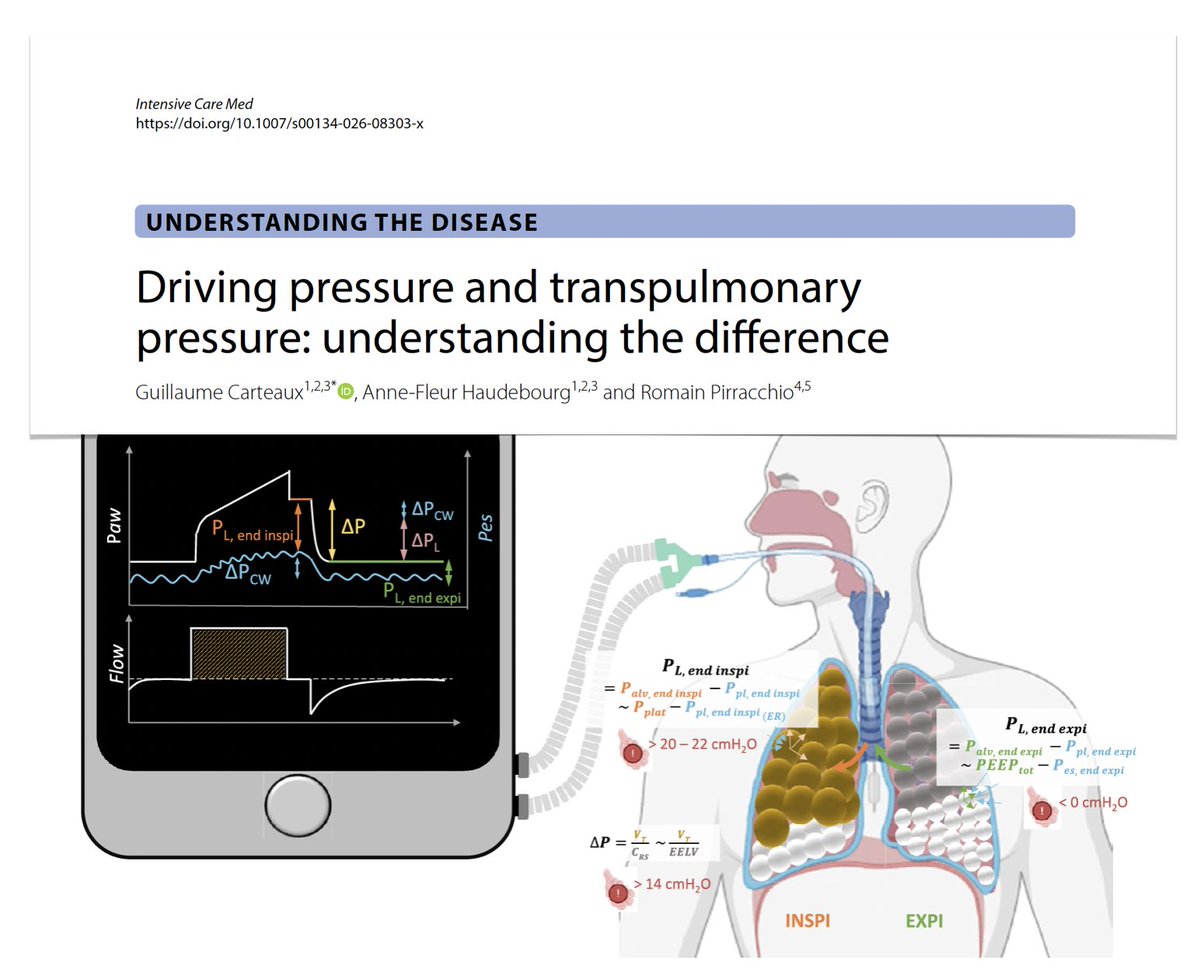
Driving & transpulmonary pressure, understanding the difference:
🫁 ΔP? in patients receiving controlled MV without spontaneous breathing efforts, can be measured at the bedside as Pplat - total PEEP; represents the elastic pressure required to inflate the respiratory system (ΔP = VT/CRS)
🫁 transpulmonary pressure corresponds to the transmural pressure across the lung: PL = Paw - Ppl (Ppl cannot be directly measured in clinical practice
-> is approximated by Pes). Under static conditions PL = transalveolar pressure
🗝️ key advantage of PL vs ΔP is that it allows to distinguish lung mechanics from chest wall mechanics.
ΔP & PL provide complementary insights into the mechanical forces contributing to VILI. ΔP enables individualization of VT according to the size of the “baby lung”, whereas PL offers a framework to personalize PEEP titration. Open access #FOAMcc
🔓 https://t.co/bKA4iePrHB
Google acaba de soltar una locura para papers.
Se llama PaperBanana y convierte tu texto de metodología en ilustraciones académicas listas para publicar. Lo potente es el “cómo”.
Detrás corre un mini equipo de agentes. Uno busca buenos ejemplos de diagramas, otro arma la estructura, otro define el estilo, otro genera la imagen y otro la critica hasta que quede decente.
Ya solo falta que la tesis también se defienda sola.
🧵 What drives blood flow – the heart or the vessels?
Eminent physiologists have argued this for decades.
The disagreement survives because of imprecise causality.
Here’s the resolution 👇
🚑 Simple way to differentiate types of shock — no Echo expertise needed!
1️⃣ Get Apical 5-chamber view
2️⃣ Place PW Doppler in LVOT (1 cm above AV)
3️⃣ Trace LVOT VTI
4️⃣ Follow the algorithm based on VTI 📉📈
Ref: https://t.co/m009o66qau
📊 Research Summary: Personalized resuscitation targeting capillary refill time modestly improved organ support–free days and composite outcomes in early septic shock, but showed no difference in mortality vs usual care.
#LIVES2025@ESICM
https://t.co/HT2pxrAT3F
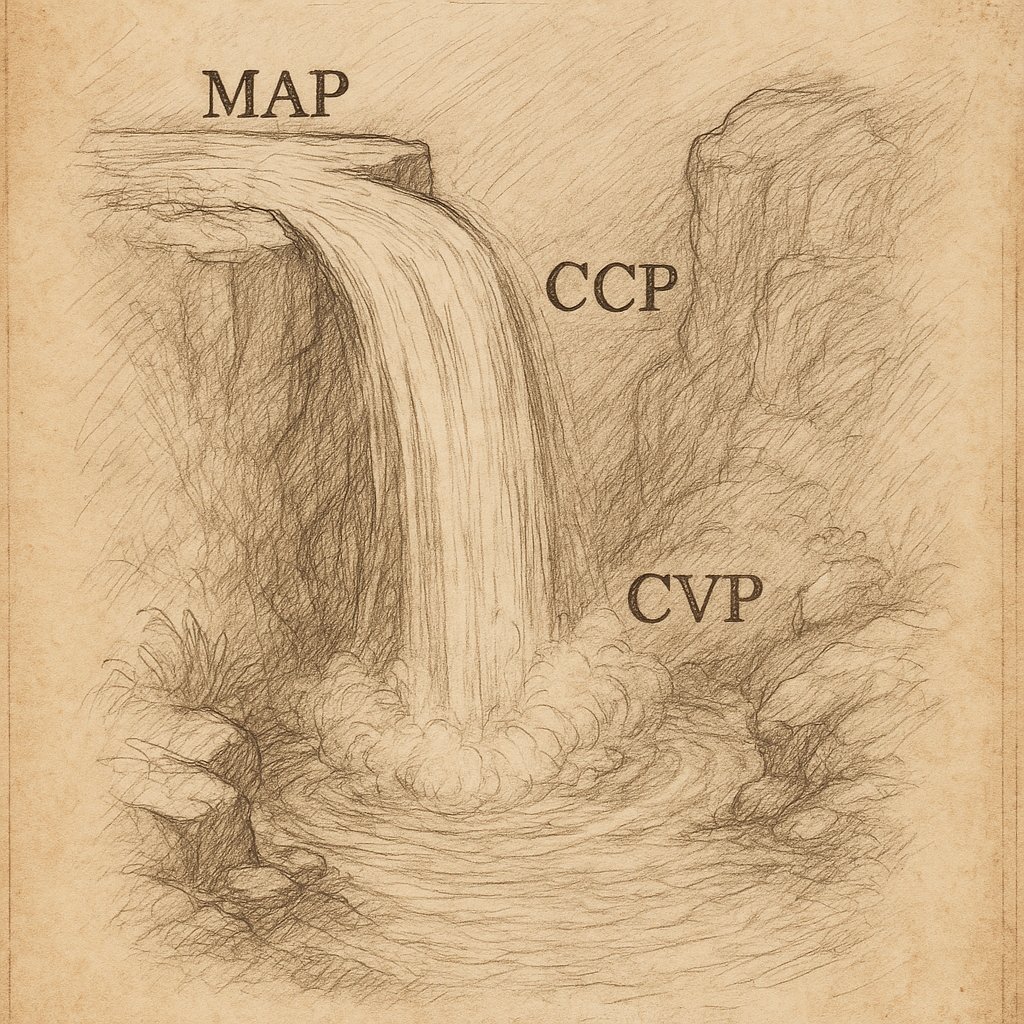
🧵 What is Critical Closing Pressure — and why does it matter for perfusion?
A thread to clear up one of the most misused and misunderstood ideas in circulatory physiology.
👇
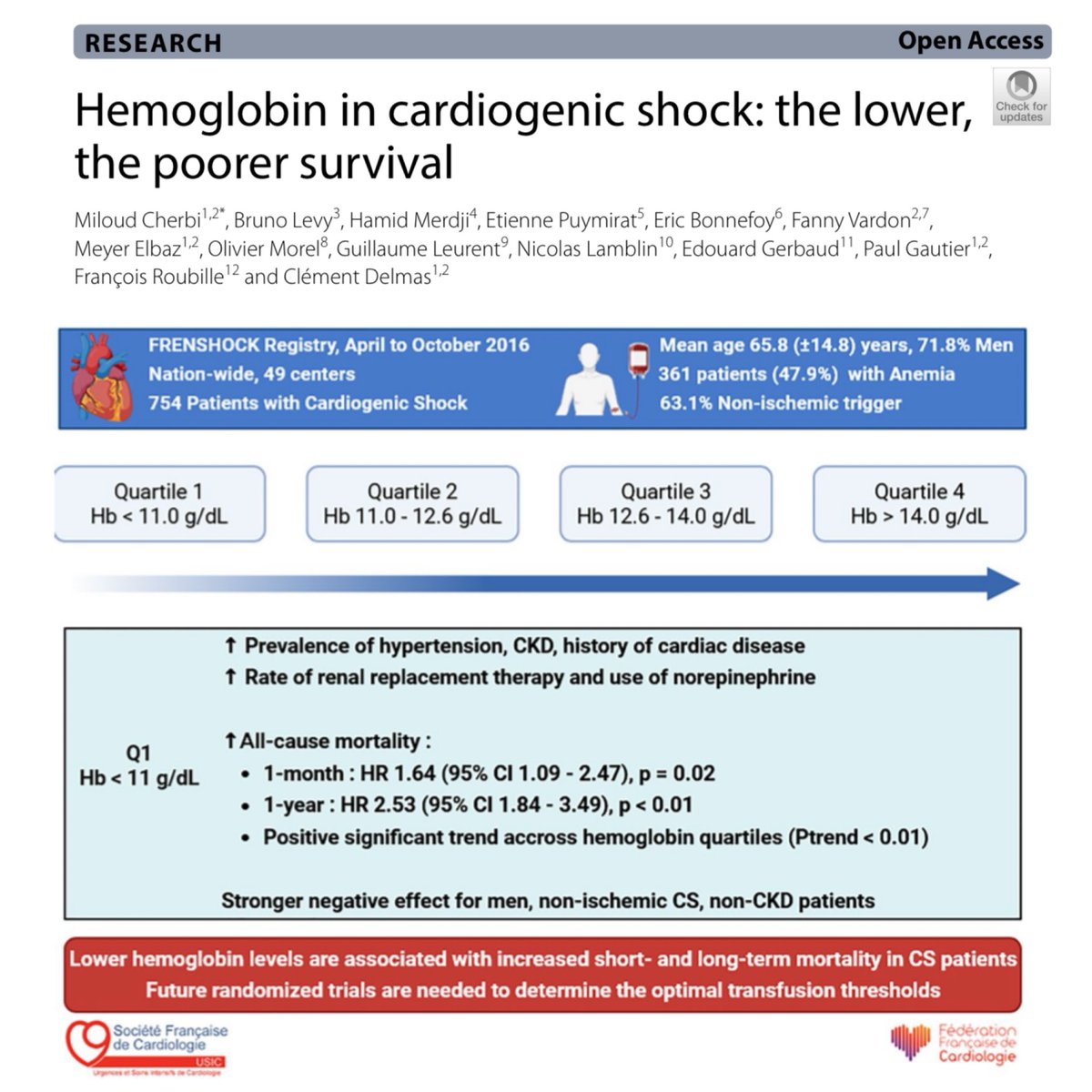
Anemia on admission tells us a lot about the patient's baseline, but it makes a dramatic difference in outcomes in cardiogenic shock. Hb < 11 = 64% increase in 1-month mortality. 🎩 tip to the authors.
https://t.co/Sfr6vCn6le
How do we distinguish DIC vs. cirrhotic coagulopathy?
A new ISTH SSC communication reviewed the overlap and distinctions between disseminated intravascular coagulation (DIC) and cirrhotic coagulopathy in patients with cirrhosis.
#DIC#platelet#cirrhosis
https://t.co/S1ZdDIrMWr
🏥⚕️Caring the 🧠 of our surgical 😷 patients!!
Cerebral oximetry in high-risk surgical patients: where are we? @CO_CriticalCare
Just published! 💫
🆕 proposed algorithm!
DOI: 10.1097/MCC.0000000000001204
🔝friends and colleagues
@rosalianavarro_@romero_nekane@chiara_robba
Superficial parasternal intercostal plane block (SPIPB): Anatomical landmark-guided technique
📢Excited to share our recent publication from the September 2024 issue of @IJA_web, where we described the Anatomical Landmark-Guided technique for SPIPB!
https://t.co/FwipWPEl16
📺💉While ultrasound-guided SPIPB has already demonstrated its effectiveness in providing analgesia and reducing opioid consumption in breast surgeries (as a supplementary block), cardiac surgeries-midline sternotomy, sternotomy wound debridement, and sternal fractures, this single/multiple level landmark-guided approach offers an accessible alternative in settings without ultrasound availability.
💡This technique could revolutionize pain management by offering a reliable, safe, and simple alternative to subcutaneous infiltration.
😍 Looking forward to seeing this technique make a significant impact in clinical practice, especially in resource-limited environments! 🙌💉
@ASRA_Society@ESRA_Society@ESRA_trainees@AoraIndia@BelgianBara@RegionalAnaesUK@aosra_pm@canestezi@SerkanTulgarMD@EMARIANOMD@MadanNarayanan@TheIntubator@Ropivacaine@rosie_hogg@ashwani_doc@chandra_ri64999@DebeshBhoi@L_D_White@anesthesiadocmd@Nadia_Hdz_MD @
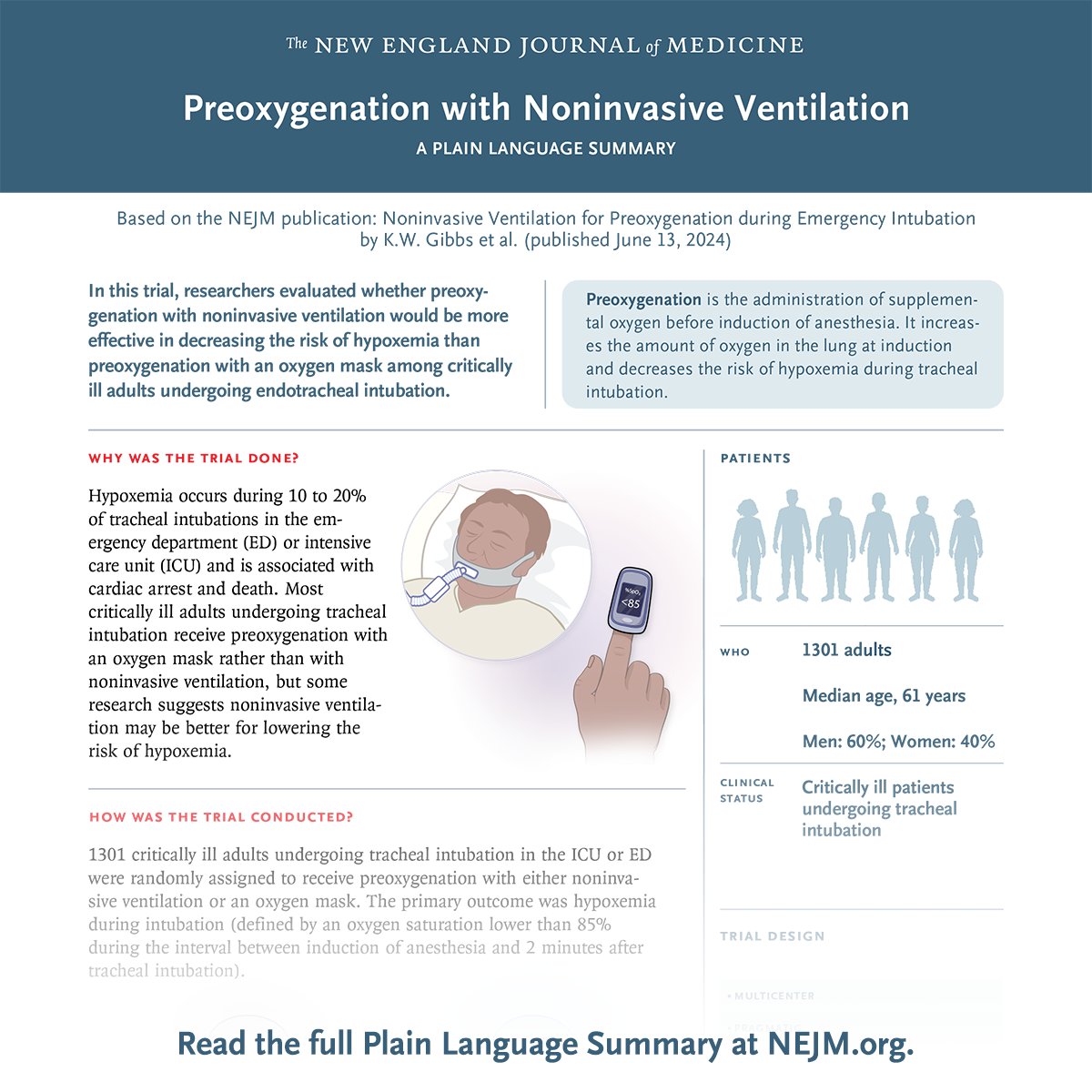
PREOXI trial: Researchers evaluated whether preoxygenation with noninvasive ventilation would be more effective in decreasing the risk of hypoxemia than preoxygenation with an oxygen mask among critically ill adults undergoing endotracheal intubation. https://t.co/4C2TS0VA6c
Prolonged VA #ECMO after cardiac surgery
⏱️run 0-3 days 32.1%, 4-7 38.3%, 8-10 13%, >10 16.5% (nearly 30% >7 days)
⏳long-term post-discharge prognosis comparable to PC ECMO with shorter run
↪️ U-shape curve of mortality & #ECLS duration observed: lowest morality if run 4–7 days, higher if > 10 days; longer run (> 7d) also associated with complications
Decision to continue vs cease PC ECMO complex: critical reevaluation should be performed after ± 7 days, and multidisciplinary teams should take age, type of surgery, comorbidities, complications, and patient values.
@CritCareMed #FOAMecmo #FOAMcc
🔓 https://t.co/JgEdR0yKTO
👉 Prospective, Randomized Study of Fibrinogen Concentrate Versus Cryoprecipitate for Correcting Hypofibrinogenemia in Cardiac Surgery Patients
✅Fibrinogen Concentrate had similar effectiveness with lower cost, higher purity, and ease of handling. https://t.co/hbY26KSl1W
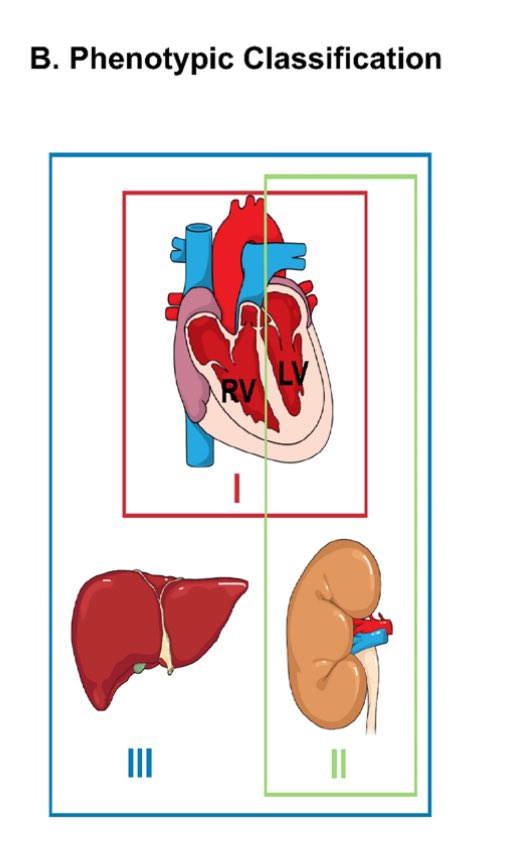
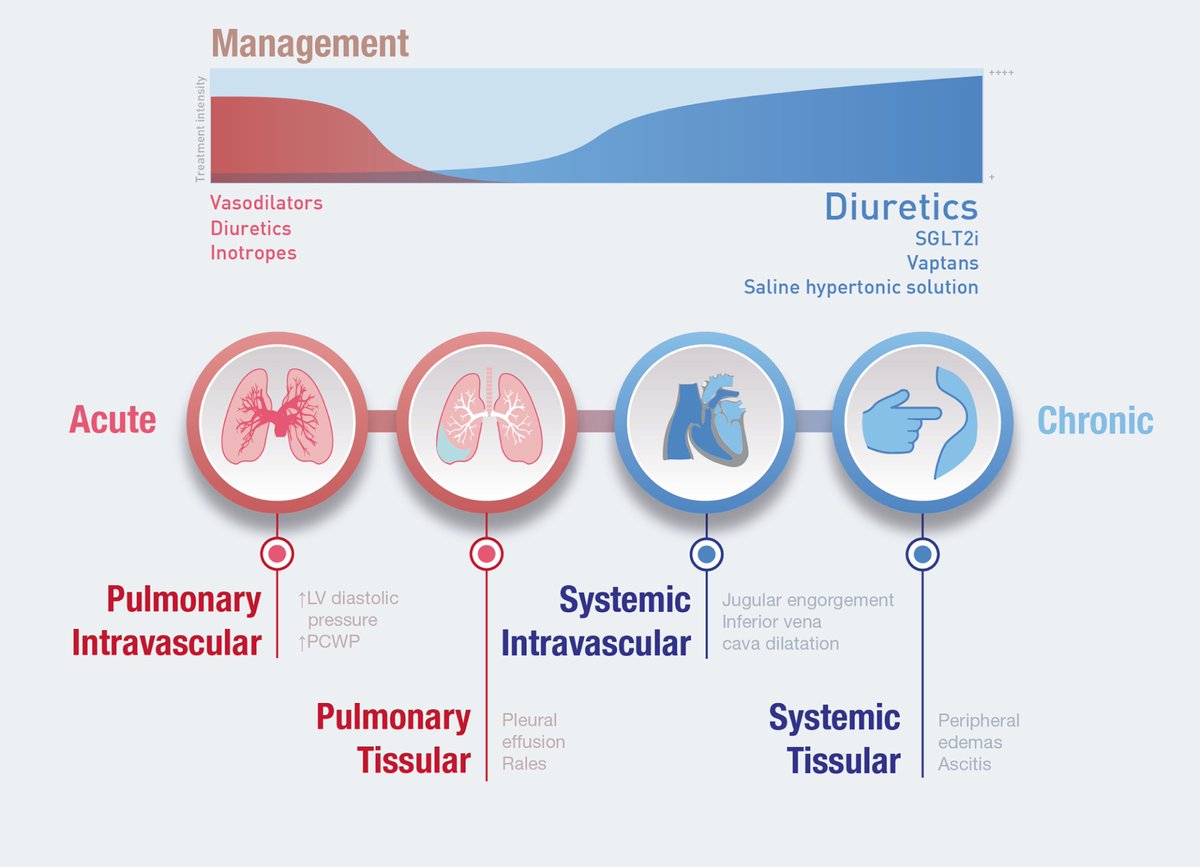
Congestion phenotypes. Time onset, utility of circulating biomarkers, and potential therapeutic implications.
🔗 https://t.co/RGcpBvm7Gi
#FOAMed#MedEd#POCUS#Nephpearls
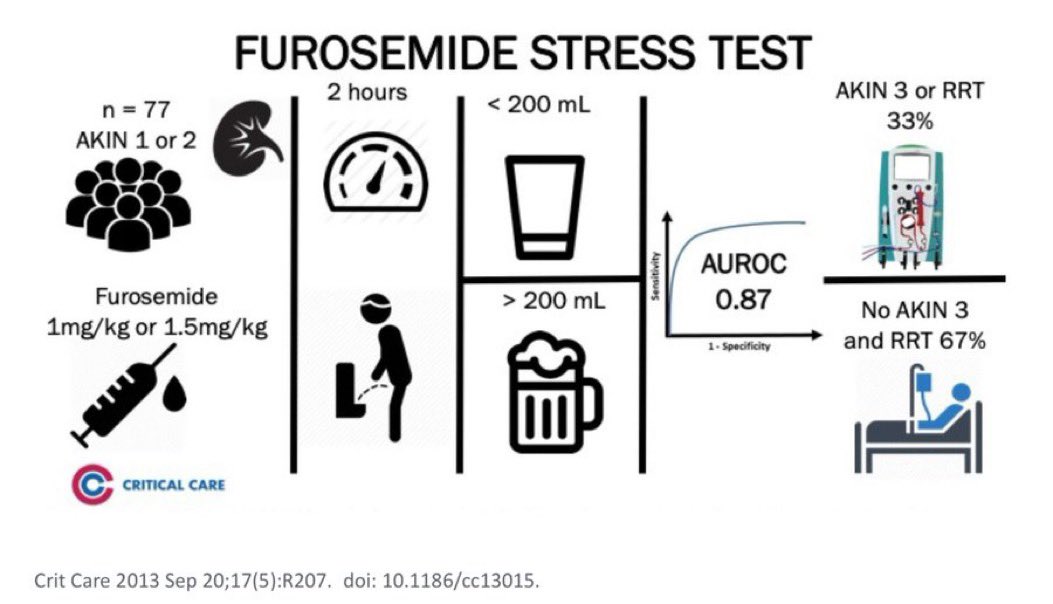
Everything you need to know on the furosemide stress test ‼️in the ICU #IFAD2023 via @JohnProwle
▶️1mg/kg bolus furosemide IV
▶️Wait for 2 hours
▶️If UO > 200 ml, then the test = passed ✅
▶️and less risk for AKI
▶️and more kidney reserve