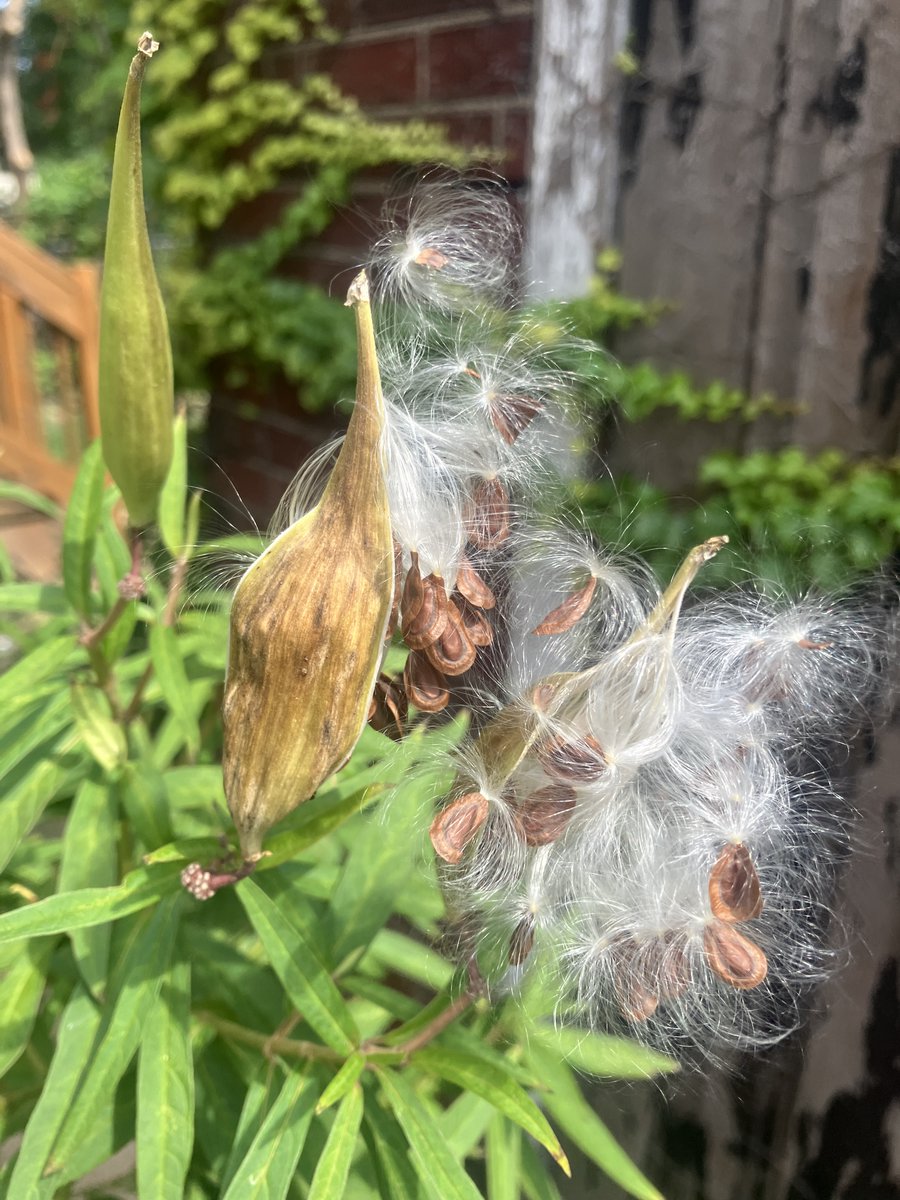
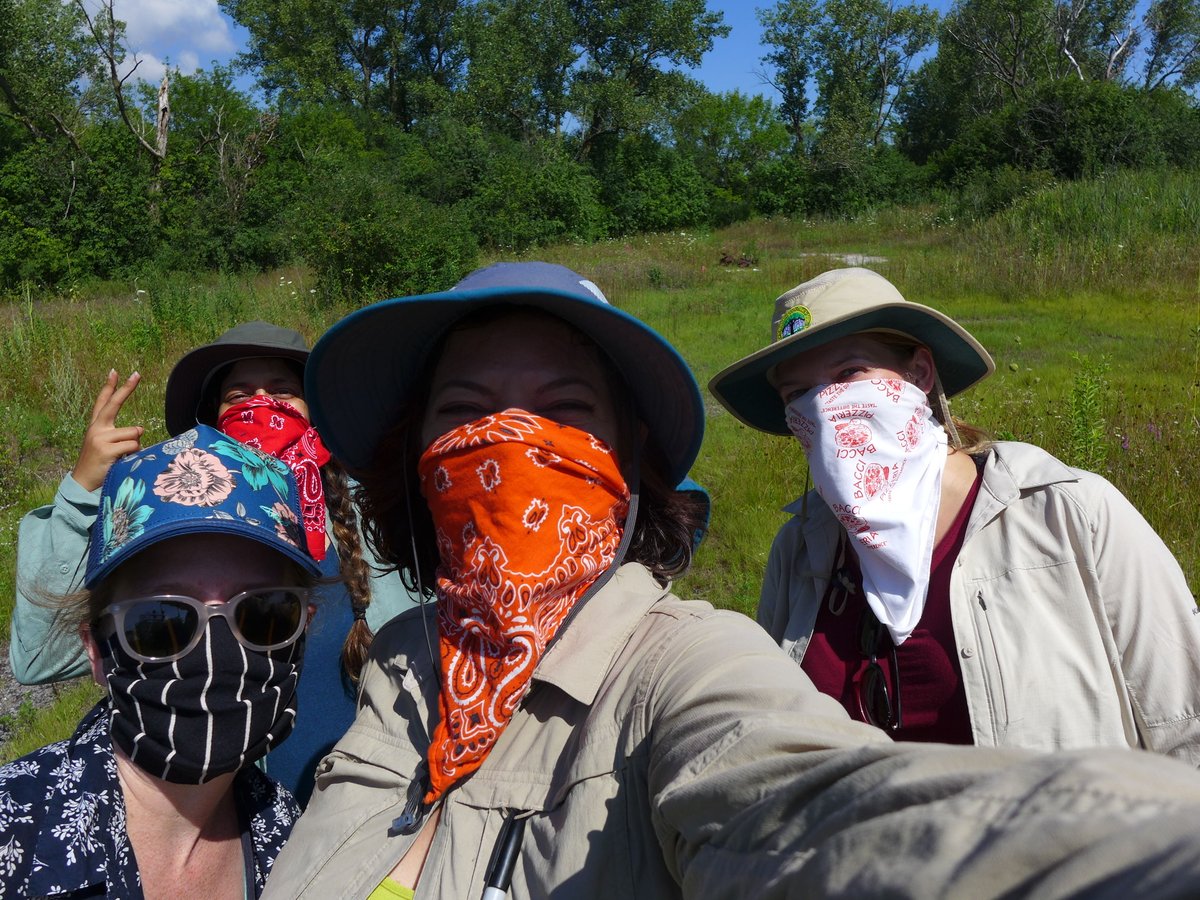
Love spontaneous urban ecosystems on post-industrial slag-dominated sites? we do too (@lglyndal+laura merwin+me) - you can read our #openaccess opinion piece published in @SERestoration about why these sites should be considered ecologically valuable.
https://t.co/pDAyYs0CMM
relevant to your #slag interests! I had no idea this was possible - bt spontaneous ecosystems and carbon sequestration, slag may be an amazing conservation & sustainability tool!
https://t.co/PikvUo1dT8
@ChiLastRespondr@Eric_Erins further south around Lake Calumet and eastwards is where you'd find the remaining pieces of the wetland complex that extended into NWI.
@ChiLastRespondr@Eric_Erins interesting, do you mean area that's hatched in the lower right hand corner? that's all landfill/US Steel Southworks, not wetlands. The Bush would have been on the lakefront- until USX filled in the lake as they made their own land and mill larger.
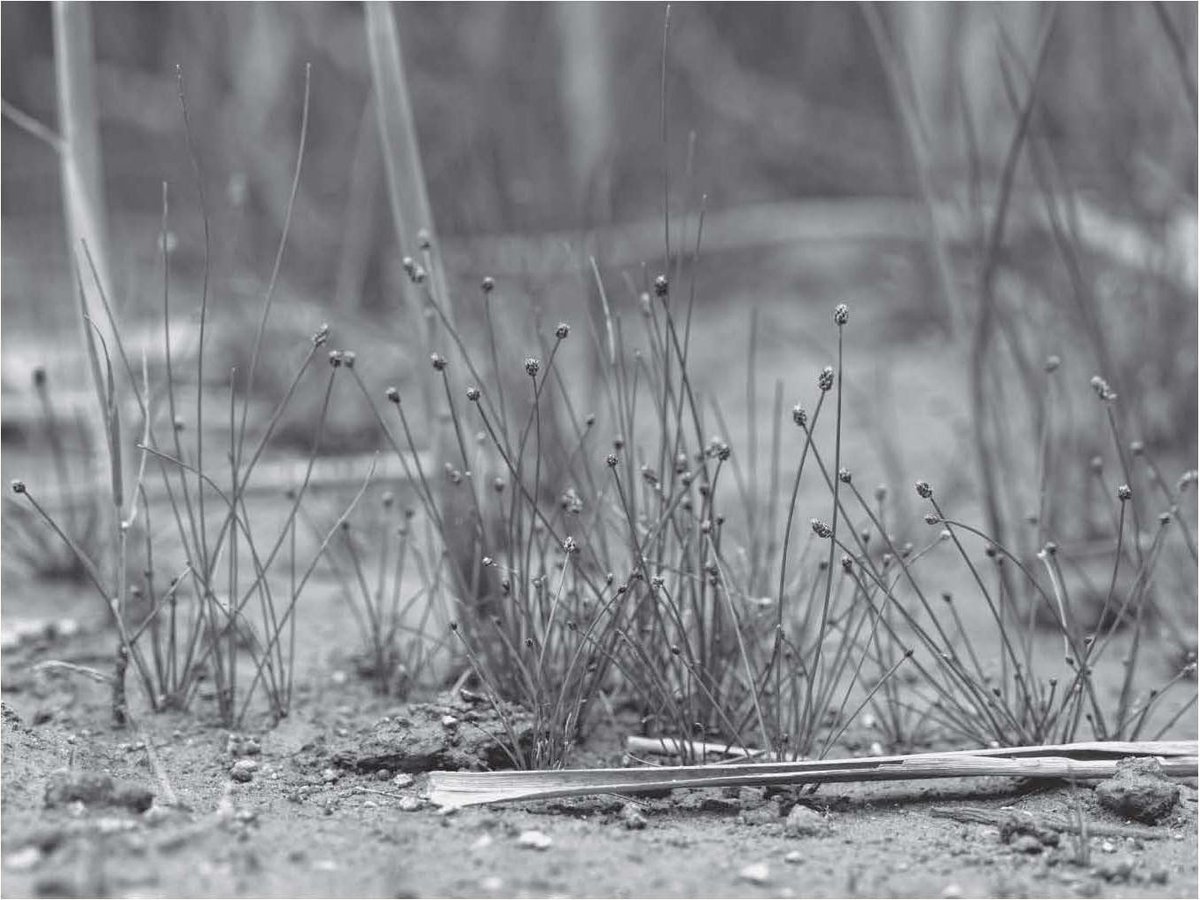
*Extirpated species alert!* Led by botanist Nathanael Pilla, we found a plant species on the Southeast Side of Chicago last cataloged in the 1800s! The Calumet slag barrens are amazing sites of diversity.
Check it out (link in reply): The Rediscovery of Eleocharis geniculata
Hello friends! It's been a while, but we're back.
We are sure you all have many questions for us, and we hope to answer them in the coming weeks. In the mean time, for more information, visit our website: https://t.co/z5QBV9Me5Z
#500WS#500WomenScientists
check out this lovely article by Sheryl Devore about the historic #RainbowBeach, its vibrant Victory Garden, and the natural area, full of native plants at RBD! https://t.co/luPsaAx9b6
Facing stress and struggles? A reminder that plant carnivory evolved independently at least a dozen times in response to environmental challenges. Difficult problems can lead to innovation and great beauty. Be the sundew.
An interesting essay on the applicability of one of the more influential books in my life, Edwin A Abbott's Flatland, to climate change https://t.co/1UGtuHdO4p via @edgeeffectsmag
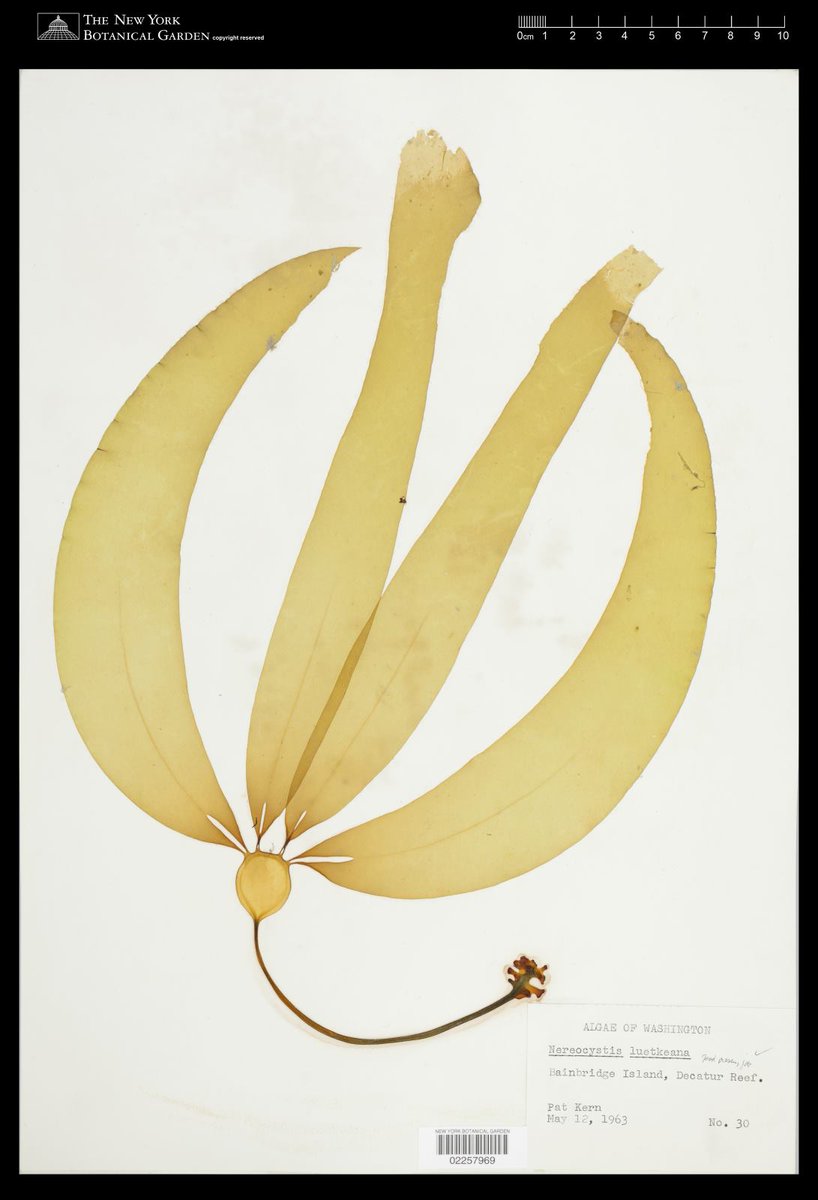
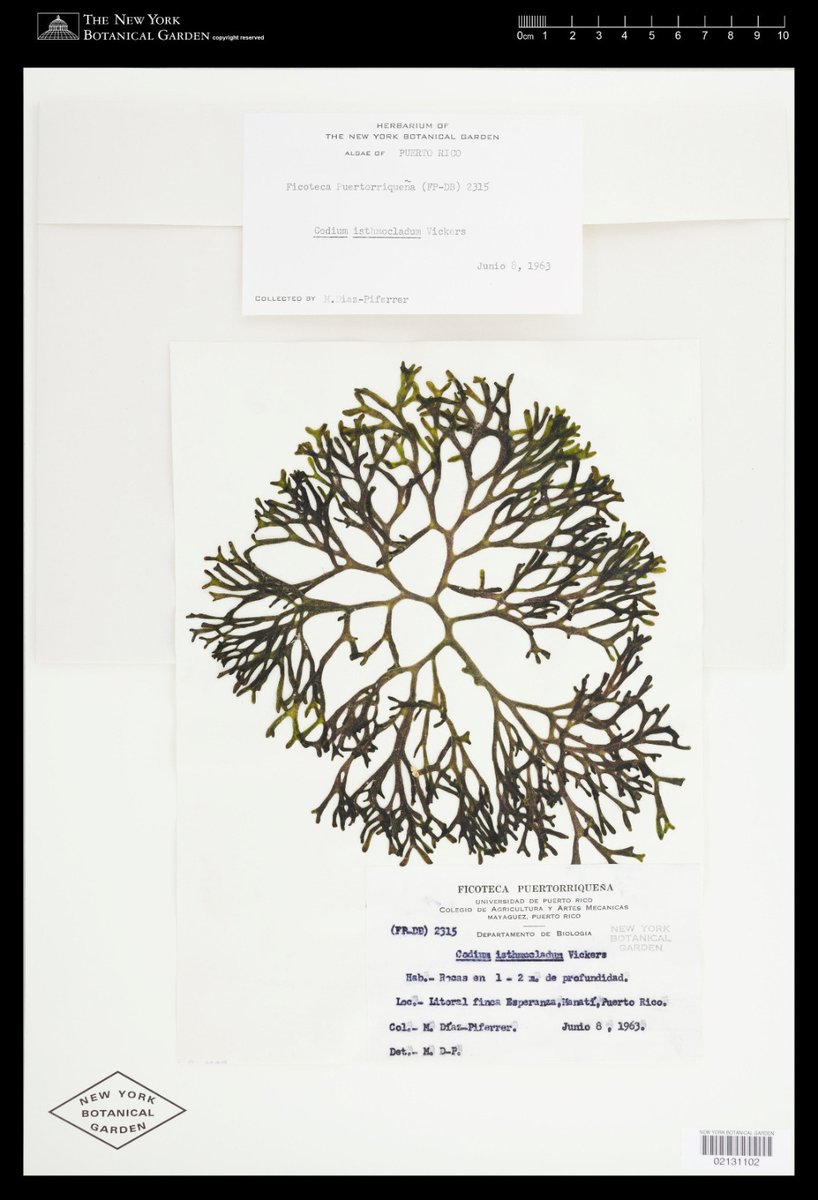
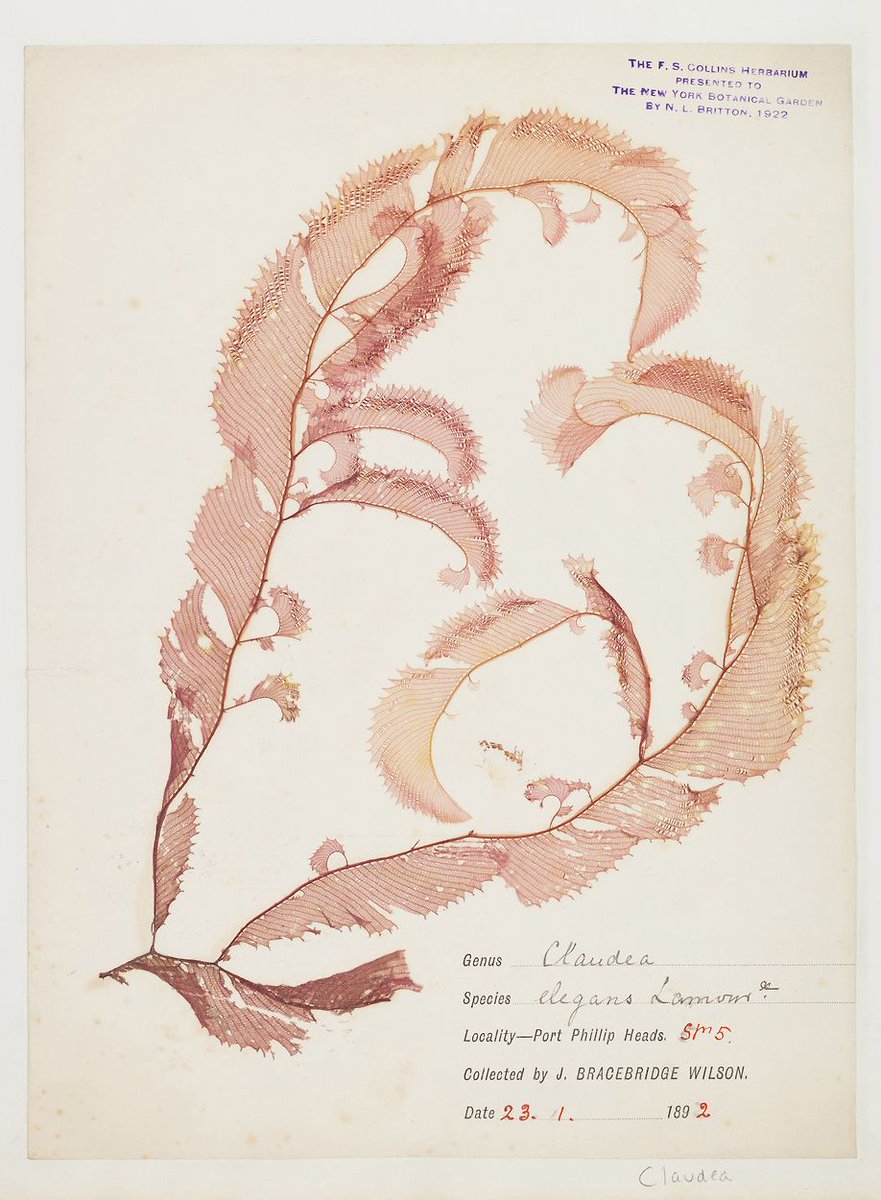
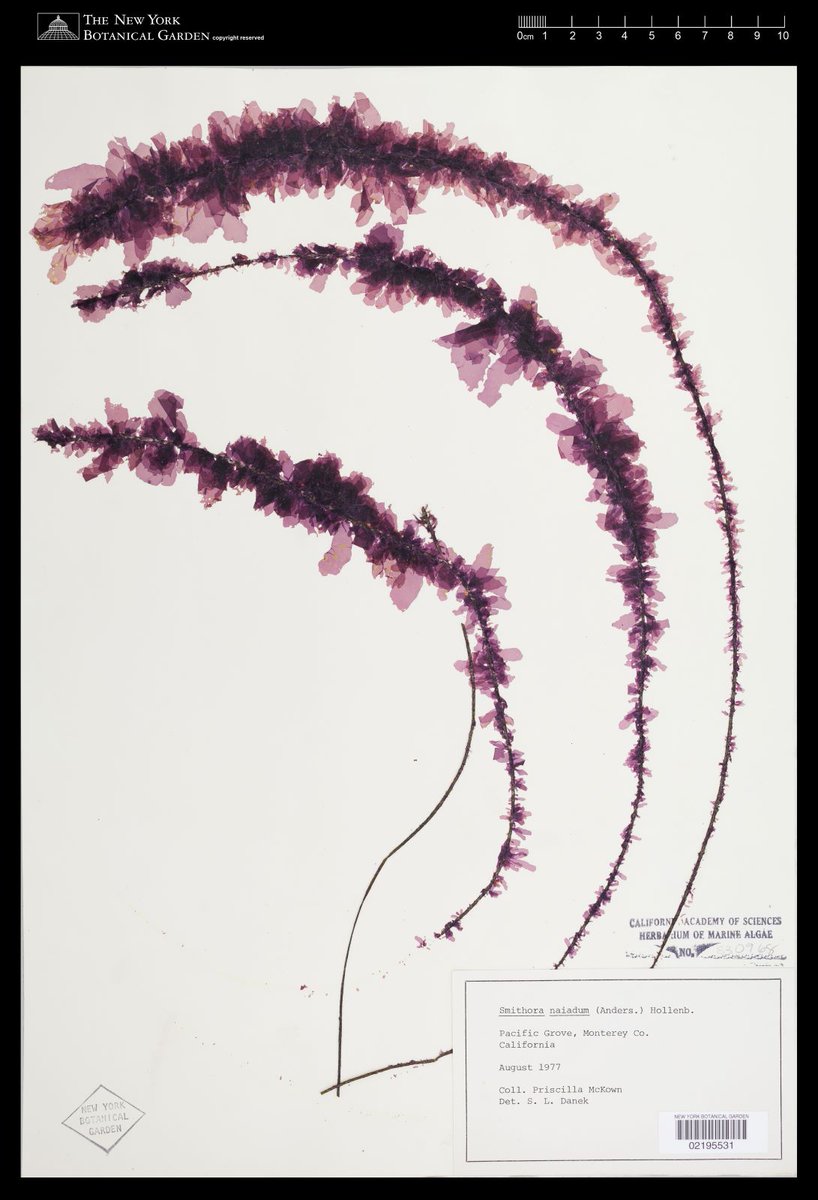
Did you know that NYBG's Steere Herbarium has one of the best collections of #algae in the world? In fact, our 130,896 specimens of algae include more than 10,000 species, and weigh as much as 1.5 bull African Elephants! #NYBGscience