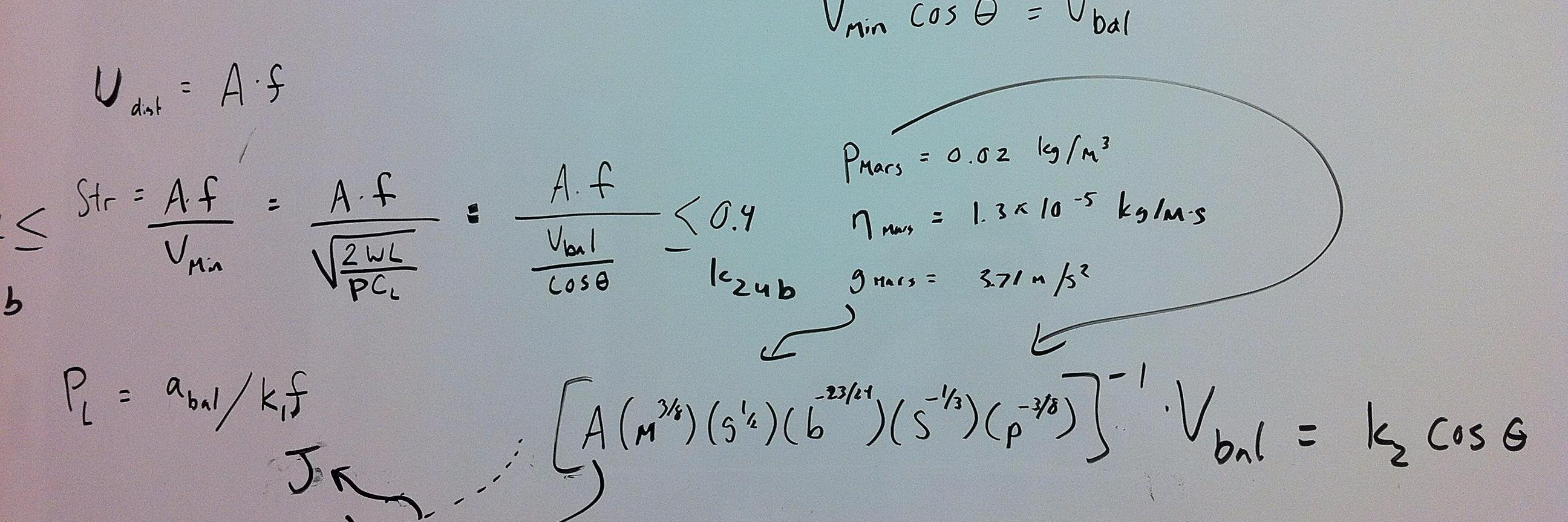
@SolitaryWendigo Yes indeed. On an average day, marine cloud street transit speed for a large Pteranodon would be on the order of 40-50mph (effective ground speed). So, they could make the 207 mile journey in a morning. They wouldn’t even be tired on arrival.
@lolacoaster They may be banking on the idea that the “parallel to our own present” was a primary point of appeal for the original books and films. To that end, FB is almost a different franchise. This has more synergy with the parks, which are major investment
@Graham_Coop @hoffsbeefs Correct: the do not eat during the trip and they are continuous flapping flyers. What they do is build up a bunch of fat, first, then burn both fat and muscle along the way. C. Pennycuick called this “burning the engine”. They land at 50% starting weight.
In case folks missed it, a new non-stop flight record was set four months ago. The godwit codenamed B6 completed an 8,425 mi (13,559 km) non-stop, flapping flight migration in 11 days. They may look cute and silly, but shorebirds are among the most athletic animals to ever exist.
@MichaelChiappo3@TetZoo@Wounded_Buffalo@jclarkepaleolab Excellent to hear! He was also one hell of an advisor. I cannot say enough good things about Dave Weishampel. One of the best human beings I will ever know. And brilliant.
@TetZoo@Wounded_Buffalo@jclarkepaleolab I am very pleased that they included the references to David Weishampel, who really started it all. And I am amused that they included my low frequency sound pulse impression.
@oliveratlantis @TetZoo This is not only not a “need”, it is undesirable. “Evolutionary taxonomy” acts as if our subjective feelings about how different things are have value.
@BrianEngh_Art Confidence isn’t all or nothing. Sure, small changes can make a difference in performance, but that’s why performance is properly modeled as a range. “At least as good as X, and no better than Y”.
@BrianEngh_Art Down with this take with the caveat that we can have some confidence about performance (especially in more constrained systems), which is different from claiming confidence in ecology. Of course, that only helps if you do the math, which is often lacking in paleontology
@Macbeth62944945@JaimeHeadden@DanPalaeon1 Also worth noting here that those are older reconstructions. Check out the updated reconstruction by @skeletaldrawing here: https://t.co/CaQuwxyvcI
Note the palmar surfaces of the fingers point anteromedial. The fingers are straight, gracile, and likely bound in a common sheath.
@Macbeth62944945@JaimeHeadden@DanPalaeon1 Birds have extensive ligaments around the fingers, as well. Remember that ligaments only load in tension, so they're not going to so much strengthen the fingers as stiffen/restrict the interphalangeal joints.
@Macbeth62944945@JaimeHeadden@DanPalaeon1 What is your reconstruction of the patagium based on? In dromaeosaurs where we have forelimb soft tissues (such as microraptorines) the fingers appear to fully bound in a patagium and not suited to grasping. Torsional strength was weak - that's easy enough to calculate.