ICYMI: Four People. Three SmallSats. Two Launches. Opposite Coasts. One Great Day for NASA! 🚀🚀
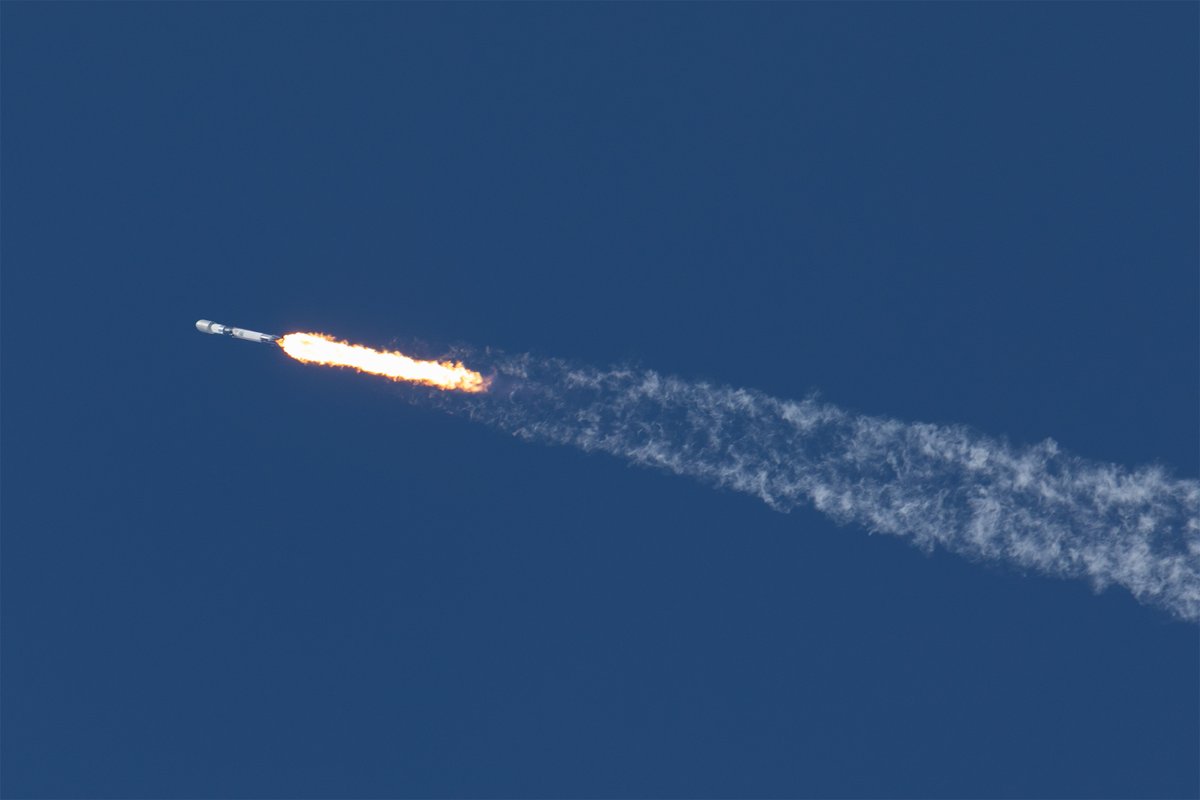
NASA teams supported two launches on Oct. 1. At 11:10 a.m. ET, the @SpaceX Crew-13 mission departed Florida for the @Space_Station, carrying @NASA astronauts Jessica Watkins and Luke Delaney, @csa_asc astronaut Joshua Kutryk, and Roscosmos cosmonaut Sergey Teteryatnikov on a science expedition to the orbital lab. Just over three hours later, three NASA SmallSats launched on SpaceX’s Transporter-18 mission from California to demonstrate new propulsion technologies, study how galactic dust and high-energy radiation move through galaxies, and advance capabilities for inspecting inactive satellites.
The three satellites were:
• APDM: ASCENT Propulsion Dual Mode CubeSat
• SPRITE: Supernova Remnants and Proxies for ReIonization Testbed Experiment
• SSPICY: Small Spacecraft Propulsion and Inspection Capability
Delta Intelligence has introduced Delta-0, a humanoid foundation model designed to help robots coordinate walking, balance, and manipulation.
Trained on more than 10,000 hours of human data, Delta-0 can perform everyday tasks such as making a bed, opening a dishwasher, picking up objects, and operating a trash can.
The system combines a learned whole body controller, simulation, human corrections, and real world reinforcement learning to improve its ability to handle complex tasks.
ICYMI: Four People. Three SmallSats. Two Launches. Opposite Coasts. One Great Day for NASA! 🚀🚀
NASA teams supported two launches on Oct. 1. At 11:10 a.m. ET, the @SpaceX Crew-13 mission departed Florida for the @Space_Station, carrying @NASA astronauts Jessica Watkins and Luke Delaney, @csa_asc astronaut Joshua Kutryk, and Roscosmos cosmonaut Sergey Teteryatnikov on a science expedition to the orbital lab. Just over three hours later, three NASA SmallSats launched on SpaceX’s Transporter-18 mission from California to demonstrate new propulsion technologies, study how galactic dust and high-energy radiation move through galaxies, and advance capabilities for inspecting inactive satellites.
The three satellites were:
• APDM: ASCENT Propulsion Dual Mode CubeSat
• SPRITE: Supernova Remnants and Proxies for ReIonization Testbed Experiment
• SSPICY: Small Spacecraft Propulsion and Inspection Capability
The Northrop YB-49 was a prototype jet-powered heavy bomber that first flew nearly 80 years ago. Edwards Air Force Base in California is named after test pilot Glen Edwards, who was killed when one broke up during a test flight in 1948.
How do you land a spacecraft that has no engines left?
That was one of the Space Shuttle’s strangest engineering challenges. After reentry, the orbiter had to descend and land as an unpowered glider, with no second chance to go around if the approach was wrong.
Its large delta wing provided the lift needed for atmospheric flight, but the Shuttle still had a much higher sink rate and steeper approach than a conventional airliner. The drag chute helped reduce speed after touchdown, taking some of the workload off the wheel brakes during rollout.
The remarkable part is that the same vehicle designed to survive orbital reentry had to transition into a precise runway landing using aerodynamic control alone.
Applications are now open for our newest class of flight directors!
Apply before Oct. 12 for a chance to lead missions to the @Space_Station, the Moon, and beyond: https://t.co/kAWf0FFI3C
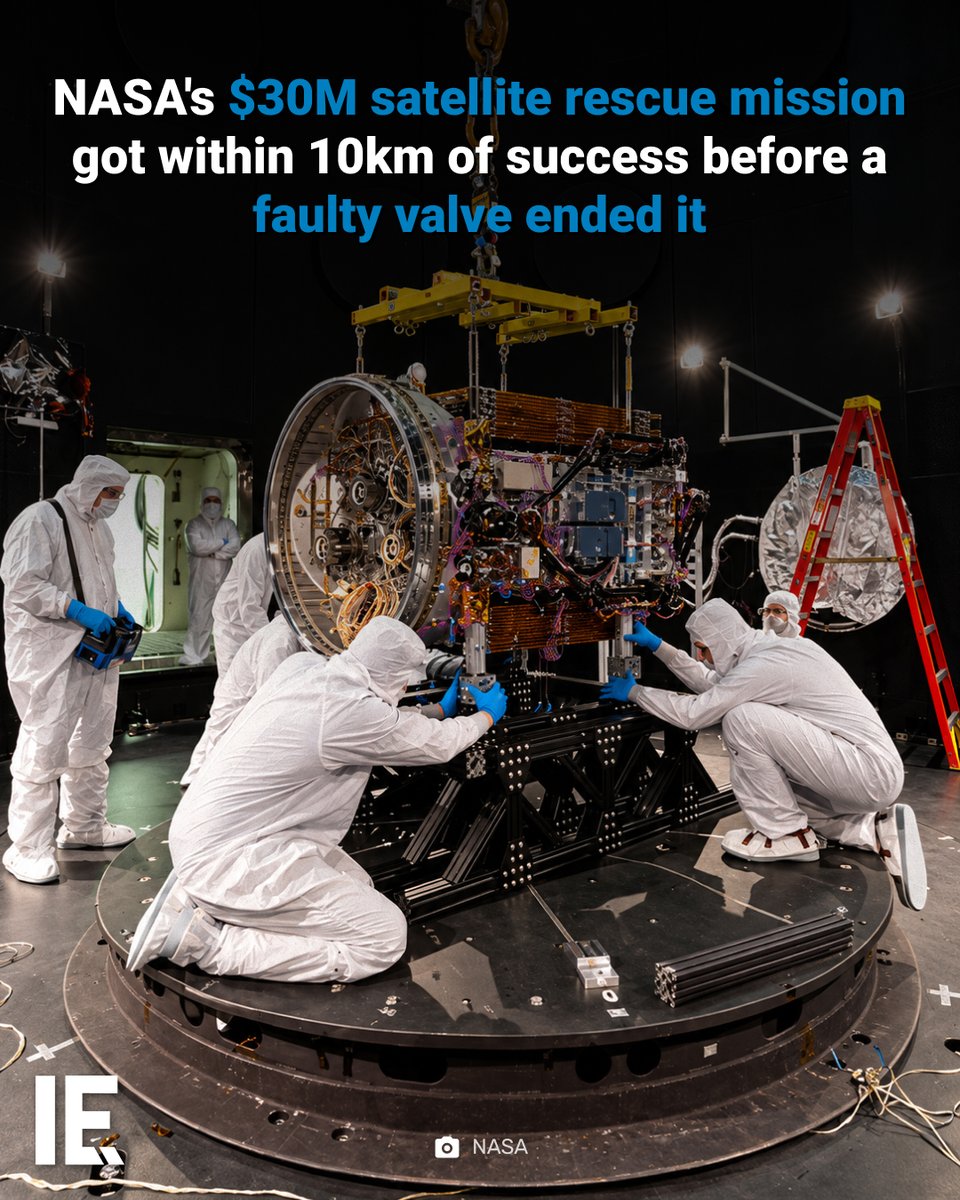
When NASA's Neil Gehrels Swift Observatory began losing orbital altitude faster than expected due to increased solar activity, the agency awarded a $30 million contract to startup Katalyst Space Technologies to build, launch, and fly a rescue spacecraft in just nine months. The resulting satellite, Link, launched July 3 and got within 10 kilometers of Swift before a faulty reaction wheel switch caused it to spin out of control. The mission was ultimately aborted in August. Despite the failure, the mission broke new ground: a half-ton spacecraft with robotic arms, electric thrusters, and deployable solar arrays was designed, built, and launched in a fraction of the time and cost of traditional government satellite programs. To buy extra time, Swift's operations team used agentic AI and "vibe coding" to reorient the observatory into a more aerodynamic attitude, extending its orbital life by several months. NASA also had to shake loose payments during a government shutdown just days after awarding the contract. "We did some really, really cool stuff. I'm absolutely gutted we weren't able to get further," said Katalyst's mission lead. Swift has briefly resumed science operations before its final reentry later this year.
Fifteen states are suing the #FAA over “insufficient evaluation of the environmental consequences of commercial drone package delivery.”
https://t.co/tIoCnTUI2c
This October, you can look forward to these sights in the night sky:
- A good look at Saturn
- The Orionid meteor shower peaks mid-month
- The Moon passes by the Seven Sisters
Learn the tricks to spotting these celestial treats: https://t.co/9N1h9v848G
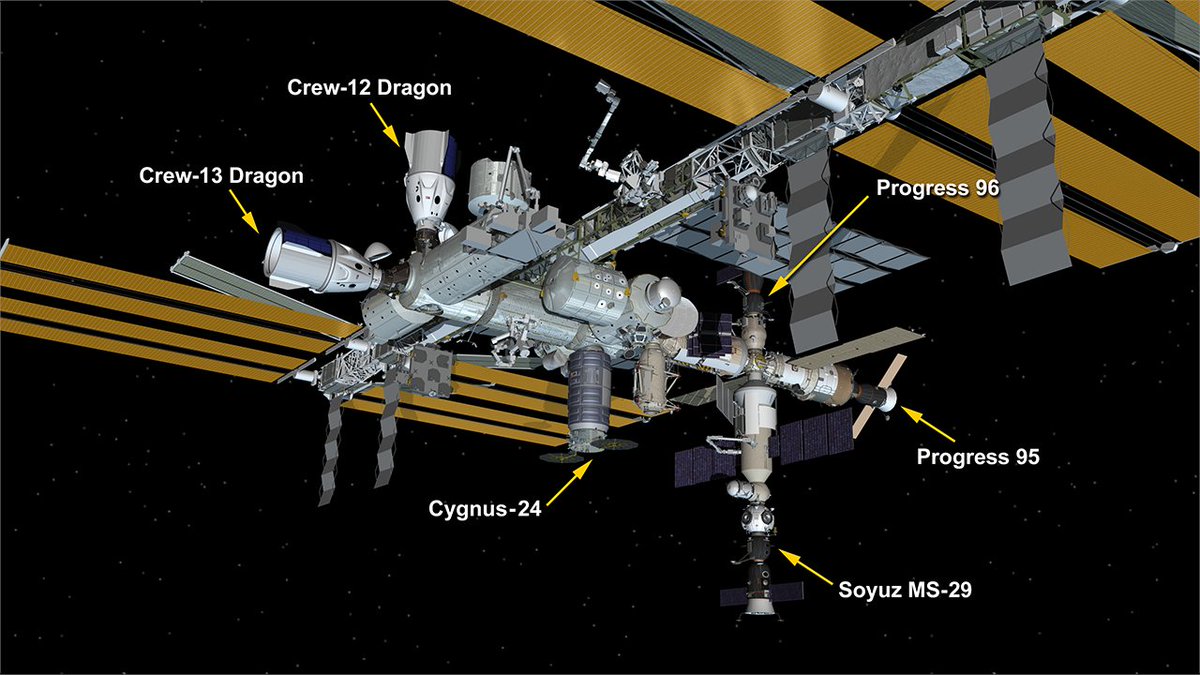
The four members of @NASA's @SpaceX Crew-13 joined Expedition 75 today bringing the total residents aboard the International Space Station to 11. More... https://t.co/u9YHEyguwf
Welcome aboard! 🙌
After nearly eight hours in flight, Crew-13 arrived at the @Space_Station, where they will spend the next several months conducting experiments on science and tech to benefit life on Earth and in space.
This October, you can look forward to these sights in the night sky:
- A good look at Saturn
- The Orionid meteor shower peaks mid-month
- The Moon passes by the Seven Sisters
Learn the tricks to spotting these celestial treats: https://t.co/9N1h9v848G
The four members of @NASA's @SpaceX Crew-13 joined Expedition 75 today bringing the total residents aboard the International Space Station to 11. More... https://t.co/u9YHEyguwf
Welcome aboard! 🙌
After nearly eight hours in flight, Crew-13 arrived at the @Space_Station, where they will spend the next several months conducting experiments on science and tech to benefit life on Earth and in space.
#OTD in 1924, the 1903 Wright Flyer went on display at the International Air Races in Dayton. For years after its first flight, the aircraft was showcased at public events. It is now on display at our Museum in DC.
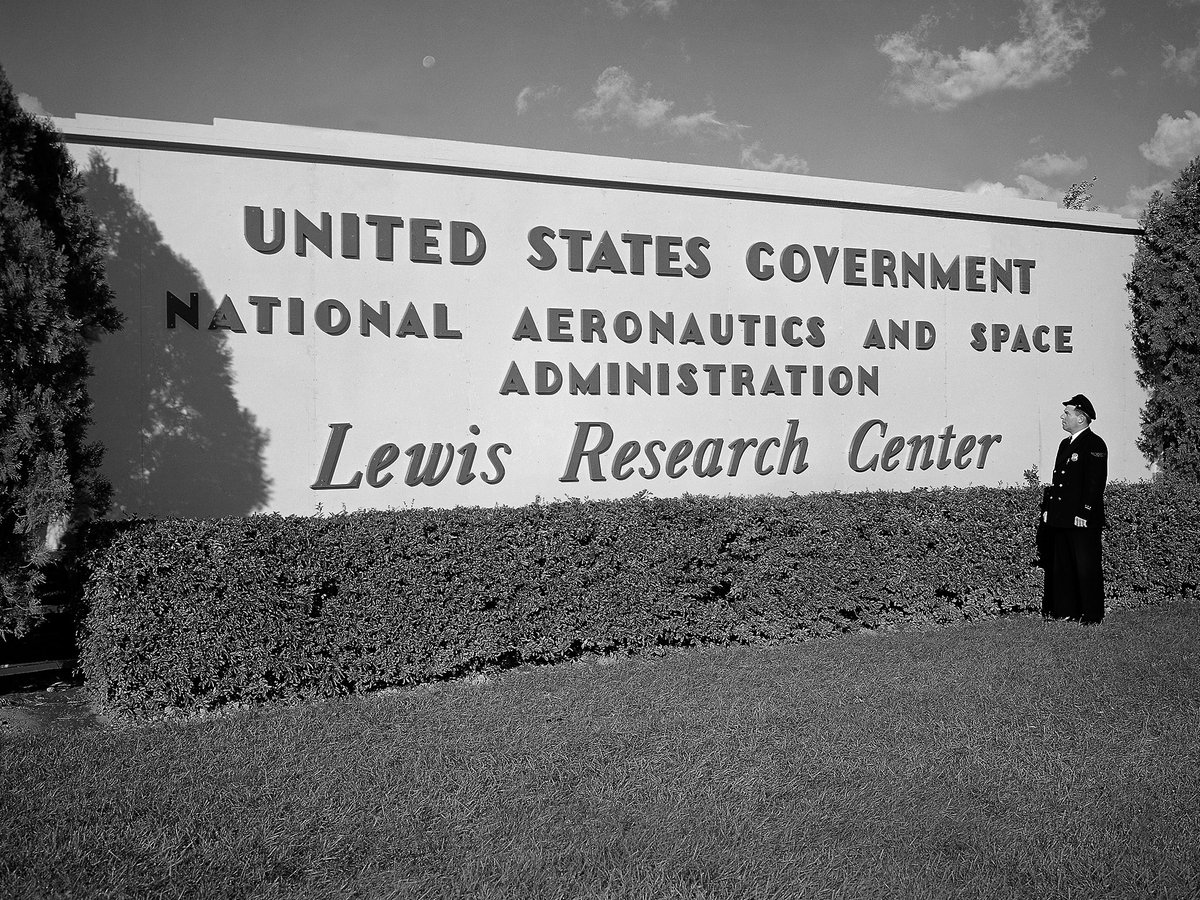
Today marks 68 years since NASA launched operations! Since Oct 1, 1958, NASA has worked to explore the frontiers of air and space, making history along the way.
And the journey is still just getting started—new chapters of exploration are unfolding in the years ahead!