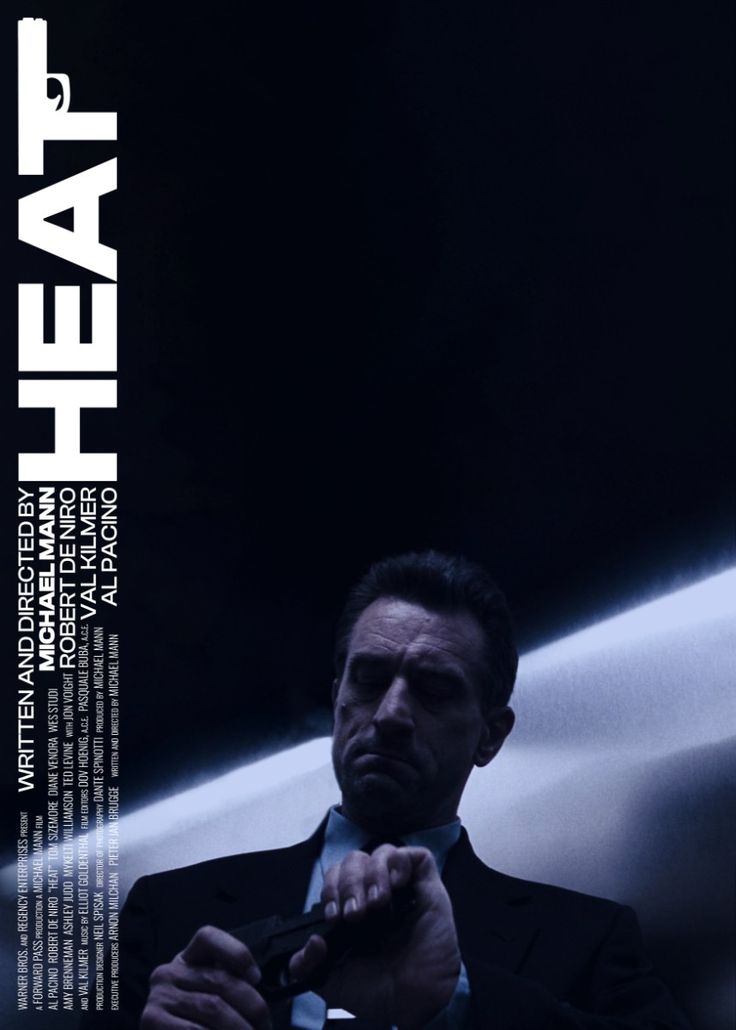
Marines y Rangers del Ejército de los EEUU han usado esta escena como ejemplo de la técnica correcta de recarga de un arma y de cómo retirarse en combate.
Val Kilmer en “Heat”(1995)
This episode of Batman: The Animated Series (1992–1995) was animated by Tokyo Movie Shinsha, the studio behind Akira.
No wonder this scene feels so close to Tetsuo’s transformation.
There's a nice narrated #VFXbreakdown for #Sinners on the Warner Bros YouTube channel, including this section on the Halo camera rig and Gaussian facial scanning workflow
Watch the full three-minute video: https://t.co/0gic9FCi5u
#VFX#3Dscanning#3DGS
Mira esta increíble perspectiva 360° de uno de los cuadros más famosos del mundo. La IA nos permite "caminar" junto a la Libertad y sentir la profundidad de la batalla de una forma que Delacroix nunca pudo imaginar.
The camera work in The Cranes Are Flying (1957) still feels impossible, watching it now you genuinely wonder how they pulled off shots like that with the tools of the time.
https://t.co/uLOuX2zG1H
A behind the scenes look at the making of the 1989 video game "Prince of Persia". Designer Jordan Mechner used rotoscoping to animate the movements of the game's characters, tracing video footage of his younger brother running and jumping (as well as video from old Errol Flynn films).
War of the Worlds VFX story is fascinating — not the three month marker all of Hollywood used after this — but the techniques they used to get it done.
1. The bridge simulation with lower resolution blocks for basic animation and later refinement — not how most of us were thinking at the time about Rigid Body Simulaton.
2. Layering cards of destruction elements in 3D compositing instead of full 3D builds — obvious now, but 3D comp was only just introduced in consumer level software a year earlier.
3. Headlight elements on 3D vehicles were actual photographed headlights, tracked to the scene by sharing cameras directly from animation with compositing — no commercial package had built that in, but ILM was doing so since Attack of the Clones. “Cheating” with the lifted element was clever.
3. The camera array driving scenes were a masterclass in how to properly build driving plates with 3D tracking. It was not the first time it had been done, but the BTS informed us all on best practices.
4. The 3D crack method with layered simulation scale voronoi noise is emulated to this day.
5. “Dusting” the victims of alien death rays was not some special, amazing 3D simulation — as is all the rage these days — but clever compositing, and very effective.
Inspirational clever work at every stage on this one, not just brute force ILM power, that made a lot of our minds expand.