@PearDeck@Wes_Kieschnick I loved learning about the formula for engagement and not starting class with "Okay, class, today we are going to..." SO timely and inspiring.
Q4: What are the challenges?
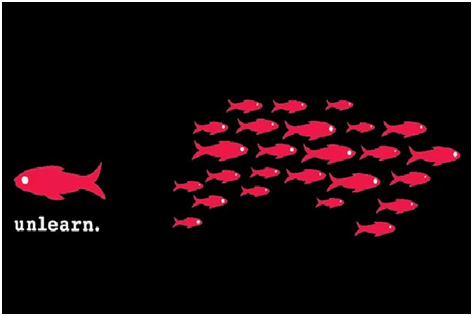
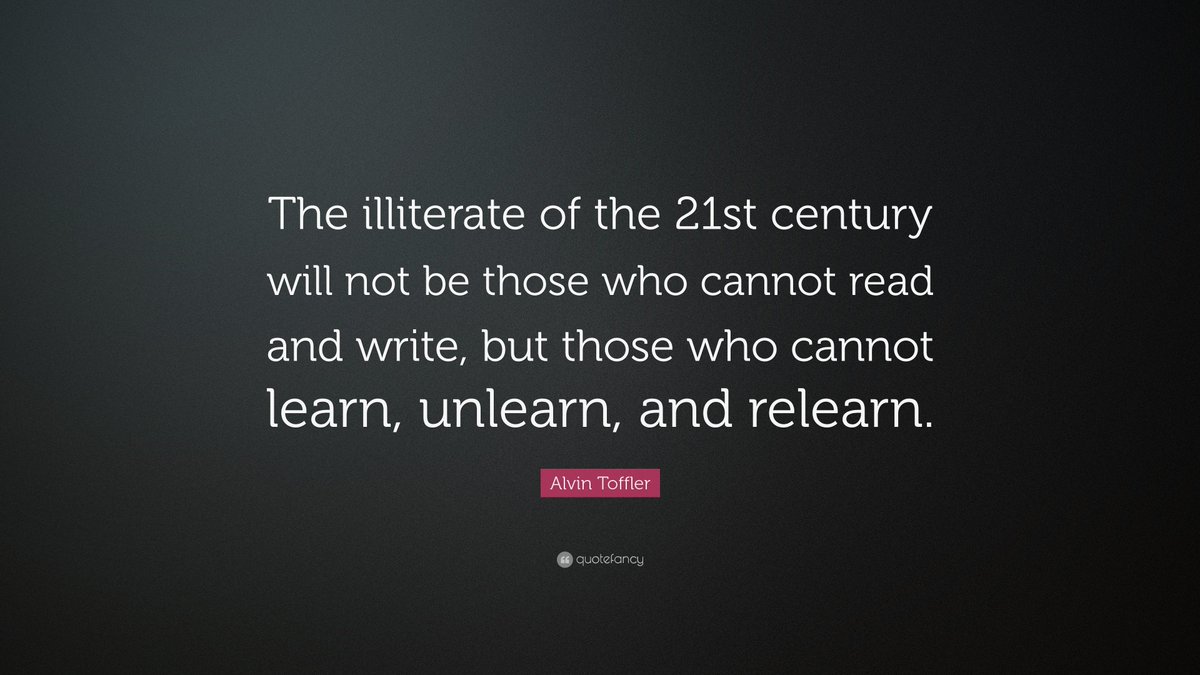
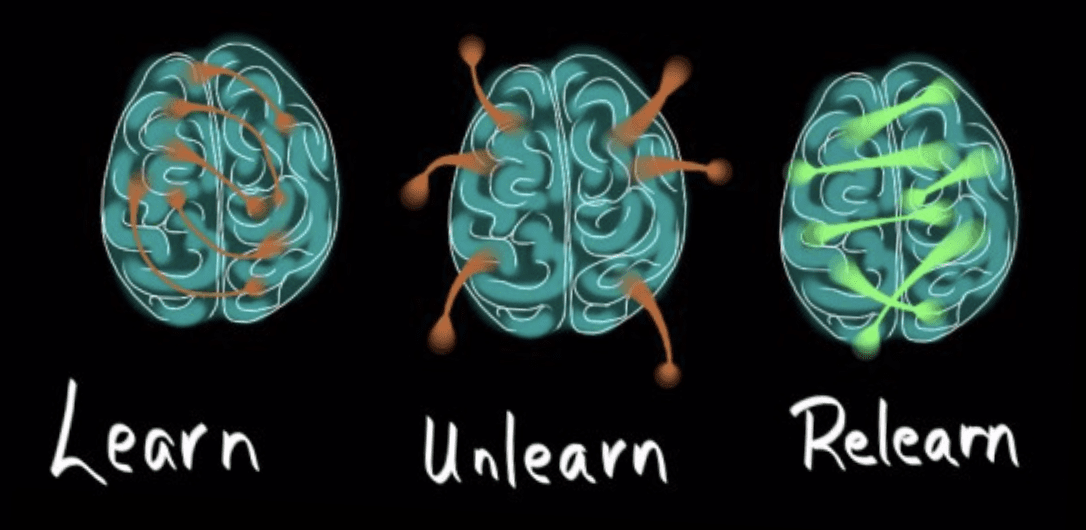
A4: DeLuca and Bellara (2013) remind us teachers are pressured to teach to the test. This mindset makes students feel like the test is all that matters. This can challenge the idea of unlearning and relearning.
PC: De Appel Curatorial Programme
Q3: What are benefits of teaching this to students?
A3: It encourages them to have a growth mindset in other areas of their life. This is proven to improve student outcomes, self-esteem, and peer relations. https://t.co/hDtxdXXeqL
PC: https://t.co/grksZ5YDMP
This blog post by Celeste Volpi compares and contrasts cognitivism & connectivism, two learning theories that can work together to improve student outcomes. The article shows how these two learning theories can be applied to real world projects. #6711SM6
https://t.co/Z74YCOpPq7
This article shows how connectivist-based learning theories can be used in a linguistic classroom to foster connections, engagement, and collaboration. #6711SM6
https://t.co/q4yxi2Loqc
From Constructivism and Connectivism to Situated Learning, here are 32 of the most common learning theories every teacher should know.
A Visual Summary: 32 Learning Theories Every Teacher Should Know - https://t.co/2rKGuTXcxy
This blog post covers the value of constructionism in online instruction. It also touches on #projectbasedlearning and some online tools that can be used with that instructional strategy. #6711SM5
https://t.co/O4BfdM1pnv
This article talks about coding and the design process in the context of constructionism. The design process is so important in #CSEd. We have to teach our students how to fail forward and the value of multiple iterations. #6711SM5
https://t.co/bQKM4XQ5So
This article talks about how dual coding theory can be used with adult learners. It specifically details how animated images are more effective than static images. #6711SM4
https://t.co/bQMKqBJUVh
This website has valuable information about cognitive learning theories, but especially about dual coding theory. I like how it gives various examples of how to use dual coding in the classroom. #6711SM4
https://t.co/Hm4qvg3rcT
These recommendations based in cognitive learning theories can help teachers more effectively encourage learning connections for their students #6711SM4
When I think of behaviorism in the modern classroom, @ClassDojo always comes to mind. By reinforcing positive behavior, teachers are able to demonstrate expectations and reward students for being responsible and kind. #6711sm3
https://t.co/i9yS0bO7nM
This article talks about the different types of conditioning between primary and upper elementary students. It asserts that younger students react more to classical conditioning, and older students see more results with operant conditioning. #6711sm3
https://t.co/2AzfIeWxoT
This blog post goes over the history of behaviorism and then shows how these concepts can be translated to the modern classroom. I liked how they described student revisions as behaviorism. I had never thought of it that way before. #6711sm3