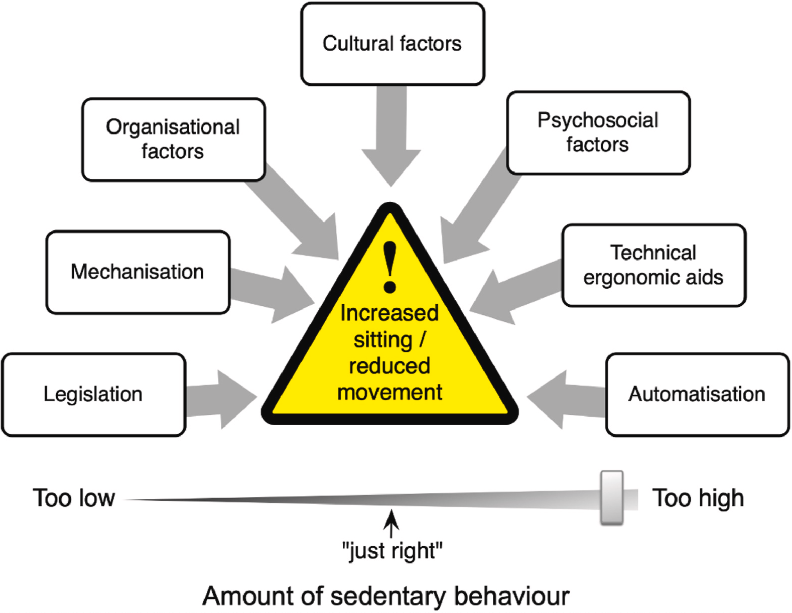
Goldilocks on trains?! That's right!🪑🛏️🥣🚄. **NEW PAPER** on drift towards sedentary rail driving & course correction to reduce chronic health/acute safety risks in a critical workforce. Published Open Access: https://t.co/YkUGPhCWJ7 @arc_gov_au@GoldilocksWork#SystemsThinking
🚨Check out our recently published paper on using a desktop simulation task to explore apply the Goldilocks Work Paradigm to job redesign! #jobdesign@GoldilocksWork@ergonomics1957
See the link below for access (50-free prints): https://t.co/32GOM9kp5z
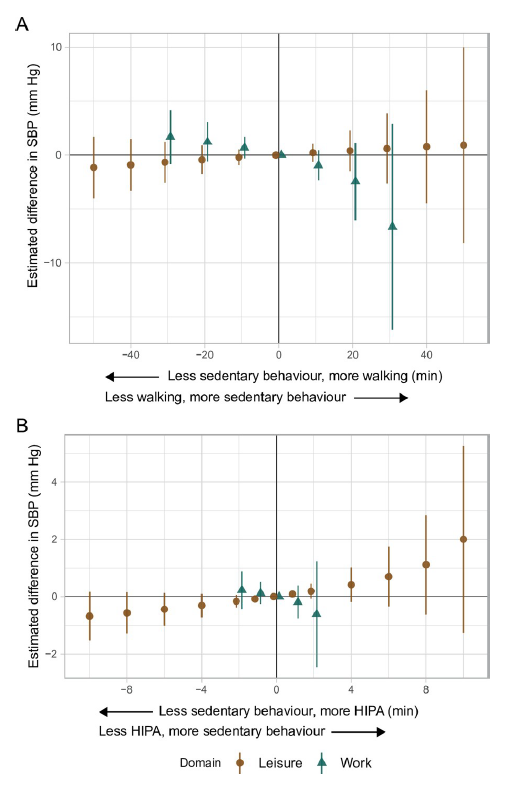
On the #physicalactivity health paradox: Less SB and more walking or high-intensity physical activity (compared to mean composition) seems to be associated with a lower SBP during leisure, but, during work, it seems to be associated with a higher SBP. https://t.co/PUeBGLmwLz
Organizing work to promote health among industrial workers with physical demanding work, can it be done? We are currently testing it out in a cluster randomized controlled trial
Check out the protocol here: https://t.co/GIDEGXDlap
@profHoltermann, @KASogaard, @CharlotteLundR
How to improve workers health by workplace interventions? Join us for 3 half-day online @NIVAEducation course about workplace interventions using the @GoldilocksWork approach. Great speakers and contributers @Leon_Straker@mariusfimland et al https://t.co/wuS6OwoDpb
PhD Opportunity📢
Do you want to do a PhD? Do you have an interest in physical activity measurement and health? This PhD could be for you.
Join an exciting group of national and international researchers in the field. See details below or DM us!
@IPARC_1@ISPAH@PessLimerick
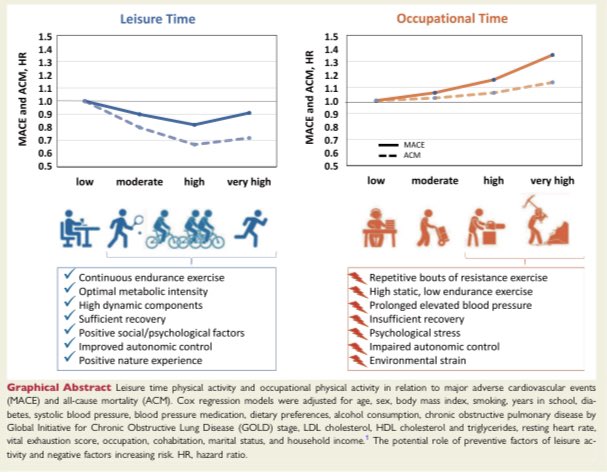
New editorial out! In this, we make the case for why the “Sweet-Spot” of 24h behaviors for adults might depend on occupation. That perhaps the advice to “sit less, move more” is not suitable for those with physically demanding jobs 👩🔧👨🚒👷
When does a new research idea shake the ground of the established? We propose the "Sweet-Spot Hypothesis” of 24h physical behavior to encourage new PA research for better understanding & prevention @DrMelodyDing@CharlotteLundR@nidhigupta2911 et al
https://t.co/pHrHZs4kGS
What is most important for device-based physical activity for adults? Genetics, motivation, knowledge, sports...? Its their job. Why don't guidelines, policy & practice mainly target & focus on the work of people? About time to rethink to make a difference
https://t.co/K46m05BGnA
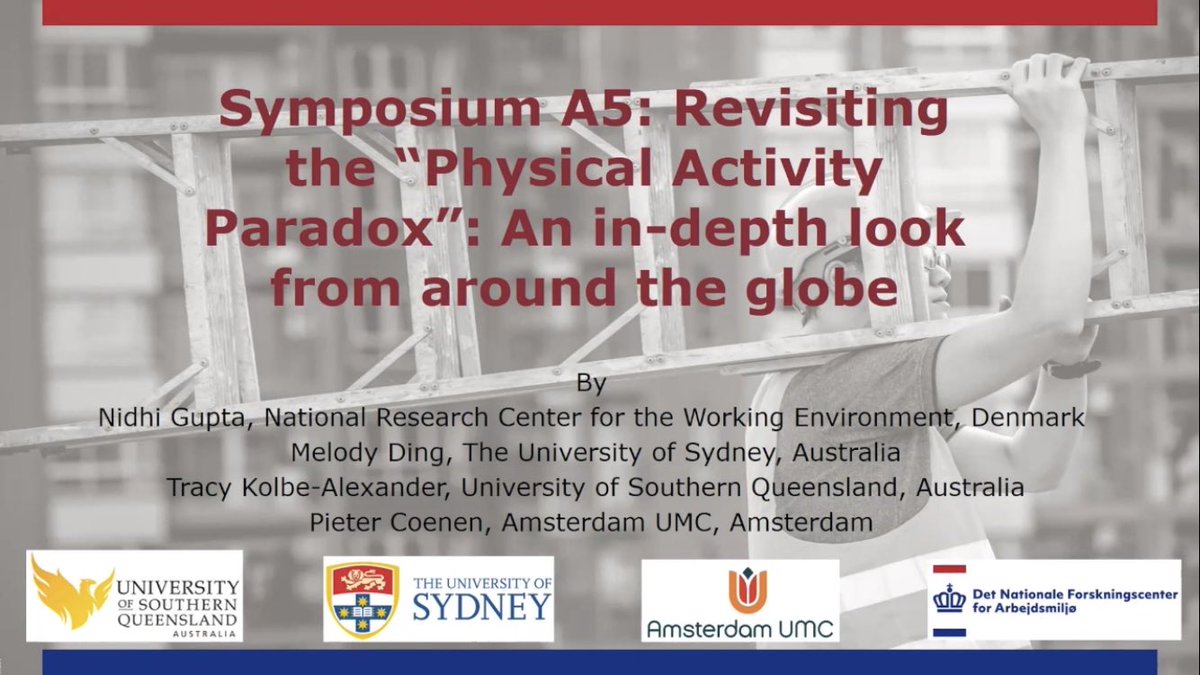
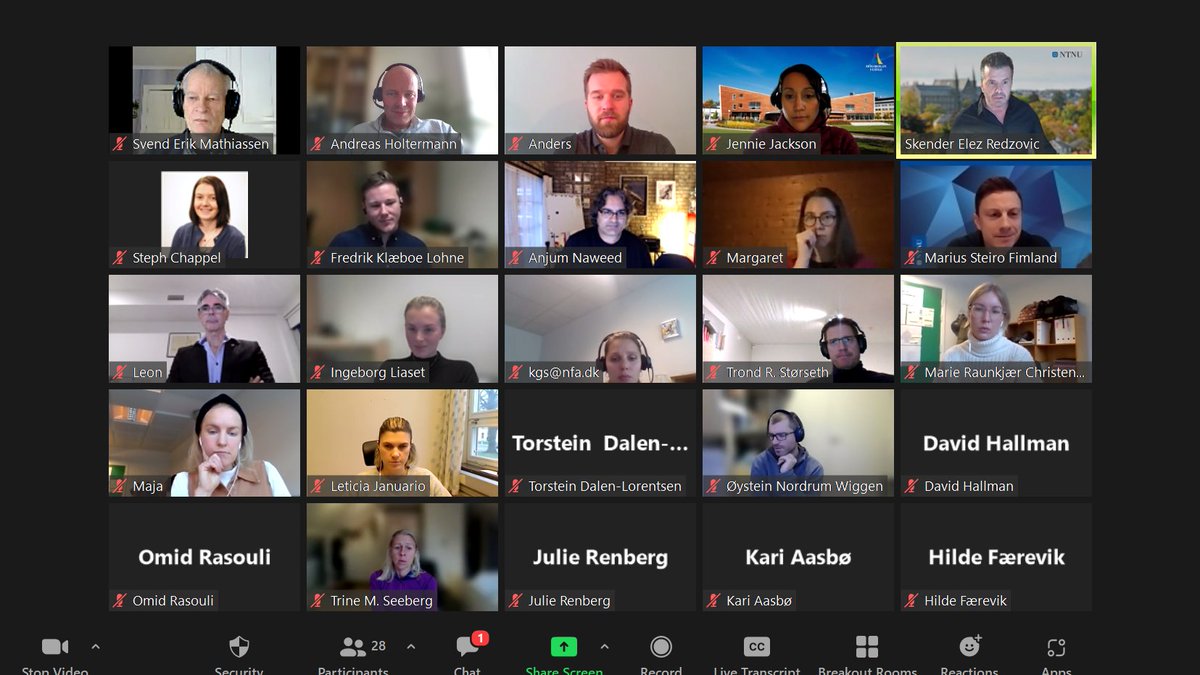
Thanks for excellent talks, discussions and idea exchange at the 2nd @GoldilocksWork Annual Symposium today. There are so many excellent studies ongoing, and we have come so far in a few years
Want to learn how jobs can be designed so they promote health for all? We have the “just right” symposium for you. The 2nd @GoldilocksWork Annual Symposium, Tuesday 23rd November, 8-10am CET. Use link below to join the symposium on the day https://t.co/nxpW6YjvSp
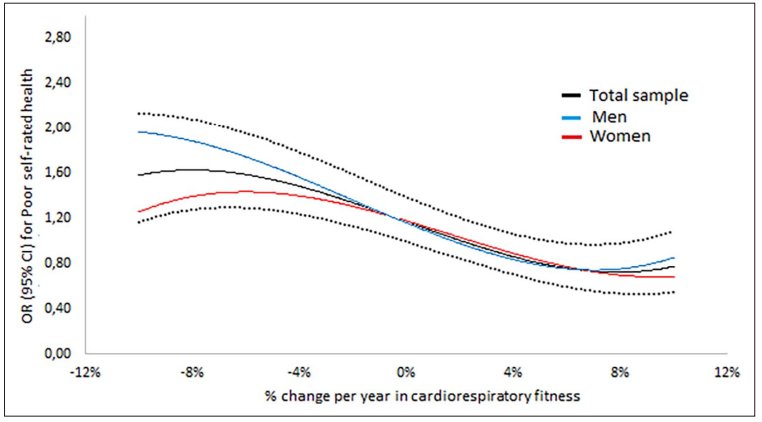
New paper:
Change in cardiorespiratory fitness on self-rated health: prospective cohort study in 98 718 Swedish adults.
Decline in fitness was associated with increased risk of poor percieved health, see:
https://t.co/d6GlbgdP5G
@hpihealth@gihsweden
These results further strengthen the need for interventions making high occupational physical activity healthy. This would target blue & pink collar manual workers, and thus reduce socioeconomic health gap. We work on this in the @GoldilocksWork. If you like to join, let us know