Was blessed to witness Jamaican reggae legend Jimmy Cliff live at the @HowardTheatre in Washington, DC back in 2013. His music formed the soundtrack to many a Gen X youth’s life growing up in the African diaspora in the early to mid 70s. Rest in Power
#JimmyCliff#reggae
The Reggae King Who Called Salone “Home”
Today the sun set a little dimmer over the shores of Freetown.
James Chambers better known as Jimmy Cliff, the immortal voice of “Many Rivers to Cross”, “You Can Get It If You Really Want”, “The Harder They Come” and “I Can See Clearly Now,” has left us at the age of 81.
When we heard the news there was quiet at first, then a flood of grief, memories, and endless replays of his songs.
For Sierra Leone, this is not just the passing of a global reggae legend. This is personal. Jimmy Cliff loved Salone with a depth that few outsiders ever show. More than once he said the words that still ring in our ears: “Sierra Leone is my home.”
He first came in the 1970s when our country was still “great at that time”, as he remembered it – before the war tried to tear the soul out of us.
He returned in November 2010, eight years after the guns finally went silent, when we were still bandaging wounds and learning how to smile again. He headlined the ECOWAS Peace Pageant at the Miatta Conference Hall in Youyi Building, a night many of us will never forget.
He walked on stage in his trademark black hat and radiant smile and told us, straight:
“It’s good to be at a time in Sierra Leone when it’s a rebirth… and it’s good to be a part of that.”
Then he gave the youth the message we desperately needed to hear:
“Upliftment… togetherness… Stay together… Unity is power.”
He closed the show with “I Can See Clearly Now” and the whole hall rose as one voice, singing with him, crying with him, believing for those few minutes that the rain really was gone.
Fifteen years later, that 2010 interview with Zoe Hamilton he gave right after the show recorded by Afrofusion TV is still being shared across WhatsApp groups https://t.co/0Bqgk0RKo2. Watch it again. Listen to the gentleness in his voice when he speaks about our “rebirth”. That was not a publicity soundbite. That was a man who felt Africa in his bones and felt Sierra Leone in his heart.
Jimmy Cliff never just visited Africa; he breathed it. He briefly converted to Islam on this continent, drew strength from its spirit, bought land in Liberia, toured Nigeria, Ghana, Côte d’Ivoire, East and Southern Africa but he kept coming back to #Salone in interviews, naming us alongside his most beloved places. “I love being in Africa,” he said in 2022, “I just love the atmosphere… Sierra Leone…”
His songs became the soundtrack of our recovery. “Many Rivers to Cross” was the hymn of every displaced person who walked home from Guinea or Liberia. “You Can Get It If You Really Want” was played when Ebola tried to finish what the war started and we refused to lie down. “I Can See Clearly Now” was the ringtone of hope. And when politicians lost office, it was only then that they paid attention to the words of “House of Exile.”
Jimmy Cliff never forgot us. We will never forget him. He did not just sing about overcoming. He lived it. And he believed we could too.
So, we will keep his fire burning. We will stay together. The lion, the first King of Reggae, has crossed his final river today, but the echoes of his roar will roll forever over the hills of Sierra Leone. From your Salone family, with all our love we say thank you, thank you, thank you.
Rest in perfect power, #JimmyCliff.
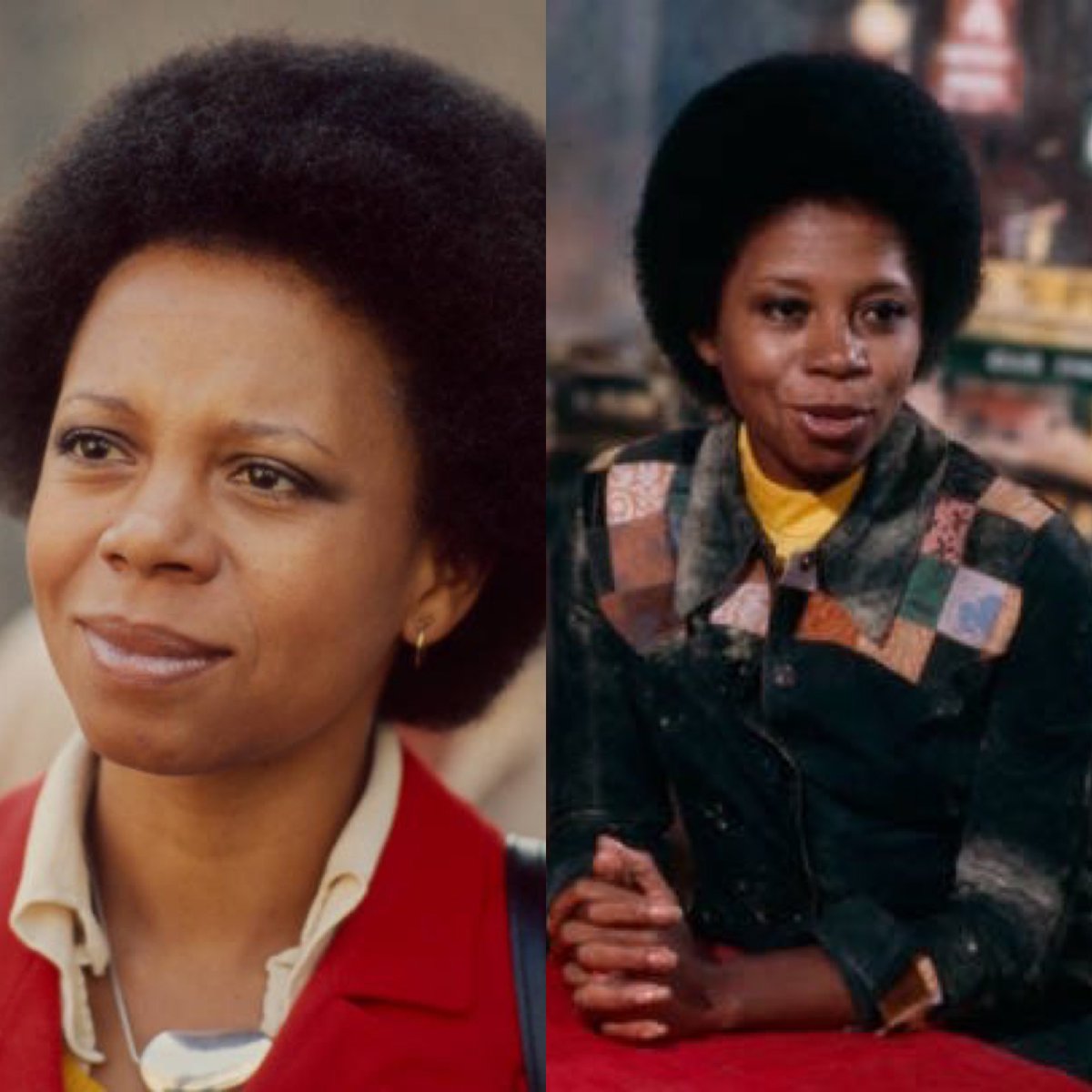
In 1971 Journalist Melba Tolliver, stood up against WABC-TV when she was reprimanded for wearing her natural Afro hair.
She had refused to cover it up with a scarf or wig when reporting on the wedding of President Richard Nixon's daughter Tricia Nixon.
I was invited to give an MLK speech today and a small number of members of the group hosting me wrote and then leaked emails opposing my giving this speech, as it dishonored Dr. King for me to do so. They called me a "discredited activist" "unworthy of such association with King"
Had the utmost honor of interviewing Boubacar Diop a few years ago when he attended the Penn Writer’s Conference in NY. Such an insightful and necessary mind; a treasure for Africa and the African Diaspora.
This is a good example of how people believe we’re too sensitive now because “things were different back then”
Things weren’t different; we always felt this way. Ray didn’t wanna talk about Elvis bc he respects white creatives
He knew who invented the 1st “cancel culture”
1/2 When I first moved to AL, I was 1 of the only ppl in my group of poets with reliable transportation. I’d often pick everyone up—except 1, who always said she’d “find” a ride
Nobody ever offered her 1. One day, I asked why. She shrugged, said:“I live in Cullman”& kept talking
@GloAlston@camilleregan@michaelharriot Dr Frances Cress Welsing wrote about this decades ago as part of her seminal psychiatric analysis of [white supremacy] racism. Grown black men calling themselves “baby,” using words like “crib,” etc., inferring a subconscious acceptance of subordinate social status. Words: power
@LeonydusJohnson Preach all that to your white friends and associates whose ancestors created and perpetuated racial hatred. Then you can come back and talk to black people about fomenting “racial unity.”
@RiggsTanked @jemelehill You said it: “The ministry of Jesus.” That’s HIS domain. Not of hypocritical right wing bigots. Save your opinion and judgment for your own judgment day.
@x_chism@pio001248@Kellie_Pryor Several countries helped Black South Africans end apartheid. The most notable one is Cuba under Castro. Gaddafi, for the bulk of his reign, couldn’t care less for black Africans. Let’s keep it 100%
Without wading too much into this Charlie Hebdo debate again, if you have to continually explain that your "satire" isn't racist & isn't punching down, then it isn't very good satire, it doesn't matter which tradition it comes from, French or otherwise.