🧵📢👇@HHMINEWS is incredibly excited to launch the 2024 #HannaGrayFellows competition. $1.5M award bridging your postdoc and early career faculty years with the goal of increasing diversity in the professoriate 1/
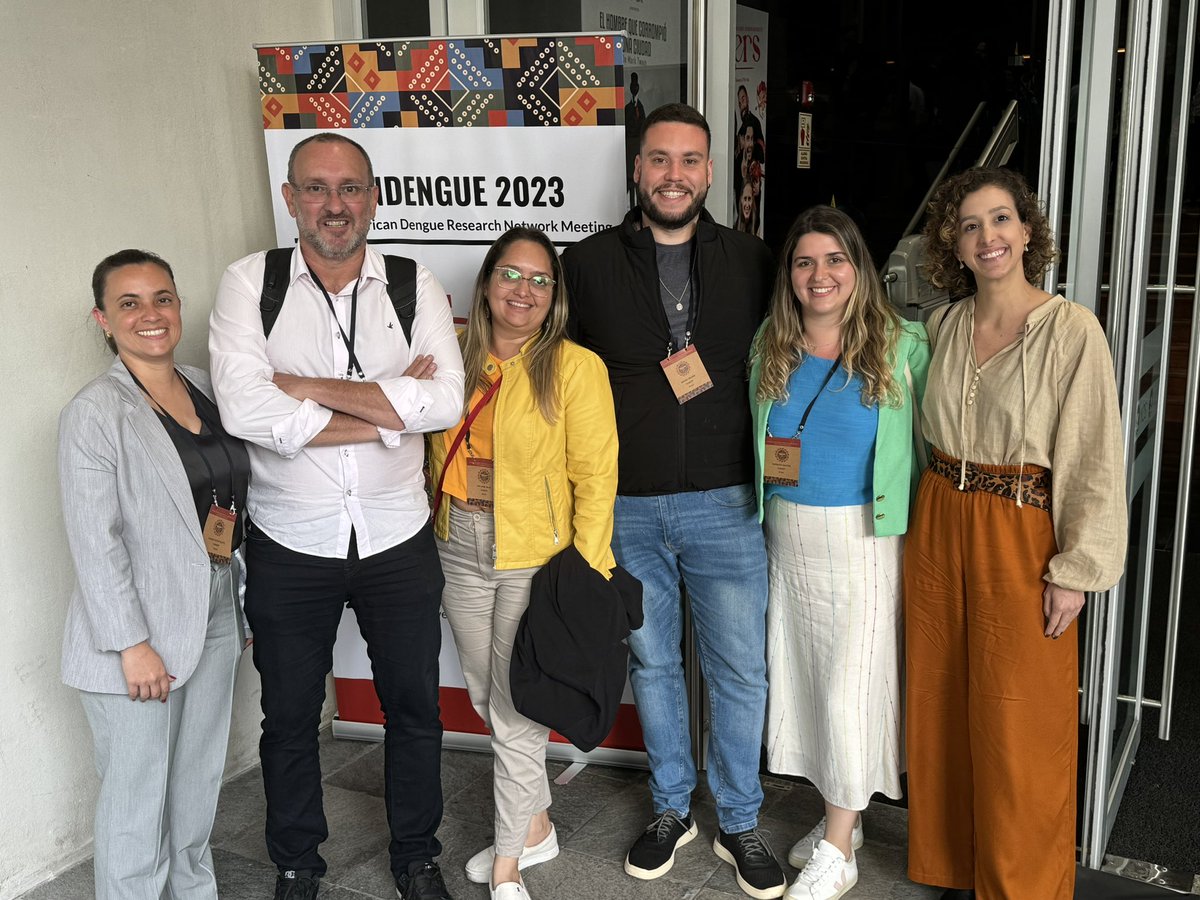
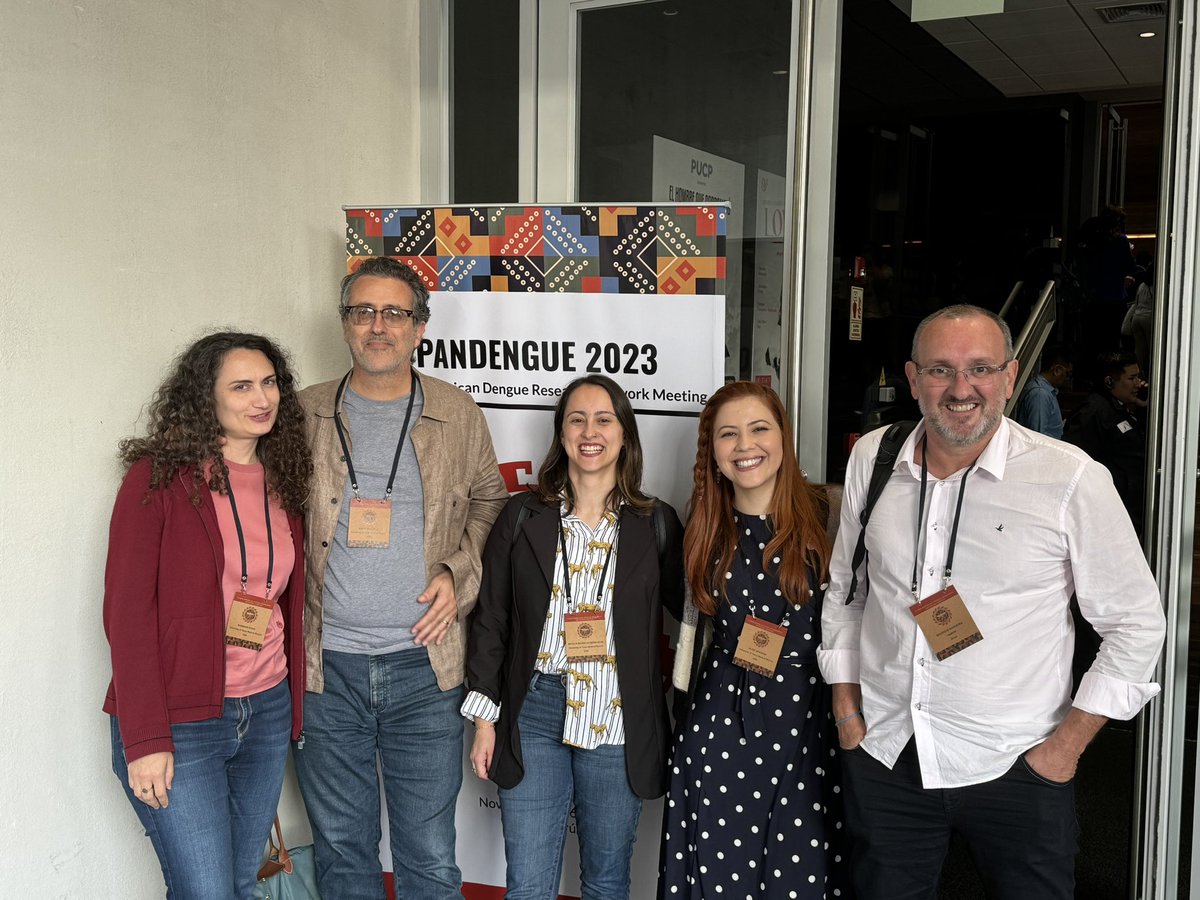
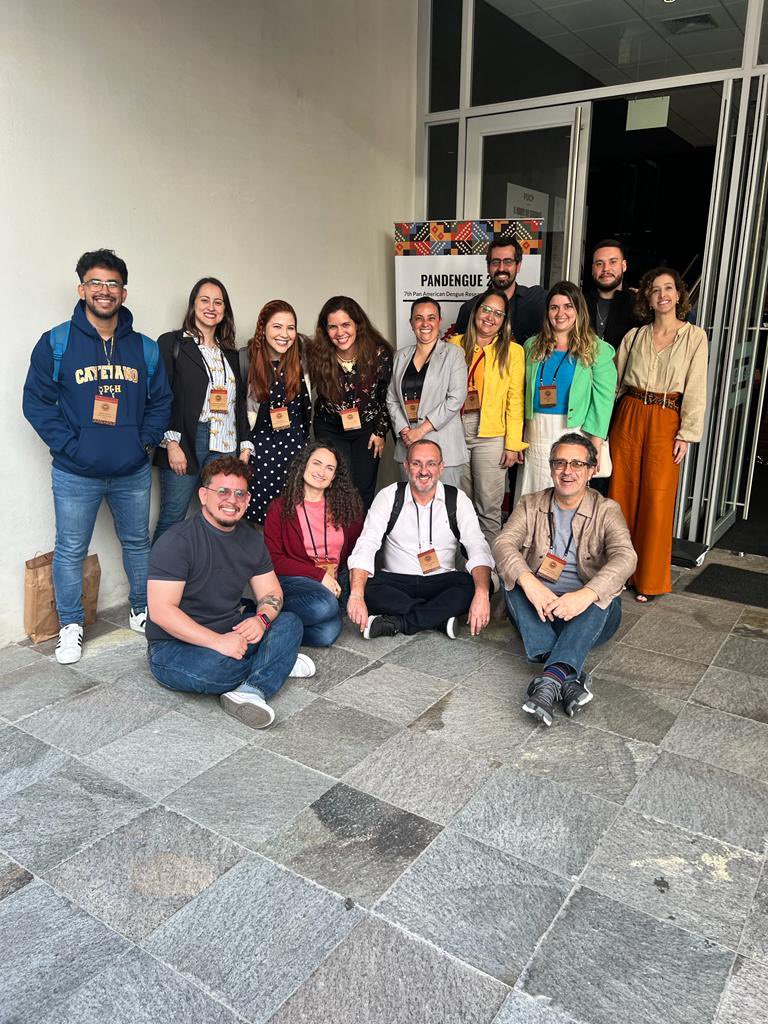
@PanDengueNet fellows! Our @natyngridd is presenting now the results of arbovirus transmission and pathogenesis in diabetic mice model. @UTMBPathRes@Vasilakis_Lab
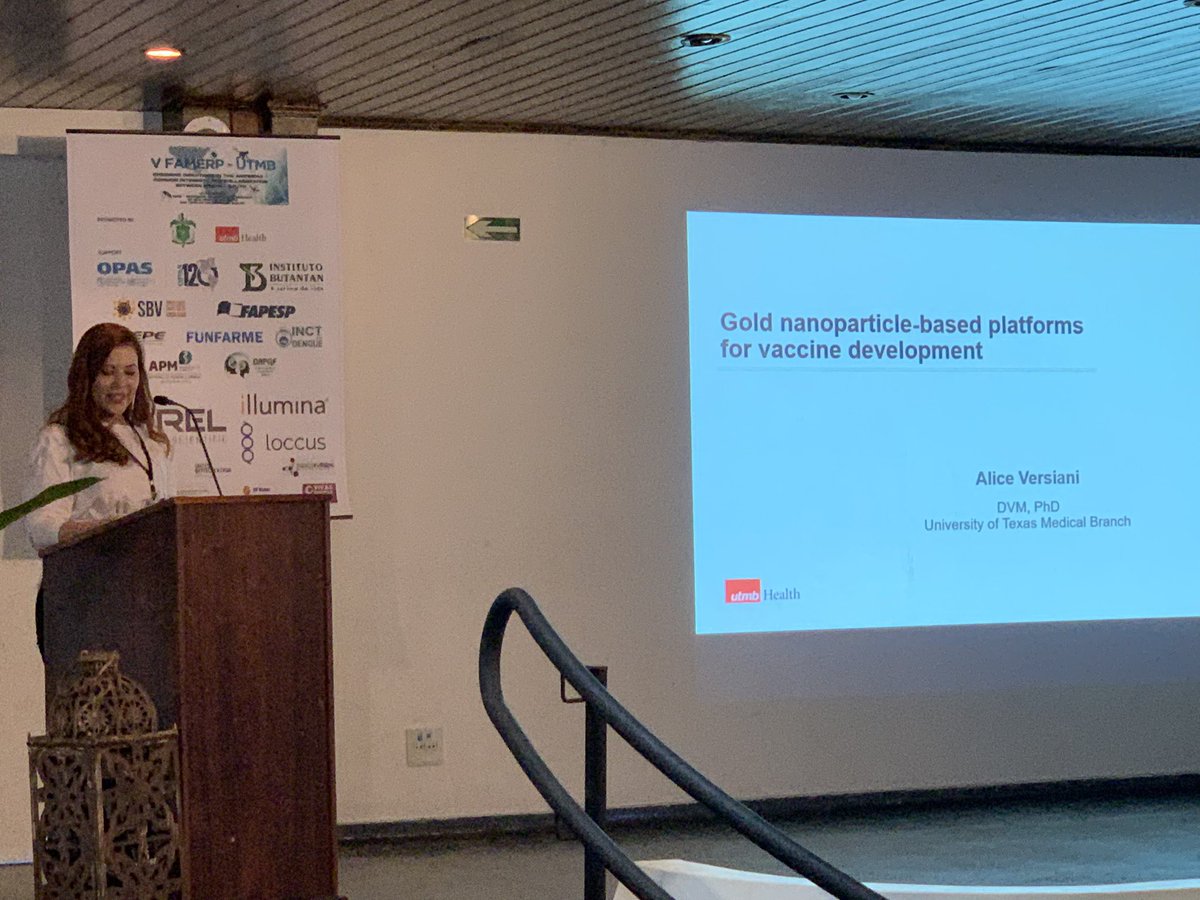
I'll be @ the poster section later today at @PanDengueNet to discuss our findings on SARS-Cov-2/DENV co-infection and our nanovaccine platform w/ some cool data in mice model! Posters are by the window, with a nice view of the city!✨ @create_neo@Vasilakis_Lab@Virology_FAMERP
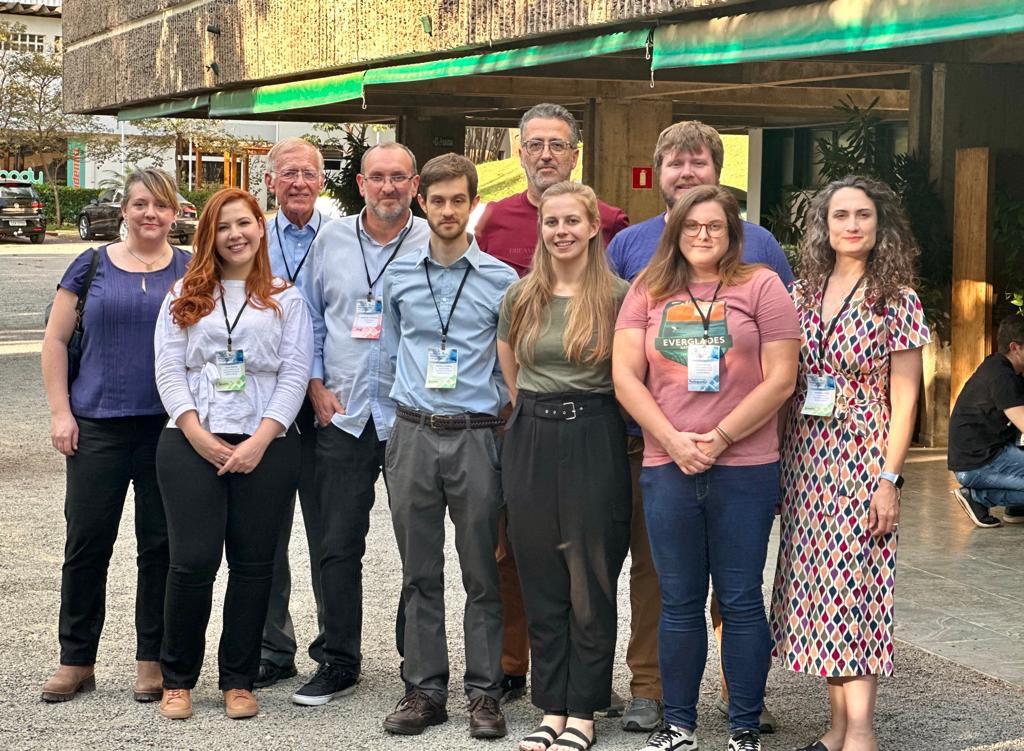
Back to Rio Preto to meet friends, drink good beer, and discuss science with this amazing community. Thank you once again for the invitation, @Vasilakis_Lab and @Virology_FAMERP!
We are excited to welcome @CREID_Network, @famerp@create_neo colleagues and more at our V FAMERP-UTMB symposium in SJdRP on July 25-28th, with an outstanding collection of talks and posters on EIDs. For details visit https://t.co/uNsIjgWKop. @ihii_utmb@ASTMH@Virology_FAMERP
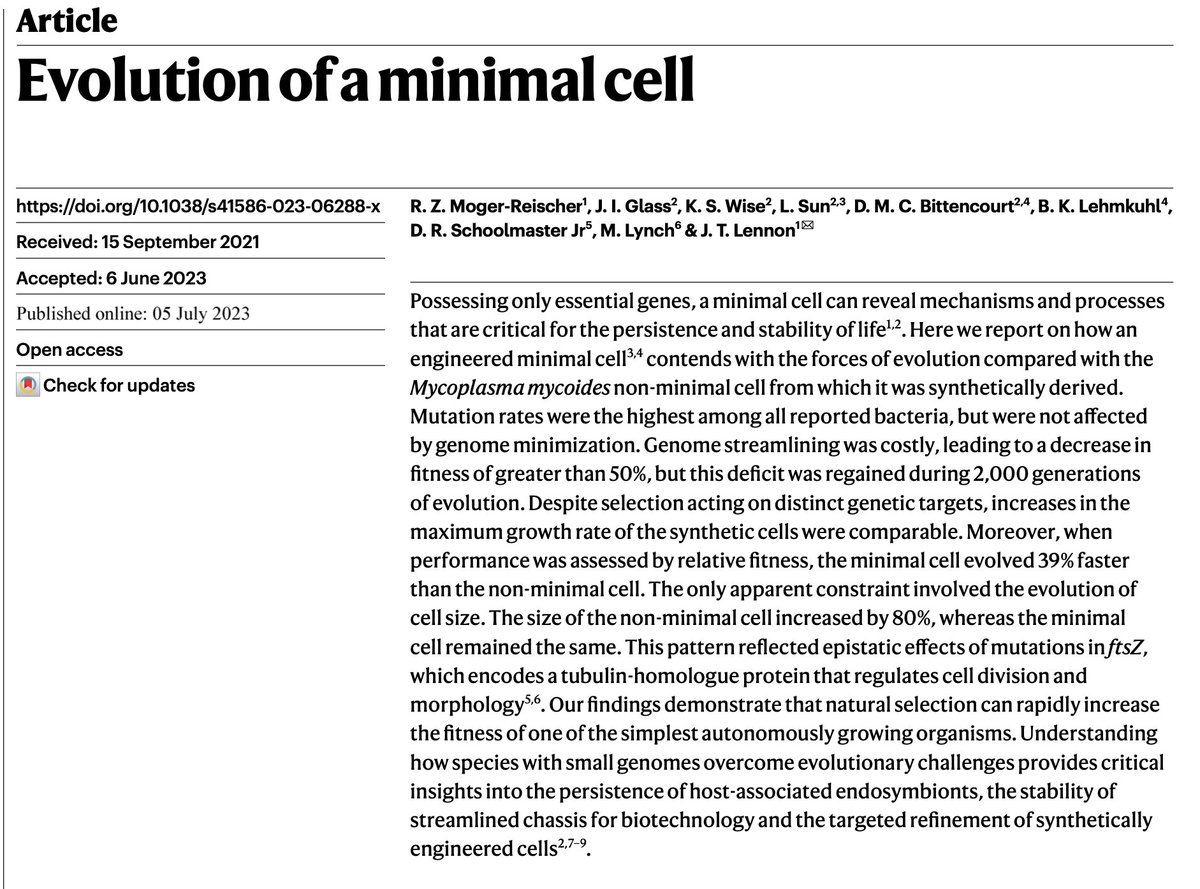
A mind-blowing paper has come out today in @Nature
In 2016, JC Venter Institute scientists trimmed a bacterial genome to its barest minimum required for life to synthesize what they called a "minimal genome" (https://t.co/Rk8oZJ0bUj).
Today, a group of scientists from Indiana University reports how that minimal genome evolved over 2000 generations in comparison to the non-minimal genome.
The authors found that even when you reduce a bacterial genome to its absolute minimum where every nucleotide matters, the genome undergoes mutational events generation after generation as much as the non-minimal genome. One simply cannot stop the evolution.
Just over 300 days of evolution (equivalent to 40,000 years in humans) the minimal cell has gained everything it lacked in fitness on day one in comparison to the non-minimal cell.
When comparing the evolved traits between the minimal and non-minimal cells, the scientists found something striking. The evolutionary process increased the cell size of non-minimal cells but not that of the minimal cell. But that is not the striking part.
The scientists were able to identify the key mutation that resulted in cell size evolution. And it turned out that the mutation that helped the non-minimal cells to grow bigger is the same that helped the minimal cells to stay smaller. Growing bigger had a survival advantage for non-minimal cells and not growing bigger had a survival advantage for minimal cells. So, the mutation had a context-dependent effect. This just demonstrates that the evolutionary effects on traits have no absolute direction. All that matter is what is beneficial for the organism's survival.
The conclusion of the paper is metaphorically a quote from the Jurassic Park movie:
“Listen, if there’s one thing the history of evolution has taught us is that life will not be contained. Life breaks free. It expands to new territories, and it crashes through barriers painfully, maybe even dangerously, but . . . life finds a way". (https://t.co/UlxRlb86CT)
https://t.co/zA9OAqSoAu
@RafaelKCampos Once again, congrats @RafaelKCampos! You're such an inspiration to all of us! Looking forward to your next steps. Let's celebrate this time, ok?🍻
Happy to be able to share this last year with Adam and be inspired by not only his brilliant work but also his terrific personality. We will miss you dearly, my friend. ❤️
A postdoc in medical entomology is available @create_neo. Based at UTMB, will work in partnership w/ Brazilian collaborators for mosquito collections in various urban and forest habitats and participate in wildlife capture, sampling, and release.@ASTMH@ACAV_ASTMH@CREID_Network