The biggest perk of working in banking or private equity is not money or prestige
It is the fact that you can maximize optionality for your future career as a 24 year old
You never know what you will want to do in the future, and keeping doors open is invaluable at that age
Your success in life is almost always directly correlated with how many uncomfortable conversations and situations you are willing to put yourself into
Best jobs in finance from the perspective of highest pay and career progression per hour of work
1. Family office investor
2. Capital markets at a top PE shop
3. ECM / DCM at an investment bank
4. Investors relations and capital formation
5. Asset & wealth management
What else?
Reminder that someone out there has 10x your net worth because they were not smart enough to understand the risks of taking a massive bet, but they took the risk anyway and it paid off
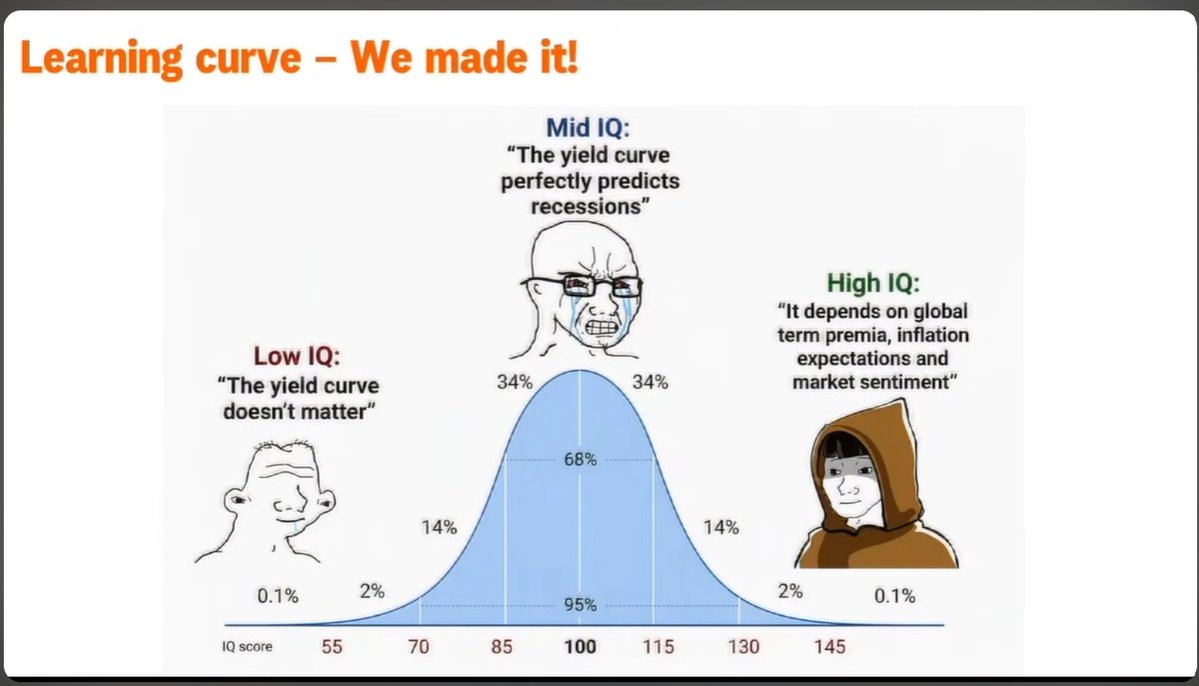
@tigorsiagian Yes Sir! 100% agree di poin ini. Sampe para economists di ING bikin meme kek gini hahaha
https://t.co/SgnZahSwJM (lumayan buat bljr)
ekonom FED: gabisa plek ketiplek ambil dari yield curve dan ga ada satu indikator murni buat memprediksi resesi.
https://t.co/Uztwqy1qOt
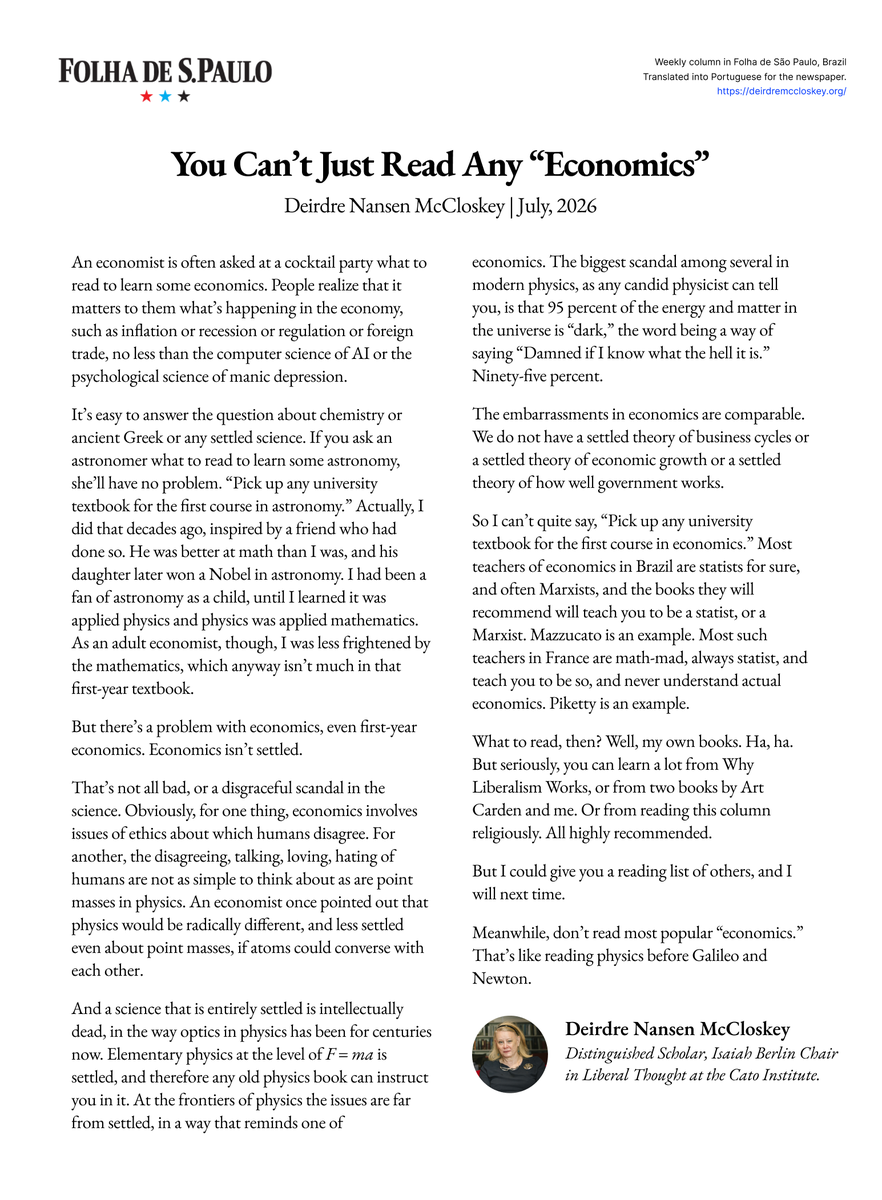
An economist is often asked at a cocktail party what to read to learn some economics.
It’s easy to answer the question about chemistry or ancient Greek or any settled science. If you ask an astronomer what to read to learn some astronomy, she’ll have no problem.
But there’s a problem with economics, even first-year economics. Economics isn’t settled.
My latest column for @folha
When something feels icky, it's probably the right thing to do:
- Short MSCI South Korea
- Long MSCI Indonesia
Purely based on the LPPL signals provided by @VrntPerception
Big believer in the idea that only a handful of decisions determine your entire life. The rest is all just noise
The big decisions are generally:
1. who you marry
2. what career path you go down
3. saving and spending habits
4. how you take of your body and exercise
5. who you spend time with (friends)
If you get these 5 right, it’s really hard to go wrong in life
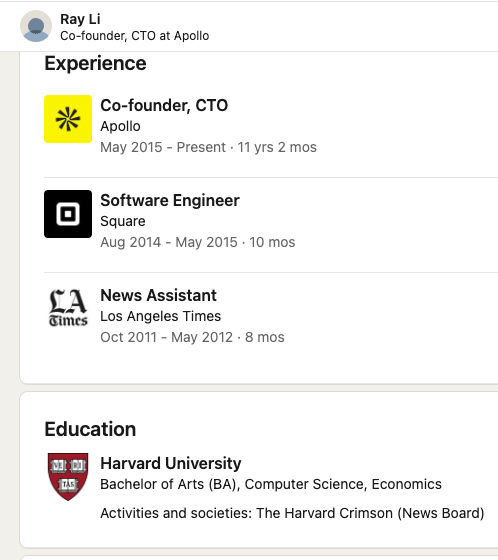
CTO of Apollo has one of the most interesting profiles I've come across in years. Dude is insanely lowkey. Barely any public appearances, barely anything online about him.
They're doing ~$150M ARR, and he's probably one of the chillest CTOs somewhere in Florida just quietly winning.
Meanwhile half the timeline is writing essays every day about "building in public" and this dude is out here changing the world in complete silence
Rich not famous. That’s what most loser tech bros haven’t realized yet.
Finance bros have largely perfected this. Look at Jamie Dimon. CEO of the largest bank. Hasn’t started a podcast with his “besties”. Does the occasional interview. But largely remains out the public eye.
Meanwhile many tech bros are driven by their innate insecurities and force themselves on the public.
A few lessons that have stuck with me as I have gotten older
> No decision in life is ever black and white. Every choice you make is a trade off and you must judge it accordingly based on the sacrifices required
> Time is the biggest opportunity cost of all. Everyone has so little of it. Spend it wisely, even more wisely than your money
> After a certain dollar amount, your wealth is your health. The sick person with a million dollars could care less about his bank account. The healthy person with half that amount is happier with their life. Exercise, eat healthy, stretch often and lift weights. As much as you can
David Tepper on why he left Goldman Sachs:
"i left Goldman Sachs. i was thinking about going to another wall street place. i didn't want to do that. that was crazy. after you work on wall street, it's a choice: would you rather work at Mcdonald's or on the sell side? i would choose mcdonald's over the sell side."
the whole point of the sell side is pitching other people's ideas and living off commissions without risking your own money. for Tepper, that’s just noise and sales, not investing
the real game is having skin in the game. if you aren't betting your own capital on your own calls, what’s the point? he’d rather flip burgers than go back to working for fees.
bookmark and watch the full talk below
David Tepper explained what actually builds your career in the markets. and it's definitely not a perfect track record
talking to students, he was straight up: your success just depends on how you bounce back from taking a hit
"if i go through my career, it was a lot of disappointments. there's a lot of things that didn't go right. but that's not what's gonna define you. what's gonna define you is how you recover from those things and how you move on. you just never stop."
another solid lesson from Tepper is about staying true to yourself. when he was at Goldman Sachs, the head of M&A told him to buy a stock that was on the firm's restricted list. Tepper just flat out refused to do the trade. because of that, the guy killed Tepper's chance of making partner later on. but he has zero regrets: if someone tells you to do something sketchy, just don't do it, even if it hurts your career
the takeaway: the markets will inevitably punch you in the face. the key is not to get stuck, learn from it, and keep moving forward
bookmark and watch the full talk here
Henry Kravis' advice for young aspiring investors is not about learning more Excel or building better models. It is about spending time in the actual business to learn the fundamentals
At his own firm, KKR, he used to send young people out to work for portfolio companies for a couple of years. Many would come back enlightened by the experience, finally understanding the business
This was shocking to him, given these were the same folks giving recommendations to KKR's investment committee and building detailed excel models on the business, without even knowing how they actually function from the inside
Must listen