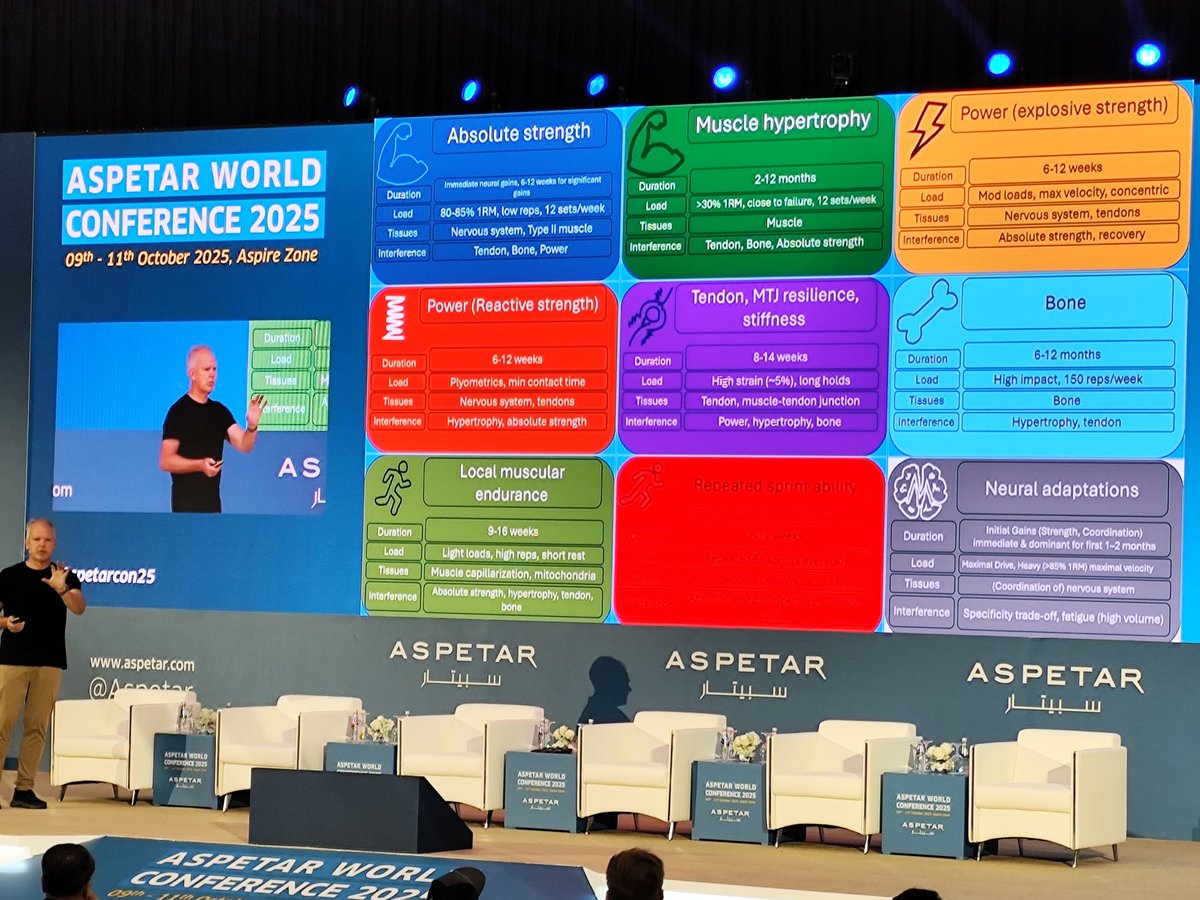
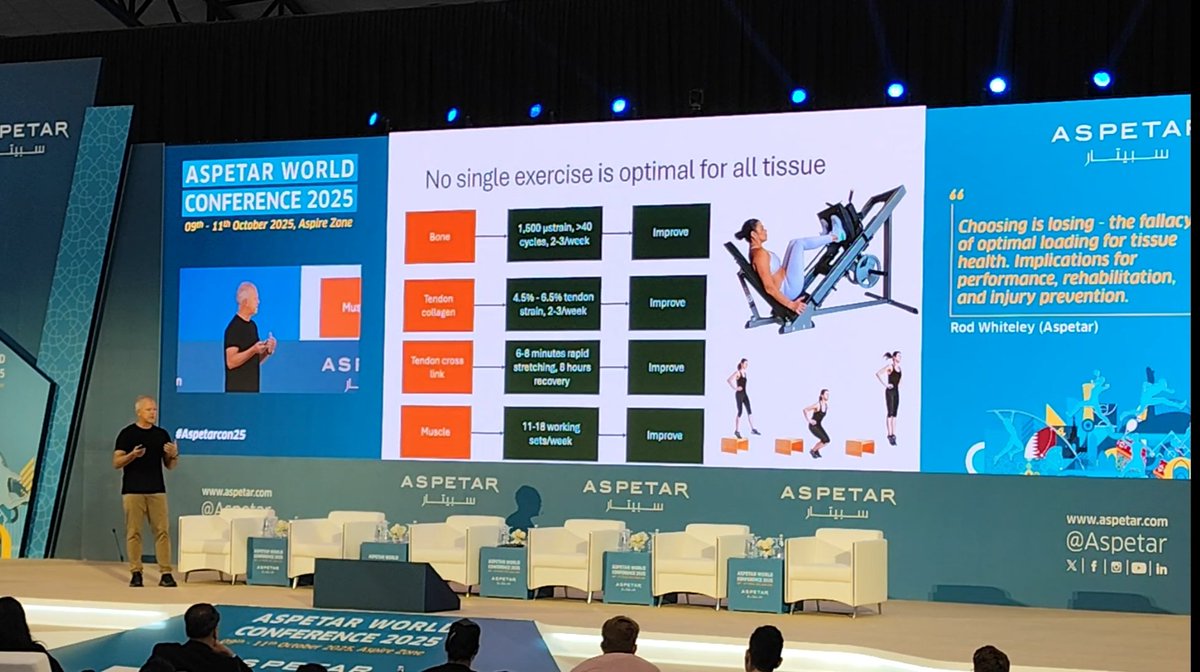
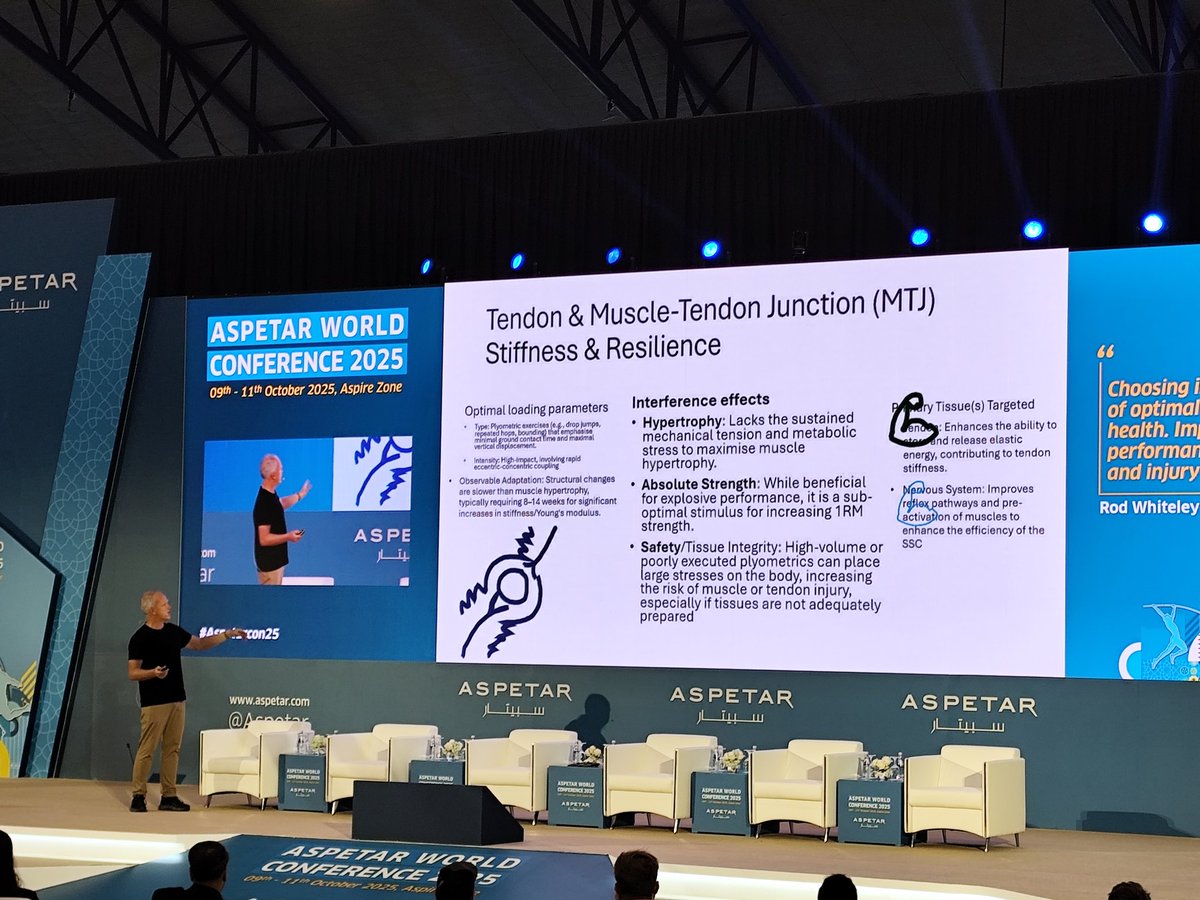
@RodWhiteley brilliant and insightful as usual talking about optimal tissue loading in rehab. No system is linear, so better know what you are aiming, and accept potential interferences and gains/losses on other tissues.
#Aspetarcon25
🚨NEW📄🚨
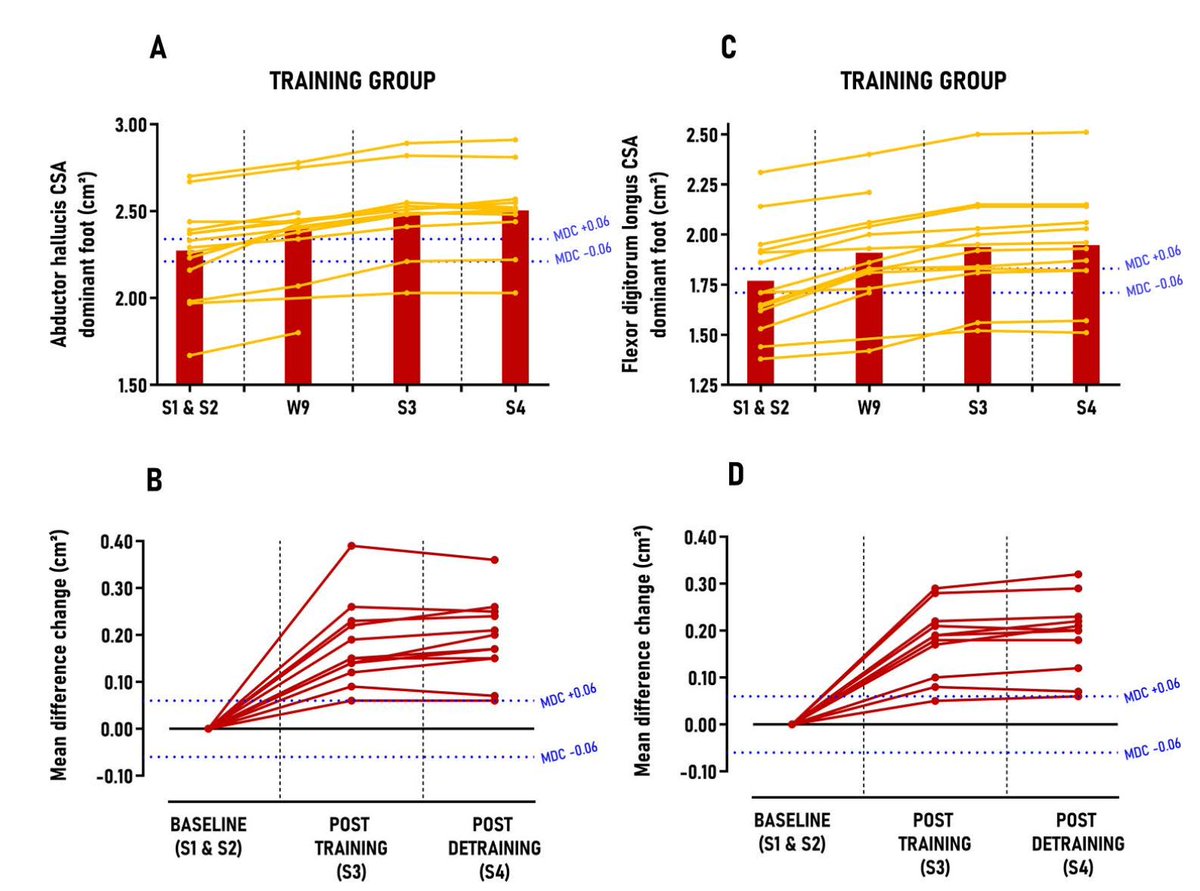
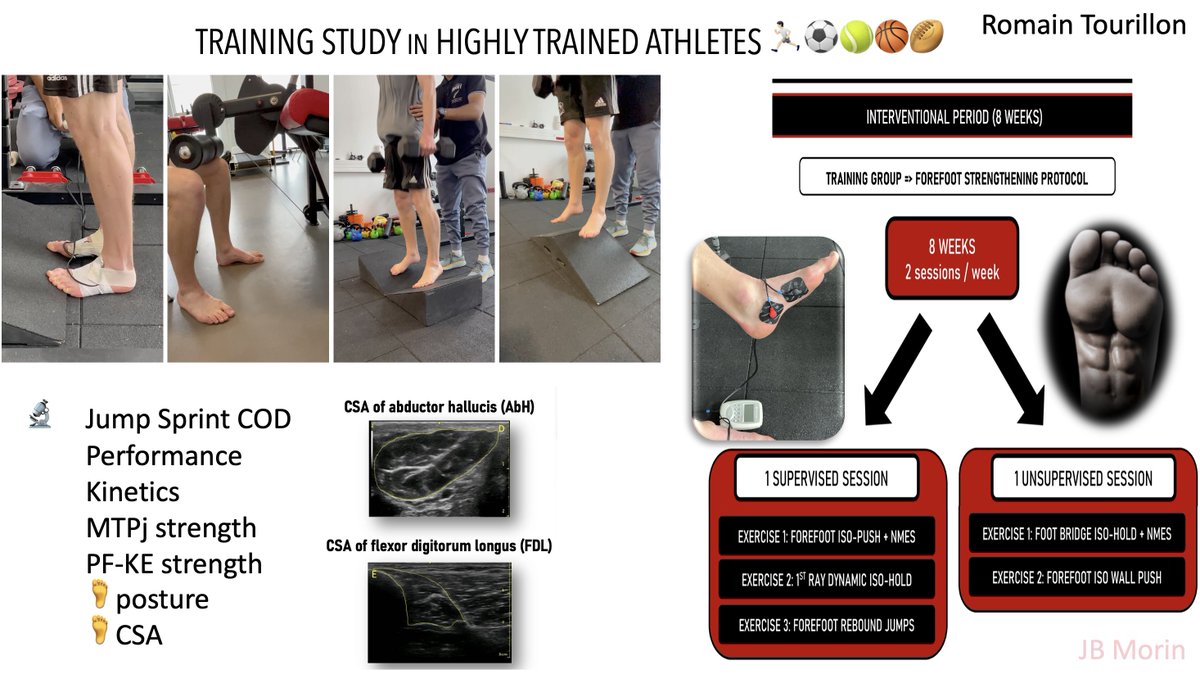
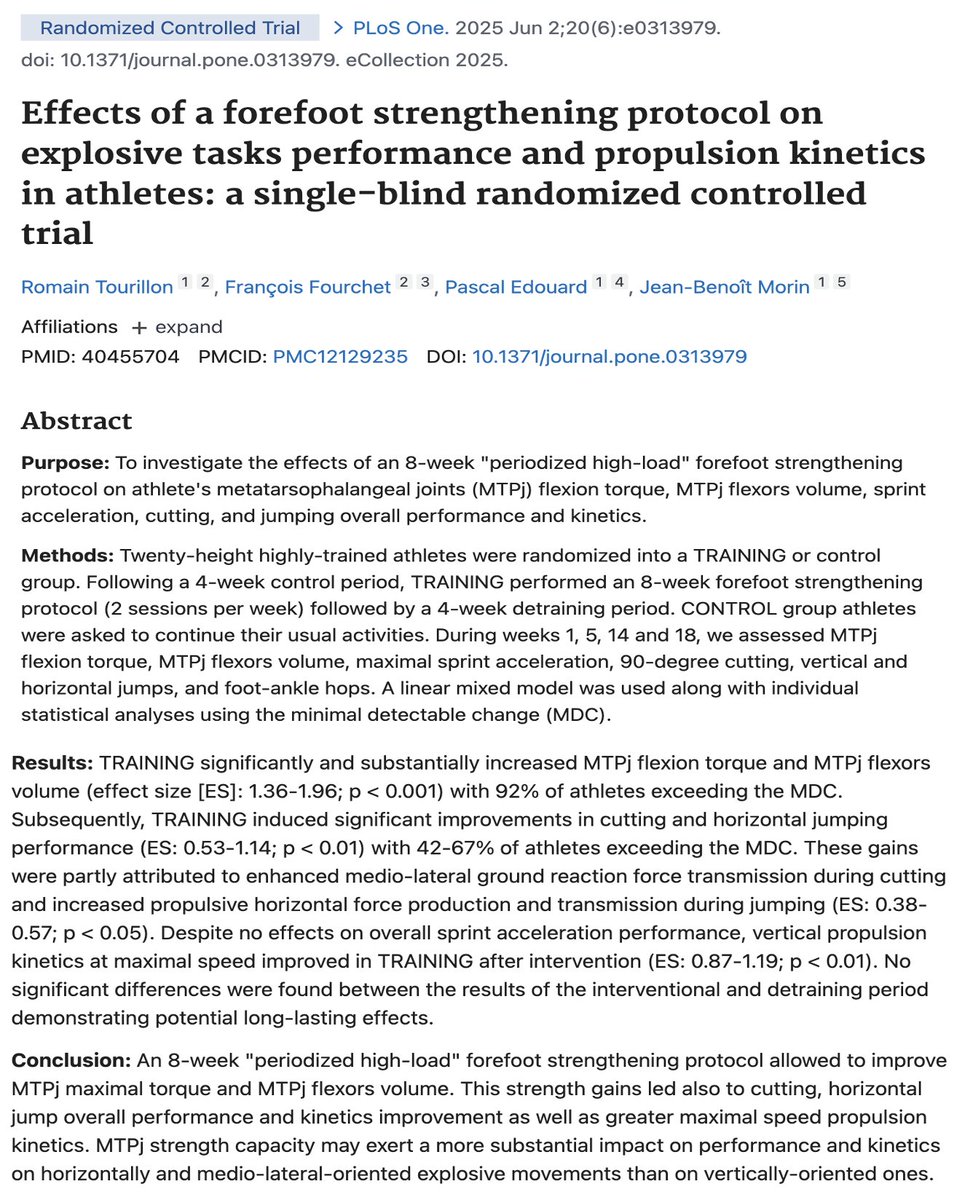
Foot strengthening protocol 🦶🏋️♀️ ⚡️= ⬆️foot MTP flexion strength, muscle volume and some sprint/jump/COD perf and mechanics ✅ in high-level athletes 🧐🧩
All exercises, RCT program and details, Open Access @PLOSONE 🎁
👏@r_tourillon &al:
https://t.co/fqlfcduwAB
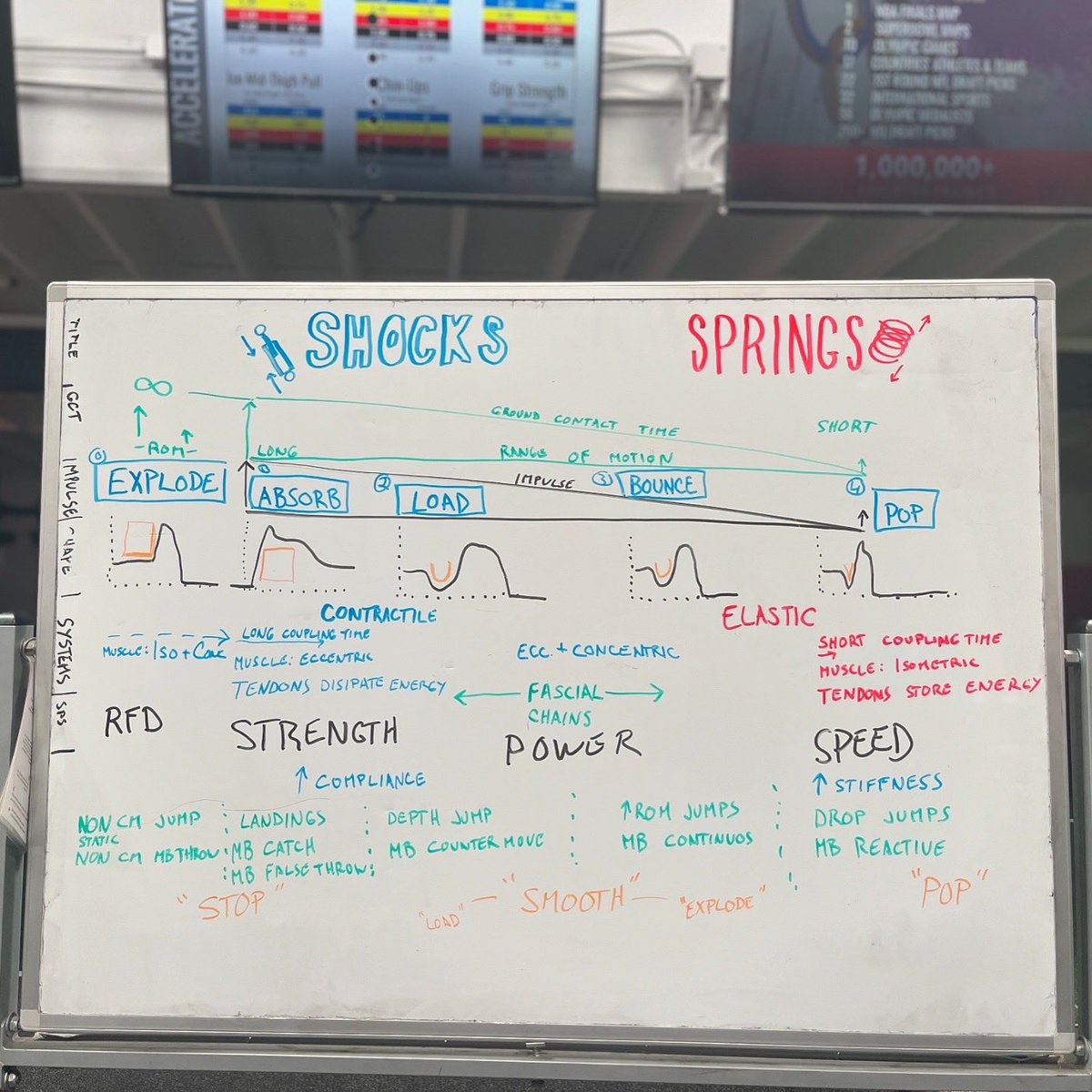
“Deep tier” jumps are gaining interest.
But do you get where they fit?
They are
- an extensive tool for most
- good for restoring elasticity
- preparing for intense “shocks”
Slow cook them
Micro dose through phases
Coach for
- rhythm
- yielding
- deep ROM
For soleus injuries, avoid slow jogging when returning to run!! Such a simple but terrible mistake in soleus rehab.
Spread the message pleeeeeeease!!!!
Our new article @anthonyturneruk @r_tourillon @paulread1010 accepted in S&C Journal
(1) common residual deficits in physical capacities after ACLR
(2)performance metrics to target during rehabilitation (3) examples to restore full recovery
@lahti_johan Are you considering to have the hypothesis to test short vs long lever? To decrease the lever arm for the hamstring muscle group and facilitate a comparison between short vs long lever values
Hamstring injury management
If you still think that paying attention to individual sprint mechanics is a loss of time
Rethink
👇🏻
👏🏻@chrisbramah et al
More to come ✅👌
New @BJSM_BMJ blog post📚
Response to: The ‘nervy’ business of T-junction hamstring injuries🦵🏻
Some thoughts around management and rehabilitation✍🏻 @ajoakley@craigm8land@JamTarts
https://t.co/aTWPVd0uBM
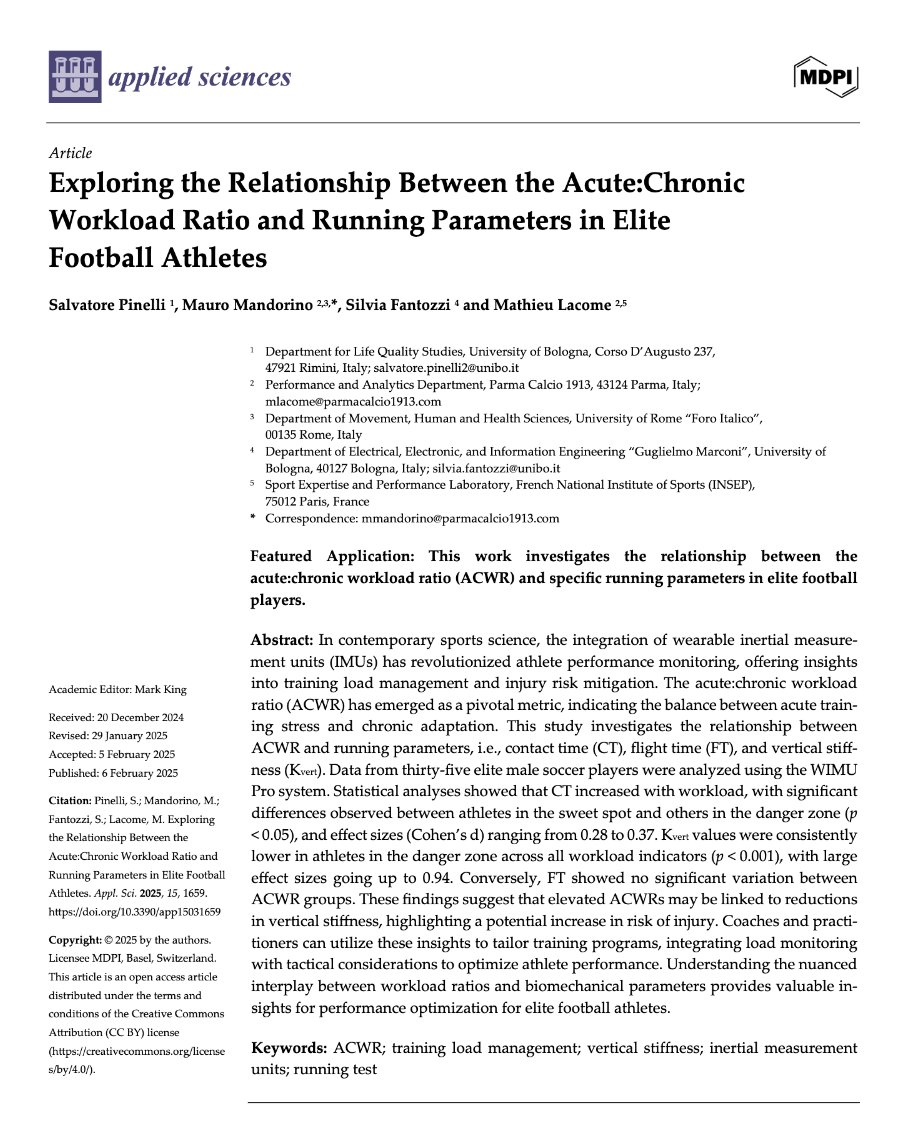
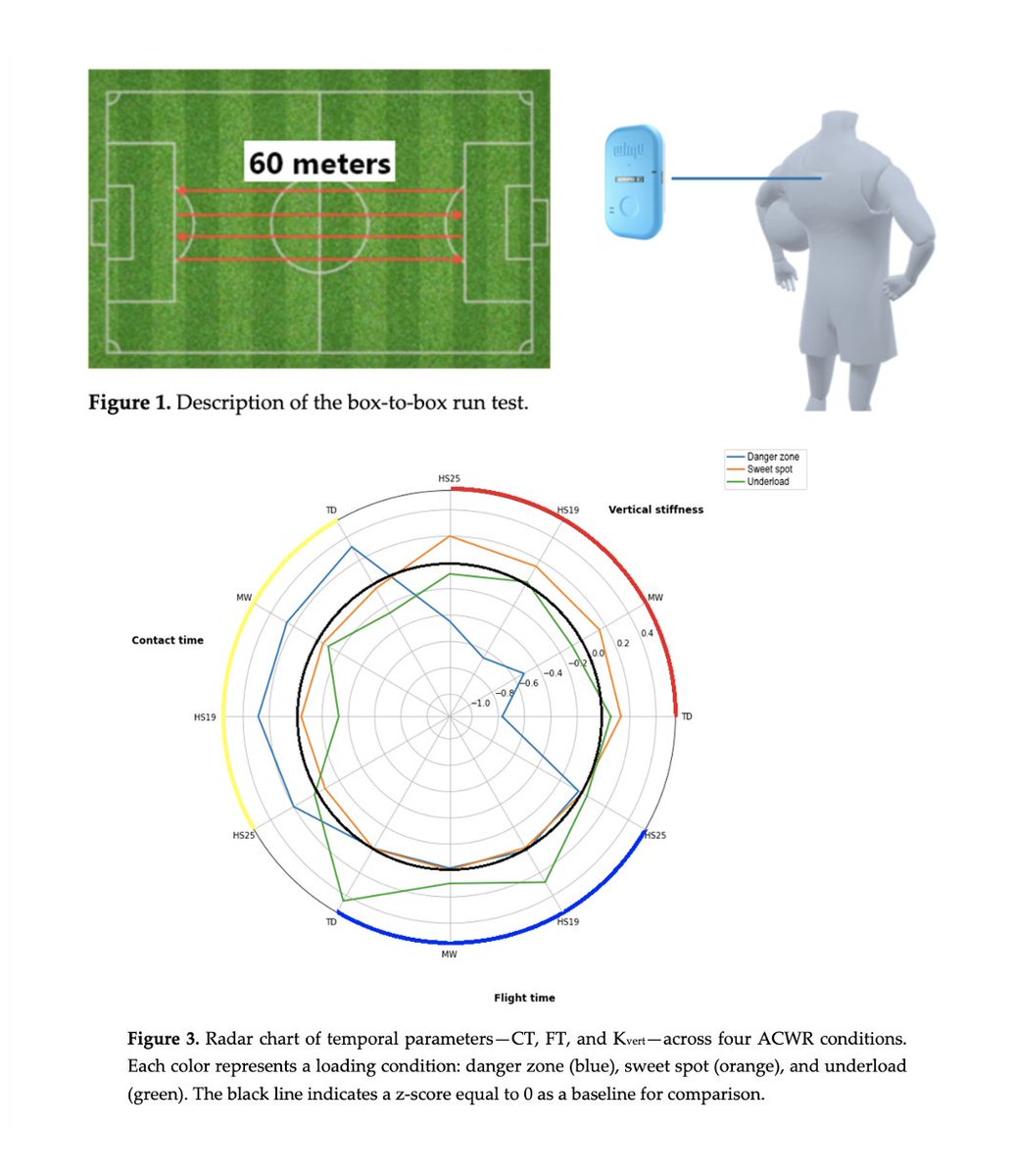
🆕"The results suggest that ⬆️ACWR may be related to ⬇️Vertical Stiffness, highlighting a potential ⬆️injury risk in elite ⚽️players"
➡️VS as a valuable tool to assess neuromuscular load?
👉S.Pinelli @MandorinoMauro@mathlacome et al, 2025🇮🇹
📂Open Access: https://t.co/hOJIsPyGSQ
🎯 Second part of my article about syndesmostic injuries, now focusing on rehabilitation and how the severity and grade of the injury shape its fundamental aspects.
@"From Injury to Action: Optimizing Syndesmosis Rehabilitation (Part II)"https://t.co/cWFBnktWQF on @LinkedIn
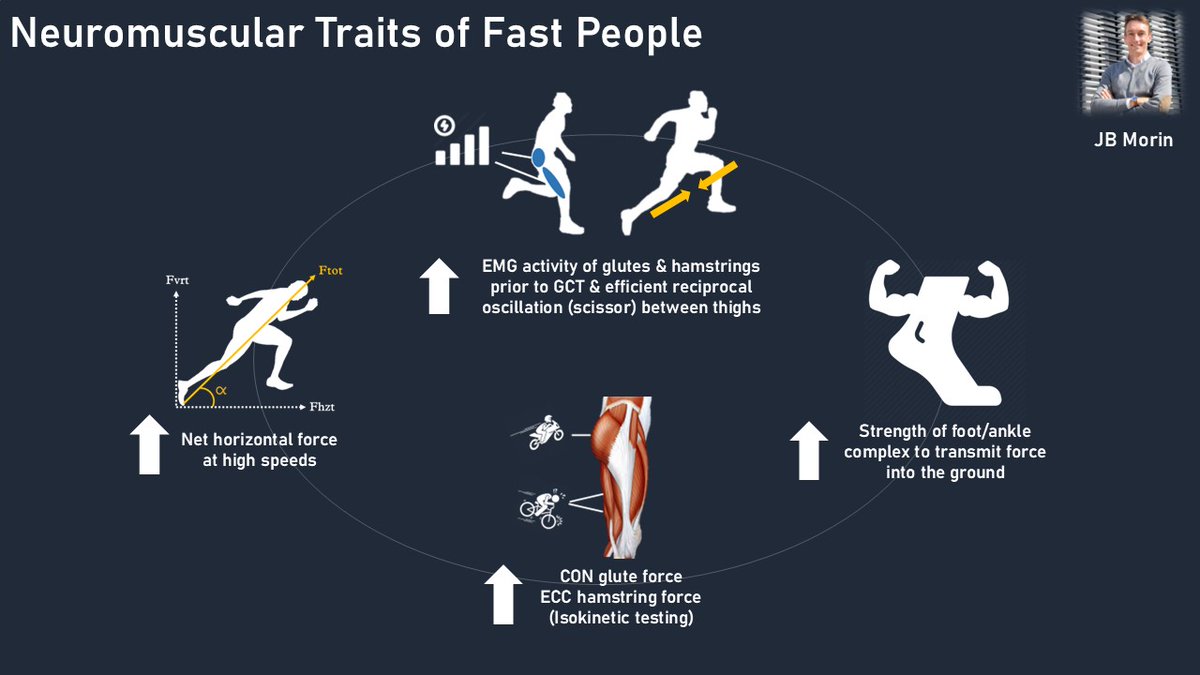
Common traits of fast people from @jb_morin:
☑️ High levels of posterior chain strength & activation prior to ground contact
☑️ Efficient scissor coordination b/w thighs
☑️ No “power leaks” thru foot/ankle
☑️ Continued acceleration at very high speeds
@EatSleepTrain_@wildy_jj Bottom video seems to be more efficient, foot contact positioned almost under CoM and good posture, showcasing proper shin and trunk alignment. In contrast, the top video shows an overextension of the trailing leg, with foot contact in front of the CoM and poor trunk control
@r_tourillon @EatSleepTrain_@SportsmithHQ@enda_king Got it! My idea is that a mid-foot strike is more likely to increase the disparity between peak braking force and peak propulsive force, producing this L-shaped curve
@r_tourillon @EatSleepTrain_@SportsmithHQ Mid-foot strikes associated with the early spike of GRF in a drop jump are also linked to a higher risk profile for ACL injuries. Whats your opinion on that? Performance-InjuryPrevention Paradox? Or should we focus on capacity/resilience on this strategy?
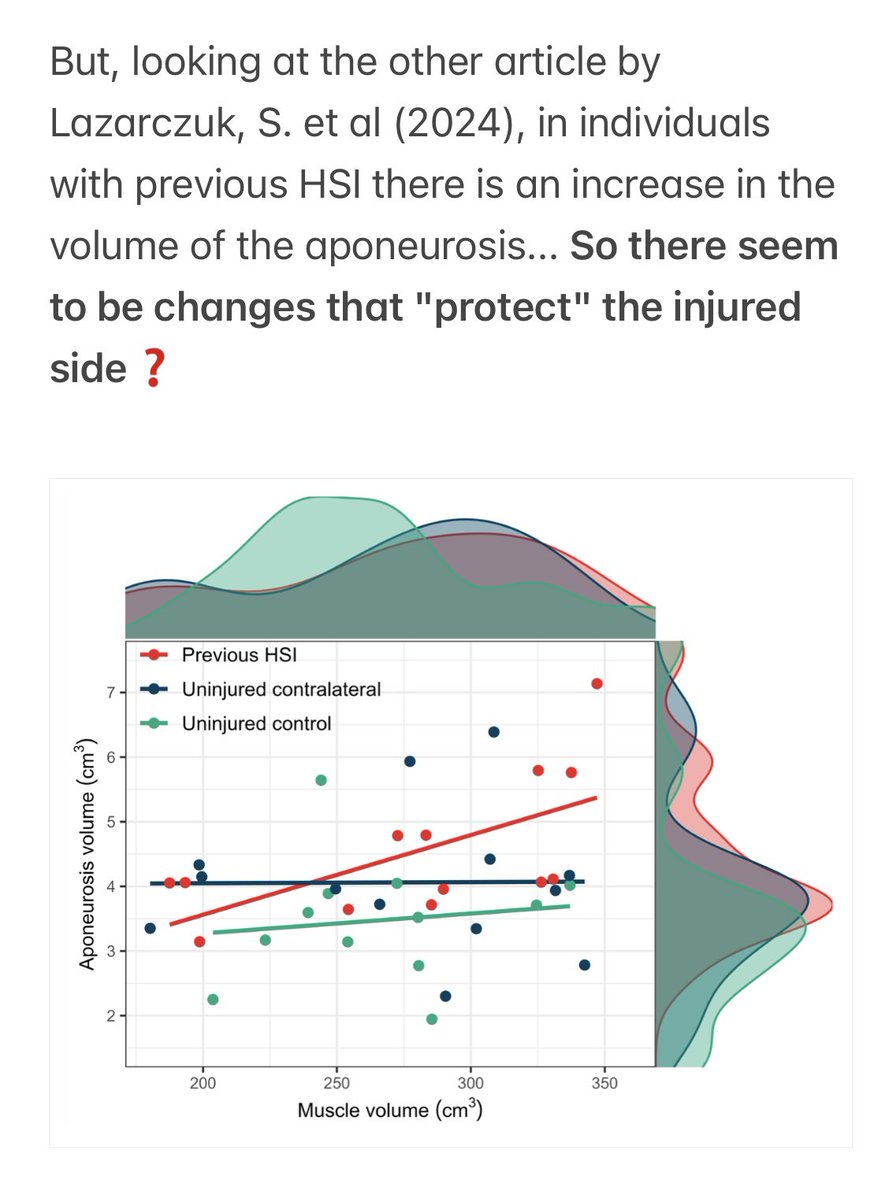
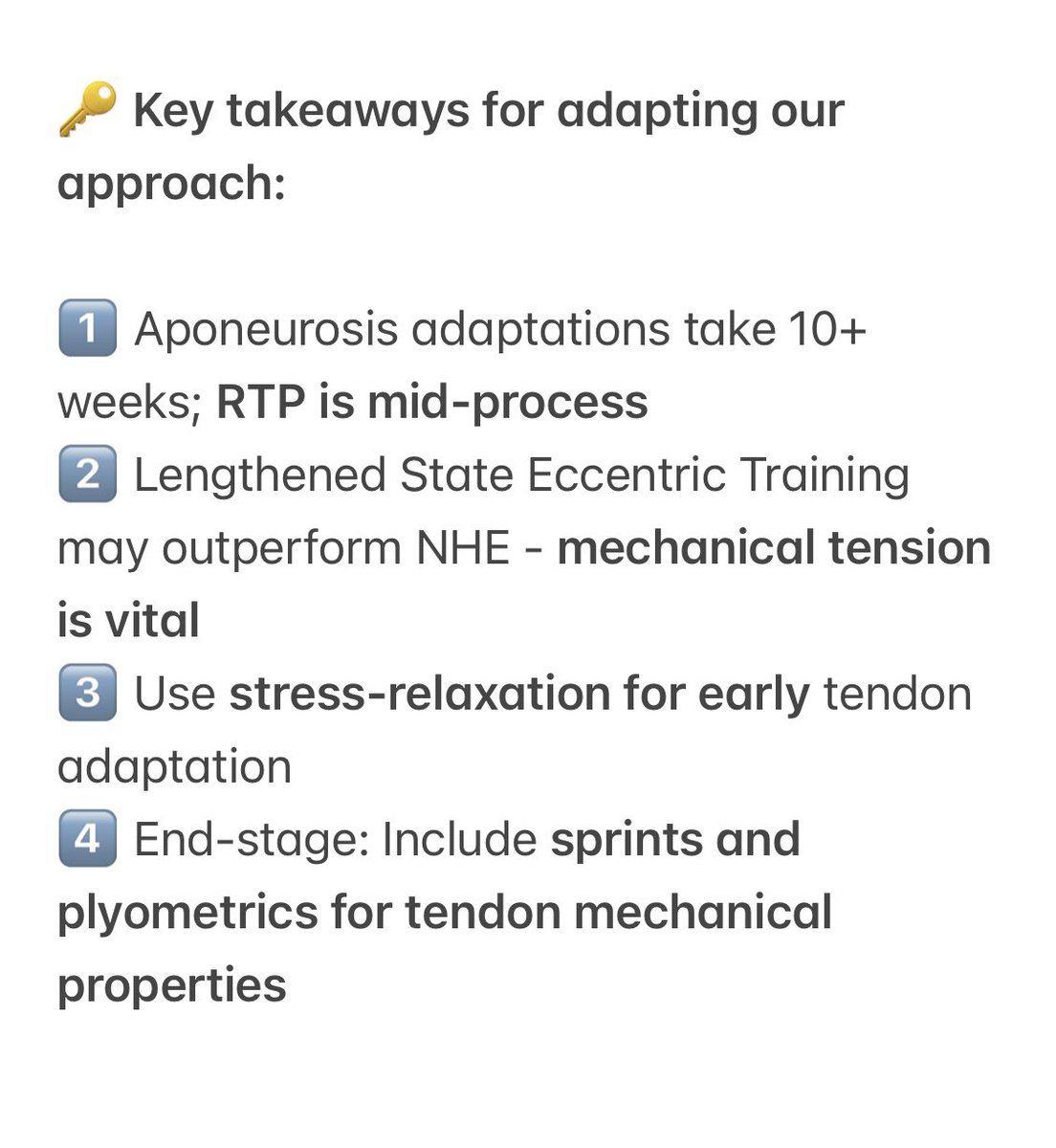
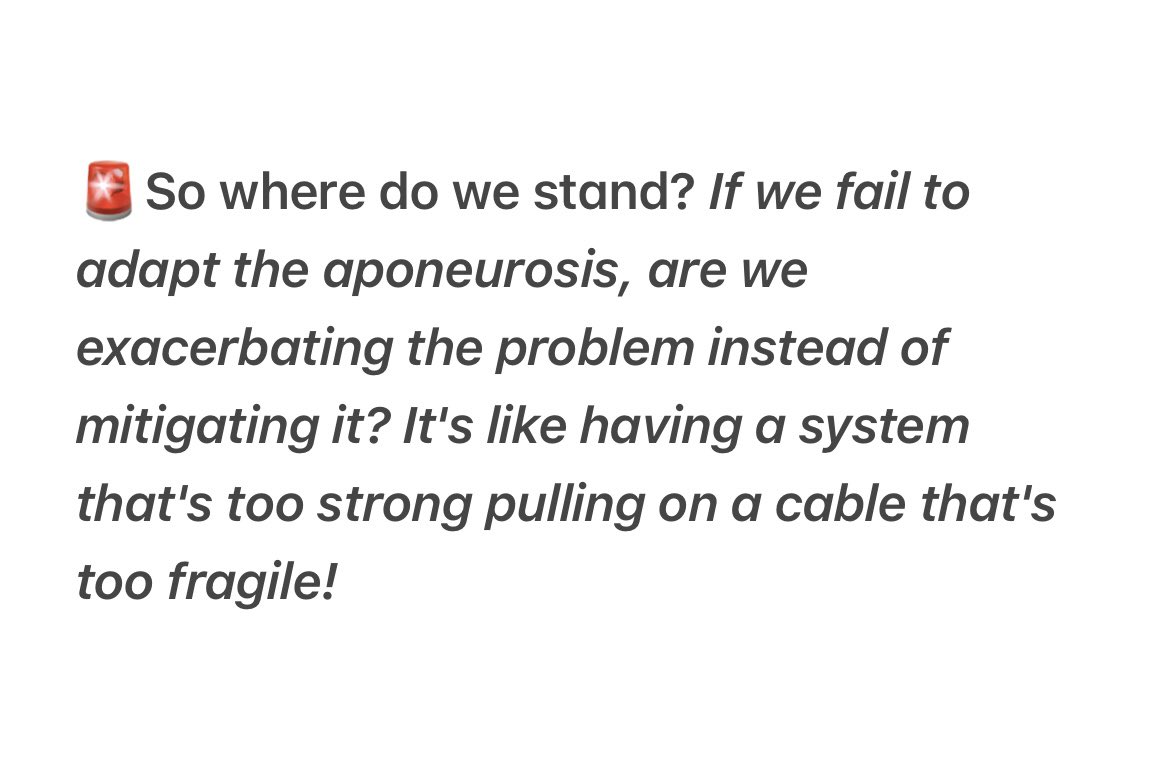
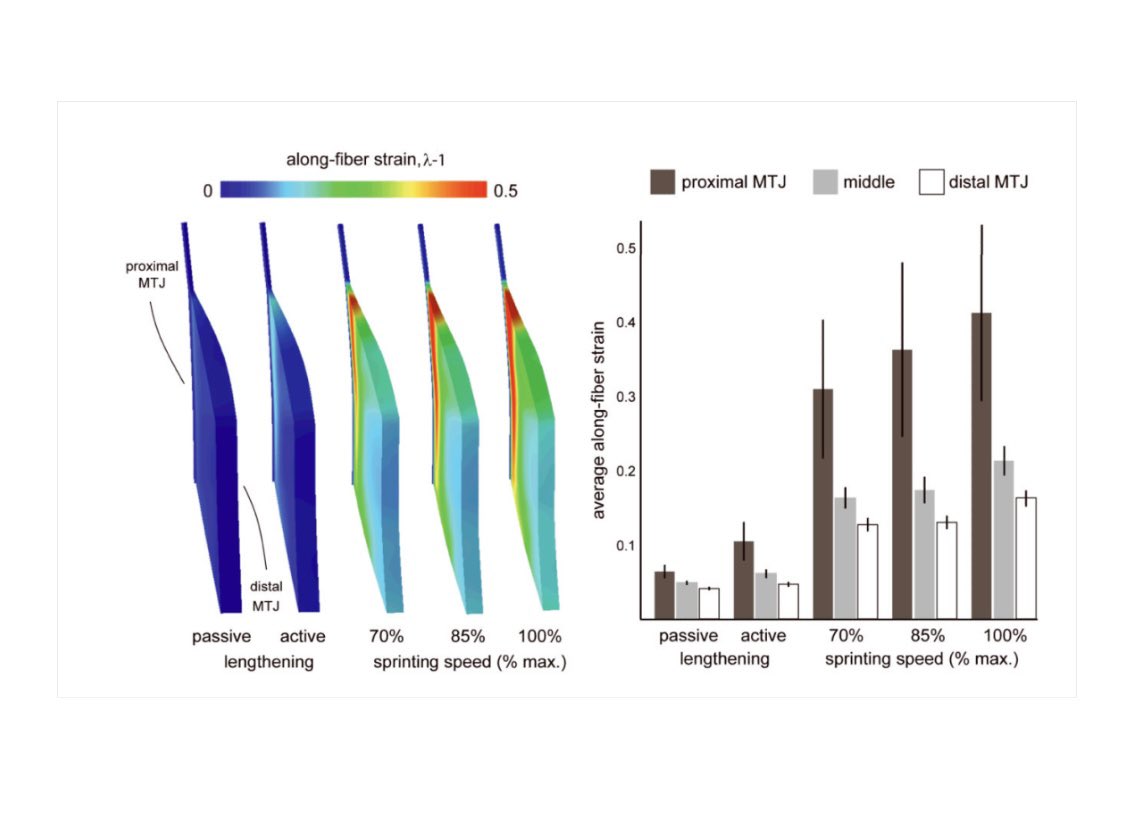
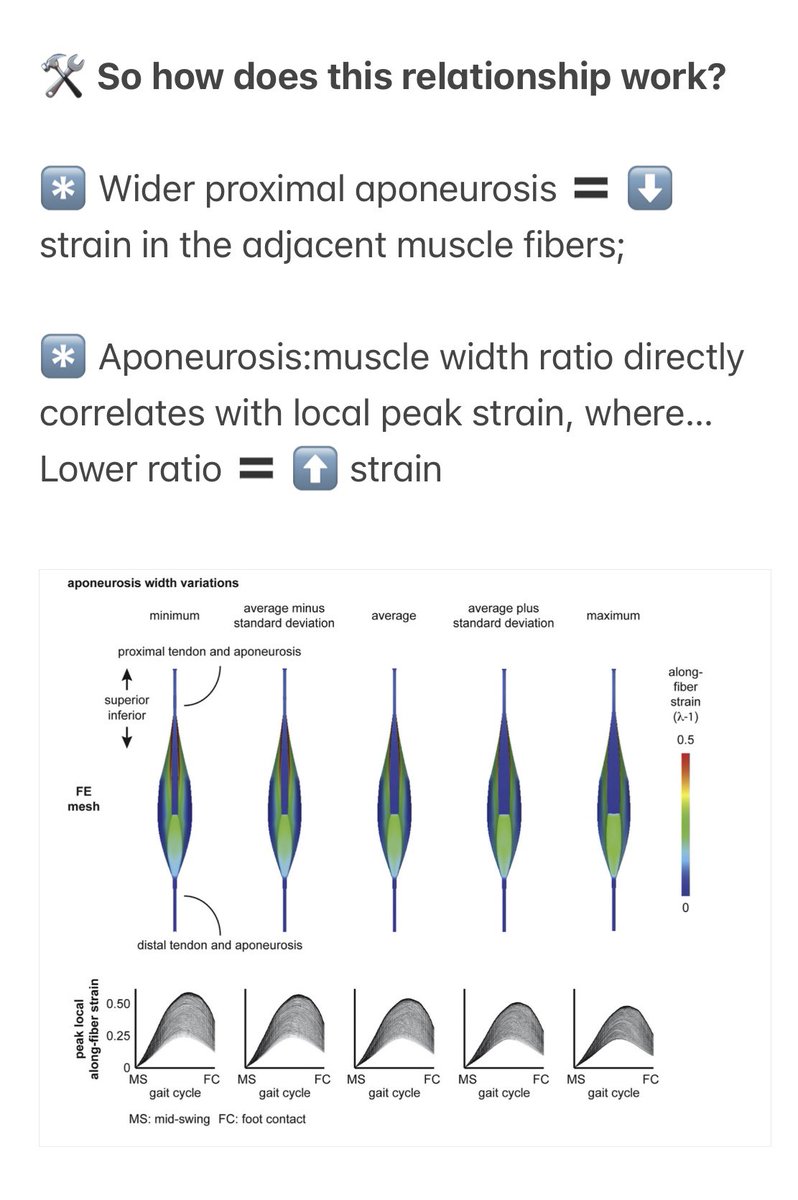
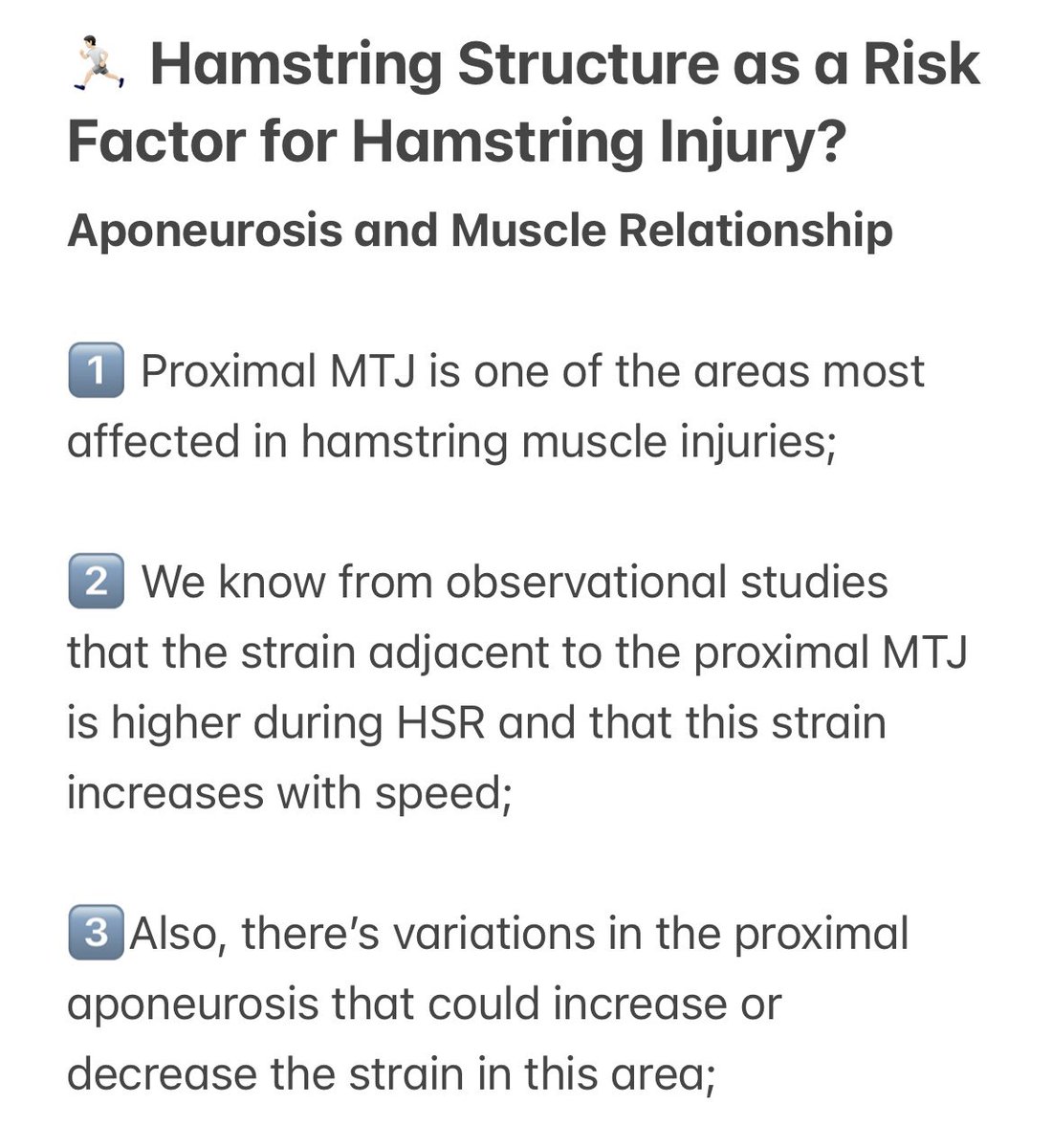
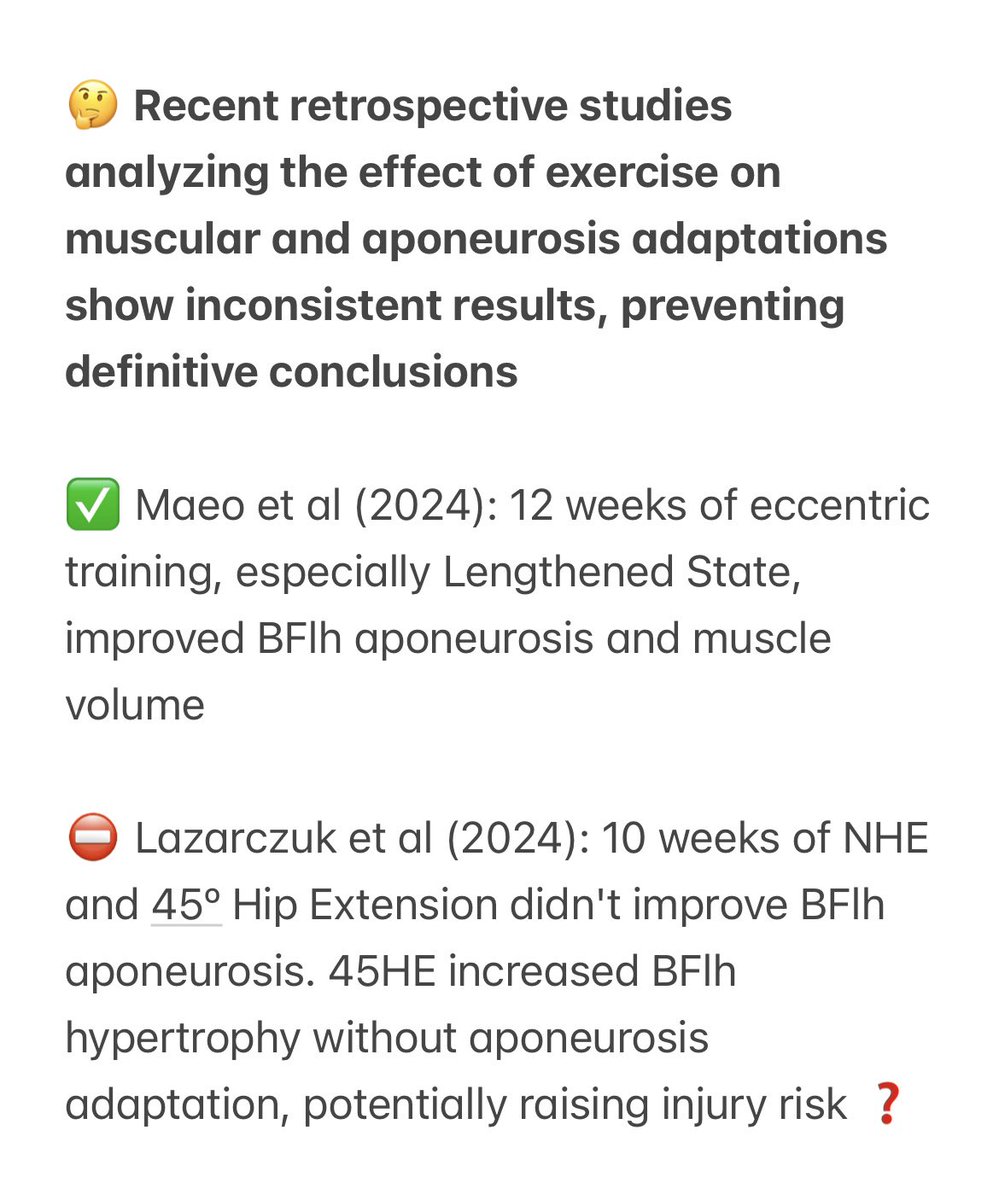
A quick recap after the #AspetarIRC on the role of muscular structure in HSI.
After 2 days packed with informative and high-quality presentations, here's a brief review and reflection on this topic
Full post on my LinkedIn page ⬇️
https://t.co/2oECtBtA1q