#Cyberstigmergy#AgroforestryAlliance
This is what I came here for. Building capacity and reputation within a Rooted Network Society.
Educating tech folks via social media.
Incubating many micro rural ventures to become cosmolocal, maybe with @revnets or @higrowfi
However im broke and working mostly offline now
🐜 🌱
Five principles for syntropic technology
1. From extraction to regeneration. Build systems that replenish more than they consume - ecological, economic, cultural, and social.
2. From concentration to distribution. Put intelligence, capital, and agency into more hands. A healthy civilization has many centers of creativity, not one center of control.
3. From optimization to aliveness. Optimize not simply for efficiency, engagement, or GDP, but for human flourishing, biodiversity, community resilience, and meaningful agency.
4. From competition to coordination. Develop tools that help people discover shared interests, steward commons, and achieve outcomes none could produce alone.
5. From technological inevitability to collective choice. Technology is not destiny. We can consciously choose what we build, who governs it, and what it serves.
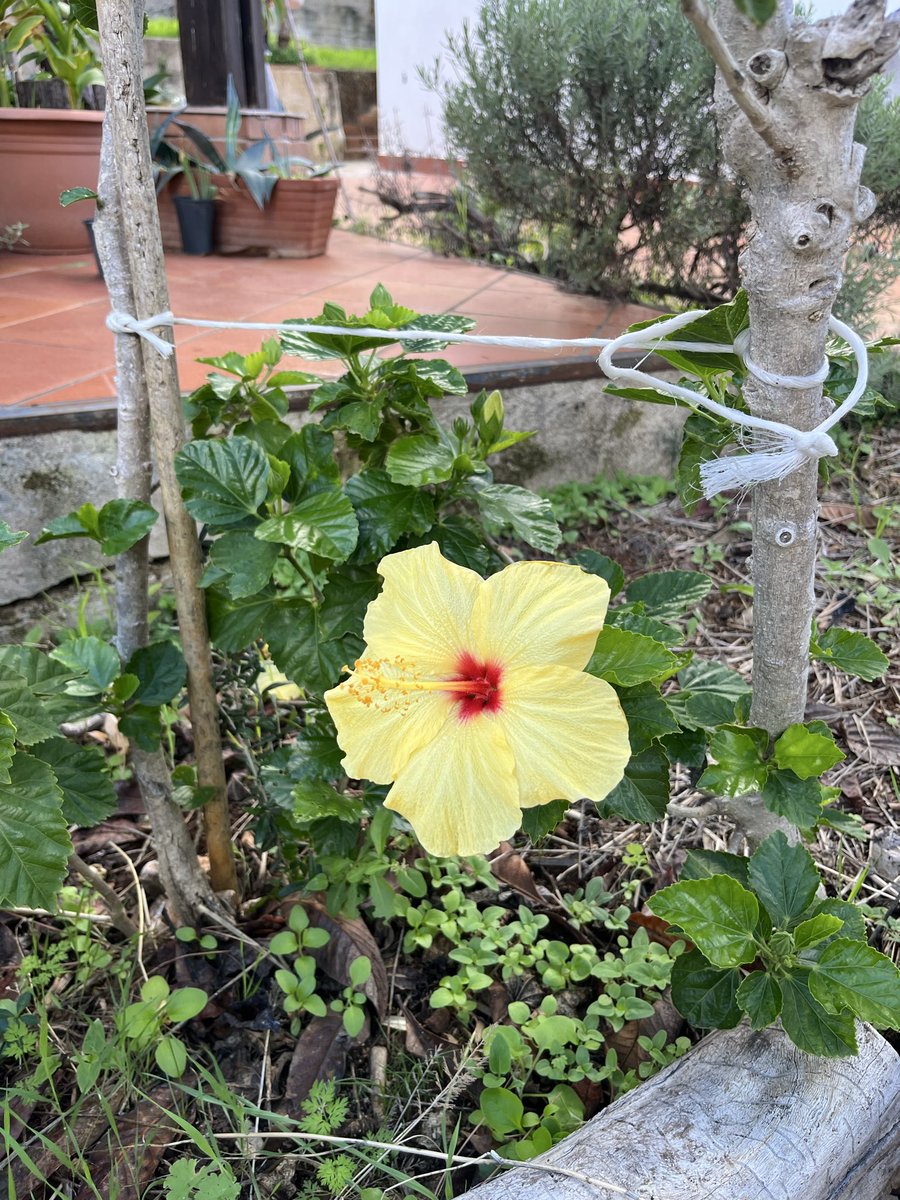
The rainy season makes Redemption Hill lush green. And from now on we every summer the local family will have lots of bananas, thanks to you regen metaverse
🙏
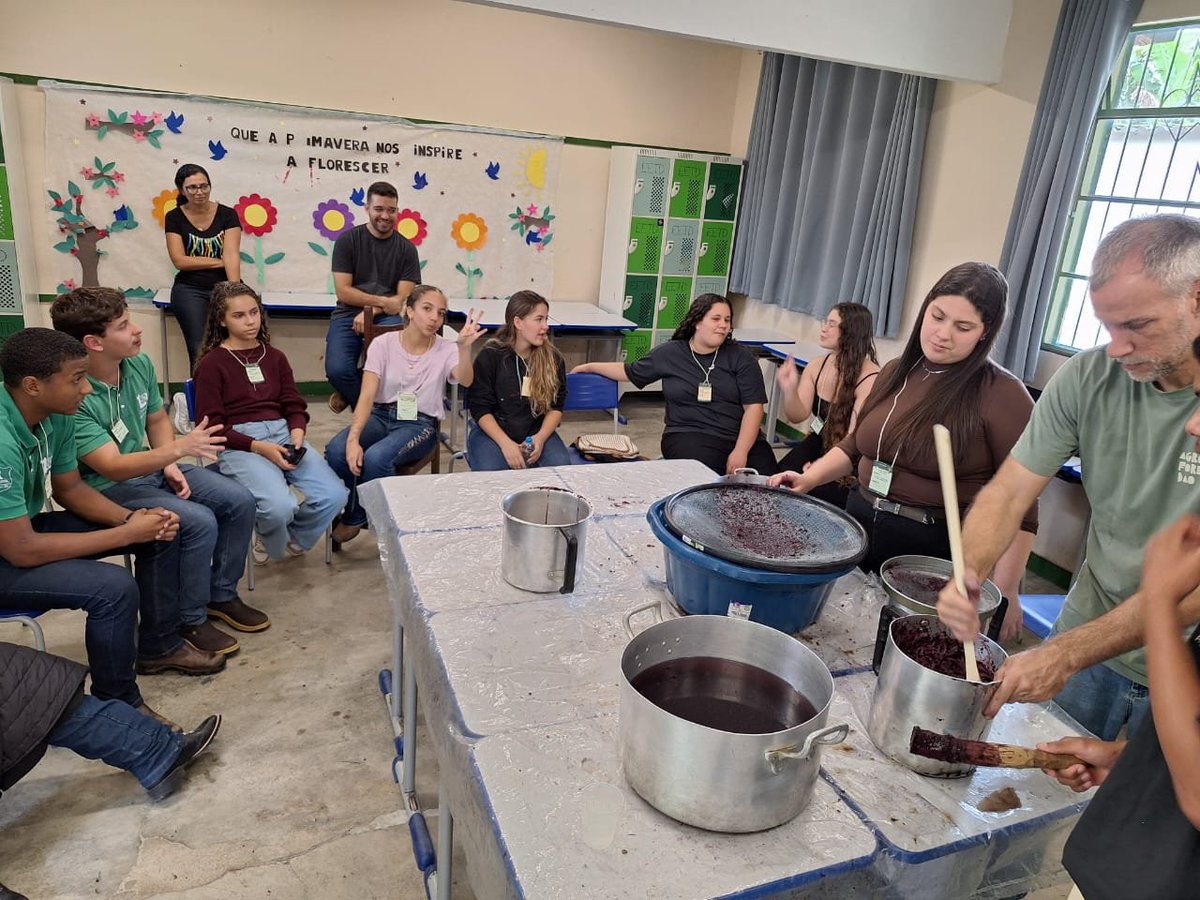
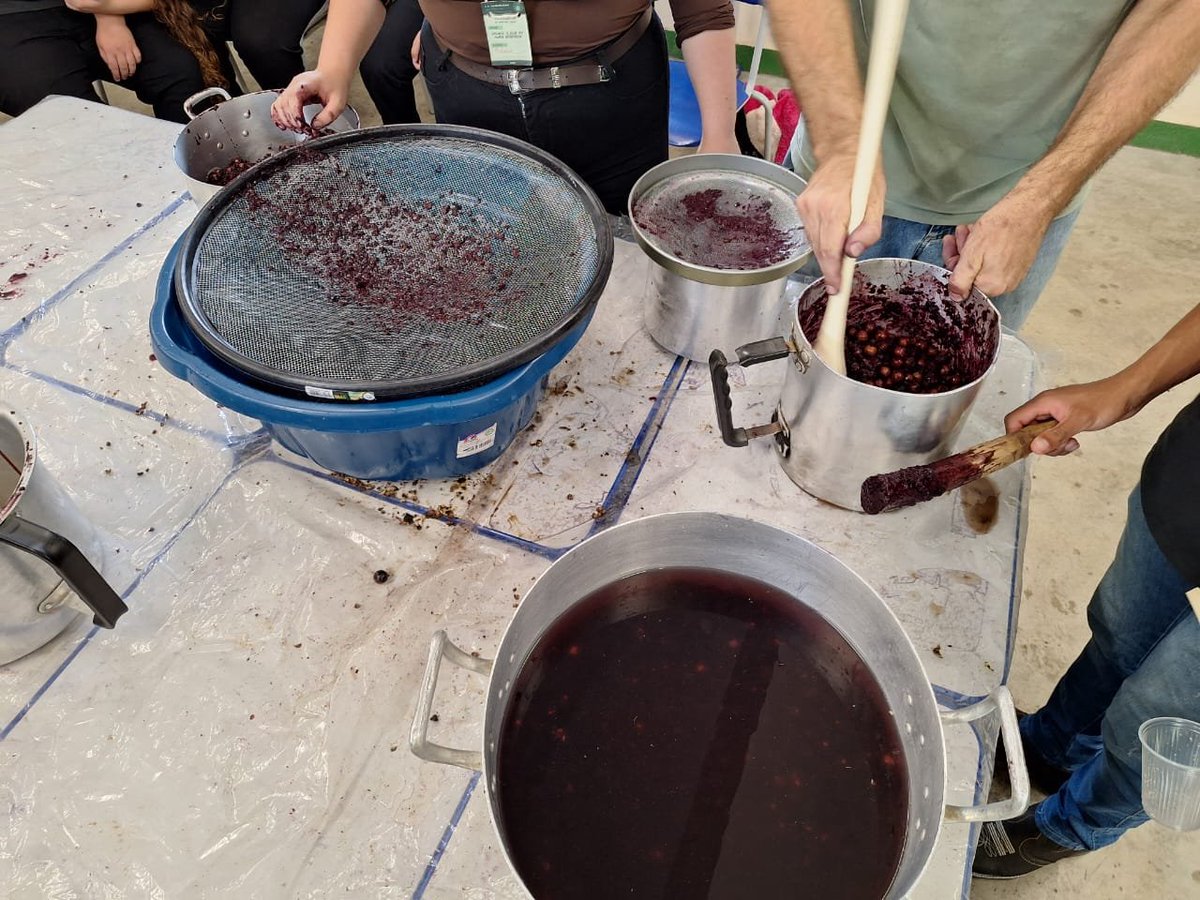
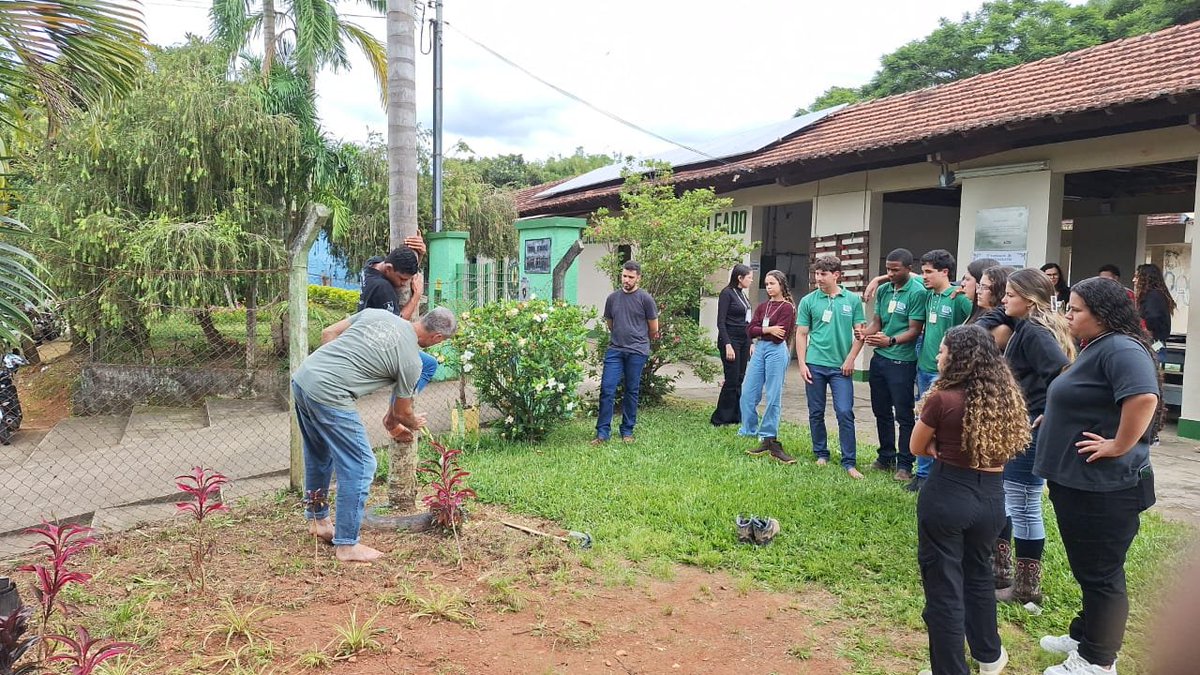
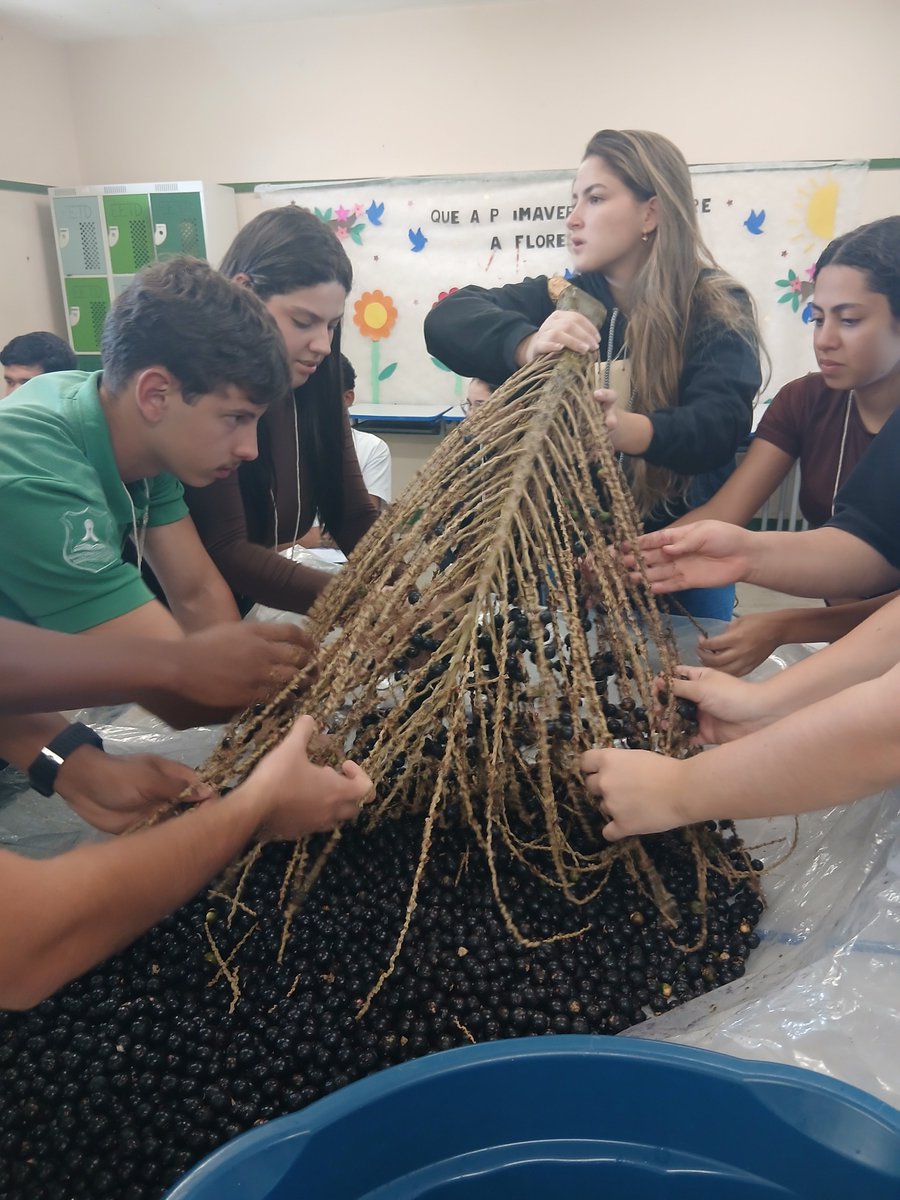
Regional Agriculture Seminar for high school students.
I went to teach them how to be a bit more integrated with the forest and to highlight Community Agriculture when all the other teachers are talking about agribusiness.
A regional safety net is the best thing these kids can start building starting now.
🐒 🌱
Se eu posso dar um conselho: mudem pra cidades pequenas.
Acabei de passar alguns dias em SP.
Desci hoje num aeroporto pequeno do sul. Depois que passou 10 minutos e as pessoas do meu voo foram embora:
Ouvi passarinhos.
Vi uns cachorros doidos e lindos correndo.
Vi um motorista SUPER sorridente ajudando pessoas a desembarcar de um onibus.
A moça do meu lado começou conversar cmg como se fossemos amigas de longa data.
Imediatamente seu corpo e sua mente mudam de estado de alerta pra estado de bem estar.
O cheiro melhora. O ar melhora. As pessoas são mais simpáticas. Mais felizes. Mais humanos.
É como se você tivesse chegado em um lugar de fato, feito para humanos.
@regenavocado@gardensdao Send me your address and I will add you to the gardens. You just have to stake 20 @Celo, and share a social media post mentioning AgroforestDAO after the meetup
This is awesome,little ant work, promoting food forest culture.
You do know that there's a support budget for meet ups doing such things in the AgroforestDAO Garden at @gardensdao right?
It's not much but it's with Love 🐒🌱
Every crisis is an opportunity to get more aligned in right relationship.
Marina is a special lady and has been the most steadfast support and member of @rifaisicilia joining both in person events and our online community calls for over 2 years.
This summer a wildfire burned many of the trees in her orchard and so she reached out to @RifaiSicilia for help regenerating her garden.
This is what it is. We chose how we want to respond to climate change.
Ernst Götsch, a Swiss visionary, bought land in the south of Bahia, Brazil, in the ’70s. The land was so dry and exhausted that the locals had abandoned it.
He had previously studied ecology and had a hypothesis that by respecting how nature evolves and mimicking it, he could create productive ecosystems superior to industrial farms. He called the system syntropic agriculture.
He bought the land cheaply, together with a friend so they could afford it, and started working on it, faithfully following his hypothesis. His intent was to create a polyculture farm mimicking the original forest, from which he would sell cacao.
However, after a couple of years, a disease that was killing cacao trees all over Brazil spread fast, causing a complete loss on the other cacao farms.
His friend became desperate, because he didn’t believe what Ernst was sure about: that by creating polyculture forests, they would have natural resilience against any disease.
In other words, the lack of vitality—the trees’ and plants’ vulnerability to pests and diseases—was caused by planting them in isolation, in a monoculture system.
His friend could not be convinced, and Ernst managed to get enough money to buy his friend’s part of the farm and avoid losing it.
He was rewarded by observing that his hypothesis was right: all cacao trees in Brazil were affected, except his.
Systems that mimic natural ones have a strong immune system.
He then continued to steward the agroforest and started to harvest cacao in due time—arguably the finest cacao in the world.
He dedicated 70% of his land to conservation and is living proof that we can produce what we want while saving our home planet.
As long as we grow plants in isolation, with a “monoculture = efficiency” mentality, we’ll keep creating vulnerability to pests and diseases.
The solution is to mimic nature, creating polycultures that build their own immunity.
That can also be done in home gardens.
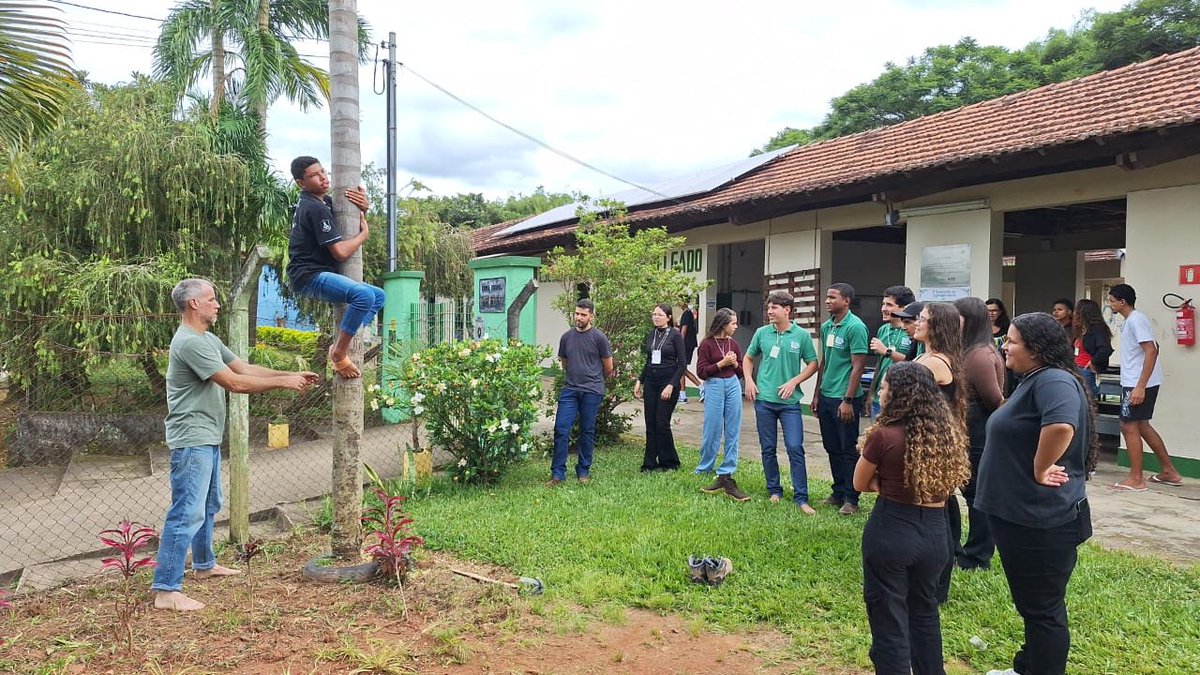
I don't know about acacia harvest. This is Euterpe edulis. There are some large scale açaí harvest in the Amazon, but I don't know exactly how it goes.
Traditionally people need to climb the palm tree one by one. The Atlantic Forest palm trees are a bit different than the Amazon ones, with larger bunches, but the fruits are very similar.
https://t.co/GPUGsOQt84