@Wamballup Yes it does generally help (reducing food source) but have still seen mice problems on mixed farms. Harvest timing and header losses pretty critical, and summer rain helps out too. Unfortunately big crops even small losses can become problematic.
"I just want to shout out the Dawson family, and Elijah Hollands last night ... hopefully the AFL community wraps their arms around them.
"Speak to your mates, put your arm around your loved ones. You never know who might need it."
- Bailey Smith
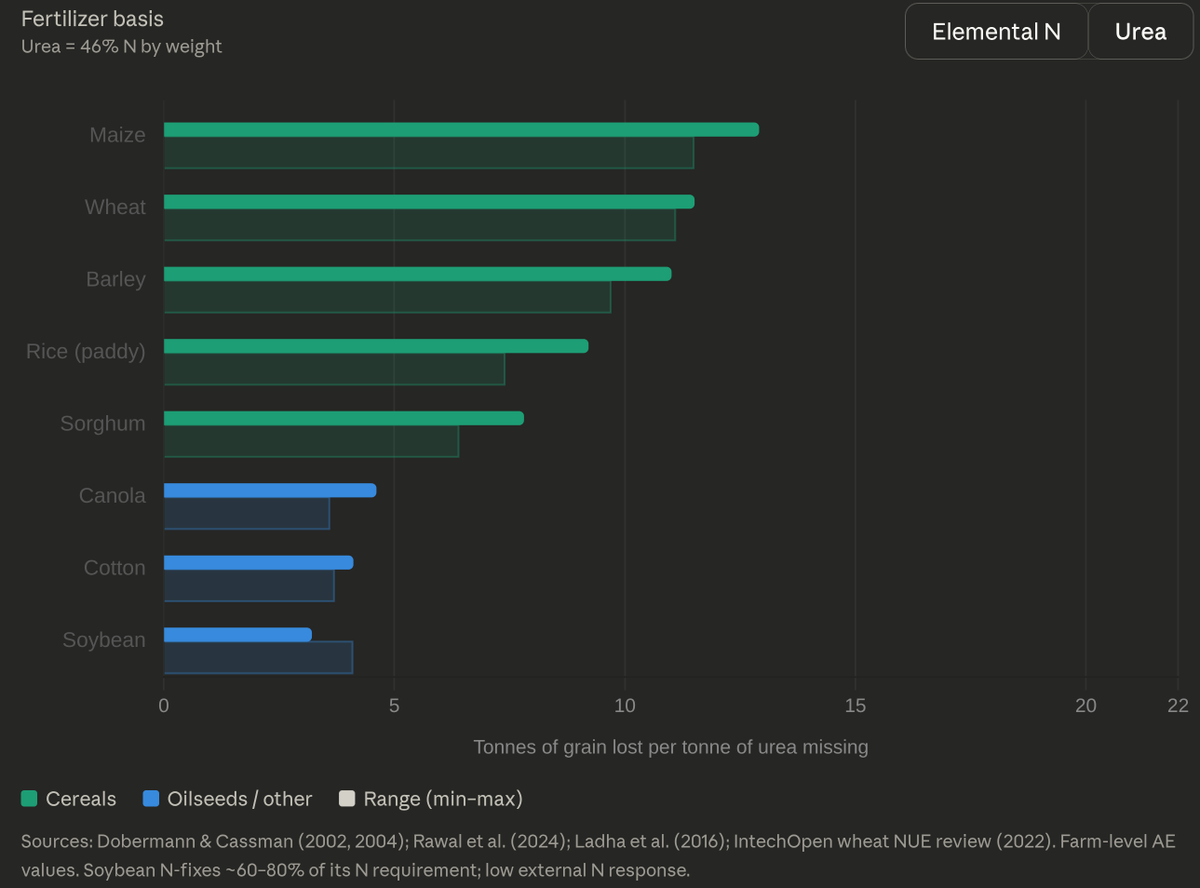
@gsandral For us the spend and return on nitrogen in wheat is gonna be tougher. I’d say some sub optimal N rates in wheat with priority being canola and barley. Gonna be a hard balancing act though.
@cameronjohno@andrewpolk7@APVMA Reports need to go back to APVMA if 25s are used and ineffective. We were told they have never had any reports of failures, which many agronomist and farmers that have dealt with similar situations have experienced. It was the impetetus for CSIRO to do the research they did.
@ipaddockapps@drage_farms The company that jumped up and down and swore black and blue the CSIRO data was wrong and we only needed the 25s, is now the one and only company with a “research permit” for the 50s… it’s a little suss for my liking 🤔.
We have experienced bad situations a few years back and label rates of the 25 baits can and have failed at high populations. Solid data from CSIRO about the 50 strength bait & fatal dose. Unsure why this has been so dismissed by the @APVMA.
Agricultural businesses in the northern Ag region of WA are under serious threat. In my experience, label rates of registered baits are not enough to control a population that has gone exponential. Recent inspections of baited paddocks show significant removal of planted seeds despite recent baiting after seeding - in fine weather. Growers will need to apply baits more than once, which is costly. The common sense approach would be to have registered mouse baiting products that have a rate range on the label, where higher rates can be used for higher pressure. Emergency permits required asap.
@APVMA@GRDCWest@theGRDC
Snail activity WA (9-14 Apr): Slight drop in #pointedsnail movement at #Gibson cam past few days but still very active. See them respond fast when RH (blue line) increased from 80->90%+! (10/4, left) 🐌⏩Cam now up at #Palmdale; moderate recent activity (9/4, right) @GRDCWest
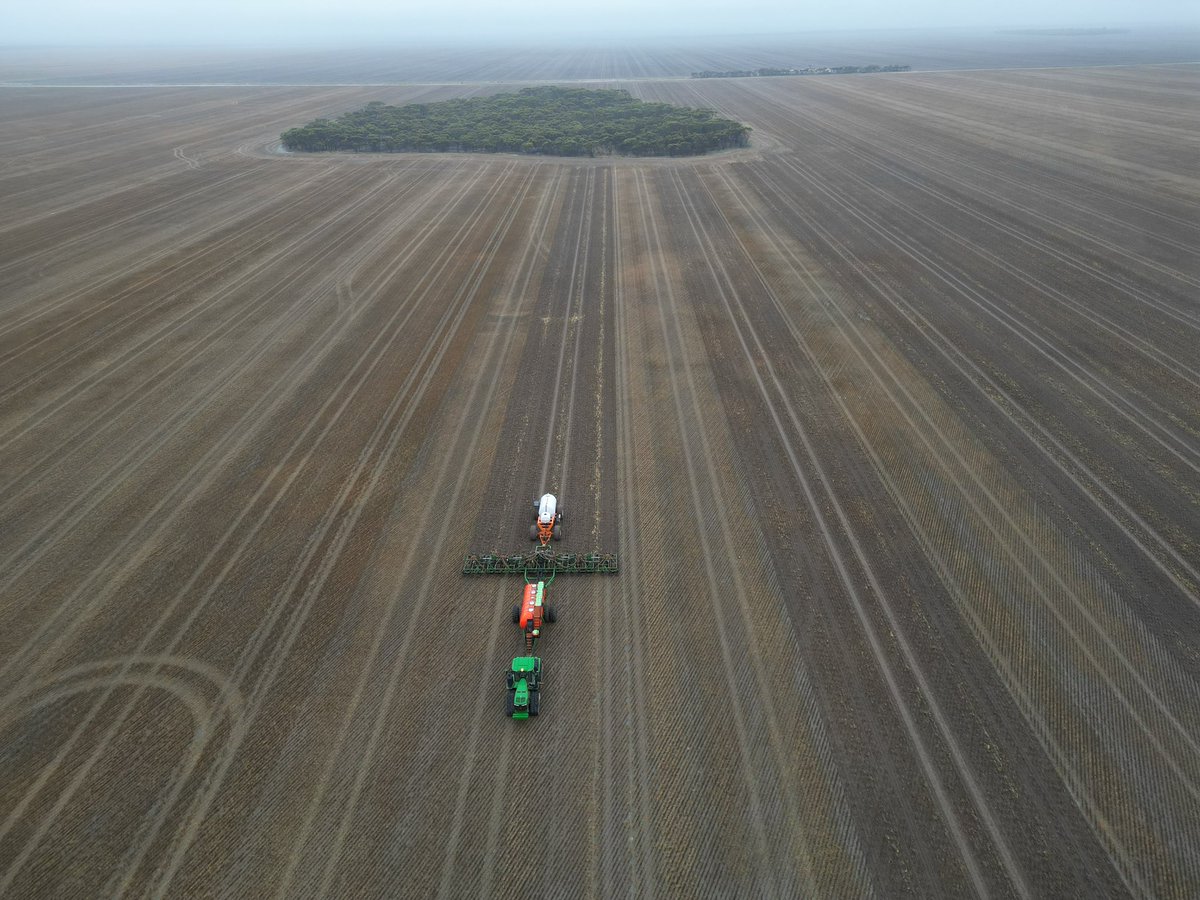
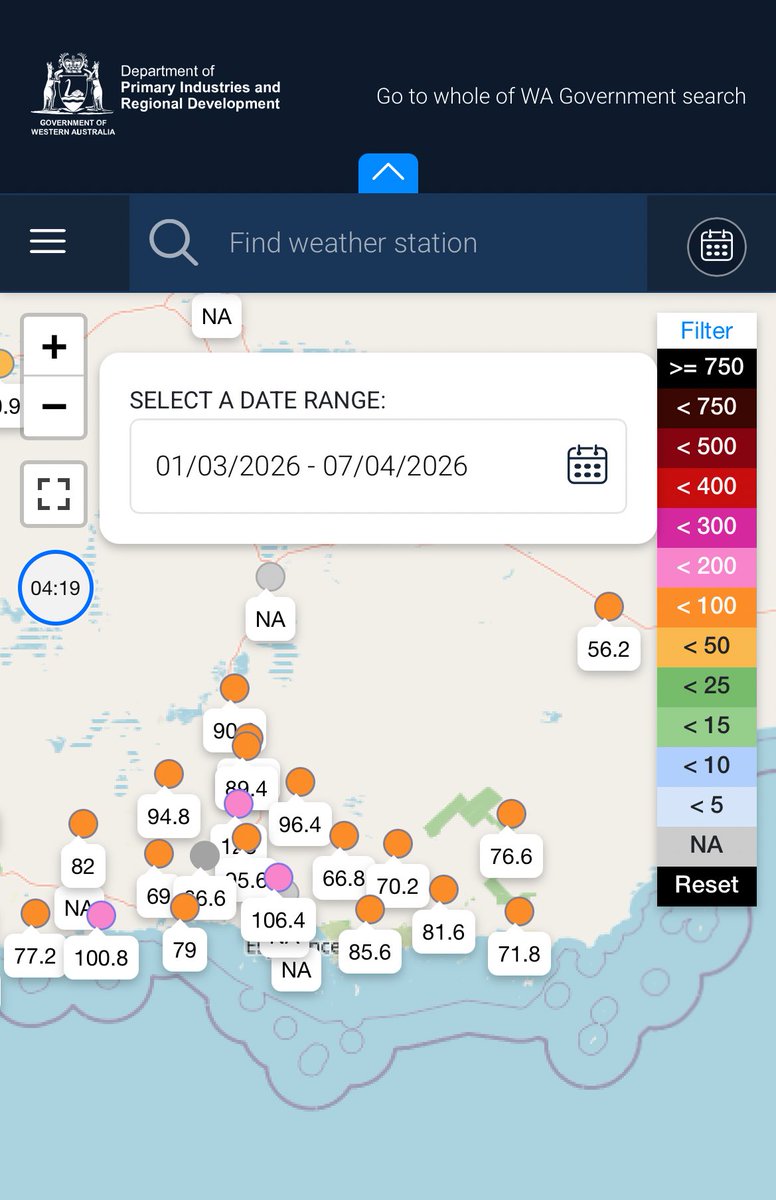
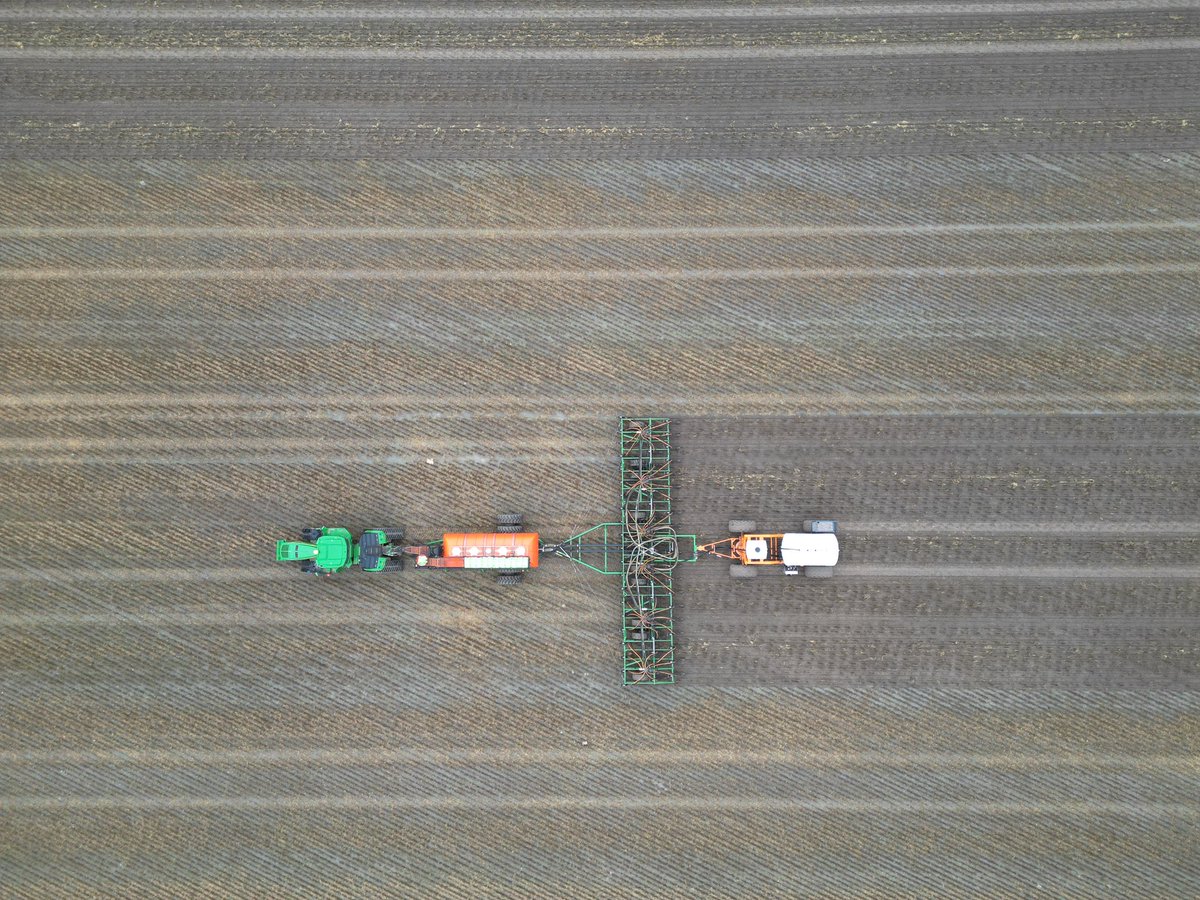
The Esperance zone has been very fortunate with the rain gods for march and early April. Lots of rotation changes, concerns about Nitrogen and diesel, but seeding is mostly underway 🌱🌱. It’s going to be a tricky year to manage, look after each other.
@sizov_andre@Warwick_Long Was already a drop in wheat hectares in south eastern WA, due to lack of chance of making a profit. Plans have already seen more of a hit since the fuel/fertiliser situation as well. Mainly in the place of barley, pulse, livestock area if an option.
Este vídeo me parece brutal. Todas las métricas importantes indican que vivimos en el mejor momento de la historia, a pesar de los profetas de la desgracia.
First pics of #snail movement from the snail cam at Gibson WA for autumn 2026! Heaps of #conicalsnail movement here from 27/3-1/4 following rain 🌧️ in late March (vid from 29/3 below). Potentially a great time to #bait active snails; test at small scale first @GRDCWest🐌
@BlakelyPaynter@DPIRDbroadacre@ConsultAg Would love a project like this to be done in the canola space in WA. Support more oat work but would love more work on phenology and early sowing data on our major profit driver: Canola @GRDCWest.
@NSWFarmers CropARM (https://t.co/1O7g2LVsvp) provides a guide as to what 'someone diminished' looks like.
Wheat at Gunnedah
Sowing nitrogen: 25kg N/ha vs 100 kg N/ha
Predicted mean yield: 1.3 t/ha vs 3.7 t/ha
Predicted gross margin: $148/ha vs $777/ha
Somewhat diminished indeed...