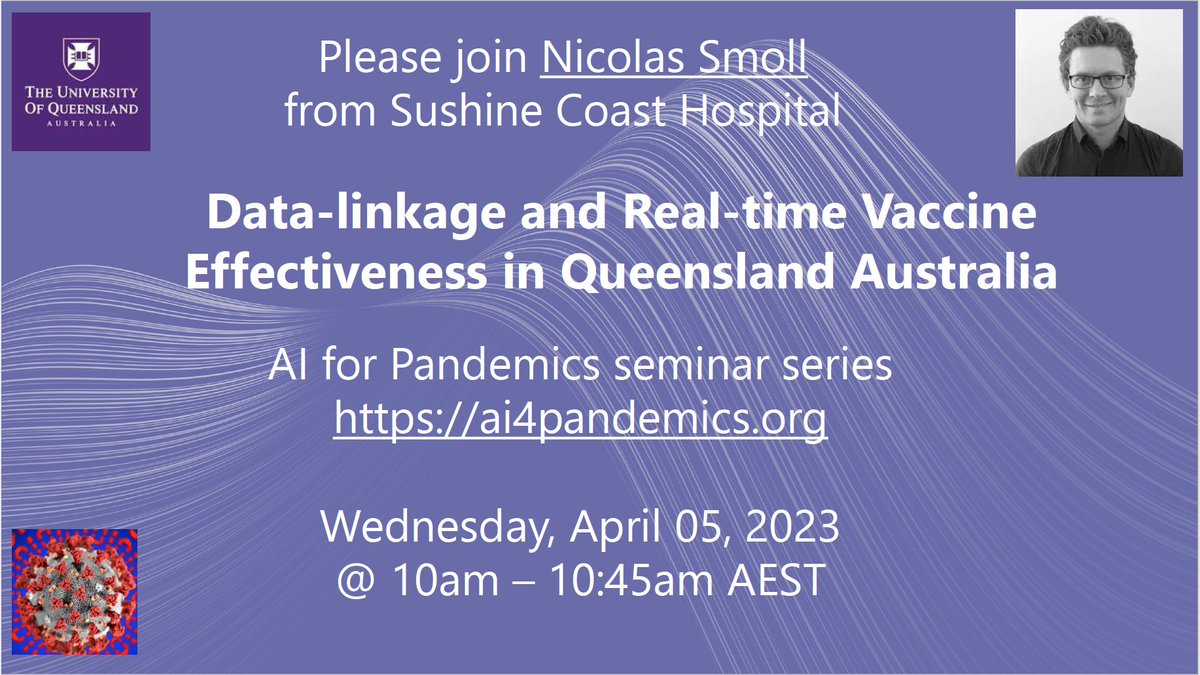
Join Dr Nicolas Smoll from Sushine Coast Hospital for a presentation on "Data-linkage and Real-time Vaccine Effectiveness in Queensland Australia"
Date: Wednesday, 05 April 2023
Time: 10am - 10:45am AEST
Join Dr Nicolas Smoll from Sushine Coast Hospital for a presentation on "Data-linkage and Real-time Vaccine Effectiveness in Queensland Australia"
Date: Wednesday, 05 April 2023
Time: 10am - 10:45am AEST
Join Emily Pfaff, UNC School of Medicine for a presentation of "Phenotyping Long COVID Using Machine Learning and Electronic Health Records: Promise and Pitfalls"
Date: Wednesday 1 March 2023
Time: 10am - 10:45am AEST
What is going on with our immune cells after COVID-19 infection?
This thread will explore some of the impacts of COVID infection on our immune system even after people are recovered including:
- Missing naive T-cells
- Exhausted T-cells
- Loss of B-cell maturation
🧵1/
Ten COVID Facts Health Officials Dangerously Downplay
Andrew Nikiforuk writes about 10 facts that everyone should know about but may not because public health has not educated people well enough ( https://t.co/Mh7h06Kj6L ). 🧵1/7
Closing today (Weds 21 Dec) - Postdoctoral Research Associate in Mathematical Biology with @SydneyMaths.
Check out that - and many other great career opportunities on our Jobs Board:
👉https://t.co/FbwkDk3RuD
#Maths#mathematics#datascience#statistics
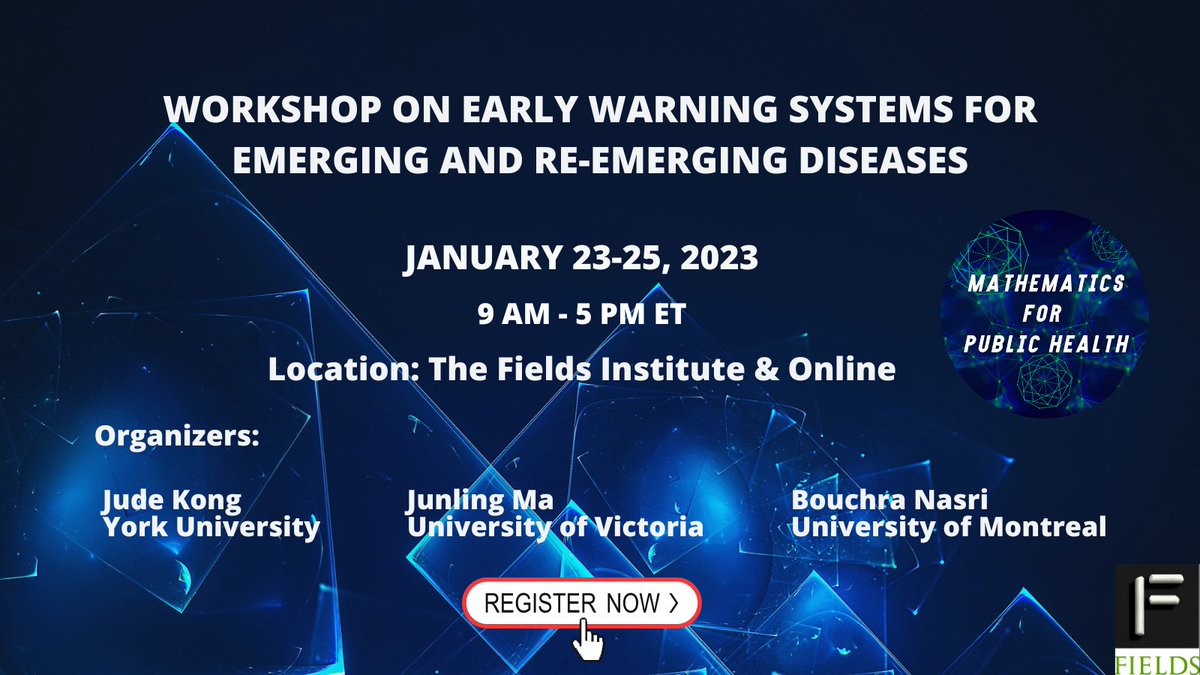
I am excited to announce that our workshop (@MathTaskForce) on Early Warning Systems for Emerging and Re-emerging Diseases is now open for registration. Please reserve your seat as space is limited! Please register now 🙂.
link: https://t.co/y5FTtbZW0t
@FieldsInstitute
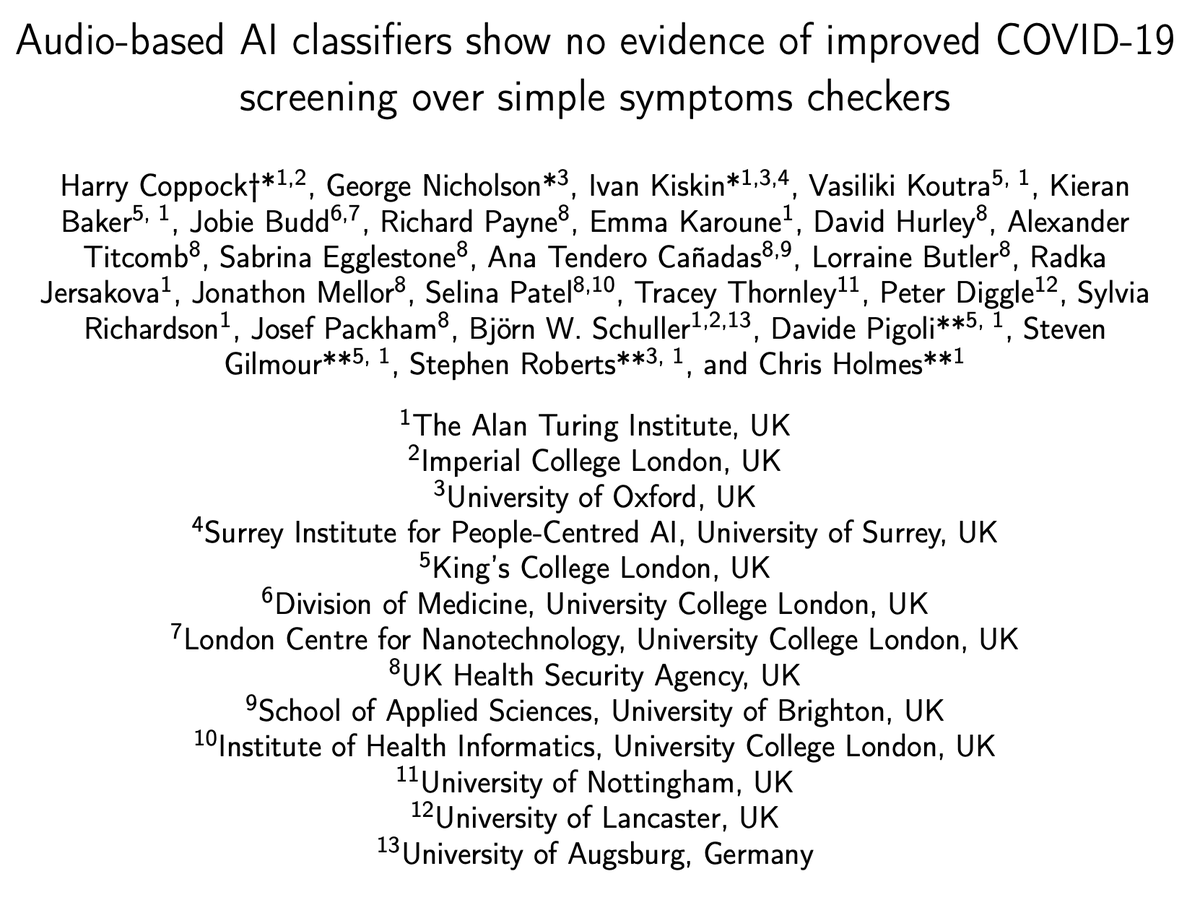
New Paper! Very excited to share our most recent work investigating the effects of confounders in COVID-19 detection from respiratory audio.
link: https://t.co/X9qWJ2DUnk
🧵(1/9)
This small, phone-connected device can replace a blood test for malaria
Developed by a team led by #UQ’s @Lenasanya it uses infrared light and could help efforts to eradicate the disease
Read more @CosmosMagazine https://t.co/tDiE8q5ejq @UQscience
Even if immune dysfunction occurs in just 5% of #COVID19 patients, the effect across populations could raise the threat posed by many other infections, @CrabbBrendan told @business' @jwgale.
https://t.co/uEF26DruWC