Lp(a)HORIZON is negative. Does this mean the Lp(a) hypothesis is wrong? I don’t think we can conclude that — at least not yet.
Before seeing the full data, several explanations deserve consideration:
1. Background therapy matters.
In contemporary secondary prevention, aggressive LDL-C/ApoB lowering and comprehensive risk-factor control may substantially reduce the residual risk attributable to Lp(a)
2. Perhaps we are treating too late.
Genetics reflects lifelong exposure to elevated Lp(a). Lowering Lp(a) for a few years after ASCVD is already established may simply be too little, too late
3. Magnitude and duration of Lp(a) lowering may matter.
Not all Lp(a)-lowering strategies are equivalent. We need the achieved absolute levels, sustained reduction, adherence, and exposure over time before extrapolating HORIZON to the entire therapeutic class
4. The benefit may lie in the extreme tail.
Perhaps the clinically modifiable risk is concentrated among patients with very high Lp(a). The prespecified analyses at higher baseline Lp(a) levels will be particularly important
5. Lp(a) concentration may not tell the whole biological story.
OxPL burden, apo(a) isoform size, and particle composition may influence pathogenicity. Two patients with the same Lp(a) concentration may not necessarily carry the same Lp(a)-mediated risk
6. Could the endpoint dilute the signal?
Lp(a) may preferentially affect coronary and recurrent events. Individual MI/revascularization and total-event analyses may tell a different story than first 4-point MACE.
7. Genetics may predict causality better than therapeutic effect size.
Mendelian randomization reflects decades of exposure. It should not automatically be translated into the magnitude of benefit expected from a relatively short pharmacological intervention
8. Are we targeting Lp(a), but not necessarily its most pathogenic cargo?
Lp(a) is the major carrier of oxidized phospholipids (OxPL), which contribute to vascular inflammation, plaque vulnerability and thrombogenicity. Lp(a) concentration may therefore be an imperfect surrogate for its biological activity. The relationship between Lp(a) lowering, OxPL reduction and clinical benefit deserves particular attention
9. Could intensive antiplatelet therapy attenuate the atherothrombotic component of Lp(a) risk?
Lp(a) may promote thrombosis through platelet activation, coagulation and formation of more lysis-resistant clots. OxPL can also interact with platelet receptors. In a secondary-prevention population such as HORIZON, where aspirin and other antiplatelet therapies are extensively used, part of this pathway may already be pharmacologically suppressed — potentially leaving less Lp(a)-mediated risk for pelacarsen to modify
10. Low event rates may be part of the answer.
Despite enrolling 8,323 high-risk secondary-prevention patients, HORIZON required a remarkably long follow-up to accrue the prespecified number of events. This suggests that contemporary secondary prevention substantially reduced the absolute residual risk available for Lp(a) lowering to modify. Nuestro análisis previo ya señalaba que la menor tasa de eventos era una de las principales amenazas para el estudio
11. Was HORIZON powered for a larger effect than the true pharmacological effect?
An event-driven design protects statistical power if the required number of events is reached — but only for the effect size assumed in the design. If short-term pharmacological Lp(a) lowering produces a much smaller benefit than predicted from lifelong genetic exposure, even a trial of >8,000 patients may struggle to demonstrate it
12. The long time required to reach the endpoint may itself be biologically informative.
These were patients with established ASCVD and very high Lp(a), yet events accumulated more slowly than anticipated. Perhaps elevated Lp(a) identifies substantial lifetime risk, but contributes less modifiable short-term residual risk once other major pathways are aggressively treated.
13. Six years is a long time for background therapy to evolve.
During prolonged follow-up, increasing use of PCSK9 inhibitors, ezetimibe, bempedoic acid, inclisiran, SGLT2 inhibitors and GLP-1 receptor agonists — together with improved BP and antithrombotic management — may have progressively reduced event rates in both groups. These potential therapeutic “drop-ins” were already a concern before the results were known
14. First events may not capture the entire Lp(a) burden.
Lp(a) could influence recurrent coronary events and total atherosclerotic burden more strongly than time-to-first MACE. Analyses of total/recurrent events will therefore be particularly important
15. The “risk-factor exhaustion” hypothesis.
With LDL-C around 65 mg/dL, intensive lipid-lowering therapy, antiplatelet treatment, good BP control and contemporary diabetes therapy, multiple atherogenic and thrombotic pathways were already being targeted. HORIZON may therefore have tested Lp(a) lowering in a setting where relatively little modifiable residual risk remained. The published baseline characteristics already showed how intensively treated this population was
16. Perhaps the effect of Lp(a) depends on the surrounding biological environment.
The clinical consequences of Lp(a) may result from the interaction of apoB particle burden + OxPL-mediated inflammation + thrombosis/impaired fibrinolysis. With LDL/ApoB aggressively lowered and most patients receiving antiplatelet therapy, two important components of that environment may already have been attenuated.
Maybe the key question is not simply whether Lp(a) is causal, but WHEN, in WHOM, and HOW MUCH it needs to be lowered to change clinical outcomes.
Until we see the full HORIZON dataset, declaring the Lp(a) hypothesis dead seems premature.
#Lp(a) #LipoproteinA #ASCVD #Cardiology #Atherosclerosis #Horizontes
https://t.co/4vg5My5m4b
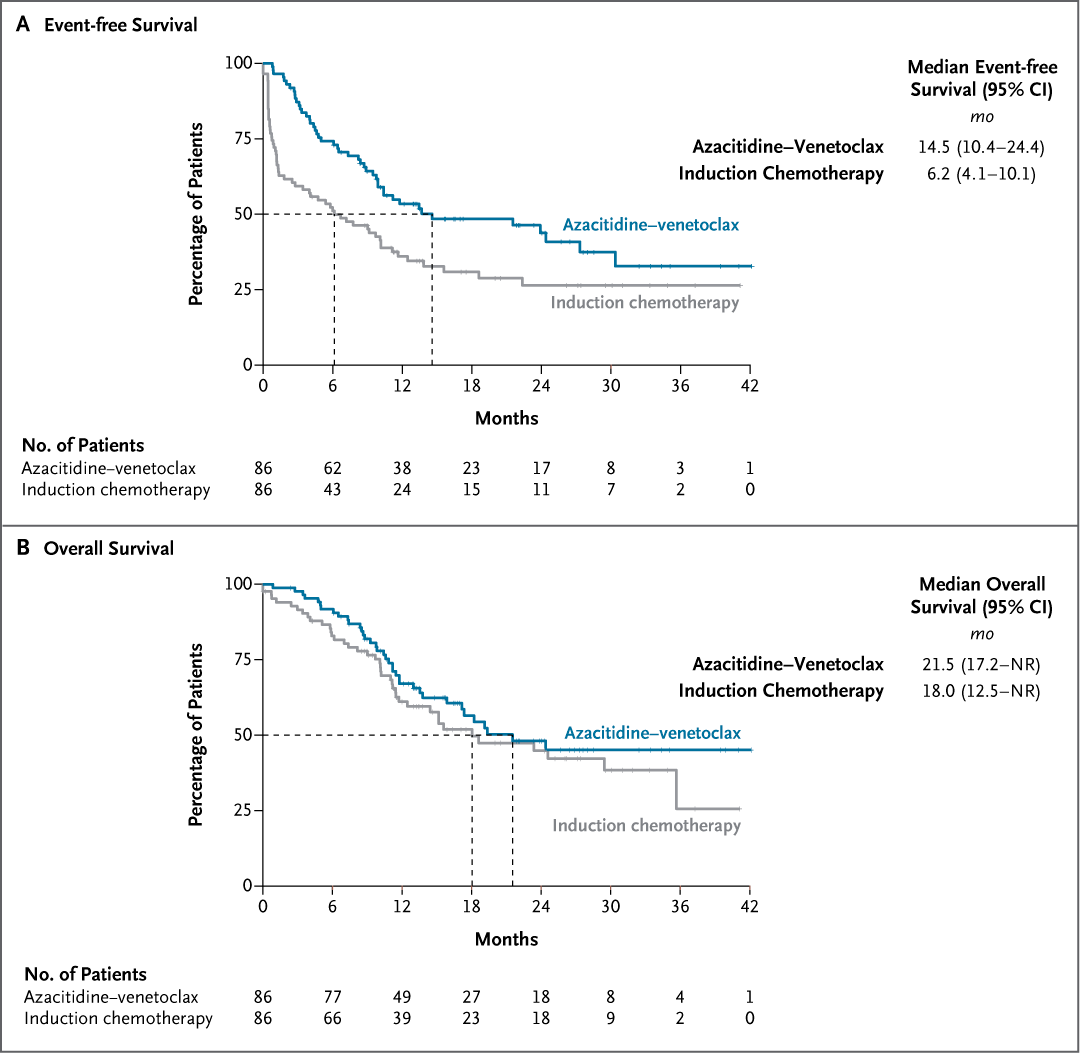
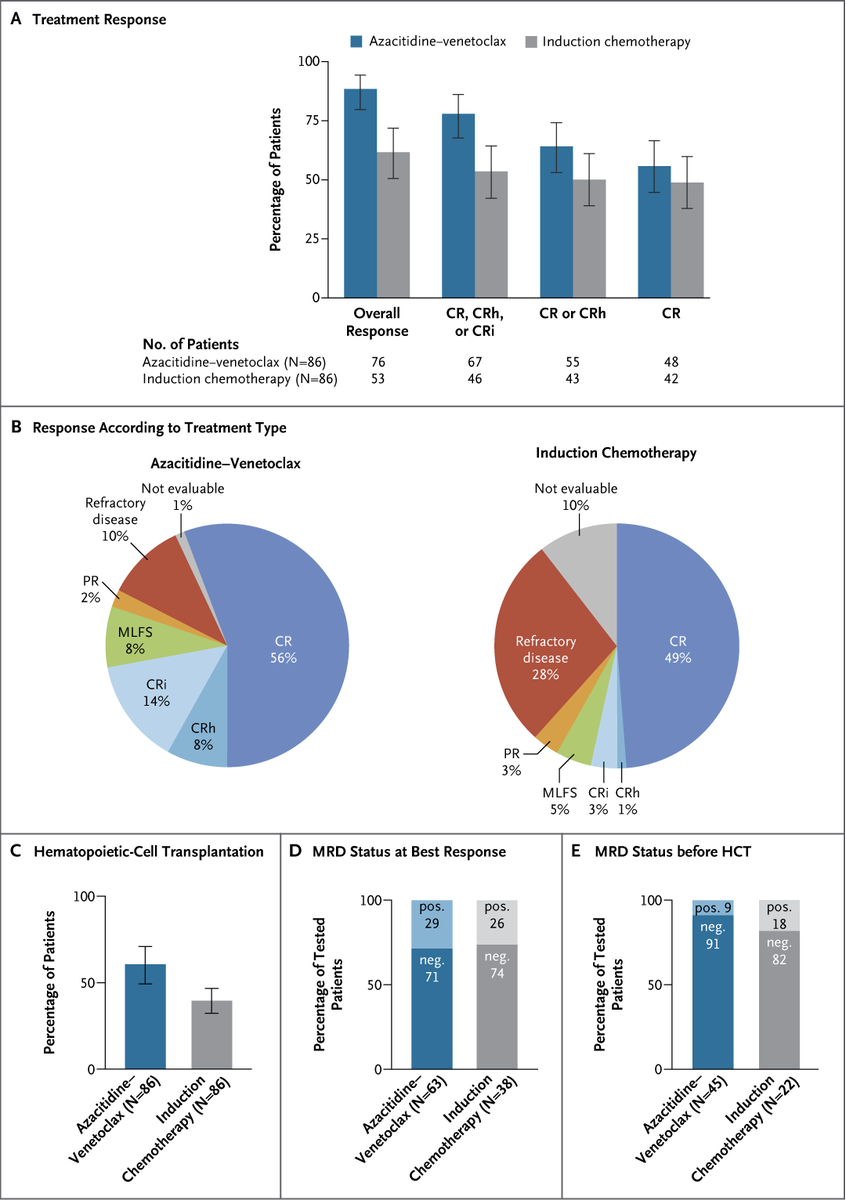
Original Article: Azacitidine–Venetoclax or Induction Chemotherapy for Acute Myeloid Leukemia (PARADIGM trial) https://t.co/iiDNsw6CUW
Editorial: Hypomethylating Agents plus Venetoclax as Compared with Intensive Chemotherapy in Patients with AML https://t.co/zsAPQjxEDb
#Hematology
في خبر محلجل في عالم الكوليسترول وامراض القلب
اعلنت شركة نوفارتس فشل علاجهم الجديد Pelacarsen في تخفيض الاصابات بامراض القلب بالرغم من تخفيضه لمستوى Lp(a) الوراثي بمستويات عالية
توقع الكثيرون ويكادون يجزمون ان تخفيض هذا البروتين سينتج عنه تخفيض في عدد الاصابات بامراض القلب ولكن..
اعلنت الشركة غير ذلك وانضم هذا البروتين الى غيره من العلامات التي تخفيضها بالادوية لا ينتج عنه فائدة طبية مثل رفع HDL وتخفيض TG وغيرها
ويبقى بروتين LDL لوحده البروتين الاهم والذي بتخفيضه تهبط خطورة امراض القلب
هذا درس اخر للحذر من الانجراف خلف التوقعات قبل ظهور نتائج الدراسات السريرية المحكمة
لم تنتهي القصة بالكامل فمازالت هناك دراسات جارية لعلاجات اخرى في هذا المجال ولكن طريقها للنجاح اصبح اقل وضوحا
This question was answered nearly two decades ago:
https://t.co/8ymT62Ejk2
In patients with prior aspirin-associated ulcer bleeding, continuing aspirin with esomeprazole resulted in a recurrent ulcer bleeding rate of 0.7%, compared with 8.6% in those switched to clopidogrel alone
Unbelievable!
Presented to ER with ACS > arrested > achieved ROSC after 10 min > cannulated for VA-ECMO, intubated, kept on inotropes > improved > support weaned-off, de-cannulated from ECMO and Extubated > discharged to complete his Hajj with a smart watch to follow his vitals.
#News | 🗞️
After complete cardiac arrest...
#King_Abdullah_Medical_City saves an Indian pilgrim using mobile cardiac ECMO technology, enabling him to continue his spiritual journey with smart health monitoring.
https://t.co/Iy4Wg9v0PI
#Healthy_Hajj#Hajj_1447
#Makkah_City_of_the_Safe_Heart
Proud to announce the launch of the Advanced Heart Failure and Transplant Cardiology Fellowship Program at King Faisal Specialist Hospital & Research Centre, Riyadh.
The first fellowship of its kind in Saudi Arabia, officially accredited by the Saudi Commission for Health Specialties.
Established at a leading regional center in heart transplantation and mechanical circulatory support, the program is designed to train future leaders in this highly specialized field.
@GaneshMuthappan@SeeFisch In 1960s studies, patients were given at least 100 mg so everyone did the same since then.
But the new Aldactone formulations are more potent than older ones. So now it would make sense to start with 25 mg rather than 100.
Note: Japanese guidelines recommend starting with 25 mg.
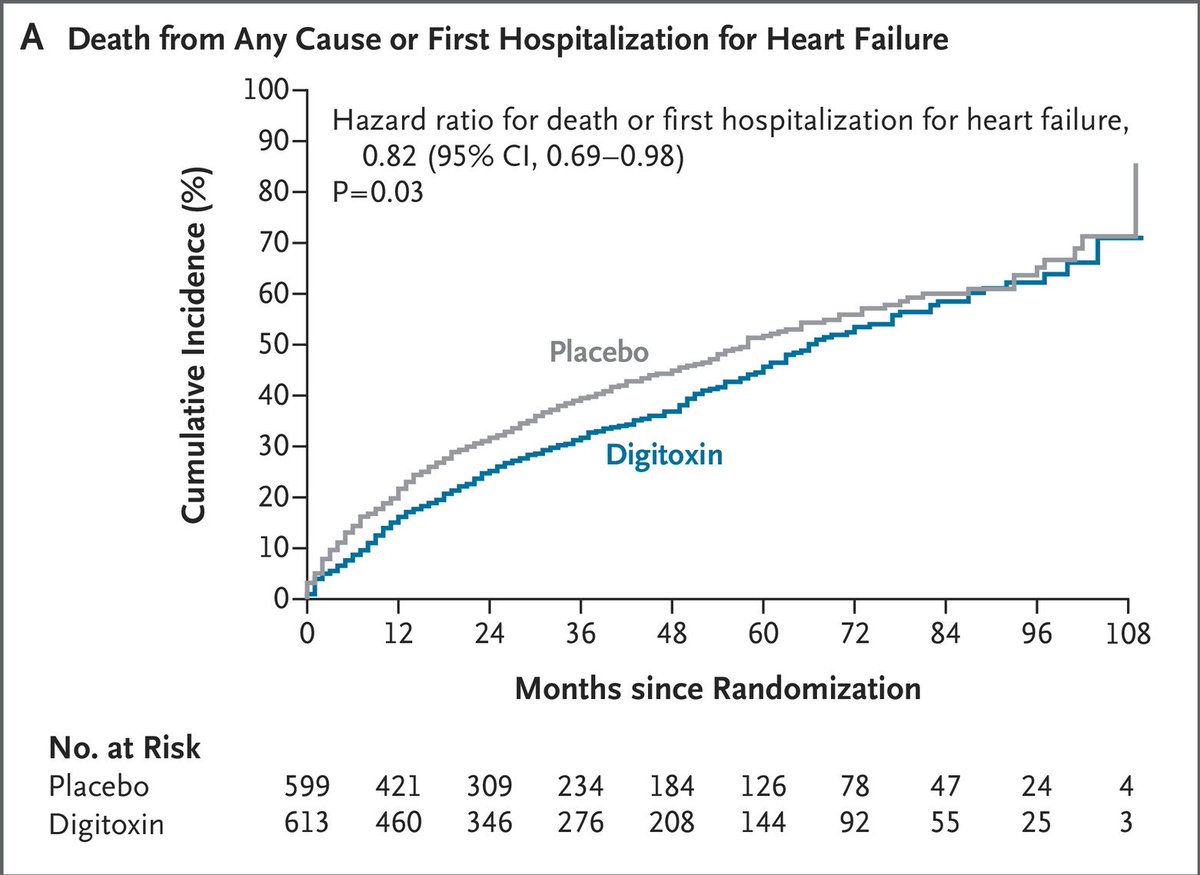
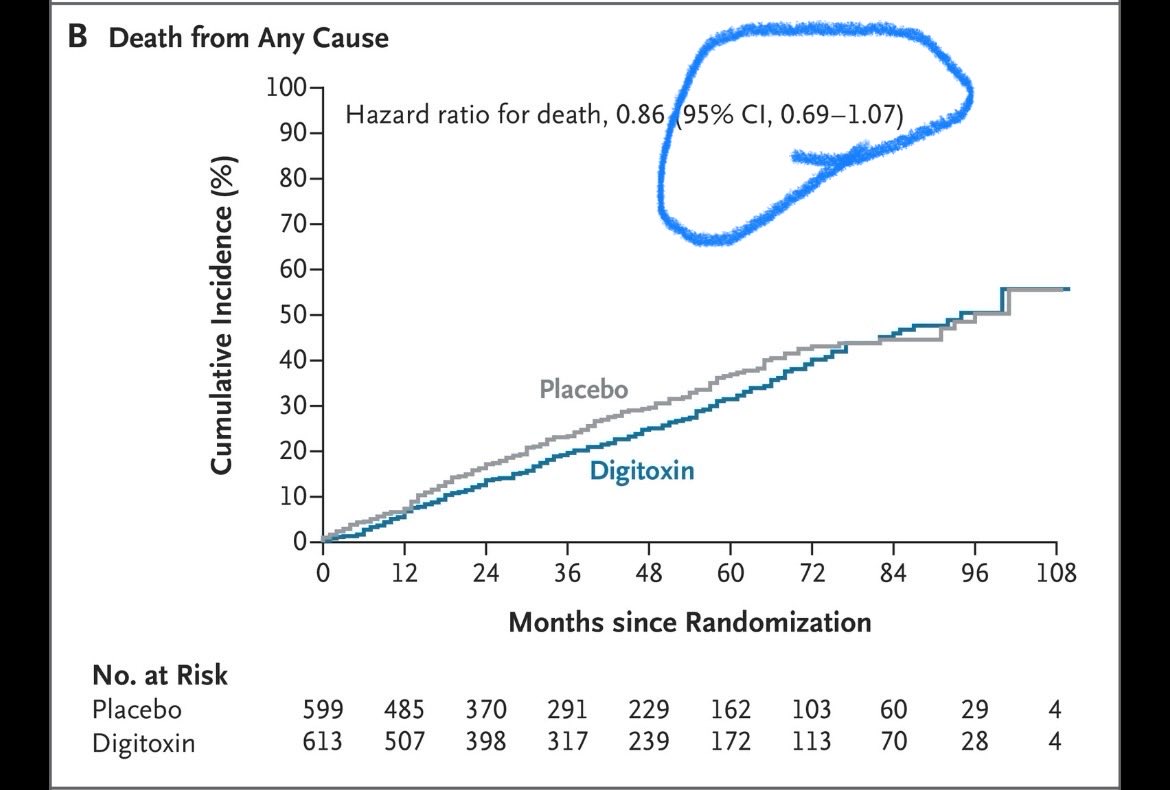
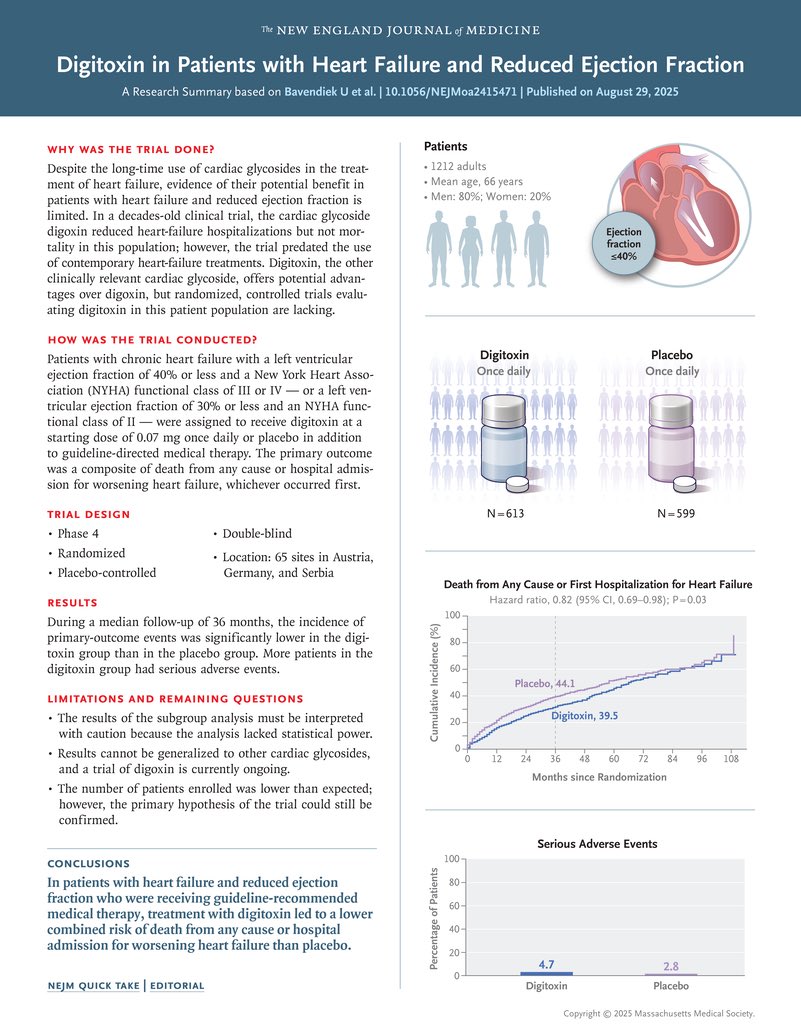
1- No statically significant reduction when we see mortality alone, but only when it comes to the combined endpoint (Death/hospitalisation).
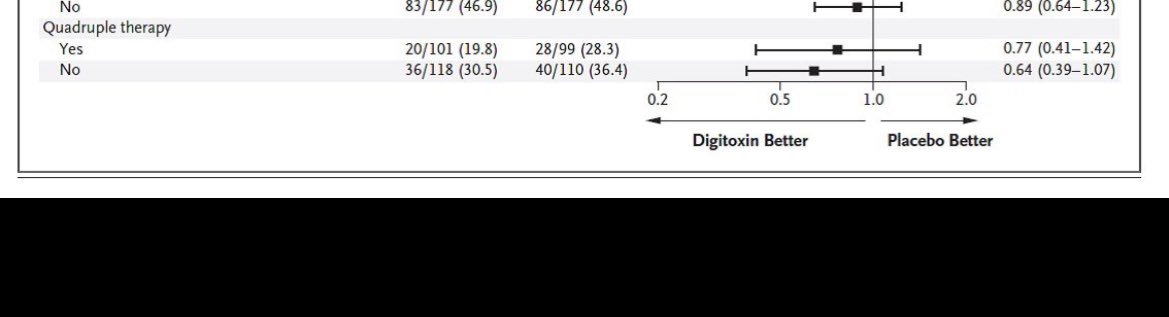
2- Wide CI that crosses 1 when it comes to the question of adding Digitoxin on the Quadruple therapy.
The trial needed a larger sample.
An important trial that further shows that the American College of Cardiology blood pressure recommendation of targeting BP less than 130/80 is more superior to The American Academy of Family Physicians recommendation of targeting BP of less than 140/90.
In the BPROAD trial, patients with type 2 diabetes had a lower incidence of major cardiovascular outcomes with a systolic blood-pressure target of less than 120 mm Hg than with a target of less than 140 mm Hg. Full trial results and Research Summary: https://t.co/HrGBjmBr7A
لوحة قطة الرّس
ألوان زيتية على كتّان
160*120 سم
القطة التي استخدمها مقاومو الرس في صد محاولة ابراهيم باشا لتفجير سور الرّس.
ضمن اطلاق المجموعة الفنية الأولى ل(تخليد) - لتجسير الموروث عبر الفن @Takhleed_KSA
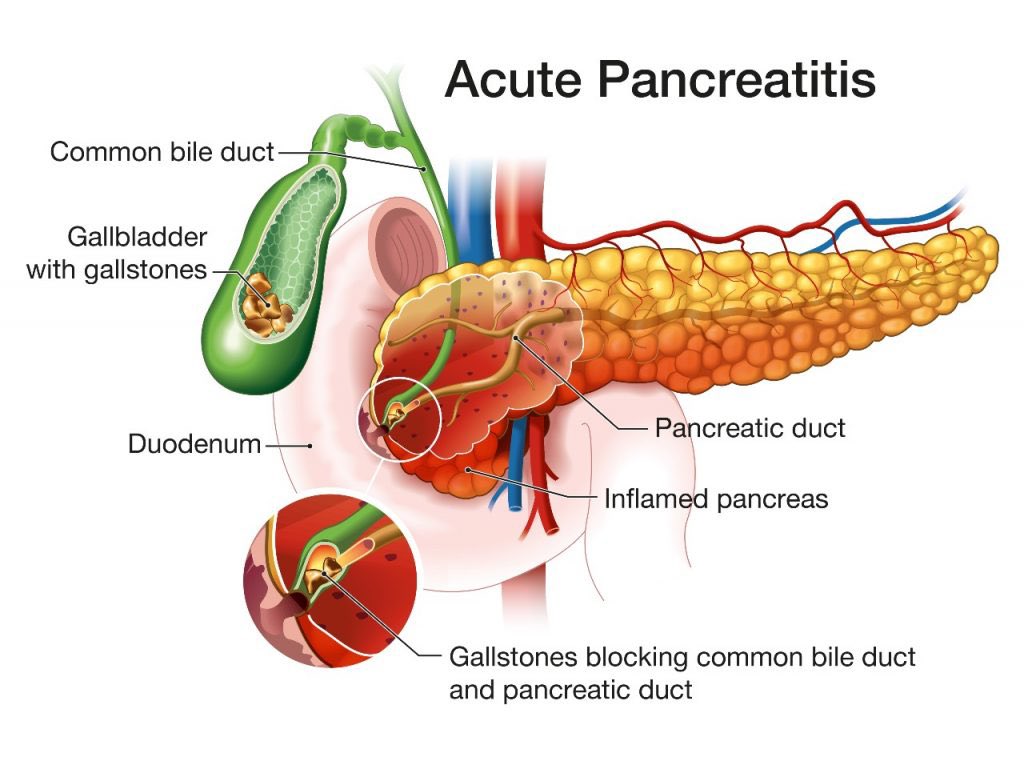
Moderate resuscitation is preferred in pancreatitis according to the WATERFALL trial that showed that aggressive resuscitation resulted in more volume overload without significant clinical outcome improvement.
“Moderate” here means 10 ml/kg bolus and 1.5 ml/kg maintenance.
يومنا الوطني المجيد ذكرى عزيزة متجددة في صفحات الوطن الأبيّ، متجذرة في وجدان الشعب السعودي العظيم. اللهم أدم على بلادنا أمنها ورخاءها واستقرارها، واحفظها من كل سوء.
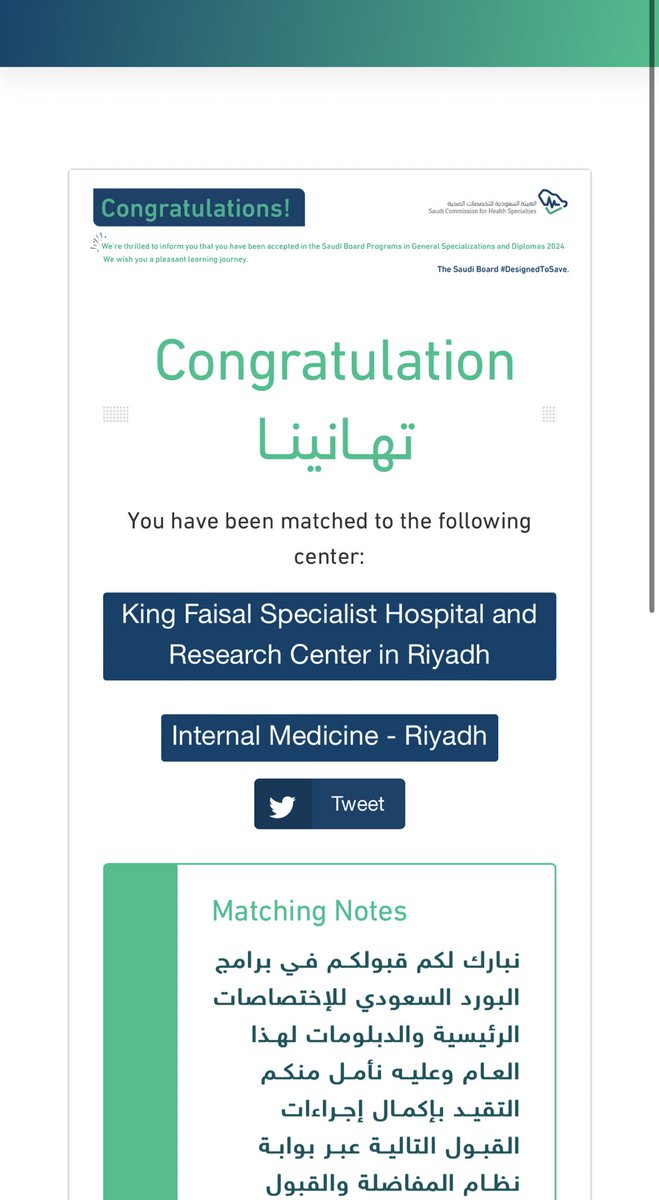
#Matching2024
اللهم لك الحمد حتى ترضى ولك الحمد إذا رضيت ولك الحمد بعد الرضا
قُبلت بفضل الله برغبتي الأولى في بورد الطب الباطني بمستشفى الملك فيصل التخصصي ومركز الأبحاث بالرياض.