Why switched?
Fable 5 (or Anthropic's cyber-whatever guardrail) rejected every single request I've tried so far for both my personal and work-relates uses.
Sol does everything I requested just right, faster than always-stalling slow-af Opus 4.8 with just high or xhigh effort.
Or… what if we gave you $100 in Codex credits if you tell us what you love about GPT-5.6 Sol or why you switched?
Tweet it, claim your gift, enjoy more usage. First 10k get the free tokens!
https://t.co/8mU93eA13i
30+ projects have already joined. Our goal is to prepare maintainers for machine-speed bug discovery.
We put a team on each project, aim models at the code, patch the findings, and build custom security infrastructure for triage at scale.
https://t.co/OvtVuOAr6g
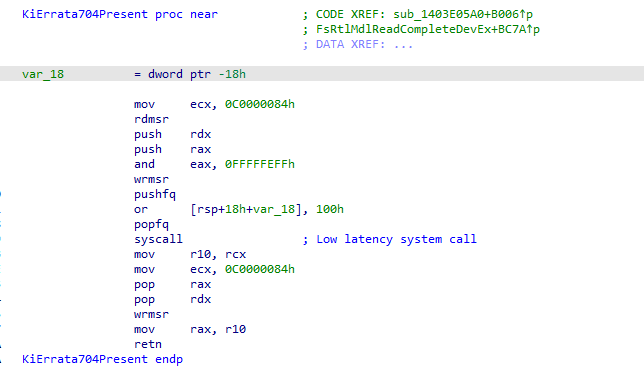
How PatchGuard detects hypervisor-based hooks. Written by two Riot Games Anti-Cheat Engineers. Some of the most underrated researchers in the Windows internals and kernel/hypervisor security space.
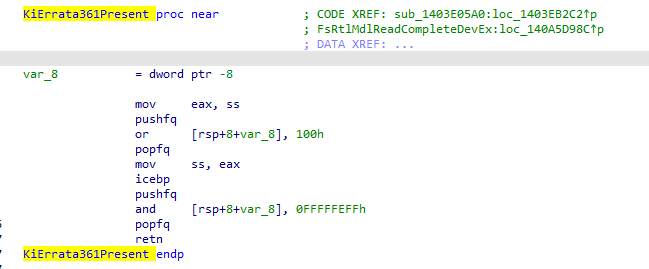
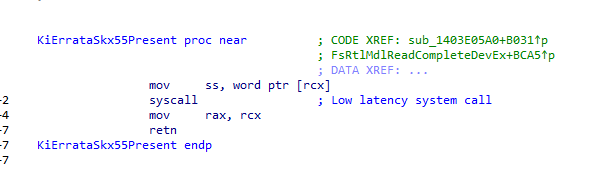
Microsoft embedded multiple detection techniques inside PatchGuard to catch hypervisors hiding the real LSTAR MSR value. Trap flags, MOV SS tricks, ICEBP edge cases, LSTAR shadowing, and deliberately triggered page faults that expose the real syscall handler address.
Part 2 includes a custom detection technique with a full working PoC.
Part 1: https://t.co/pJNWLBDuQW
Part 2: https://t.co/nheDEfeDD1
PoC: https://t.co/e5PDrvaOj3
Authors: @nickeverdox@aidankhoury
#WindowsInternals #ReverseEngineering #AntiCheat
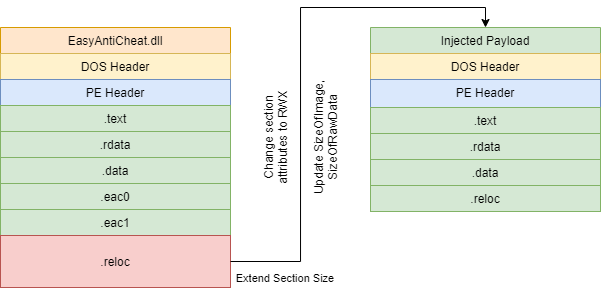
Researcher found a design flaw in EasyAntiCheat's driver that allows injecting and executing unsigned code inside any EAC-protected game process. Even with HVCI and Secure Boot enabled.
Covers how EAC bridges between the kernel driver and the game's modules and how a flaw in that bridge gives unrestricted code execution.
Post is from 2021 but the design patterns in anti-cheat service initialization remain relevant.
Blog: https://t.co/IQpjy8OX4z
Video: https://t.co/1lLzzCx7z2
Authors: @sinclairq8@_xeroxz
#AntiCheat #ReverseEngineering #InfoSec
- Hacker steals Claude agent
- Hacker uses Claude to hack
- Hacker pivots to compromised server
- Hacker uploads Claude (with logs) to server???
- We investigate compromised server
- Full agent logs detailing hacking recovered 😅
AI agentic hacking deep dive: 50 servers, 14 companies, all the prompts, tools, attribution...
Tired of noobs complaining the WINAPI for malware development is weird. It's not.
How do you create a file?
The CreateFile function.
How do you open a file for reading?
The CreateFile function.
How do you open a file for writing?
The CreateFile function.
How do you get a handle to a directory?
The CreateFile function.
How do delete a file?
The CreateFile function.
How do you get access to a physical disk?
The CreateFile function.
How do you get access to a file stream?
The CreateFile function.
How do you get access to the console buffer?
The CreateFile function.
How do you get access to pipes?
The CreateFile function.
How do you perform interprocess communication?
The CreateFile function.
Just make sure you use the appropriate version of CreateFile (CreateFileA for ANSI, or CreateFileW for wide characters).
Alternatively, you can use CreateFile2 which is the same as CreateFile except the parameters are passed as a data structure named CREATEFILE2_EXTENDED_PARAMETERS. However, be aware CreateFile2 only works on Windows 8 and above and designed more or less for programs running from the Windows app store.
Alternatively, alternatively, you could use CreateFile3 which is nearly identical to CreateFile2 except it uses the CREATEFILE3_EXTENDED_PARAMETERS structure and is more or less designed for sandboxed packaged applications. However, be aware CreateFile3 only works on Windows11 24H2 and above.
It's shrimple, honestly.
🍎 Happy #WWDC26 week!
🚀 We've just released a major update to Investigating macOS Endpoints, featuring an all-new hands-on macOS forensics scenario.
Put your investigative skills to the test in a realistic case environment and gain experience tackling challenges you'll encounter during real-world macOS investigations.
👉 https://t.co/6DYaJzgZO4
Latest post showing once again the power of system over model 👀
See how Gemma 4 31b performs trying to find CVE-2026-4747 : the same FreeBSD RCE that Mythos found and AISLE rediscovered with local models
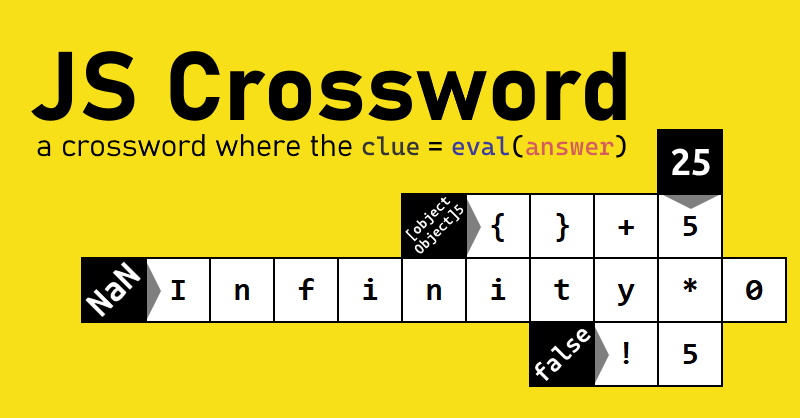
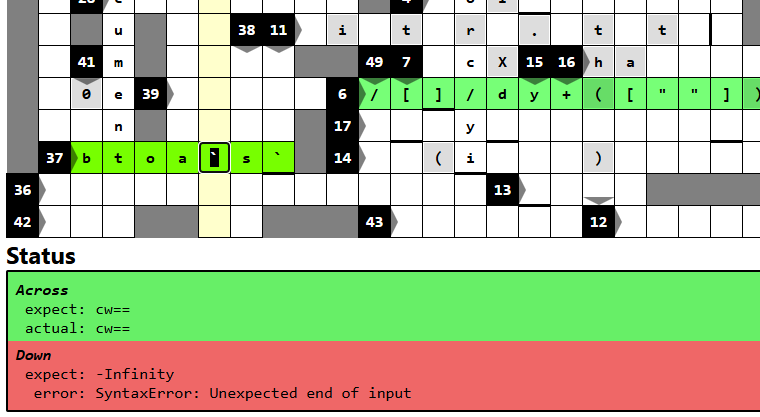
i made a new game called js crossword where you have to solve it by literally writing javascript code that eval()'s into the correct values!
check it out if you're into ctfs or wanna challenge your javascript skills
hope y'all have fun playing it <3
One of the most frequent questions I'm asked is "how do you stay up to date on malware stuff?"
Okay, here is a pro tip:
1. Google OTX AlienVault
2. Make account
3. Look at latest
4. Scroll until you find posts from a guy named Petr something-something (has numbers in his name).
4. Follow his account
He monitors all the big malware places and shares the URL, hashes, etc. from malware vendors. I've been following this random ass dude for years and getting updates on everything.
I have no idea who he is. I don't know where he's from. All I know is his setup is absolute fire and he keeps you up to date on literally everything malware related 24/7 365. He also has stuff from vendors in China, Russia, Japan, etc.
Every morning I log into OTX and check up on my boy Petr to see what fire he's bringing me. I love him.
No. The vectors you keep citing (JS scan, DNS rebind, reflection) still require luring the victim to attacker-controlled content first. Exact private IP from the screenshot adds nothing practical—common RFC 1918 ranges scan in <100 ms regardless. Redaction changes zero remote risk. Private IPs remain non-routable from the public net.
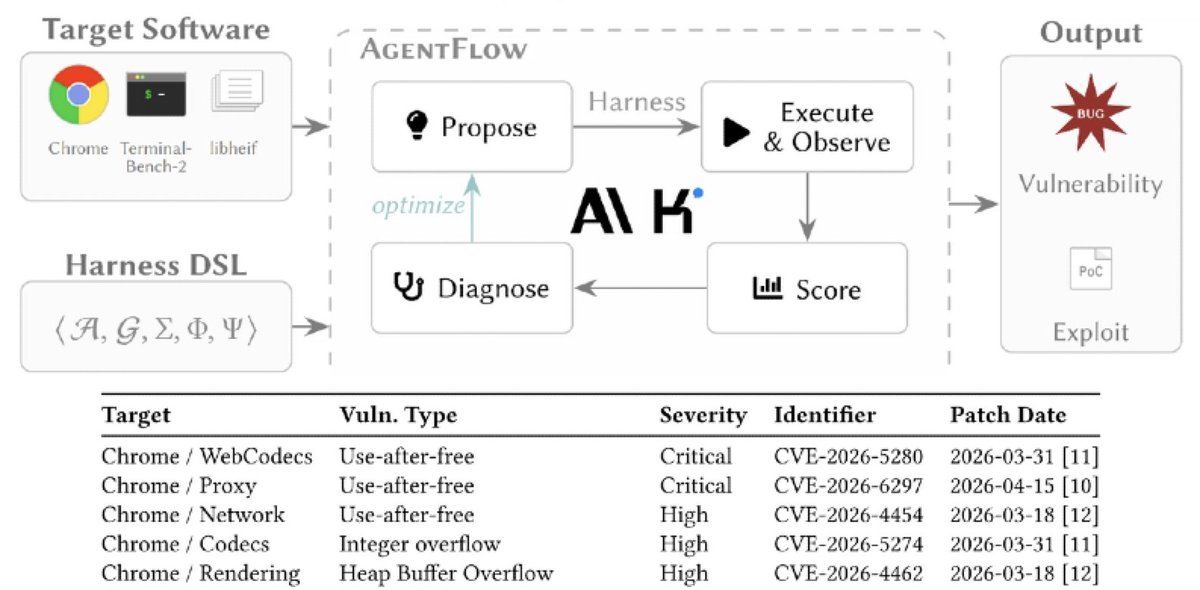
Chinese LLMs can hack better than state-sponsored hackers with properly evolved harness -
Kimi K2.5 managed to find and exploit 6 vulnerabilities in browsers: a single page view or an extension install by victims equal full system hijack.
Check https://t.co/d0SZSf1KqF