The Cape API now supports GPT-4 with 32k context!!
This is deployed to Azure w/ 0 data retention (as opposed to 30 day data retention w/ OpenAI).
Using Cape, all prompts are automatically de-identified of sensitive personal, financial, and health data.
https://t.co/uBxQNUbHyK
CapeChat now defaults to GPT-4 for all users! ✅
We also support GPT-3.5 Turbo 16k.
💸 GPT-4 is 30X more expensive than GPT-3.5, but we made this choice because we want users to have the best experience possible. First impressions are everything! 💯
https://t.co/4jVIFbLHhV
::Introducing the Cape API::
Keep sensitive data private while prompting LLMs like GPT-4 and GPT 3.5 Turbo.
Easily de-identify sensitive data like financial, legal, and internal docs before sending to @OpenAI
Try the playground free:
https://t.co/s5eF5FfIQP
How? /🧵
If you're worried about uploading sensitive data into ChatGPT, you should give CapeChat a try!
Automatic encryption of your documents & redaction of any sensitive data while using ChatGPT.
cc @capeprivacy
https://t.co/HgiNmJJMld
🤯 CapeChat + privacy preserving ChatGPT is here
Automatically encrypts your documents + redacts any sensitive data. Uses OpenAI API and rehydrates private data on response.
Try now!
https://t.co/5UxlsNfjCP
At @capeprivacy, we help companies protect their sensitive data so it can be used in AI pipelines. Here’s a short demo of how you can use Cape with a @huggingface model to secure both the model and the input data. And if you’re at #PyConUS2023 this week, come see us at booth 411!
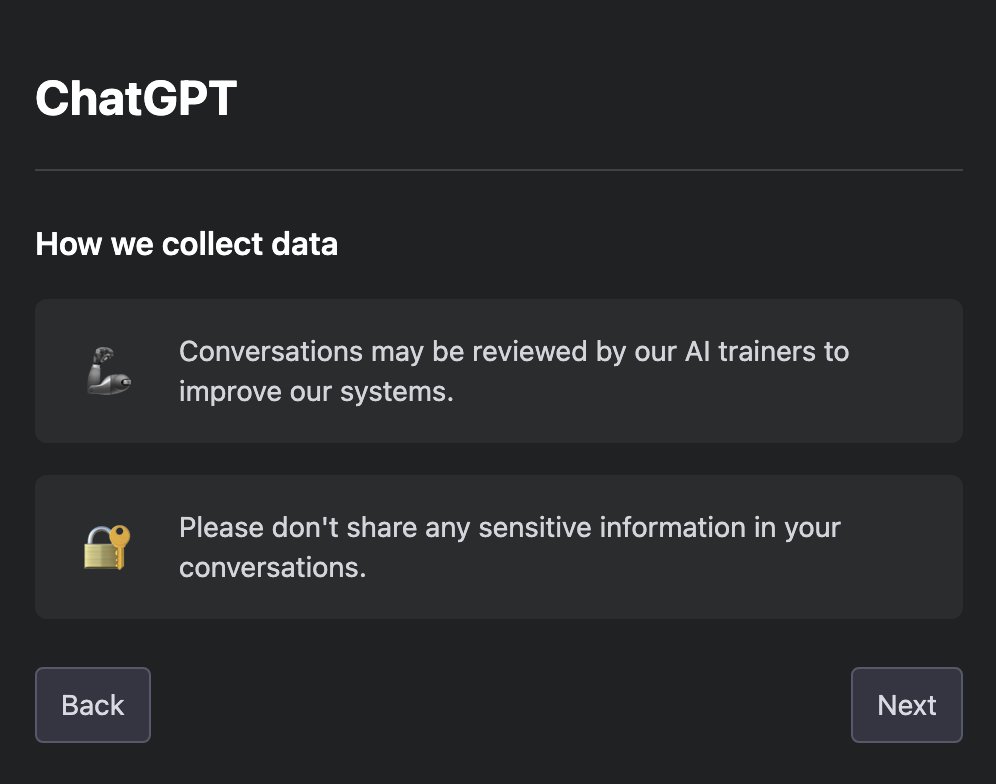
I love the ChatGPT privacy warning because it's the reason we started @capeprivacy !
Our most sensitive data is our most valuable. Our sensitive data is the data that we want to put into GPT. But today that would be reckless. Solving important problems requires important data!
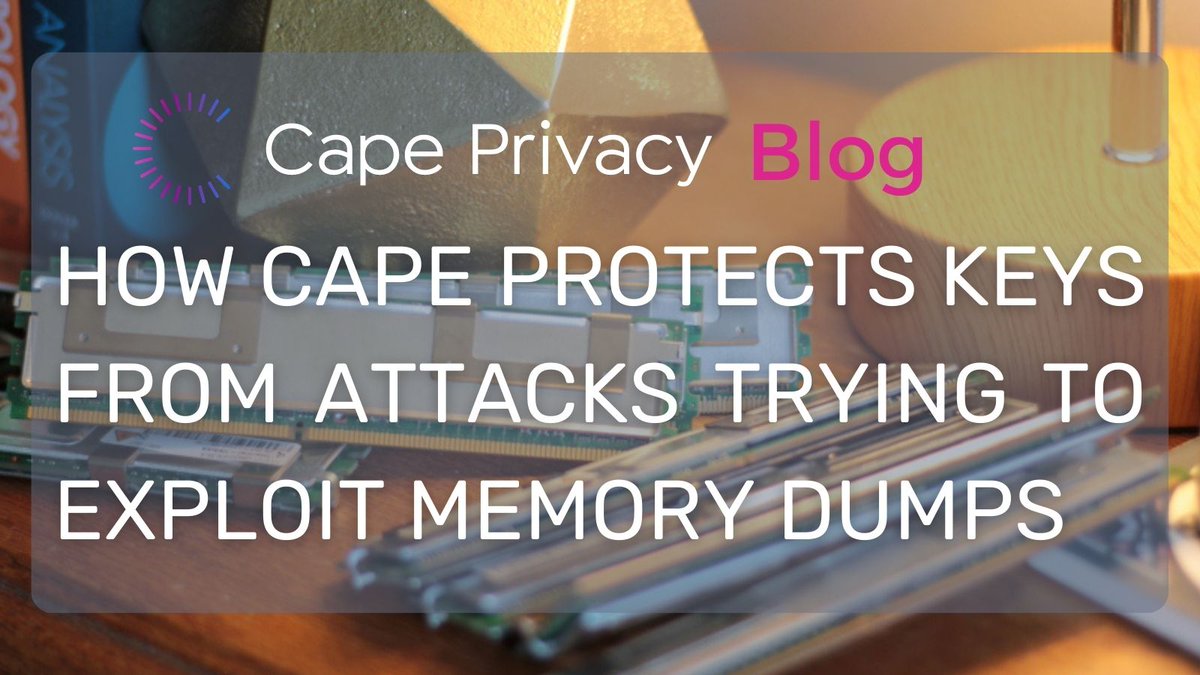
We explore how an attacker would steal private information from a running program. We also introduce capejail and how it protects Cape’s environment from (potentially) malicious users. #AWSNitro#CloudSecurity#AttackSurface#ThreatModel https://t.co/WZSkhIUe7L
I made a quick video to demonstrate `cape encrypt`. It's just one command. In the background we spin up an enclave, generate a key pair, and download the public key (signed by the enclave). The data is encrypted locally. The result can only be processed by the secure enclave!
Recently, I wrote a blog about how attestation works with enclaves and specifically how we’re using it with AWS Nitro Enclaves. Reach out directly if you have any questions!
Happy to share what we've been building with the world. Install Cape and run your first function on encrypted data within a few minutes. If you have a chance to sign up I'd love to hear your feedback.
📢 Our New Open Beta Product Release is Available Today! Try #CapePrivacy for Free. Easily run serverless functions on your user’s data while keeping it confidential. No ops or crypto required. #ConfidentialComputing#DataPrivacy https://t.co/LjHw32YbI3
Checkout our blog post on @OmniSci expanding and improving integration with @ApacheArrow. It’s a great way to connect OmniSciDB to other open source tools and a neat marriage of two cool open source projects. https://t.co/bsW2pY1axf
Awesome to see @OmniSci not only scale up to big GPU clusters, but down to a laptop. TLDR: it's significantly faster over 1.1 billion rows than even the big iron CPU systems he's tested. And even better, you can try it yourself today: https://t.co/65wHhrKqi9
Sign up today for updates leading up to the #OmniSciVirtualSummit and for a chance to win Bose Noise Cancelling Headphones 700. https://t.co/H2WNOmzoQH