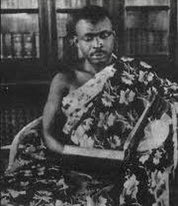
Fante legend Kobena Sekyi was the only educated elite in Africa who vowed never to wear European clothing again and became the first lawyer in the Gold coast to appear in court in a traditional African cloth. He never wore European clothing again until he died in 1956.
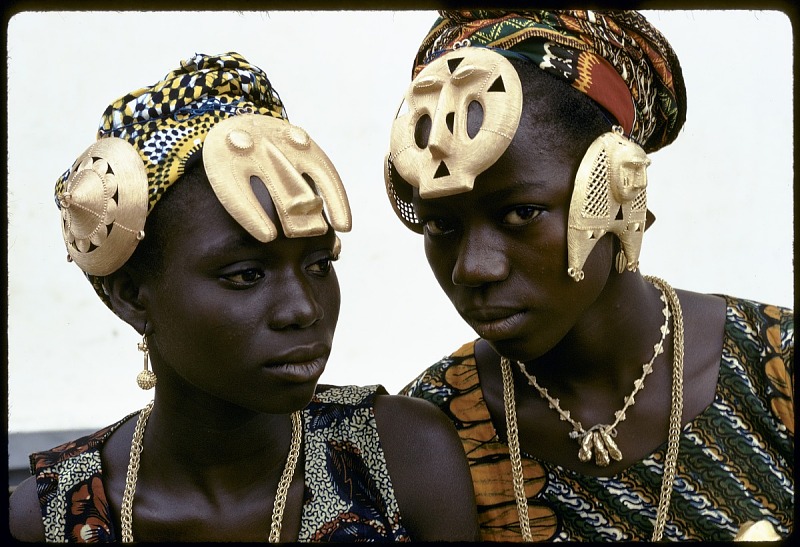
Akan (Ebrié) head pendants known as "Gobieheme" human form style, worn by Katherine Ake Agouabe in 1972.
3 variations finished differently based on the same model, with the typical triangular pattern of Ebrié goldsmiths
Crafted by Akesse Raphaël in anan Kweman, Côte d’Ivoire.
Funtumfunafu ne dɛnkyɛmfunafu, wɔn afuru bo mu nanso woredidi a na wɔreko efiri sɛ aduane dɛ yɛte no wɔ menetwitwie mu.
-
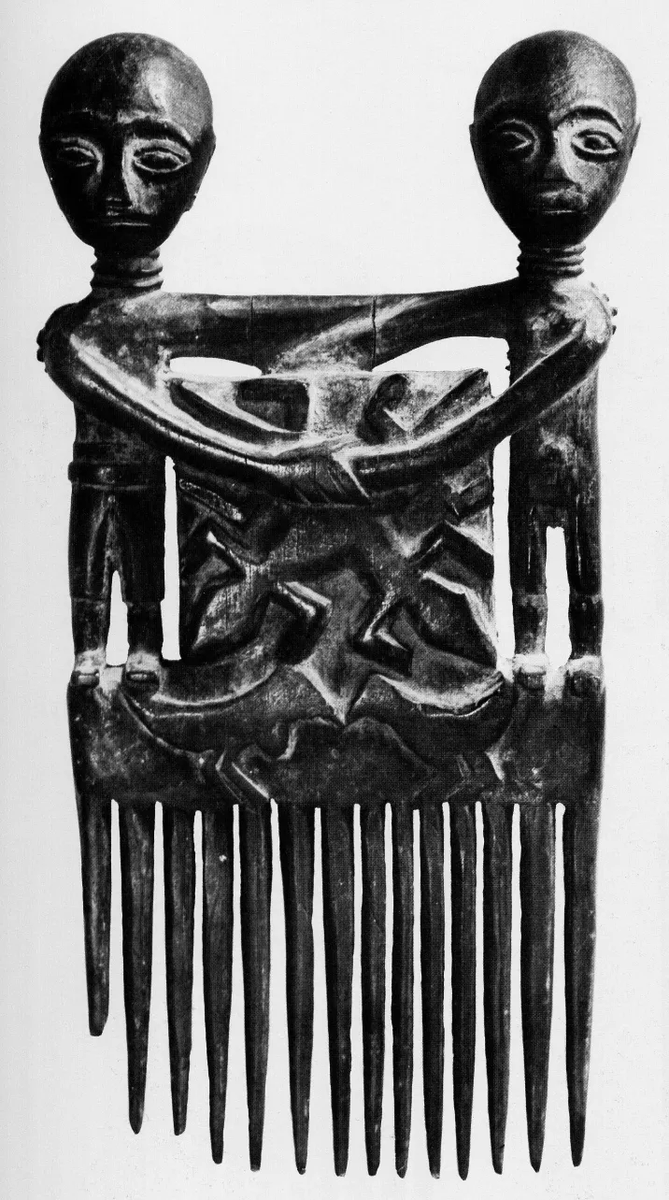
The twin crocodiles have joined stomachs, yet they fight over food because of the sweetness of the sensation of swallowing it.
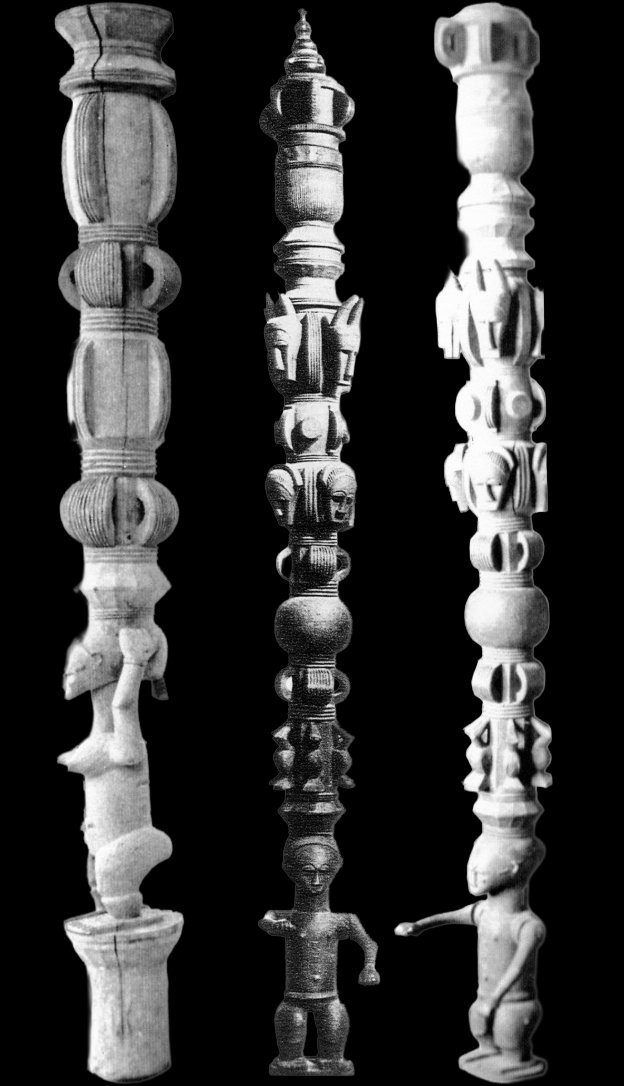
Among the Akye, Kyaman, Abouré, Gwa and other nearby peoples, commonly know as "lagoon Akans" there existed a tradition of carving elaborate posts that would stand in the courtyards of houses as a display of wealth and prestige. The posts would often depict the faces of people, animals and stool imagery all supported by anthropomorphic figures at the base.
The posts themselves are reflective of an entire visual language. Human faces could represent that the owner has a large following or influence over many, or could be representations of the owner or people in their family. Heads of animals represented abundance. Stool and drum shapes represented prestige.
This vertically stacked visual language also extended to other areas of lagoon Akan art, as seen in Items like decorative canes and fly-whisks.
@kaf_marl Akan peoples never "migrated" south from outside of their presently inhabited regions. The myth of Akan migration from outside regions was one that was invented in the colonial era and has no basis in Akan oral history or contemporary archeology.
Twi, in the most traditional sense of the word, refers to the dialects that have origins in and around the Pra-Offin basin. For example Asante, Akyem, Akwamu, Akuapem and so on. It is a sub-branch of the Akan language family which also includes the branches of Fante, Nzema/Ahanta and Bia dialects Like Baoulé, Anyi, Kyaman and so on.
Eva Meyerowitz is not a credible historian. This book has done irreparable damage to Akan history. Meyerowitz deliberately chose to ignore the stories of Akan traditonal rulers who said their people were indigenous to their own lands, & instead pushed the false claims that Akans came from Egypt & North Africa.
5. "Death Back, Life Forward": When the women return, the waiting community pushes their stools forward three times to physically reset the space: death has gone backward, life moves forward. 🪑➡️
A final pot of wine is passed round to break the fast - none of it can return to the village because "death must not be taken home." Mourners discard their funeral attire for ordinary clothes, engineering absolute psychological closure.
2. Leasing the Earth: Land is an inalienable asset. Before a grave can be dug, a libation must be poured to Asase Ya (the Thursday Earth Goddess) to break the soil. 📜
The prayer literally begs for a temporary lease: "Your grandchild has died. We beg of you that we may here dig a hole." The talking drums echo this contract, stating it is upon the Earth they put their trust. 🥁🪵
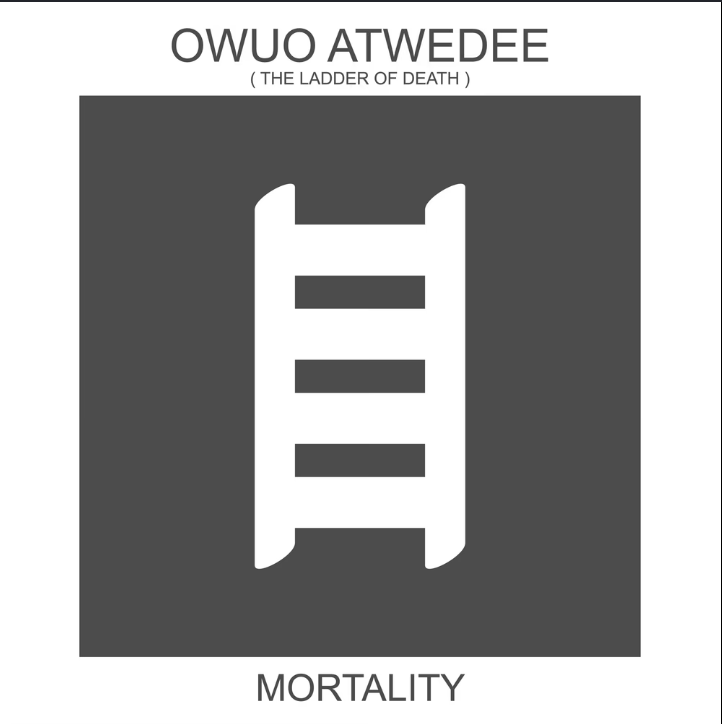
1. The Steep Hill: The Asante observed a dying man panting for breath and recognized it as the soul physically scaling a steep hill to reach the Samandow (place of ghosts). ⛰️
At the exact moment of death, water is poured down the throat to speed the traveler on their climb. Missing this rite was a massive family disgrace; elders historically refused to travel without an attendant ready to perform it. 💧
'Akwantifi wuo', 'owuo safoa', 'owuo bi yɛ ya', 'owuo sɛe me fie' and so on...
Highly dominant theme of highlife or even modern asakaa songs, and not by accident.
Some of the components of the ritual logistics of the classical Asante final journey as recorded by Rattray: 🧵⤵️
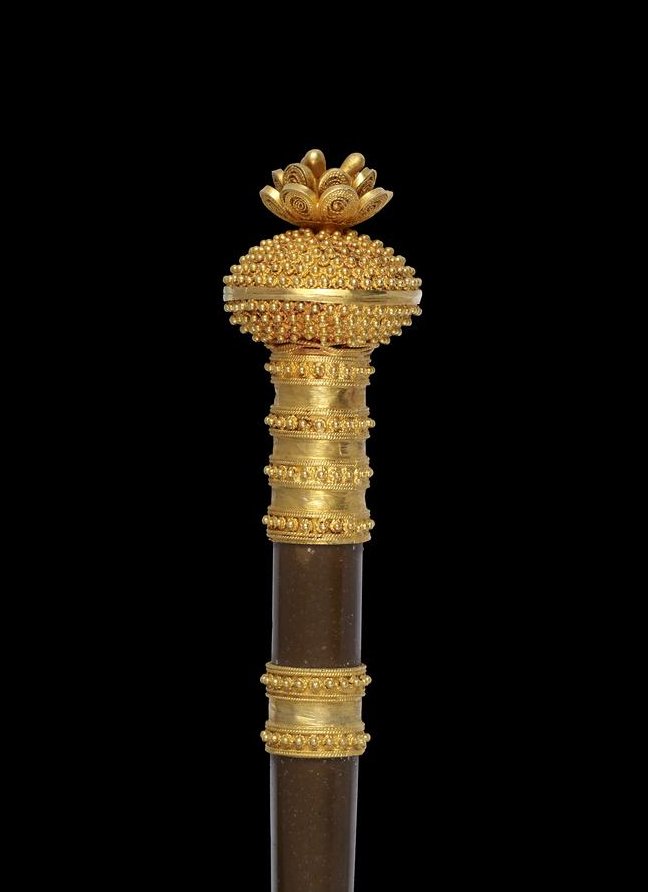
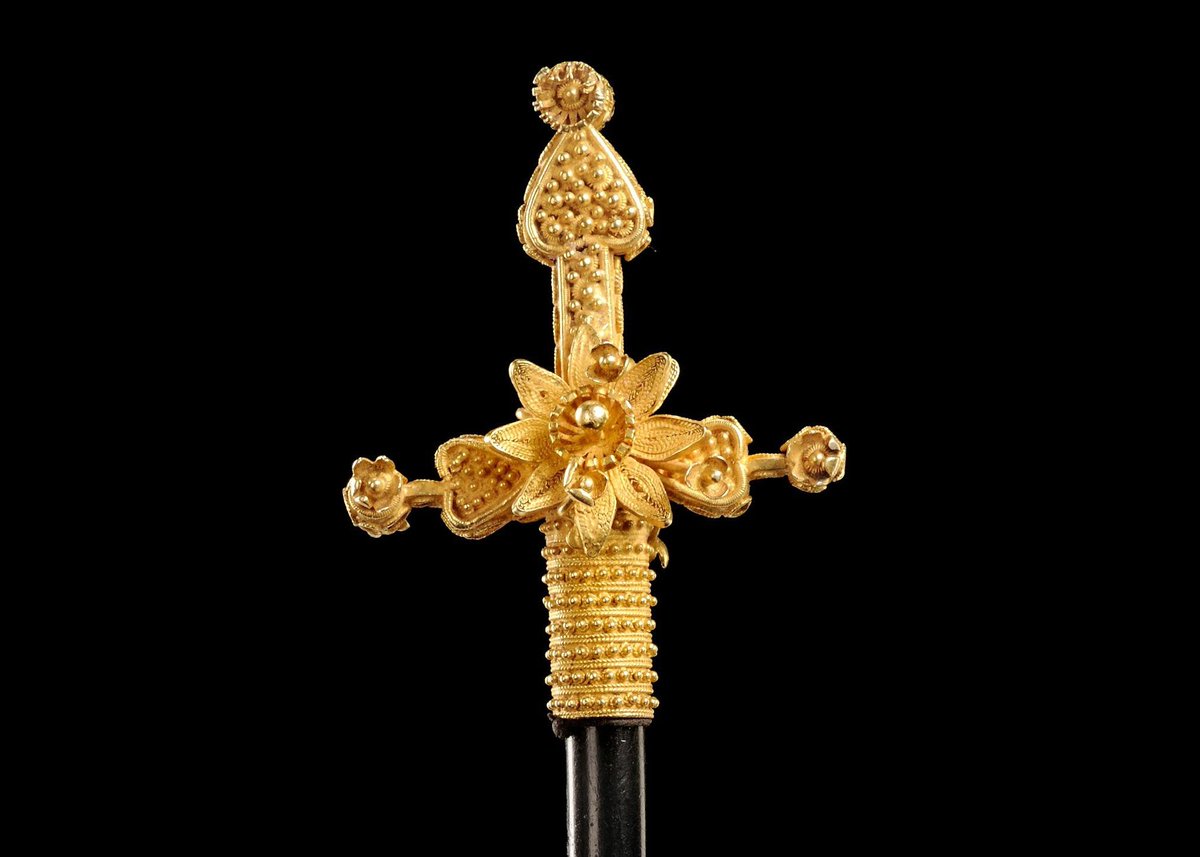
Ntirba or Tiduaba are decorative hair pins that were worn by women of the Adehyeɛ (royalty). They were a popular accessory among noblewomen in the 1800s period. Various examples of ntiriba/tiduaba are present in the Asante, Mfanste and Baoulé cultural areas.
Birds eye view of (left) Akan compound layout and (right) Bodwease Shrine. Both the shrine and the family home revolve around the 'Adiho' (courtyard). Traditionally, life is lived in the center of the compound.