If you're building AI products, check out ModelRiver.
• AI Gateway
• Workflow builder
• Prompt management
• Evaluations
• Observability
Free to start.
https://t.co/B80aQxWXdg
Building AI features is the easy part.
What happens when something goes wrong is the expensive part.
- A bug.
- A traffic spike.
- An AI feature starts behaving unexpectedly.
Suddenly you're looking at an AI bill you never planned for.
That's why we built AI Spending Limits in ModelRiver to stop surprise AI bills before they happen.
Every AI request is checked before money is spent, so you can put a hard ceiling on AI costs.
https://t.co/5YNf7tQF4q
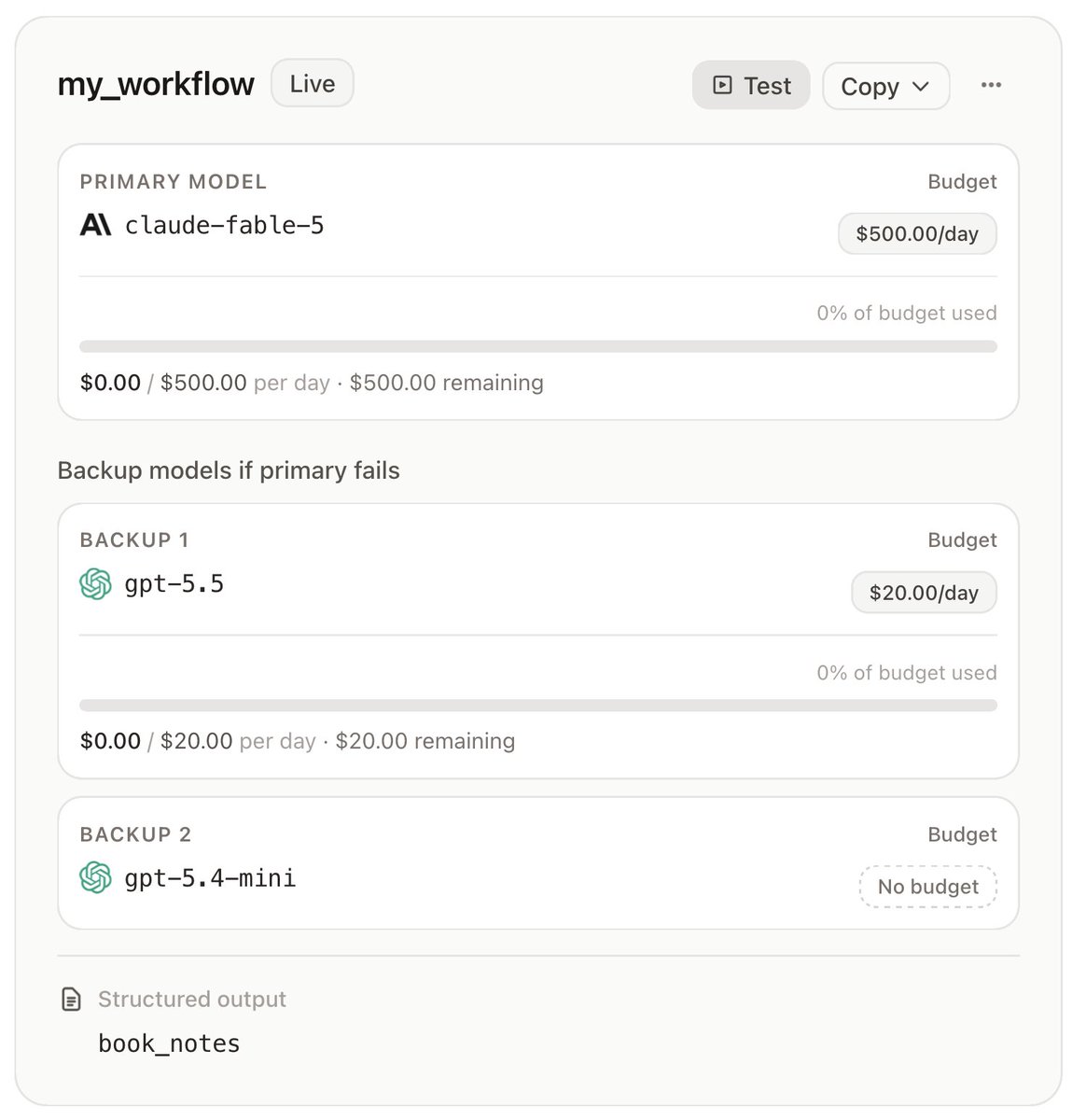
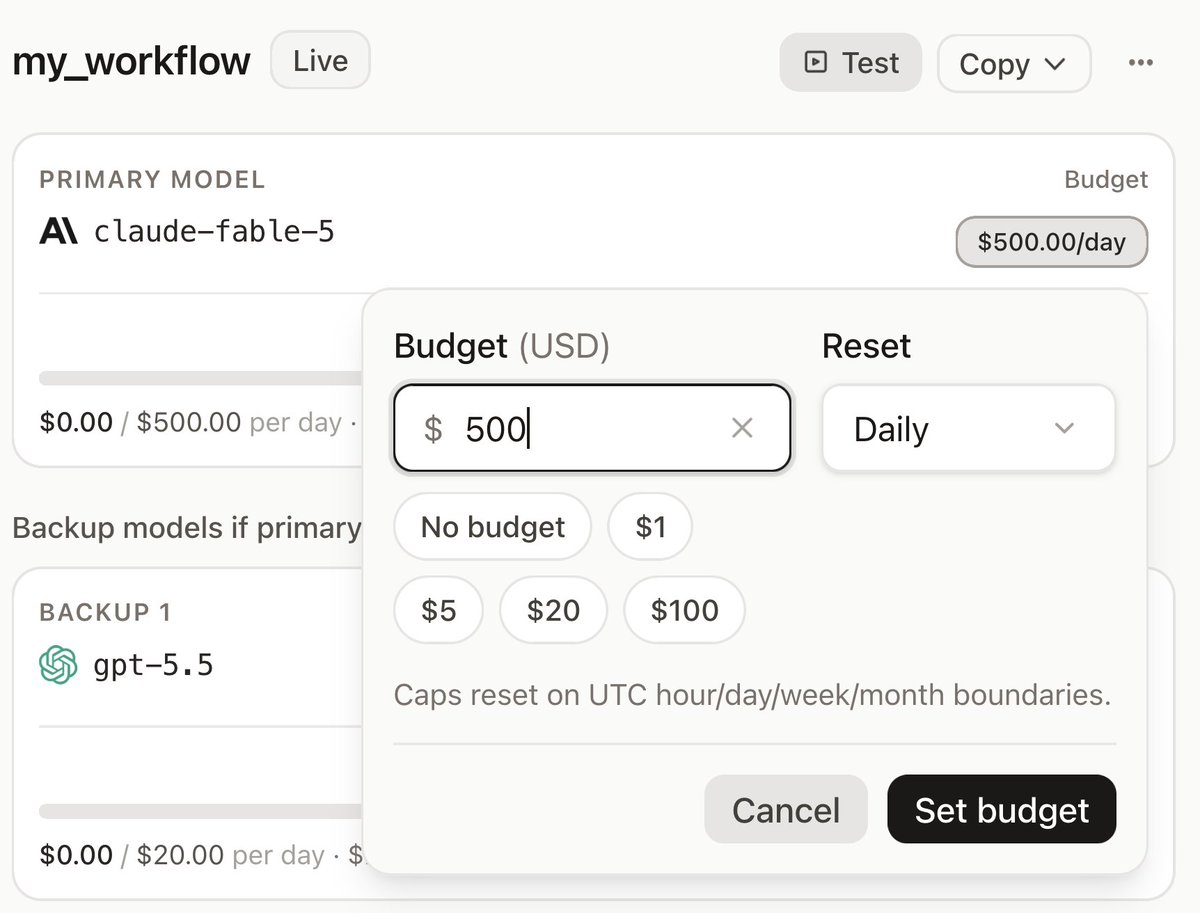
Working on AI workflow budgets.
Set spending limits for each AI model, and if one hits its budget, automatically switch to the next backup model.
No surprise AI bills.
Building this in ModelRiver.
Test, route, and run AI workflows across models and providers - now working on workflow-level budget guardrails too.
https://t.co/B80aQxWXdg
Shipping AI features shouldn’t mean finding bugs in production.
The new Workflow UI in ModelRiver helps you:
→ Compare models
→ Validate outputs
→ Catch regressions
→ Ship with confidence
Read more:
https://t.co/fGJcTuQaGZ
Think of this as QA testing for AI features.
Instead of manually trying prompts and hoping they work in production, you can:
✓ Create test cases
✓ Compare model behavior
✓ Validate outputs
✓ Re-run tests whenever prompts or models change
https://t.co/B80aQxWXdg
the real skill isn’t typing code.
it’s defining constraints.
“build X. add tests. keep backward compatibility. update docs. follow AGENT.md. show me the plan first.”
that’s 90% of the work.
Two engineers built the same feature.
Engineer A — Vibe coded it in 45 minutes with Cursor.
Engineer B — Spent 3 days. Unit tests. Integration tests, code reviews and documentation.
The feature sends a password reset email.
Who wasted their time?
AI gateways should not be built like traditional API gateways.
✅ LLM traffic is stateful
✅ non-deterministic
✅ latency sensitive
✅ cost aware
Elixir + Phoenix handle this surprisingly well.
Wrote about it here:
https://t.co/JR67Manzd0
This is the part most teams discover the hard way.
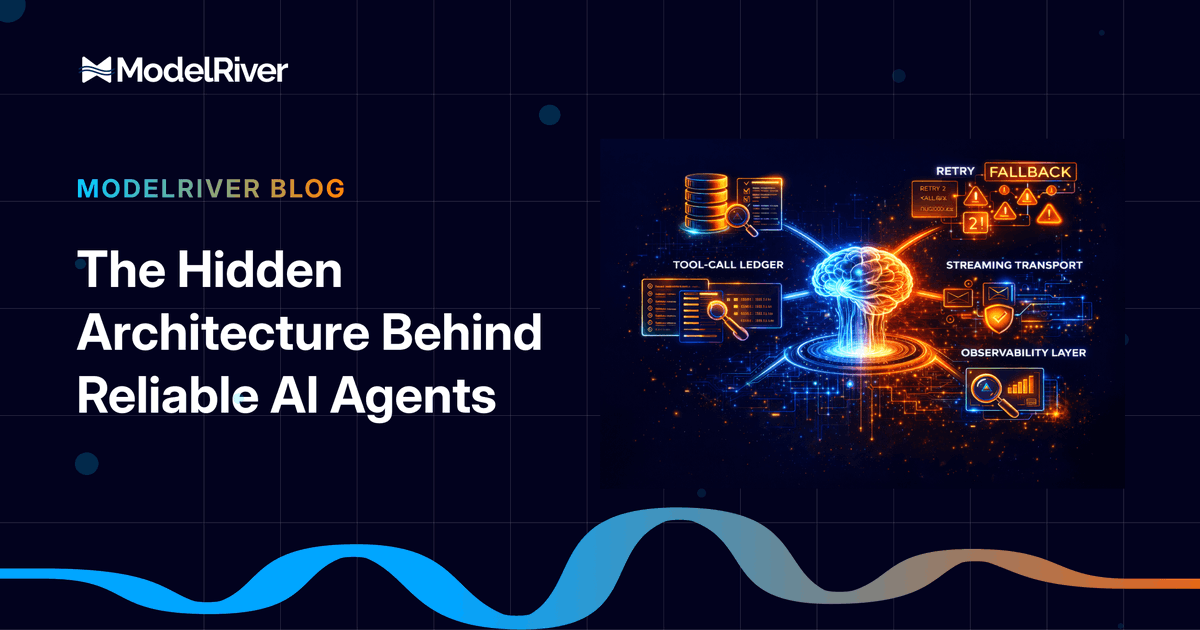
Reliable AI agents aren’t about better prompts. They’re about infrastructure around tool calls, retries, streaming, and observability.
Worth understanding if you're shipping agents to production 👇
Most AI agents look impressive in demos.
Few survive production.
What makes the difference isn’t prompts. It’s architecture:
• tool-call ledgers
• retries & fallbacks
• streaming transport
• observability layers
Here’s the hidden stack:
https://t.co/EvVms6en0W
LangChain is powerful.
Production is where it breaks down.
Glue code piles up.
Chains get brittle.
Observability breaks.
What starts simple becomes a system of tools.
There’s a better way:
https://t.co/0rAy5PLlf3
Building ModelRiver: unified API gateway for OpenAI/Claude/Grok/Gemini etc.
One API key, event-driven async architecture with auto-failover + real-time analytics — cuts AI implementing and testing issues for developers.
Early bootstrapped, feedback welcome!
https://t.co/luUiIRfzVi
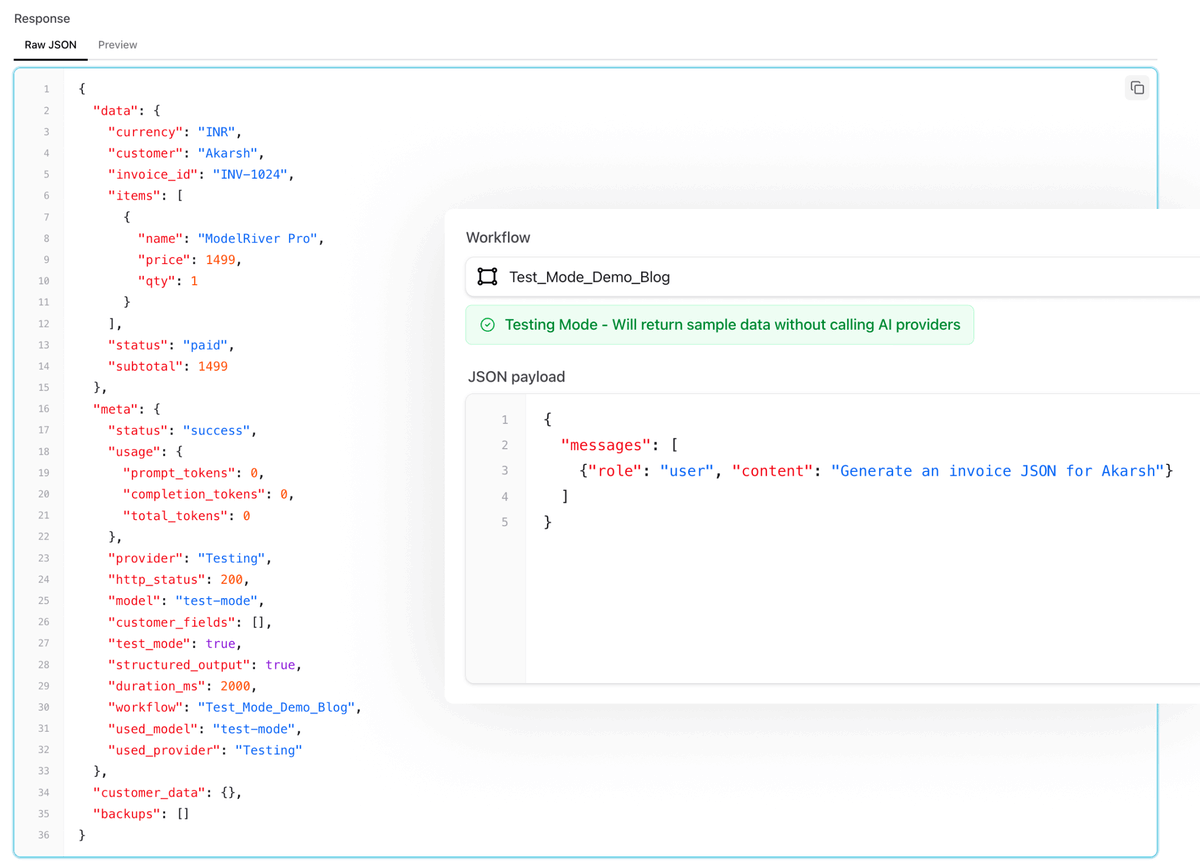
Testing AI workflows often means calling a real model every time.
Even in CI.
We wanted a way to validate logic without touching a provider.
So we built support for testing workflows with the same API shape and zero token usage.
Free during testing.
More details in the reply 👇