Notice the precision required to route pressurized water into that central round structure. This is the Tholos Nymphaeum in the ancient city of Kibyra, Türkiye, built around 23 AD. Archaeologists recently pieced the original masonry back together and actually managed to get the ancient spring water flowing through it again.
Os traigo uno de los momentos más emocionantes que nos ha dado la arqueología en España en los últimos años, el descubrimiento de la bellísima Venus Púdica, del s. II d.C. y realizada en mármol del Pentélico, en la Villa romana de Salar (Granada).
¡Vamos a disfrutarlo! 🧵👇
Back in 2021, archaeologists pulling mud out of the Penkalas River in Türkiye hit something solid, uncovering the severed marble heads of Aphrodite, Dionysus, and Heracles. They eventually dragged over 100 fragments of colossal 2,000-year-old statues out of the riverbed at the ancient site of Aizanoi.
The standard explanation blames ancient earthquakes and collapsing bridges for knocking these Roman masterpieces into the water. But seeing so many major deities dumped in exactly the same spot feels incredibly specific for a random natural disaster.
Maybe the mud simply caught what fell from a crumbling city. Or maybe an entirely new era was actively cleaning house, dragging the old gods to the river to ensure they stayed buried.
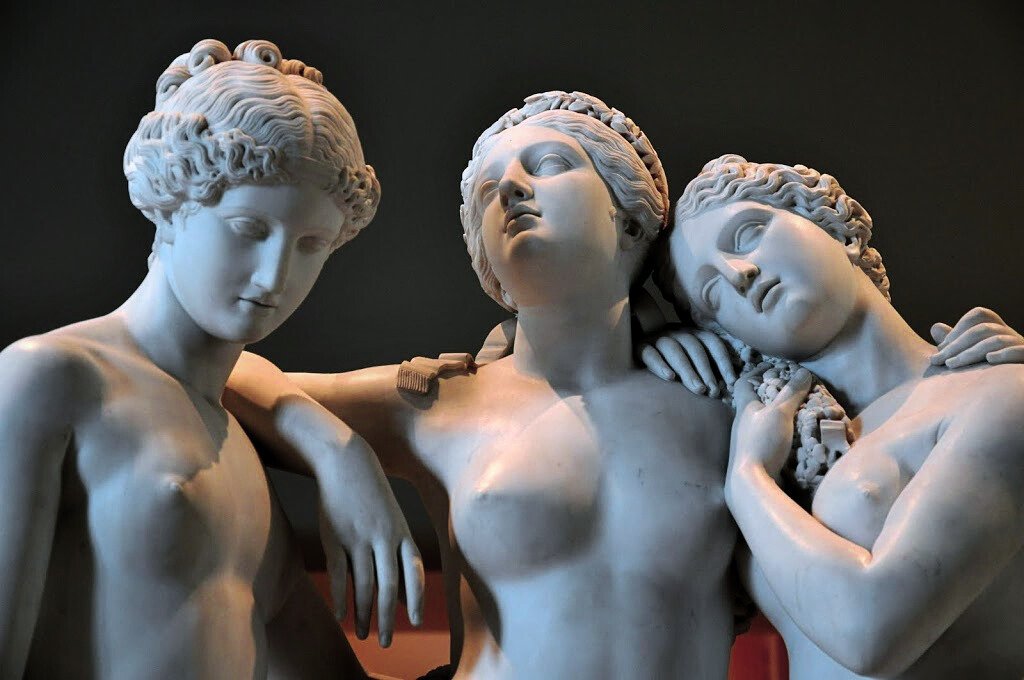
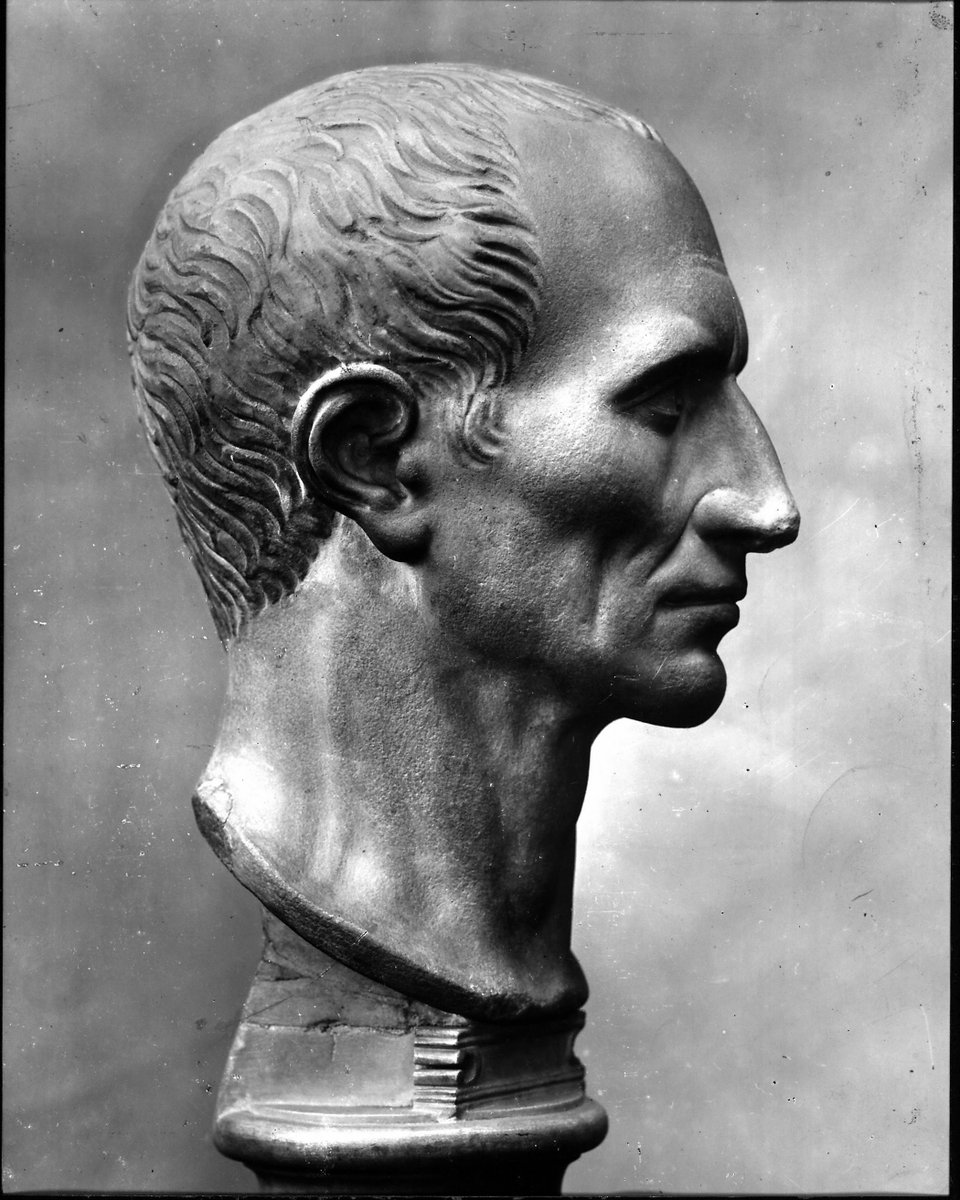
“Such are the beauties of the ancients, which gave that serious air to Antinous, which we generally ascribe to his shading locks. […] let an attentive eye dwell upon those confused beauties which the transient look conveys, and the paint will vanish…”
Head of Zeus discovered during archaeological excavations in Troy (1893-1894), which dates back to the 3rd century BC. This is one of the most natural sculptures of Troy.
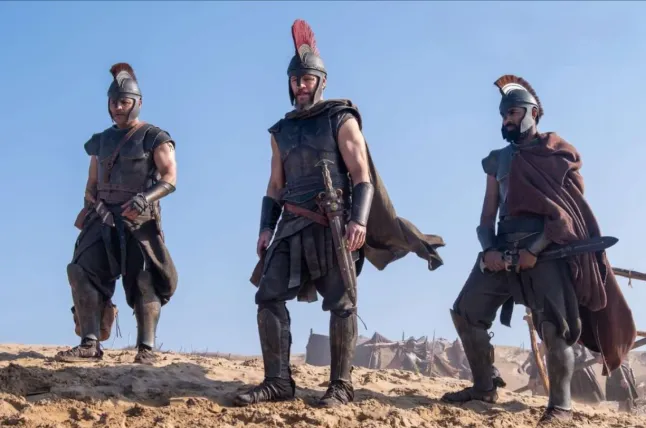
@Knightly_Hist Nolan had several periods of Greek history he could have drawn inspiration from, in addition to the Mycenaean period, such as the Archaic, Classical, and Hellenistic periods. But instead, he chose to create something completely unrelated and bland.
I would be fine with this approach if they actually comitted to a classical greek aesthetic, instead of whatever random biker leather nonsense we're getting from Nolan.
🏛️ The Temple of Athena Nike, on the southwest bastion of the Acropolis, is smaller than the other buildings behind it but no less impressive.
It was completed in 420 BCE during the restoration of Athens after the Persian invasion of 480 BCE and was designed to greet those visiting Athena’s complex.
📷 Photo by Troels Myrup.
#TempleOfAthenaNike #Acropolis #Athens #Greece #AncientGreece #History #Temple #Architecture
A rare glimpse of Charles Laughton's remarkable turn as Claudius in the abandoned and unreleased 1937 adaptation of 'I, Claudius' – sometimes called 'The Epic That Never Was'.
Selinunte fue una de las colonias griegas más importantes de Sicilia. El sitio arqueológico tiene grandes templos, el más antiguo data del 550 a. C., 5 en una acrópolis. En su apogeo la ciudad pudo haber tenido 30.000 habitantes, y fue destruida y abandonada en 250 a.C.
Templo C
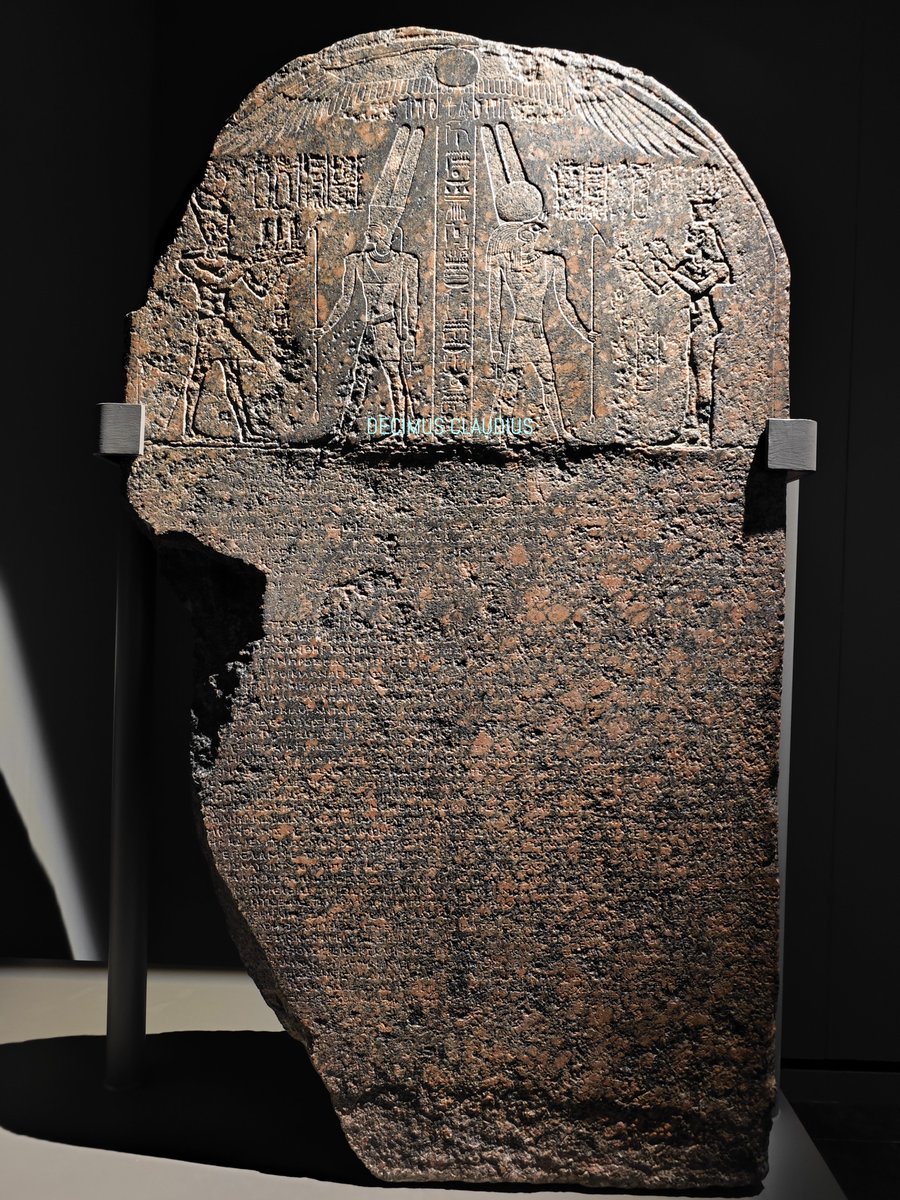
Egyptian stele partially recarved in 39 BC during the reign of Cleopatra VII to honor the general Callimachus. On the far left is Caesarion, allegedly the son of Julius Caesar and Cleopatra (she is on the far right). In Egyptian Museum in Turin, Italy; found in Thebes, Karnak








![OneVossen's tweet photo. “Such are the beauties of the ancients, which gave that serious air to Antinous, which we generally ascribe to his shading locks. […] let an attentive eye dwell upon those confused beauties which the transient look conveys, and the paint will vanish…” https://t.co/I1LpsZM295](https://pbs.twimg.com/media/HEfdrP9XsAA6wAI.jpg)