Dil Chahta Hai was India's first mainstream Hindi movie meant for English-speaking and English-aspiring people.
The habitus of the film — unapologetically — consisted entirely of India's elite lifeworlds.
It was an India of five-star resorts, beach volleyball, artistic retreats in the hills, businesses in Australia, Merc convertibles — all lived through a cosmopolitan lens.
Shankar-Ehsaan-Loy's music was much more accessible to people who listened mostly to Western rock/pop than the songs of previous Bollywood movies meant for the rich — e.g., the Karan Johar/Aditya Chopra movies.
Dil Chahta Hai was released at a peculiar moment of great optimism for India's professional-managerial middle class. They were earning more, living better lives and, therefore, were getting automatically distanced from the everyday miseries of the remaining 95 per cent of Indians.
I don't think such a movie can be made today, as the middle class goes into decline.
In fact, Zoya Akhtar's attempt to update the spirit of Dil Chahta Hai, with Zindagi Milegi Na Dobara, had a much smaller reach, because it was already about a narrower class which had risen above the rest of the middle class itself.
In retrospect, Dil Chahta Hai was a product of a short-lived economic bubble that has now burst.
I went to watch stand up comic Kunal Kamra live for the first time yesterday, at a small underground venue in Bengaluru.
Several of his ‘Standing Up’ shows in another Bengaluru locality had been cancelled after right-wing groups threatened to disrupt them, and the shows were moved to this venue. When we arrived, there were about nine policemen stationed outside. We had to hand over our IDs so that, in case anyone created a ruckus, the police would have the details of everyone inside.
It felt strangely like walking into a potential danger zone just to watch a stand-up show.
And yet, the police in this Congress-ruled state were not there to stop the comedian (for a change). They were there to protect him and us and our right to laugh.
I had expected Kunal to be a little cocky. Perhaps a comedian who had been through as much as he has would develop a certain swagger, a sense of being above the rest of us. But that wasn’t what I saw at all. He was incredibly human.
He spoke hilariously about a venue being broken down by Shiv Sainiks in Mumbai, about being repeatedly summoned and harassed after speaking about Maharashtra Deputy Chief Minister Eknath Shinde, and about the extraordinary machinery that seems to swing into action when a comedian says something powerful people don’t like.
But there was no false bravado in the way he told these stories. There was vulnerability. There was self-deprecation. There was storytelling and insight alongside the gags and one-liners.
There was no bitterness in him. No vindictiveness. He is a man who simply believes that he has a right to speak, and that nobody has the right to take that away from him.
Kunal did not allow any video recording of the performance. There is still a very real fear that a stray clip can be taken out of context, go viral and invite an endless cycle of outrage, threats and lawsuits. Unlike comedians with enormous commercial ecosystems (he mentioned Samay Raina) around them, Kunal doesn’t have the luxury of a battery of lawyers at his beck n call. Also, a recording doesn’t just expose the comedian. It can expose everyone who laughed in that room to a completely different kind of backlash.
Later, backstage, I met Kunal and the wonderful Shyam Rangeela, who did an absolutely hilarious act as Prime Minister Modi. There was also an interview between Kunal and Shyam’s Modi that I won’t reveal here. You really should watch the show to see it. All I will say is that it felt strangely satisfying to see ‘Modiji’ finally answer questions from the public.
I also told Kunal something that had struck me during the evening. Before 2014, we were used to laughing at our political leaders.
Manmohan Singh was mocked. Rajiv Gandhi was mocked. V. P. Singh was mocked. Lalu Prasad Yadav was mocked. Television satire regularly lampooned our politicians. We had caricatures, spoofs, political cartoons and comedy shows that treated even the most powerful people in the country as fair game.
Nobody seemed to think that laughing at a Prime Minister or Chief Minister was an act of treason.
Somewhere between 2014 and 2026, we seem to have developed a fear of even laughing at power.
And yesterday, in that tiny Bangalore room, I realised how much we have missed it. Because for 100 minutes, 100 people laughed freely.
And perhaps that is why protecting comedians like @kunalkamra88 and @ShyamRangeela matters.
They remind us that powerful people are not beyond laughter, and that we, the public, actually hold the power.
Over the last week, the Indian media has questioned protesters, opposition, and even teenagers far more aggressively than it has ever questioned the government.
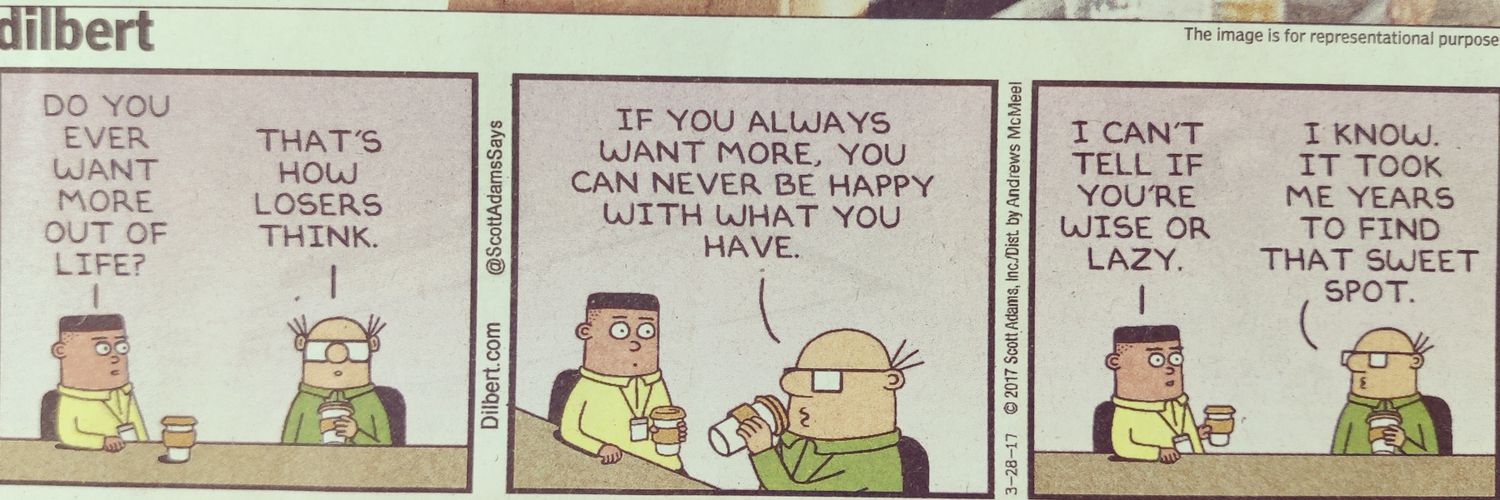
Everyone except the government is expected to be accountable, well-behaved, visionary, and full of solutions.
don’t give me the bullshit argument that celebrities do this “under pressure” or because they “have a lot to lose.”
all of us have a lot to lose. we have friends, family and work that we could lose too. i lost work and friends for speaking up last december.
there should be relentless critique of the bollywood class, which has protected itself while throwing activists, writers, journalists, poets, and ordinary people under the bus.
they’re spineless. that’s all. there’s no other way to put it. they don’t give a shit about you or your life. show your solidarity to the people who actually risk everything—the oppressed, not the powerful.
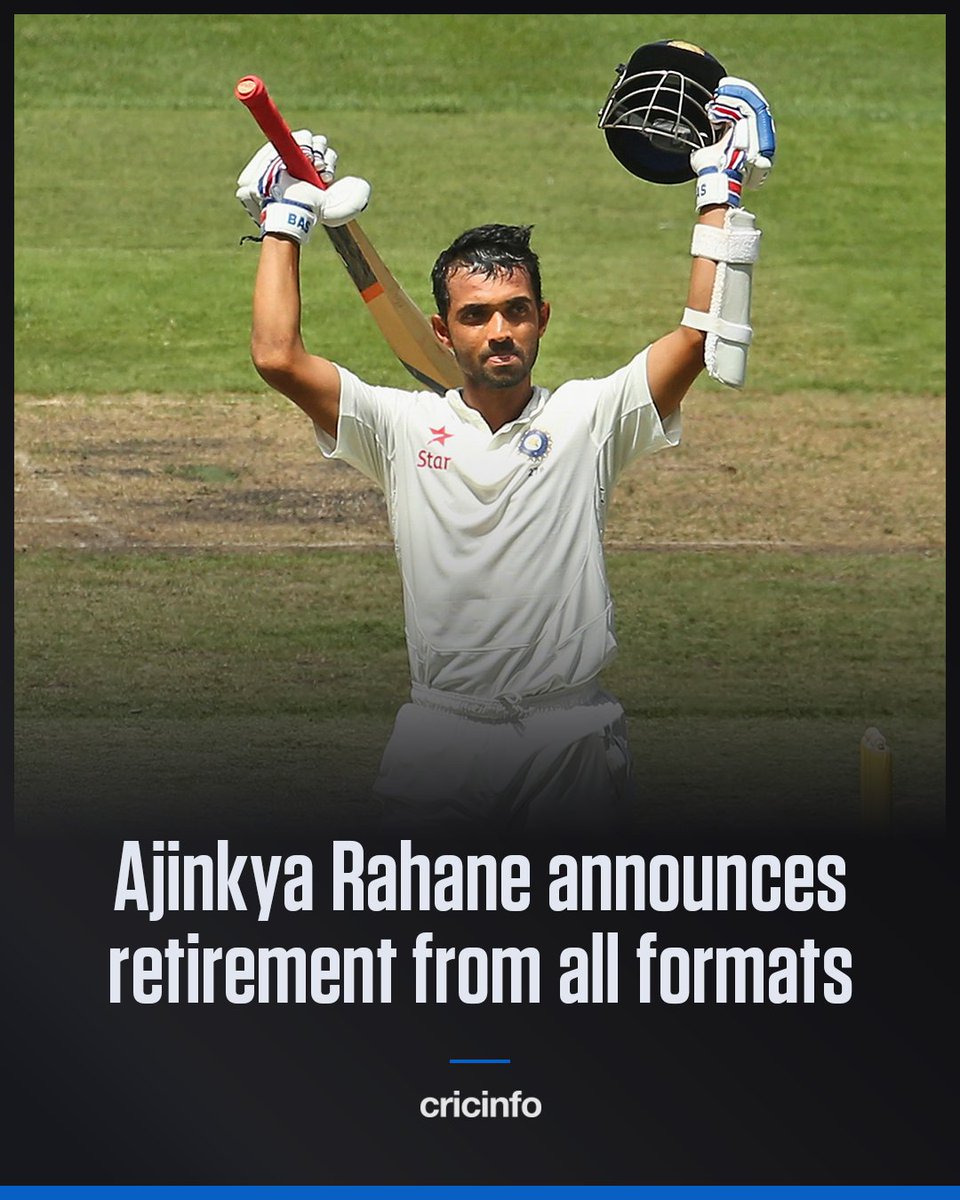
To come in as captain when the last time your team batted, they scored 36. To then score a century and lead your team to the most improbable series win in sports history, with half your team on the injury list and practice bowlers making debuts has to be the most incredible turnaround in Indian sport.
Go well @ajinkyarahane88, you will be missed, and celebrated!
I have been following Indian cricket for more than four decades and I do not have any doubt over my favourite series win.
Go well, Ajinkya Rahane. You led a comeback I did not think was possible – and I was not alone in this.
Ajinkya Rahane was the kind of cricketer you wanted in your team, an inextricable part of the Indian team that dominated Test cricket for a decade, and lastly, most importantly, winning captain of the most insane, bonkers Test series triumph in Indian cricket history.
Played, Jinx.
Dear @JPNadda@DrJitendraSingh ji,
We are observing a complete breach of the agreement regarding no police action against the protestors. Hundreds of students have been arrested in Bihar and Bengal, and hundreds are being surveilled/harrassed in Delhi and other states. Multiple reports are emerging in Delhi around detention of volunteers supporting protestors with logistics.
We demand that all the FIRs against the protestors be immediately withdrawn, students be released and no future FIRs be filed (in line with our agreement) by Delhi police / Central investigative agencies / Police in BJP-allied states, FAILING WHICH WE WILL BE FORCED TO SIT ON PROTEST AGAIN.
We also demand that the written agreement around legal cases be shared with us by tomorrow, the aligned timelines with the Government of India.
Let this be said loud and clear.
The youth of India aren't deserting it to settle abroad. They fought on the streets for their rights. They quoted Neeraj. They know more about democracy than most of us. They were willing to get beaten for us. Be proud of them. Give them a future.
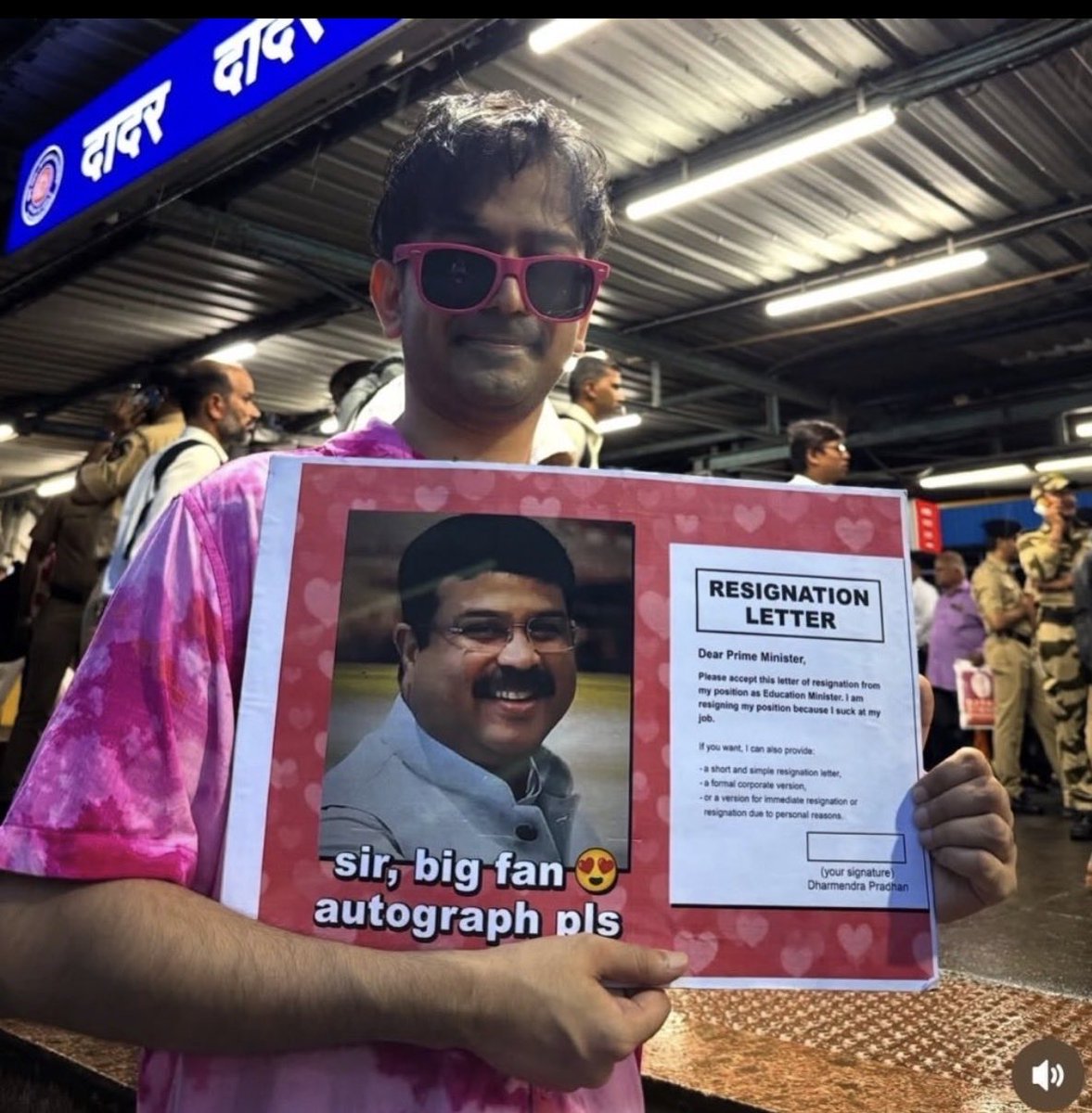
You know what a resignation would mean, right?
1. It sets a precedent. If you fuck with the public, you will pay the price.
2. Politicians do not understand decency, morality, etc. Now they will.
3. It means large scale protests work.
4. It means nautanki, drama, reels do not work. Only work works. Honesty works.
5. It means you are answerable and accountable.
No wonder no politician in his right mind would agree to that one demand. It would shake the entire concept of politics in India.