Orhan Yenen:
Dünyanın en akıllı adamı ol, Türkiye'de paran yoksa kimse seni ciddiye almaz.
Parasız adam evlenemez bile. Evliliğin lüks olduğu ülke mi olur?
Most people lift weights for vanity.
But smaller muscles matter for movement.
My wife and I have a combined 10 years of physical therapy experience.
Here’s our 15 best exercises to avoid joint pain (with tips and demo):
How much Google can pay you if you start a Pinterest account
1,000 views = $5.35
10,000 views = $53.5
100,000 views = $535
1,000,000 views = $5,350
10,000,000 views = $53,500
100,000,000 views = $535,000
Here’s exactly how you do it (even if you know nothing):
Your attention span is non-existent.
99% of people can’t focus because their brains are fried.
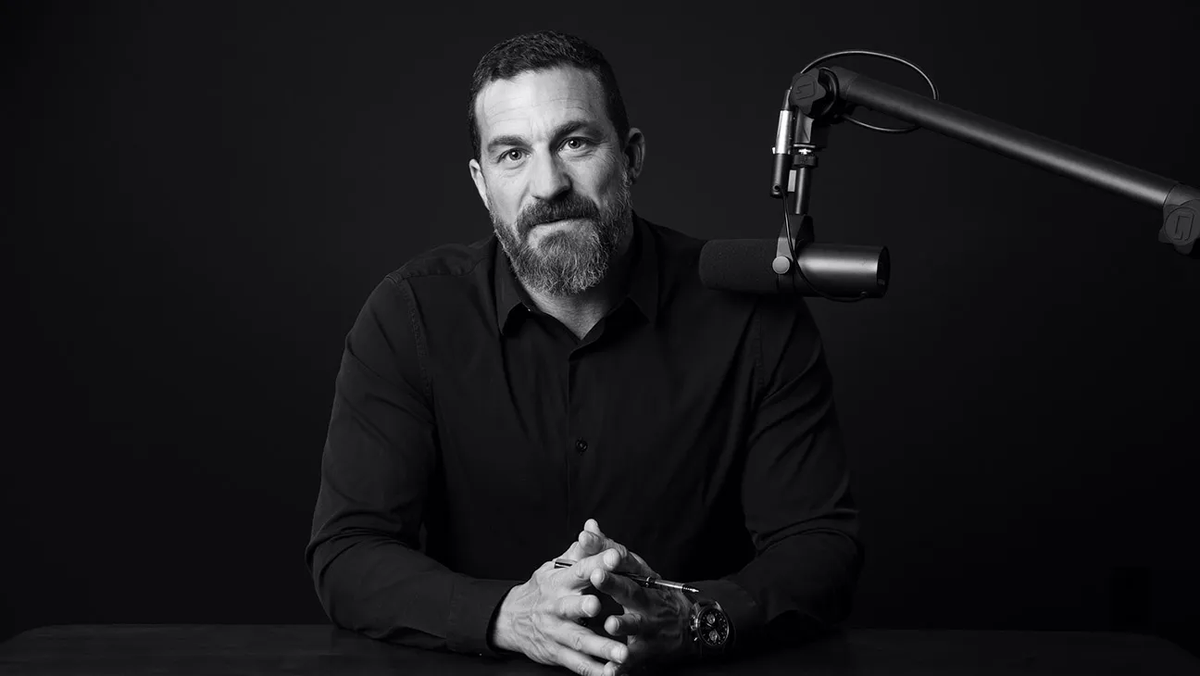
Andrew Huberman has a secret 17-minute method that can rewire your brain in just one session.
Here’s exactly how you can do it 🧵:
Marc Andreessen explains the “Onion Theory of Risk”
“I think the single-biggest thing entrepreneurs are missing — both on fundraising and how they run their companies — is the relationship between risk and cash. I’ve always been a fan of something Andy Rachleff taught me years ago. He calls it the ‘Onion Theory of Risk.’”
You can think of a day 1 startup as having every conceivable kind of risk: founding team risk, product risk, technical risk, market acceptance risk, revenue risk, cost of sales risk, viral growth risk, etc.
A startup is basically just a long list of risks, and as Marc explains:
"The way I think about running a startup is the way I think about raising money. It's a process of peeling away layers of risk as you go."
You raise seed money to peel away the first two or three risks (e.g. founding team risk, product risk, initial launch risk).
You raise the Series A round to peel away the next layer of risks (e.g. recruiting risk, customer risk, revenue risk, cost of sales risk)
And so on.
Basically, you're peeling away risk as you're achieving milestones. And as you achieve milestones, you're both: making progress on your business and justifying raising more capital.
So in terms of fundraising, you should be calibrating the amount money you're raising to the risks you need to pull out of your business for you to raise your next round.
For example, if you're raising your Series A round, the best way to do that is to say to investors: "I raised a seed round then achieved ____ milestones and eliminated ____ risks. Now I'm going to raise $ X for the Series A to achieve ____ milestones and eliminate ____ risks. This will get the company to ____ state for the Series B round. "
This seems fairly obvious, but as Marc points out, it's a much more systematic way of going about things versus just raising as much money as possible, renting fancy offices, and hiring as many people as you can to grow as fast as you can.
The more money you raise, the more you dilute your ownership stake in your business so it pays to be thoughtful.
Raise the capital you will need to achieve the milestones and eliminate the risks required for your next financing round. It also probably makes sense to give yourself some margin as safety because things never go exactly as planned in startup land.
Video source: @ycombinator (2014)
A 3-day fast is more than a trend—it’s a powerful tool to boost fat-burning, sharpen mental clarity, and reduce inflammation in just 72 hours.
After researching top 5 fasting books, I’ve created the ultimate guide to mastering a 3-day fast for exponential health benefits:
Look at this lady.
She’s a psychiatrist who's spent decades researching addiction and behavioral science.
Her findings? Pain is necessary to quit addiction.
Here are Her 7 main protocols for preventing addiction:
I'm 38.
At 30, I had $10K left in the bank after my eCommerce startup failed (I lost everything).
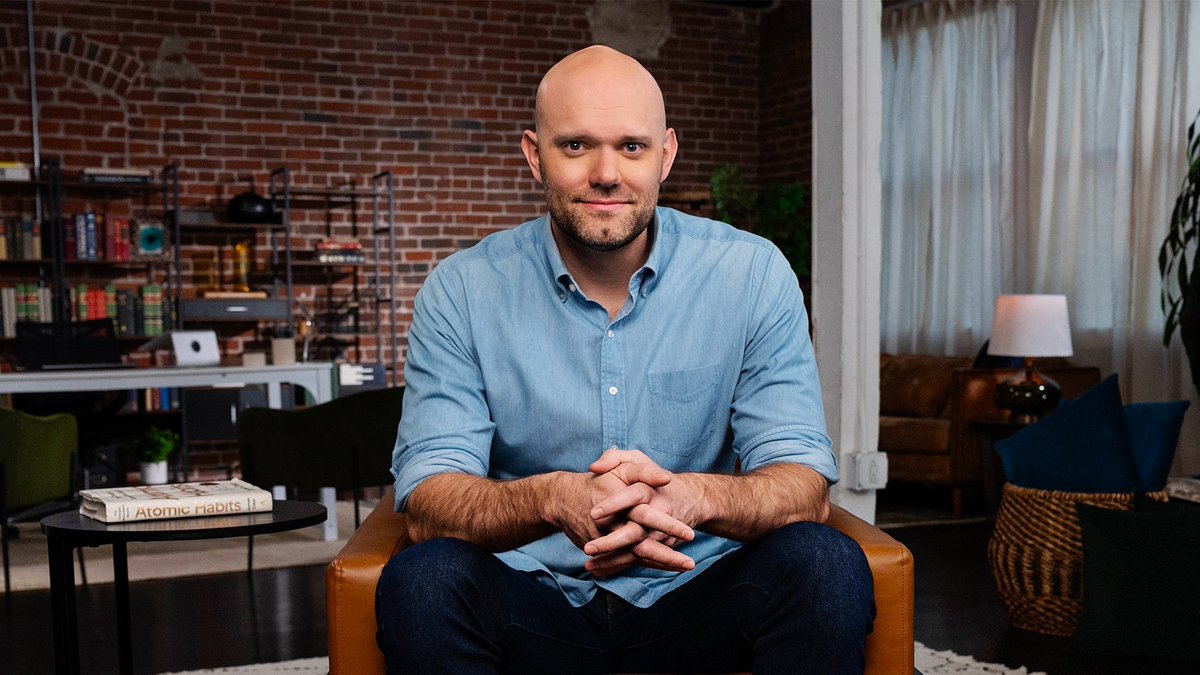
Then, I discovered James Clear's work on habit-building, and made my first million at 33.
13 of his insights that transformed my life (and will do the same for you):