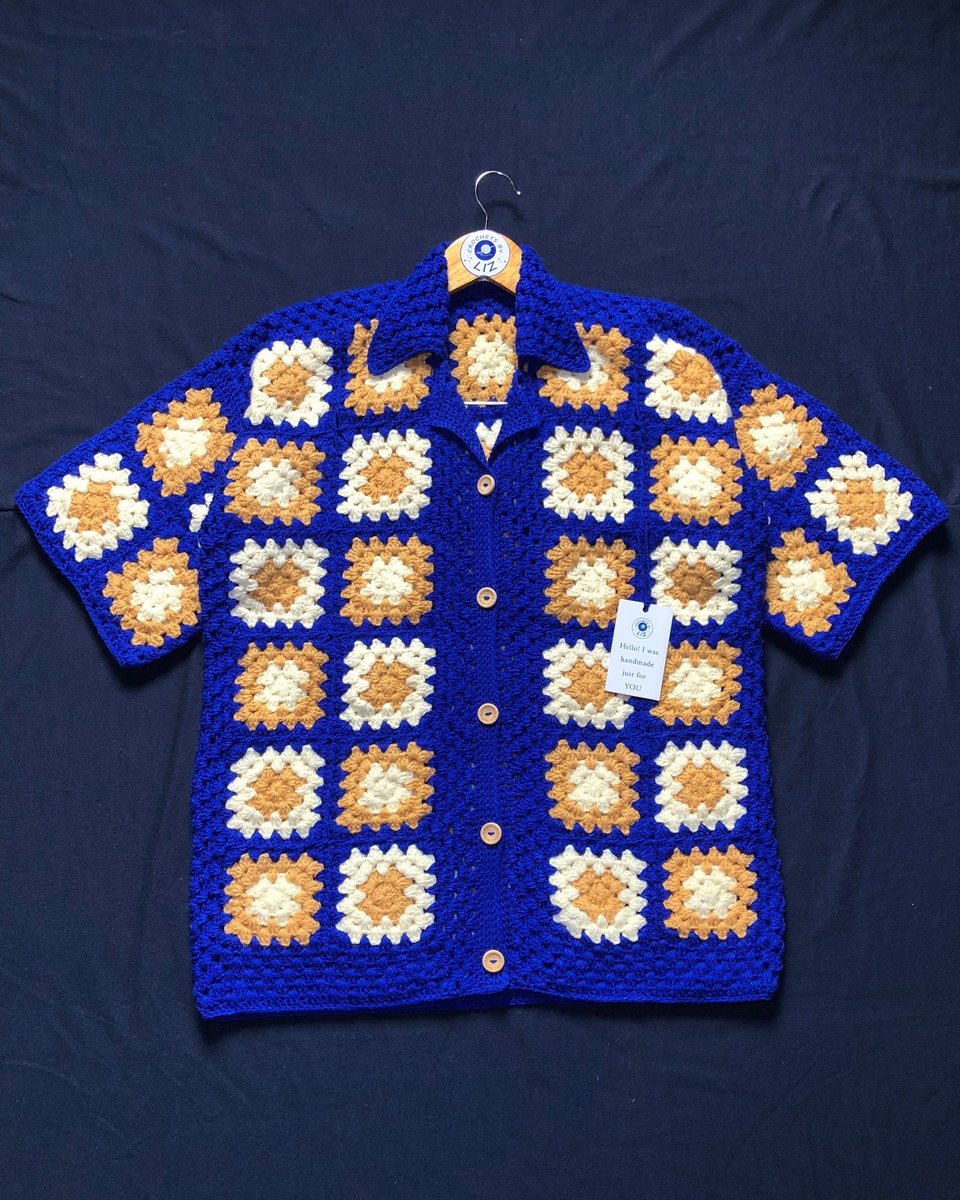
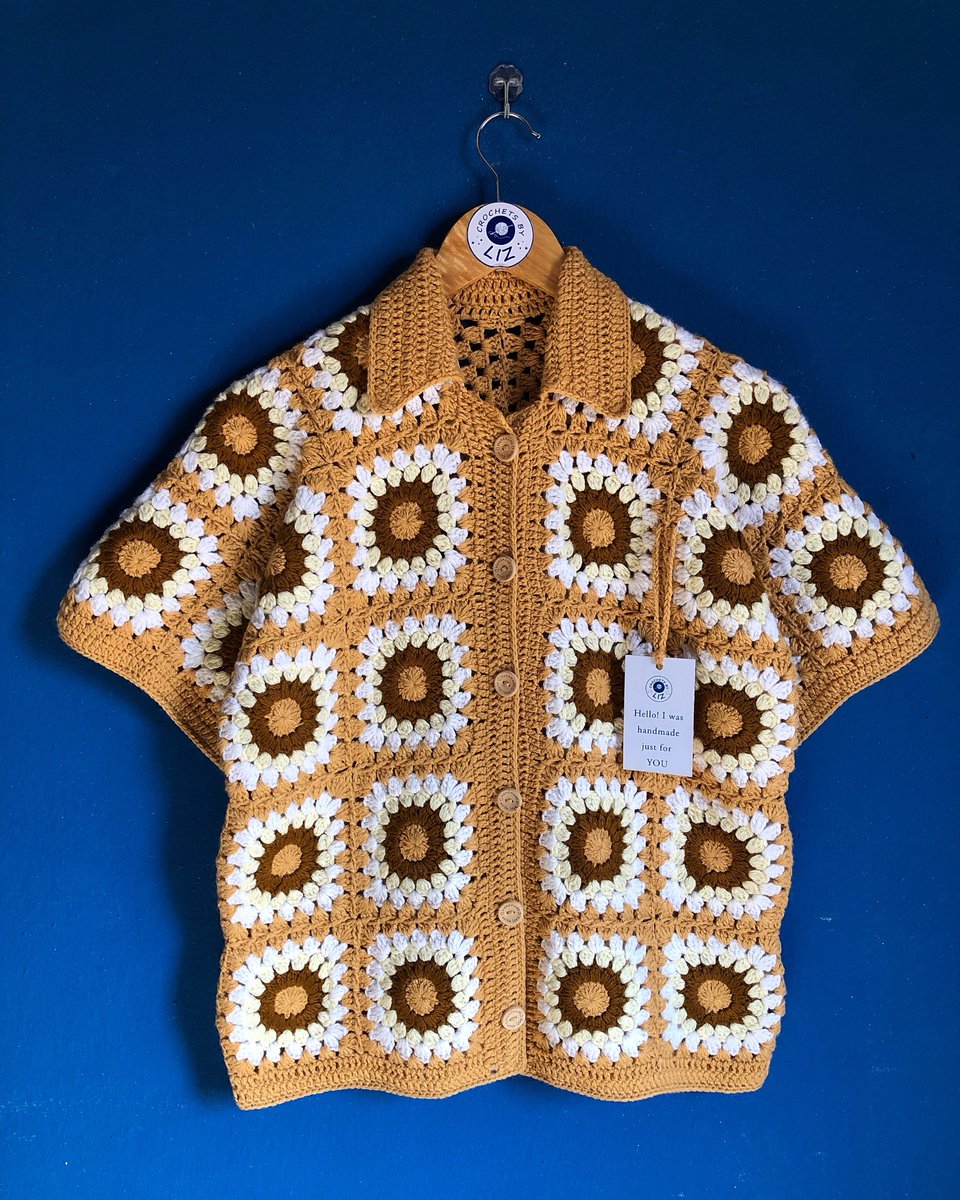
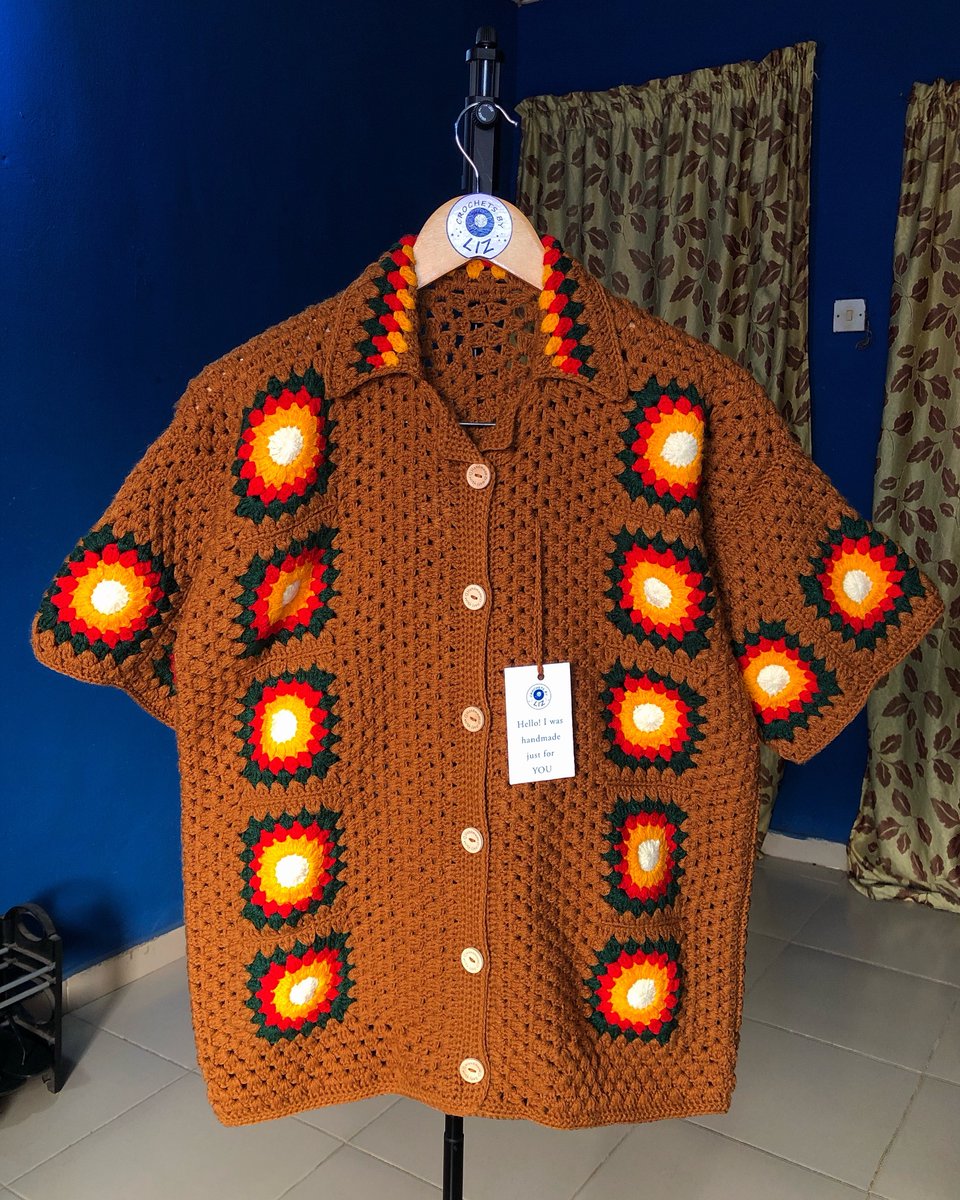
Remember the lady who made the YouVersion @YouVersion QR code shirt that went viral? I interviewed @Jesulade_EA for VagaBounds.
There’s more to find out about her. Read here: https://t.co/DKBj3Vl2oU
We have slowly become a sitting people, and our bodies are paying for it. Think about a normal day. You sit through Lagos traffic to get to work. You sit at a desk for eight, nine, ten hours. You sit in traffic again on the way home. Then you sit on the couch to "rest." By bedtime you have been folded into a chair for most of your waking life, and you call it a productive day.
Here is what the science now says, and it is blunt. Sitting for more than eight unbroken hours a day, without real movement, carries a health risk that researchers compare to obesity and even smoking.
It pushes up your blood pressure, your blood sugar, your belly fat and your bad cholesterol, the whole cluster that leads to heart disease and diabetes. They have started calling it "sitting disease," and the tricky part is that it hides. You feel perfectly fine while it builds.
But here is the good news, and it costs you nothing. You do not need a gym to undo this. You need to break the sitting. The simple rule is to stand up and move for two or three minutes roughly every thirty minutes. Walk to refill your bottle. Take a call standing. Do a lap of the office or the house. Climb one flight of stairs. That is it.
It is not the sitting alone that harms you, it is the long, unbroken stillness. So break it, again and again, through your day. Set an alarm if you have to.
Your body was built to move, not to marinate in a chair.
How many hours a day do you think you sit?
#HealthIQ #DeskHealth #Nigeria #SittingDisease
"Sit up straight or your back will bend like that forever!"
If you grew up in a Nigerian home, you heard it at the dinner table, in class, even in church. You might shout it at your own children now. We were raised to believe that slouching slowly deforms the spine, that there's one correct way to sit, and that any child who curls up on a chair is ruining their body for life.
I want to take some of that fear off your shoulders.
There is no single perfect posture. Back pain research has moved away from the idea that one "correct" position protects you and every other position harms you. Spines aren't made of glass. They're strong, adaptable structures built to bend, twist, slump and straighten all day long. A child lying on the floor doing homework, sitting cross-legged or leaning on one arm isn't damaging their spine. They're doing what bodies do.
What actually causes trouble isn't the slouch. It's staying stuck in one position for too long, whether slumped or ramrod straight. Sitting perfectly upright for three hours is no healthier than shifting around every few minutes. The problem is stillness, not shape.
So here's a better rule, for kids and adults. Your best posture is your next posture. Move often. Change position. Get up, stretch, run around, then sit again in whatever way is comfortable. Variety beats rigidity every time.
And please drop the scary warnings. Telling children their body is fragile teaches them to fear movement, and that's the opposite of what we want. A child who moves freely and often is building a strong back that can take a knock.
If a child has pain that won't go away, a visible curve in the spine, or trouble moving, get them checked, because that's a different situation.
Which posture warning did you grow up hearing?
#Posture #MythBusting #Nigeria #Physiotherapy
1. I sponsored myself through school with the work of my own hands, and I did it legitimately.
2. I can afford anything I want in this life. Anything I need, I can afford.
3. My mutual fund investment already gives me close to 300,000 naira every month. Even if I stop working tomorrow, I would still sit among the top 3% of Nigerians who earn up to that amount monthly.
4. I am not married yet, but I have been paying school fees for three children. I may add a fourth soon.
5. No bill has ever been bigger than me. It is not because I am wealthy. It is because I stay 2 steps ahead of myself. I plan my week and my month before they arrive. I already know every major expense coming next month, down to the exact amount of fuel I will buy.
Above all, love God.
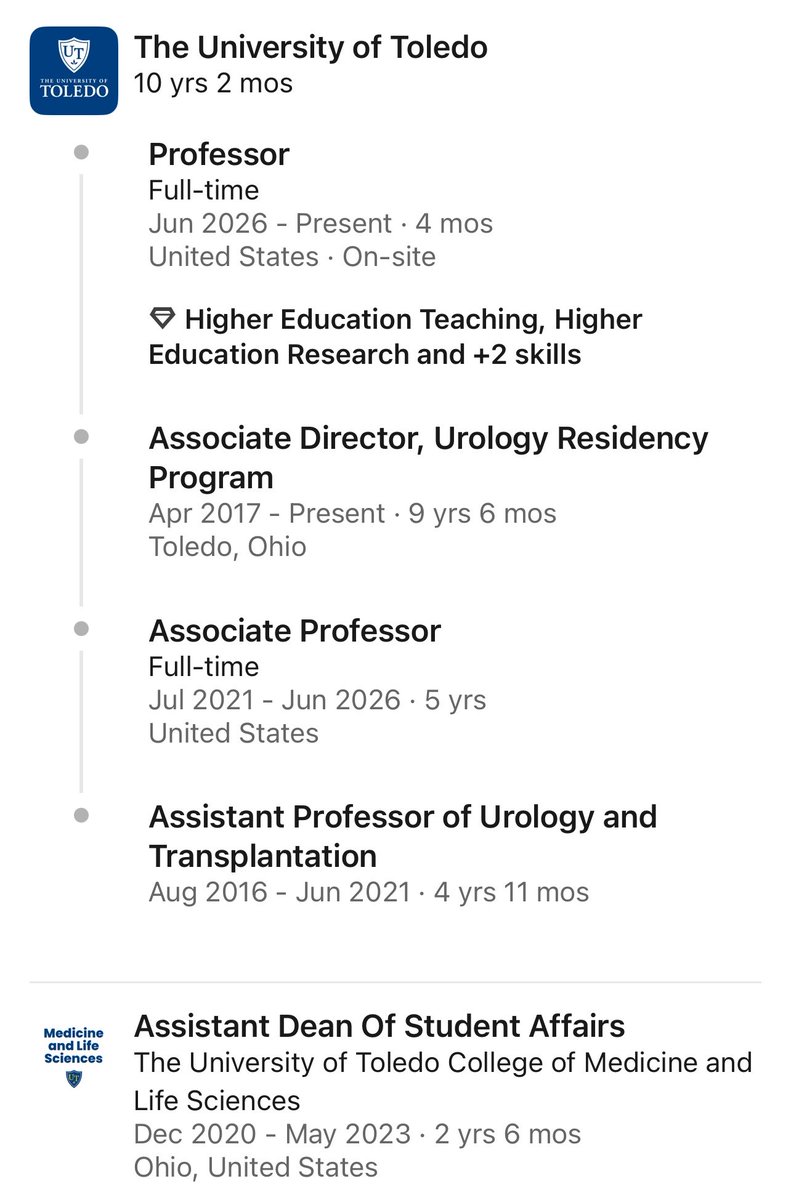
Update: RCCG’s Urologist, Prof. Obi Davies Ekwenna, completes surgery on a patient in Abuja, all the way from Redeemers Health Village in Mowe, Ogun State.
Marking Nigeria & West Africa’s first ever tele-robotic surgery. Training at the ₦5.4bn facility begins October 22, 2026.
I have been thinking of how to raise the gateman's salary at my workplace from 70,000 naira to 100,000 naira without making it too obvious.
I found out his daughter attends a private school where he pays 120,000 naira per term, plus books and everything.
Instead of giving him 30,000 naira extra monthly, I decided to take over his daughter's education entirely.
I went to him directly to break the news. He was outside with his wife at, her small store when I told him.
You needed to see what happened next.
Both of them went down on their knees in seconds just to say thank you.
I was so ashamed that I had to kneel down with them. 😂😂
I love this family. ❤️
Above all, love God.
BREAKING: Starlink just helped make medical history in Africa! 🇳🇬
Using a Starlink internet connection, a surgeon near Lagos remotely controlled a robot to remove a cancerous kidney from a patient in Abuja, around 500 km away, in West Africa’s first tele-robotic surgery.
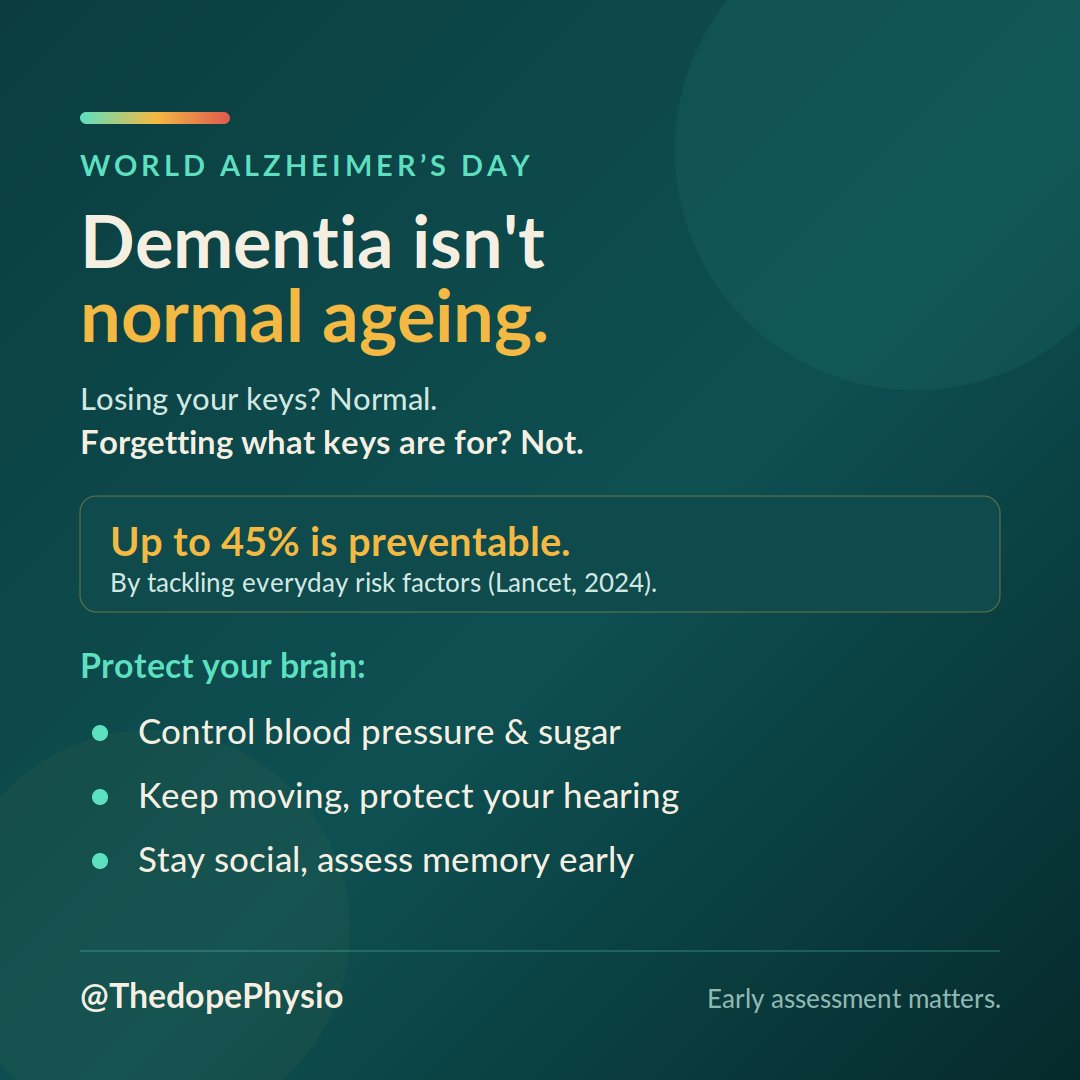
In many of our homes, when an elder starts forgetting, we have a name for it. "Old age." We shrug. We say her memory has just gone, the way grey hair comes. Sometimes we go further and whisper that someone has "touched" her, that it is spiritual. And so grandma slowly disappears in front of us, and nobody takes her to a doctor, because we decided long ago that this is simply what old age does.
On World Alzheimer's Day, I want to gently correct that, because the belief is costing families dearly.
Here is the line to remember. Forgetting where you kept your keys is normal. Forgetting what keys are for is not. All of us misplace things, blank on a name, walk into a room and forget why we came. That is ordinary, tired, human forgetfulness, and it does not mean dementia. But when a person forgets how to do familiar things, gets lost on roads they have known for decades, struggles to follow a simple conversation, or changes sharply in personality, that is not ageing just being ageing. That is a medical condition, and it deserves a medical answer.
Dementia is not a normal, unavoidable part of growing old. Plenty of people live into their eighties and nineties with sharp minds. Dementia is a disease of the brain, and like other diseases, much of it can be prevented or delayed.
This is the hopeful part most people never hear. A major 2024 review found that up to 45% of dementia cases could be prevented or delayed by tackling everyday risk factors. Not exotic ones. The same enemies we already fight; Uncontrolled high blood pressure, Diabetes, Physical inactivity, Smoking, Untreated hearing loss, Loneliness and isolation.
Keep your blood pressure in check, keep moving, protect your hearing, treat your sugar and stay socially connected, and you are actively protecting your brain, not just your heart.
So two things. First, if an older person you love is changing in the ways I described, please do not file it under old age or the spiritual. Take them for a proper assessment. Early intervention is everything, because it opens the door to treatment, planning and support while they can still be part of the decisions.
Second, look after your own brain now, in your forties and fifties. What you do today is the memory you get to keep tomorrow.
When did your parents last check their blood pressure?
#WorldAlzheimersDay #BrainHealth #Dementia #Nigeria
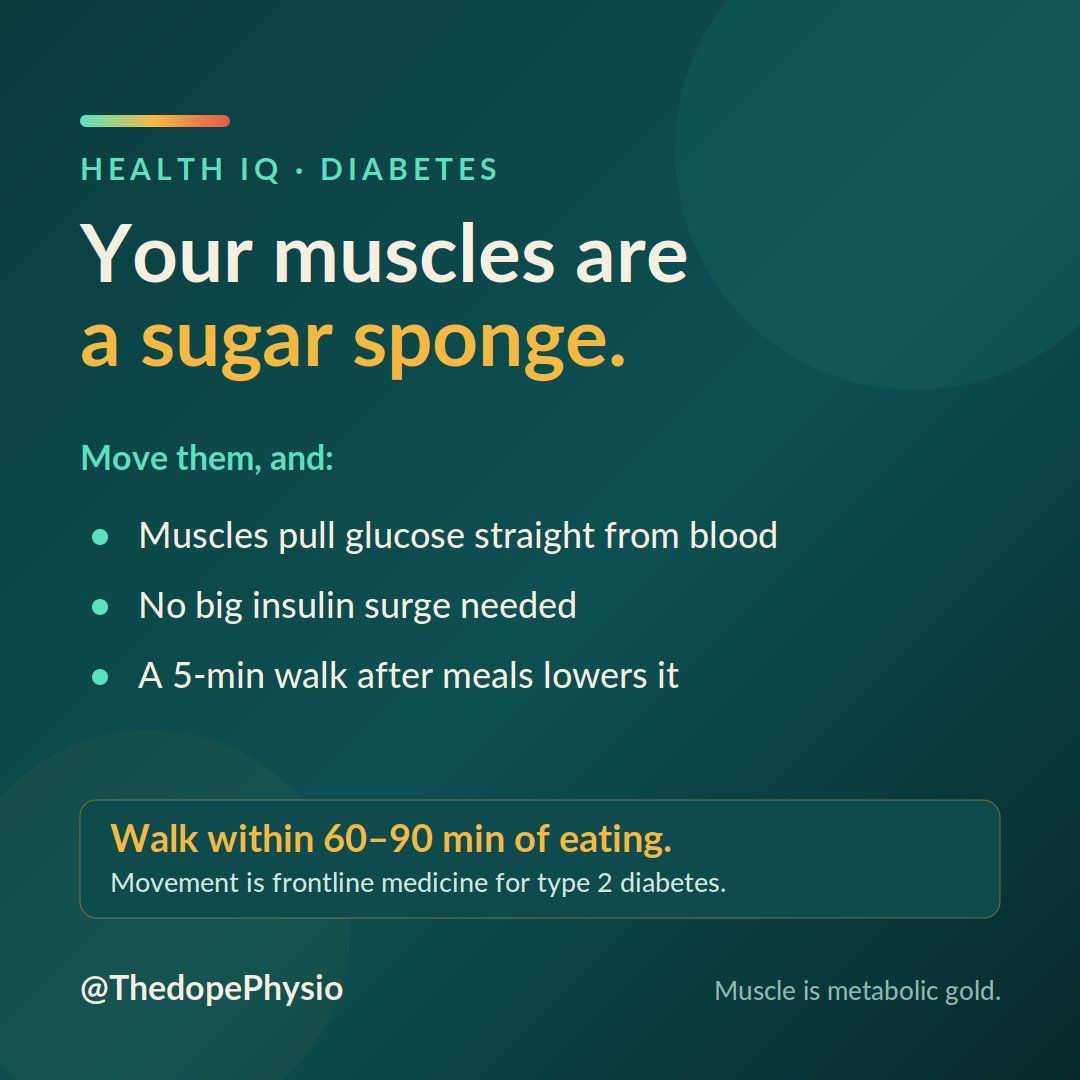
Here is a piece of your own biology that most people are never taught, and it could change how you handle your health for the rest of your life. Your muscles are the largest sugar sponge in your body.
When you eat, especially rice, bread or swallow, the carbs break down into glucose and pour into your bloodstream. Your body has to clear that sugar, and by far the biggest place it goes is your muscles. Here is the beautiful part. Working muscles pull glucose out of your blood directly, and they start doing it without waiting for a big surge of insulin. Move the muscle and it begins drinking sugar out of your bloodstream almost straight away.
This is not just theory. Studies show that even a five-minute walk after a meal noticeably lowers your blood sugar, and the effect is strongest in the sixty to ninety minutes after eating. Not a gym session. Not an hour of sweating. A short, easy walk soon after you finish your food. Your muscles do the rest.
Think about what that means. You are carrying a powerful, free, drug-free tool for managing blood sugar around in your own legs. This is exactly why we say movement is frontline medicine for type 2 diabetes and for preventing it. Muscle is metabolic gold. The more you have, and the more you use it, the better your body handles sugar.
So after your next big meal, instead of collapsing into a chair, take a gentle ten-minute walk. Around the compound, down the street, up and down the stairs. Nothing dramatic. Your bloodstream will thank you, and over the years those small walks add up to real protection.
What is one meal today you could walk off?
#HealthIQ #Diabetes #Physiotherapy #Nigeria
Walk into any chemist in Nigeria and watch how we buy antibiotics. No prescription. No diagnosis. Just a cough, a fever, a "give me something strong," and out comes a course of ampiclox like it is paracetamol. We treat antibiotics like sweets. And it is quietly setting up one of the biggest health disasters of our lifetime.
So let me clear up the confusion that drives all of this. Most of the everyday illnesses we reach for antibiotics for are not caused by bacteria at all. The common cold, the regular flu, most sore throats and coughs, these are viruses. Antibiotics do absolutely nothing to a virus. Taking them for a cold will not make you better a single day faster. It only exposes your body, and everyone around you, to harm.
Here is the harm. Every time you take antibiotics you do not need, the few bacteria that survive learn to resist them. They multiply. They spread. And slowly we breed superbugs our medicines can no longer kill. The frightening part is that this is not a far-away problem. It means that one day, when you truly need an antibiotic, for pneumonia, for an infected wound, for a sick child, it may simply stop working. We are burning the very medicine we are counting on to save us later.
So please, two simple rules. One, do not take antibiotics for colds, flu or "just in case." They are not for viruses. Two, when a doctor does prescribe them, take the full course exactly as directed, even after you feel better. Stopping early is how the strong bacteria survive.
Antibiotics are a shared treasure. Guard them.
Have you ever bought antibiotics without seeing a doctor?
#AntibioticResistance #PublicHealth #Nigeria #AMR #TOTAST