@BroHajji@KashmiriHanbali For definitions of Atharism, I guess each to his own. I don’t see Abu Hanifa, Abu Yusuf, Muhammad, al-Tahawi as being Athari in any meaningful way; they’re more similar to Maturidis than, say, to A b Hanbal. Maturidis built on Abu Hanifa’s usul. A Hanifa = precursor 2 Maturidis.
@KashmiriHanbali For definitions of Atharism, I guess each to his own. I don’t see Abu Hanifa, Abu Yusuf, Muhammad, al-Tahawi as being Athari in any meaningful way; they’re more similar to Maturidis than, say, to A b Hanbal. Maturidis built on Abu Hanifa’s usul. A Hanifa = precursor 2 Maturidis.
@AbdullahMastan_ For definitions of Atharism, I guess each to his own. I don’t see Abu Hanifa, Abu Yusuf, Muhammad, al-Tahawi as being Athari in any meaningful way; they’re more similar to Maturidis than, say, to A b Hanbal. Maturidis built on Abu Hanifa’s usul. A Hanifa = precursor 2 Maturidis.
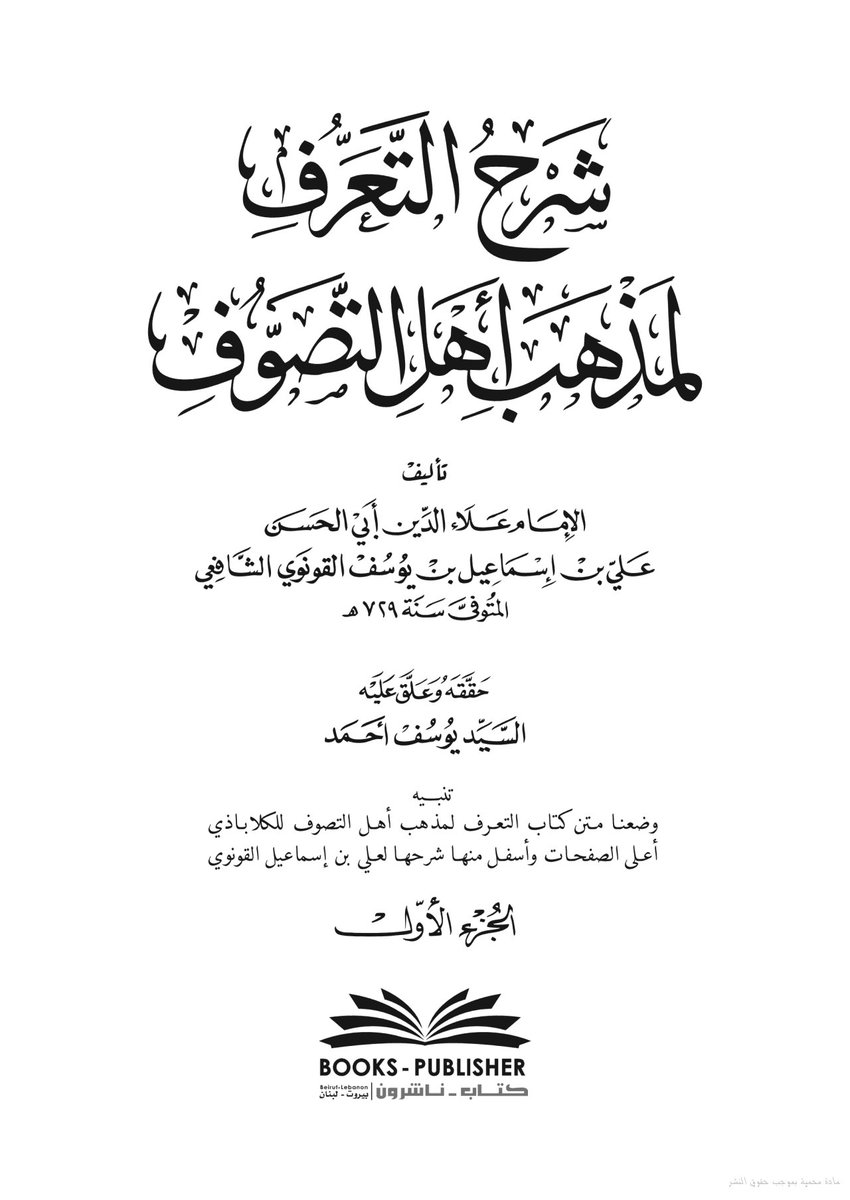
قال أبو بكر الكلاباذي الحنفي (ت 380هـ) في “التعرف لمذهب أهل التصوف” ، ناقلا إجماع الصوفية :
«لا اجتماع له ولا افتراق ، لا يتحرك ولا يسكن ولا ينقص ولا يزيد ، ليس بذي أبعاض ولا أجزاء ولا جوارح ولا أعضاء ولا بذي جهات ولا أماكن» .
“التعرف لمذهب أهل التصوف” ، ص 33–34 .
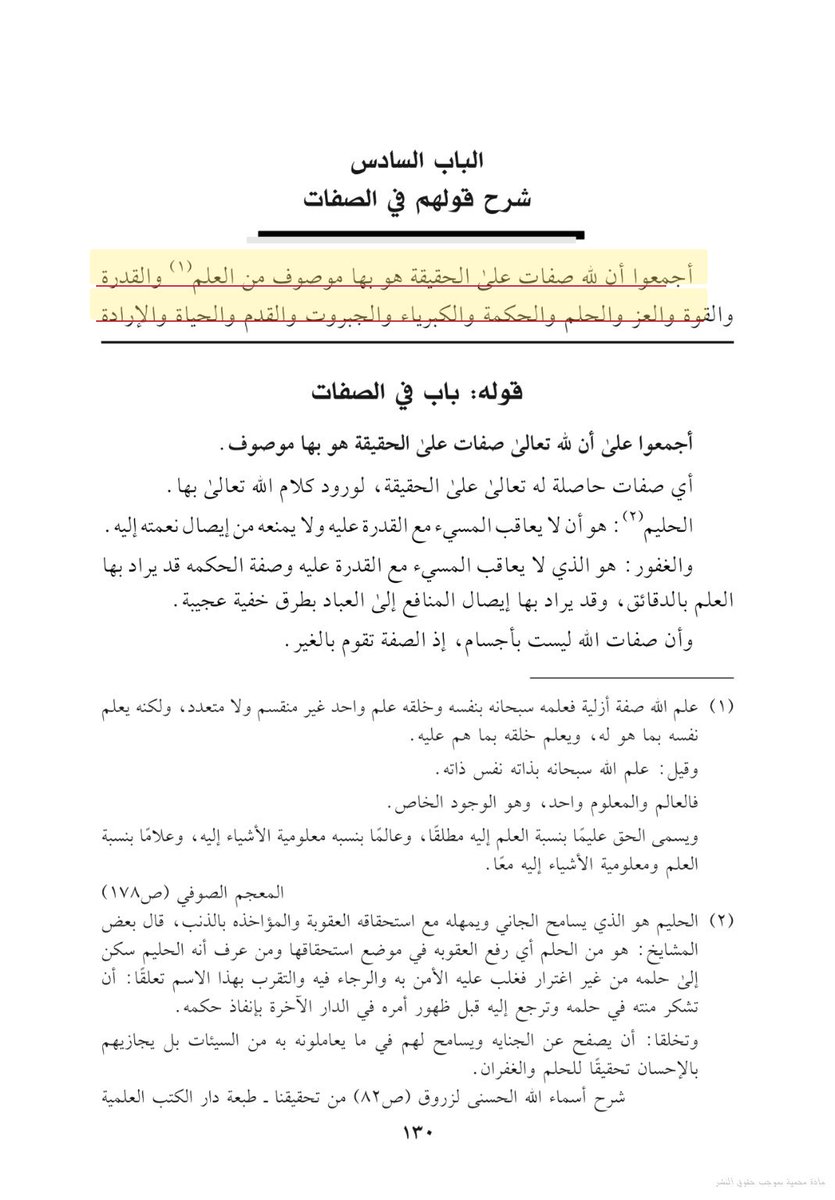
قال أبو بكر الكلاباذي (ت: 384هـ) : "أجمعوا على أن لله صفات على الحقيقة هو بها موصوف؛ من العلم، والقدرة، والقوة، والعز، والحلم، والحكمة، والكبرياء، والجبروت، والقدم، والحياة..... وأن له سمعا وبصرا ووجها ويدا على الحقيقة، ليس كالأسماع والأبصار والأيدي والوجوه".
@darthweit2@ibn_Abidin_ The case of Taj al Subki is different, can discuss that after. What I don’t understand is that Ibn al Hariri simultaneously holding two opinions of Ibn Taymiyyah: 1) willing to takfir him 2) having positive opinion of him. (holding these two views at different times make sense)
@darthweit2@ibn_Abidin_ Its a clear retraction from his good opinion of Ibn Taymiyyah. Whether you call it nullification of praise or not. If Ibn al Hariri wanted to issue ruling of disbelief on Ibn Taymiyyah. You can well imagine that he did not hold the positive opinion of him that he once held.
@humble_user19@ZouhairsMurid@worldvu2026@Farid_0v Later, ibn al Hariri would often say that I would have issued ruling of Kufr on IT for opposing Ijma on divorce, had it not been for fear of causing fitna (source: Tarjama Ibn Taymiyyah of Taqi al Subki) Also ibn al Hariri jailed IT for Ziyarah issue. Hence praise nullified.
@ibn_Abidin_ Later, ibn al Hariri would often say that I would have issued ruling of Kufr on IT for opposing Ijma on divorce, had it not been for fear of causing fitna (source: Tarjama Ibn Taymiyyah of Taqi al Subki) Also ibn al Hariri jailed IT for Ziyarah issue. Hence praise nullified.
@darthweit2@ibn_Abidin_ Later, ibn al Hariri would often say that I would have issued ruling of Kufr on IT for opposing Ijma on divorce, had it not been for fear of causing fitna (source: Tarjama Ibn Taymiyyah of Taqi al Subki) Also ibn al Hariri jailed IT for Ziyarah issue. Hence praise nullified.
@KrieguFriede This approach was more prevalent in some earlier Hanafis. The later ones like post 800 A.H and especially in the Arab lands, were more lenient in general as they lived among other Madhabs. Not disputing the quotes you shared.
@abolore12345@toep_444__444@ALearningLad He doesn’t equate knowledge of Prophetﷺ to God , nor does he say its intrinsic. But the extent of knowledge he affirms , and that it is granted by God, still is exaggeration and unsubstantiated by texts or even authoritative scholars of the earlier generations.