On 31 October 2008, Satoshi published nine pages that explained Bitcoin to the world.
Today we’re explaining it to everyone else.
Two pizzas, 10,000 BTC, 21 million coins, and one key you never share. Everything you need to know, in a comic.
Happy 18th birthday, Bitcoin whitepaper.
Nobody can read a 42-character address. So we added a second check.
Exchange deposit addresses now show a label on the Send screen, so you’ll know where your funds are going before you confirm the transaction.
Nigeria's New Crypto Rules Could Change The Global Stablecoin Market
The country now requires foreign stablecoin issuers to establish licensed local entities, with minimum capital of ₦15 billion.
Find out more 👇
https://t.co/fCKcK7XET7
🔥TODAY: CZ says “Binance did not sell crypto,” as Bitcoin hits $62K low.
He says no one knows for sure what’s driving the selloff, but lists FIVE possible factors:
1. Money shifting toward Anthropic’s IPO.
2. Bitcoin and Ether ETF outflows.
3. Security fears from hacks and wallet drains.
4. Hot U.S. inflation and rising Fed rate hike expectations.
5. Political uncertainty after the midterms.
CZ says these factors may be linked to the selloff, but that doesn’t mean they caused it.
He also says he BOUGHT crypto over the past few days, joking, “Maybe this is the cause 🤣”
He remains bullish on crypto over the medium to long term.
5 years ago today, Taproot activated at block 709,632.
It opened the door to Ordinals, brc-20, Runes and many new possibilities for Bitcoin.
Happy birthday, Taproot. 🧡
At UniSat, we’re proud to keep building on that foundation, five years and counting.
PancakeSwap is for Base.
PancakeSwap is for Robinhood.
PancakeSwap is for BNB Chain.
PancakeSwap is for Arbitrum.
PancakeSwap is for Solana.
PancakeSwap is for Arc.
PancakeSwap is for Ethereum.
PancakeSwap is for Monad.
PancakeSwap is for ZKsync.
PancakeSwap is for Linea.
PancakeSwap is for Aptos.
PancakeSwap is for the multichain future.
Money is changing. How do you explain it to your kids?
Start with a story.
One year after the last penny was made, we made our first children’s book - giving parents a new way to talk about money.
Each copy includes $50 in bitcoin to put toward their financial future.
One contact. One address. 46 EVM chains.
Add an address to your Address book once and use it on Ethereum, BNB Chain, and 44 other EVM chains.
Live now 🫡
Juggling multiple wallets?
Now you can switch between them from anywhere in the app.
Just swipe from any tab to open the sidebar, with your wallets, settings, and support all in one place.
Coinbase Wins Federal Approval to Operate as a National Trust Bank
@Coinbase has been granted a federal charter by US banking regulators to become a national trust bank.
This means the exchange will have direct access to central bank clearing systems, reducing its dependence on other banks. It will also be able to process fiat settlements, institutional custody, and fiduciary trusts.
Getting the trust bank charter does not mean that Coinbase has obtained a commercial banking license because its scope will be limited to custody and trust functions only.
2. Optimizing for ETH as fee-burning token would demand compromising decentralization and capture resistance
If we decide we actually want to optimize ETH for burning fees to justify a present-day ~$270B market cap, then Ethereum would essentially be functioning as a world-scale major corporation - it would be somewhere around L'Oreal (#55).
Now, what do *real* major corporations have to do in order to maintain their positions in the long term?
1. They spend. AI estimates L'Oreal as spending ~0.58% of its market cap per year on R&D. This would bankrupt the EF almost immediately. So this would require in-protocol funding to the tune of ~700k ETH per year, with all the political issues that it entails (so validator revenue would get cut by 2/3). And that's just R&D. Corporations have to spend on all kinds of things beyond just cranking out more units of their pre-existing product.
2. They govern. To survive new waves of technology and culture, you have to make highly opinionated choices to go after new markets, make new kinds of products with new features to appeal to people who think in new ways and use the newest technologies. Ethereum would need to have highly interventionist governance, for the long term.
Needless to say, both of these are far from conducive to optimizing capture resistance and decentralization.
On top of this there is another concern: optimizing for fee burning means optimizing for high gas prices to some degree. This may price out users, including some users who may need privacy and security the most. The price that maximizes price * usage leads to less usage than the price that allows as much usage as possible subject to safe blockchain resource limits.
LATEST: 🇳🇬 Nigeria's central bank now requires licenses for stablecoin issuers, with separate categories for naira-linked and foreign-currency tokens and approval needed for each token before issuance.
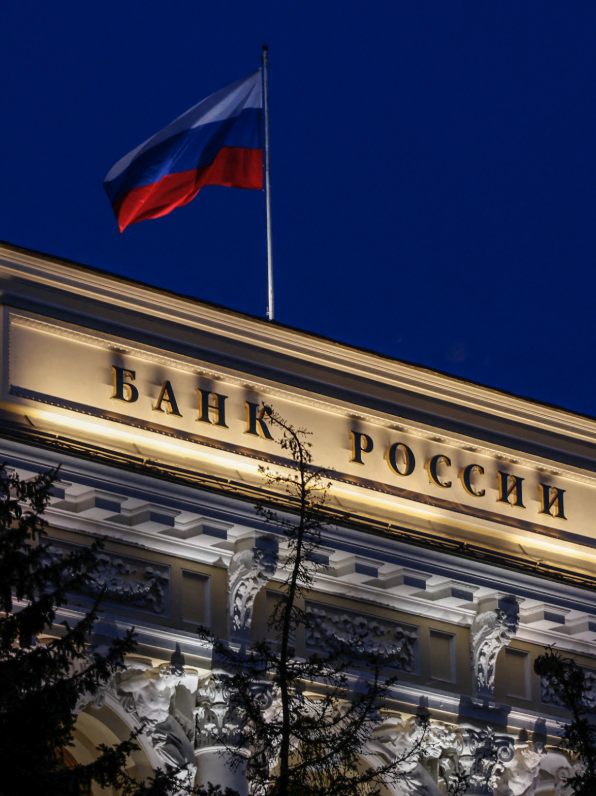
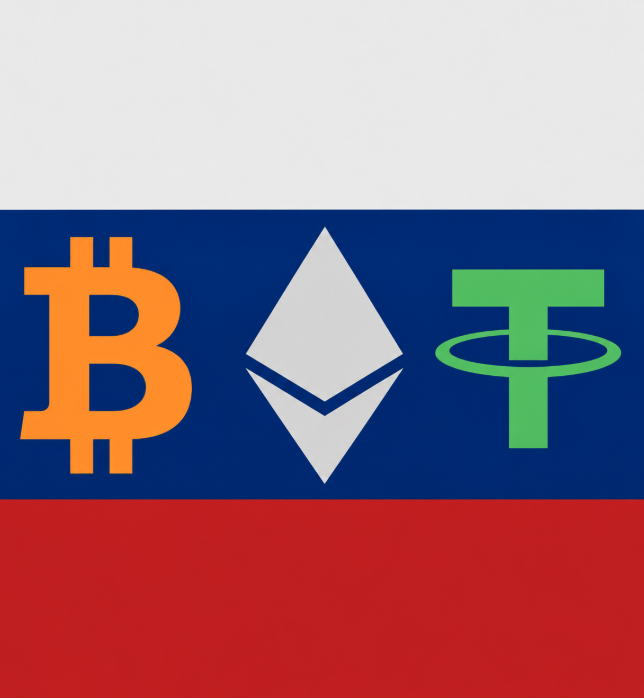
MASSIVE: 🇷🇺Russia’s central bank APPROVES Bitcoin, Ether, and USDT for public trading on domestic exchanges, yet with limitations for retail investors.
The new rules take effect Nov. 17, and Moscow Exchange is targeting a Dec. 1 launch, per local media Izvestia.
- Moscow Exchange plans to offer trading from 7 a.m. to midnight Moscow time.
- Retail investors can buy up to ₽300,000 (~$3,660) per calendar year through each broker.
- Qualified investors can buy crypto available on exchanges or over the counter without a purchase cap.
- All investors must pass a test and review the risks before trading.
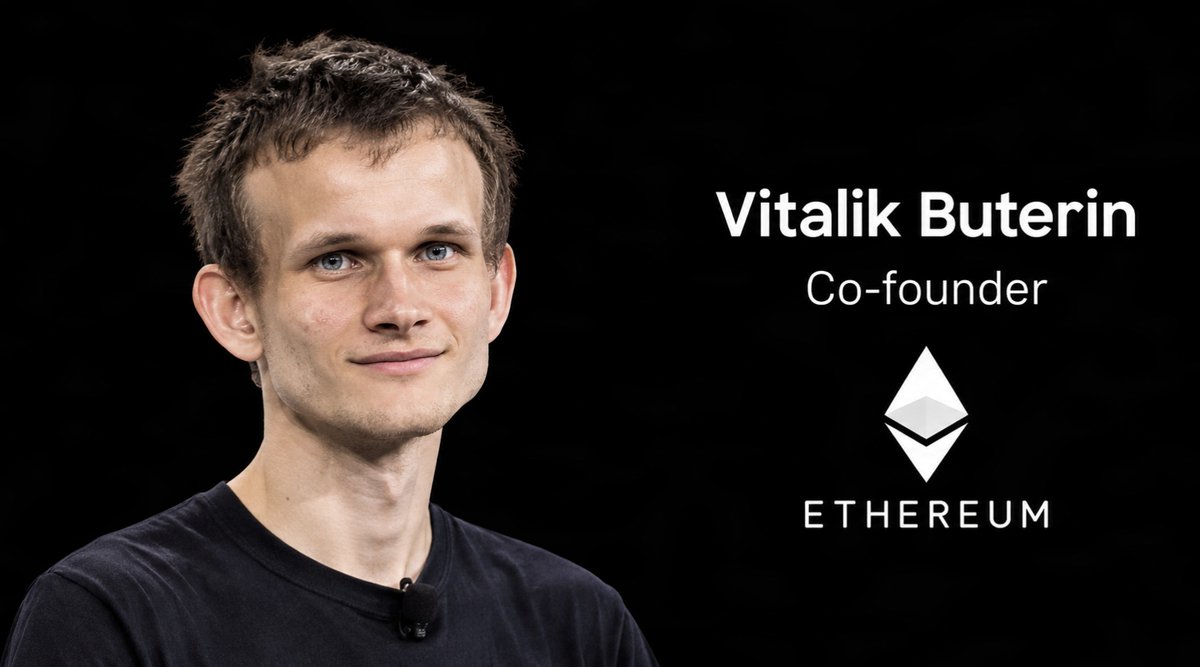
Be Vitalik Buterin
- Born in Russia in 1994
- Moved to Canada at age 6
- Discovered Bitcoin at 17
- Co-founded Bitcoin Magazine in 2011
- Studied CS at the University of @UWaterloo .
- Wrote the @ethereum whitepaper at 19 (late 2013)
- Received a $100,000 Thiel Fellowship in 2014
- Co-founded Ethereum in 2014
- Raised about $18M in Ethereum's crowdsale
- Launched Ethereum on July 30, 2015
- Helped make DeFi, NFTs and DAOs possible
- Led Ethereum's shift to Proof of Stake in 2022.
- Became one of the most influential figures in crypto
From discovering Bitcoin at 17 to writing the Ethereum whitepaper at 19, @VitalikButerin changed the future of blockchain.
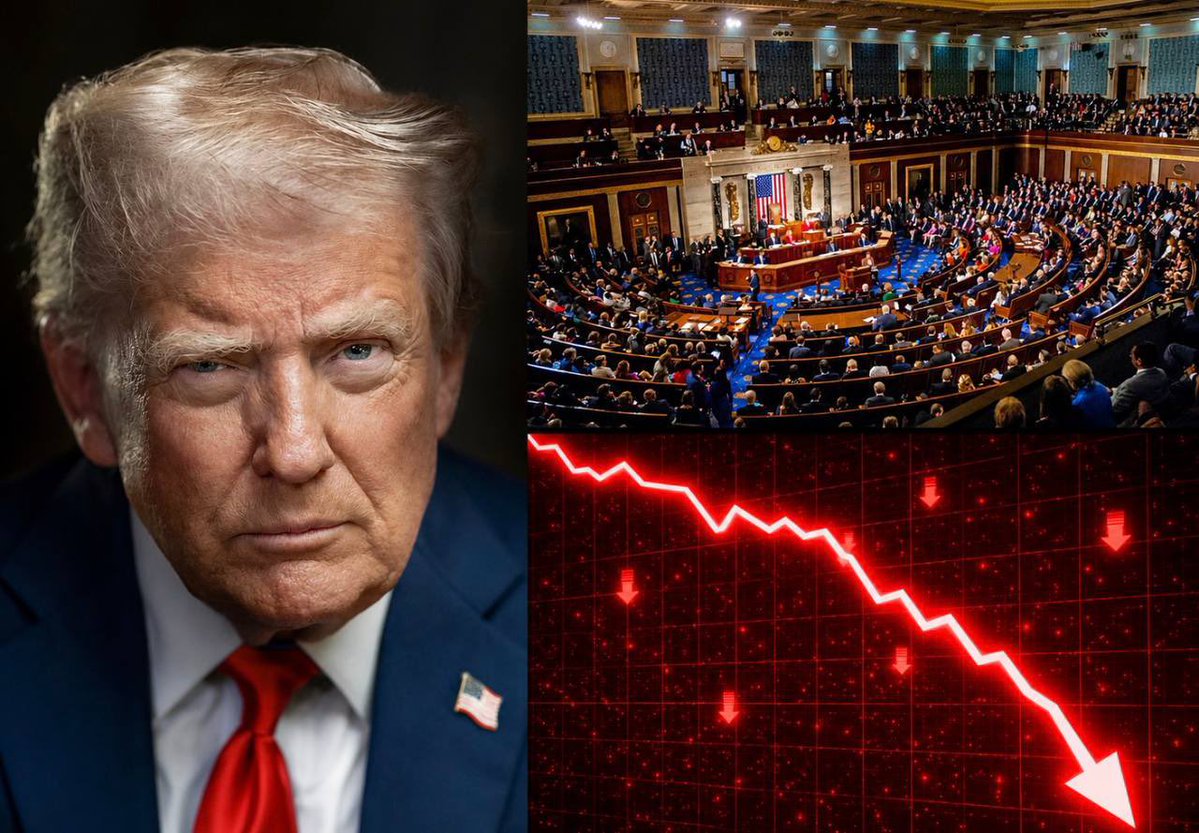
🚨 NEXT 36 HOURS COULD TRIGGER A MASSIVE SHOCK ACROSS GLOBAL MARKETS
And the reason is US midterm elections.
Right now. Democrats have around a 73% chance of winning both the House and Senate.
And depending on the results, crypto, AI stocks, and oil could react very differently.
IF REPUBLICANS WIN:
• Crypto: Trump could have an easier path to passing pro-crypto laws, including the CLARITY Act, potentially triggering a rally in Bitcoin and altcoins.
• AI stocks: Fewer regulatory restrictions could benefit major AI companies and chipmakers.
• Oil: If Trump wins, he may look towards a peace deal with Iran rather than new attacks, which will bring oil prices down, easing inflation and giving room for the Fed to cut rates.
IF DEMOCRATS WIN:
• Crypto: The CLARITY Act could face further delays. All Democratic senators opposed advancing the bill in September.
• AI stocks: Democrats could push for tougher oversight, while some lawmakers have already opposed taxpayer bailouts for struggling AI companies.
• Political uncertainty: Trump has warned he could become “Mr. Veto,” potentially blocking Democratic legislation and creating months of political deadlock.
• Oil: If Trump loses, he might go more aggressive on Iran, which will put downward pressure on every market.
But there's something even more important investors need to understand.
Markets are already pricing in a Democratic victory, so most of the downside has been priced in.
But if Republicans manage a win, it could cause a massive short squeeze in all financial markets.
Also, the crypto market has always rallied in the next 12-24 months after midterms, and this time we have huge catalysts like institutional adoption, tokenization, and stablecoins.
So, a short-term volatility is possible, but in the long run, crypto prices are going way higher.
The FBI is releasing information advising the Democratic People's Republic of Korea (North Korea) was responsible for the theft of more than $6 billion USD in virtual assets from cryptocurrency exchange, Binance, on or about October 29, 2026. The FBI refers to this specific North Korean malicious cyber activity as "TraderTraitor."
The FBI, together with partners at the USSS and IRS-CI, has observed TraderTraitor actors converting stolen assets primarily into Ethereum (ETH). It is expected these assets will then be further laundered by converting them using DeFi and instant swap services as they prepare them for further laundering stages.
How You Can Help:
FBI, USSS, and IRS-CI are urging private sector entities including THORNode operators, RPC node operators, instant exchanges, DeFi services, blockchain analytics firms, and other virtual asset service providers to block transactions with or derived from addresses TraderTraitor actors are using to launder these stolen assets.
A list of addresses associated with this activity is available here: https://t.co/g0oIWx0WeD