“What was the biggest difference with the offensive changes”
Justin - “We just said fuck it honestly”
Luke - You can’t say that 😂😂
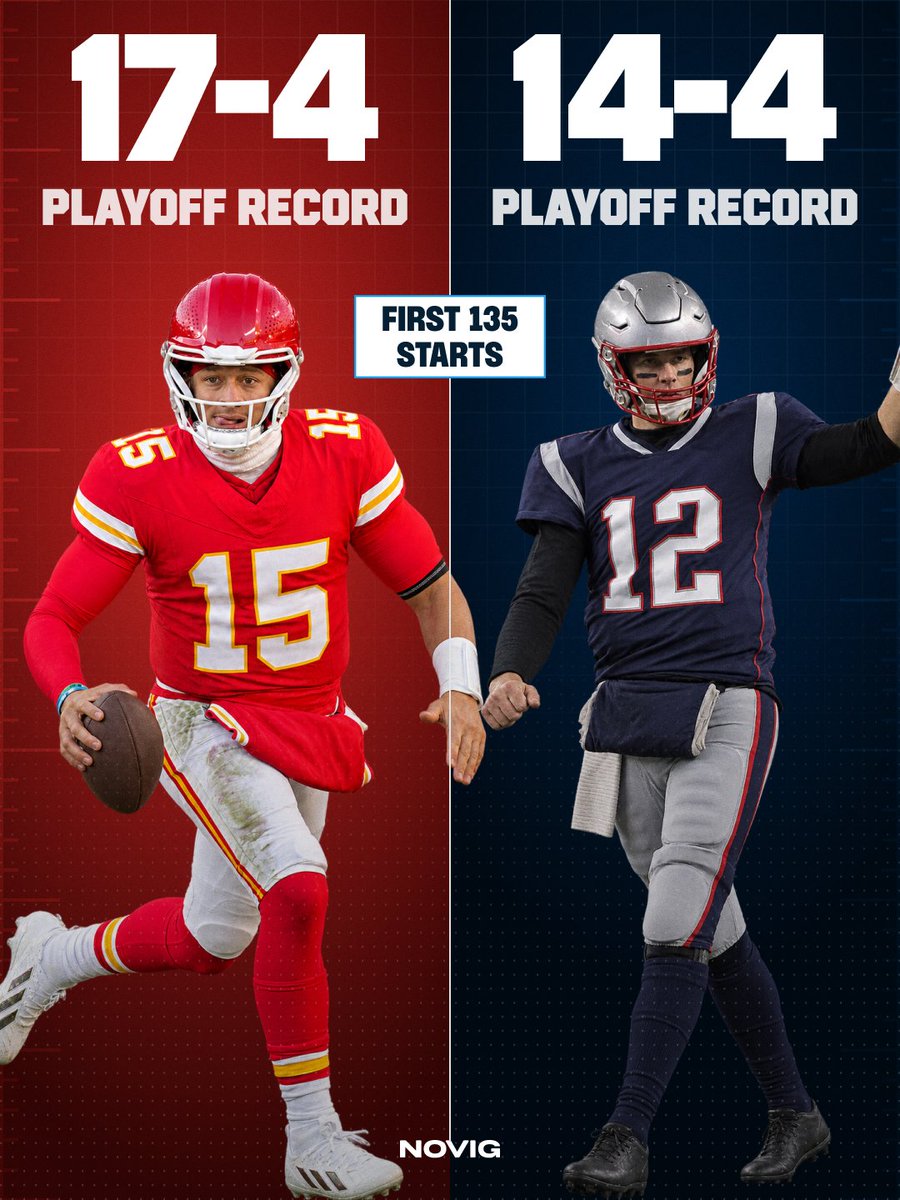
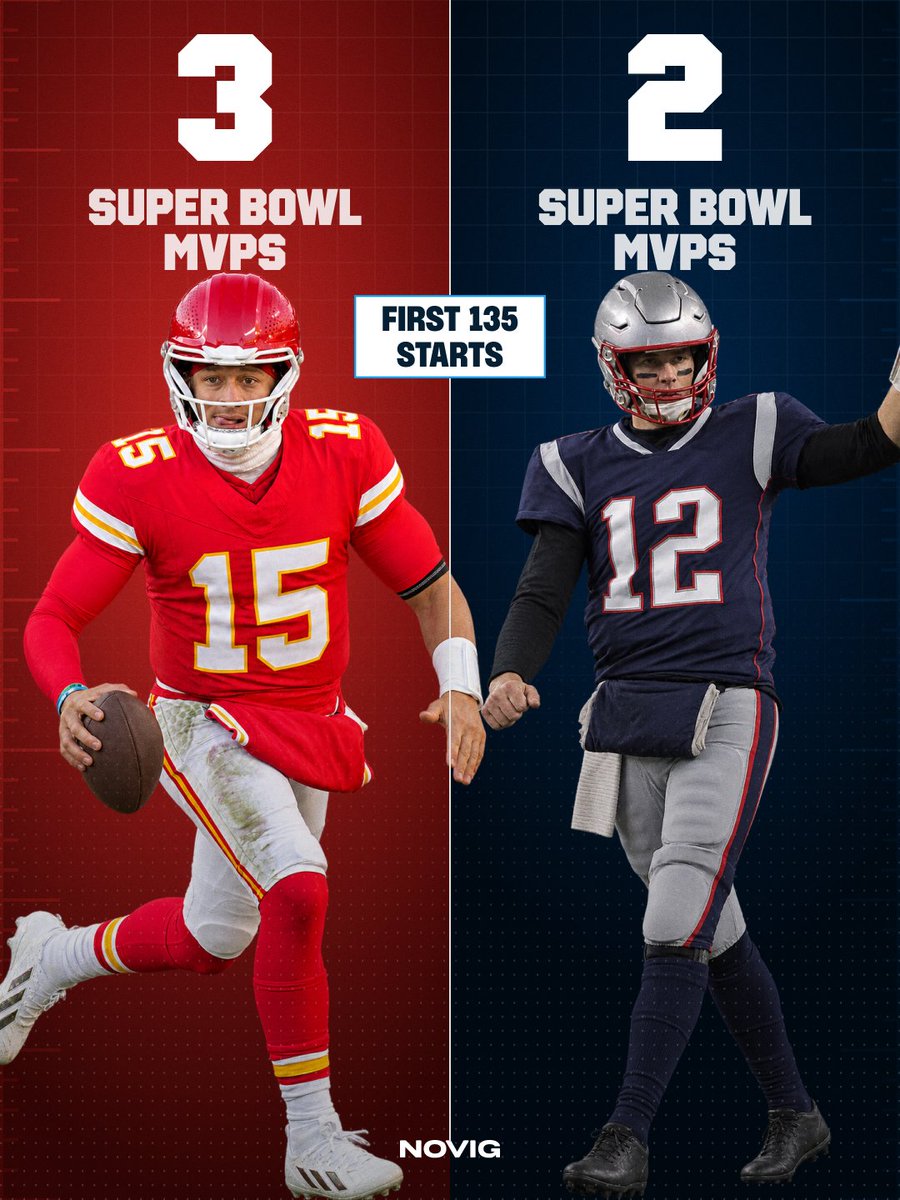
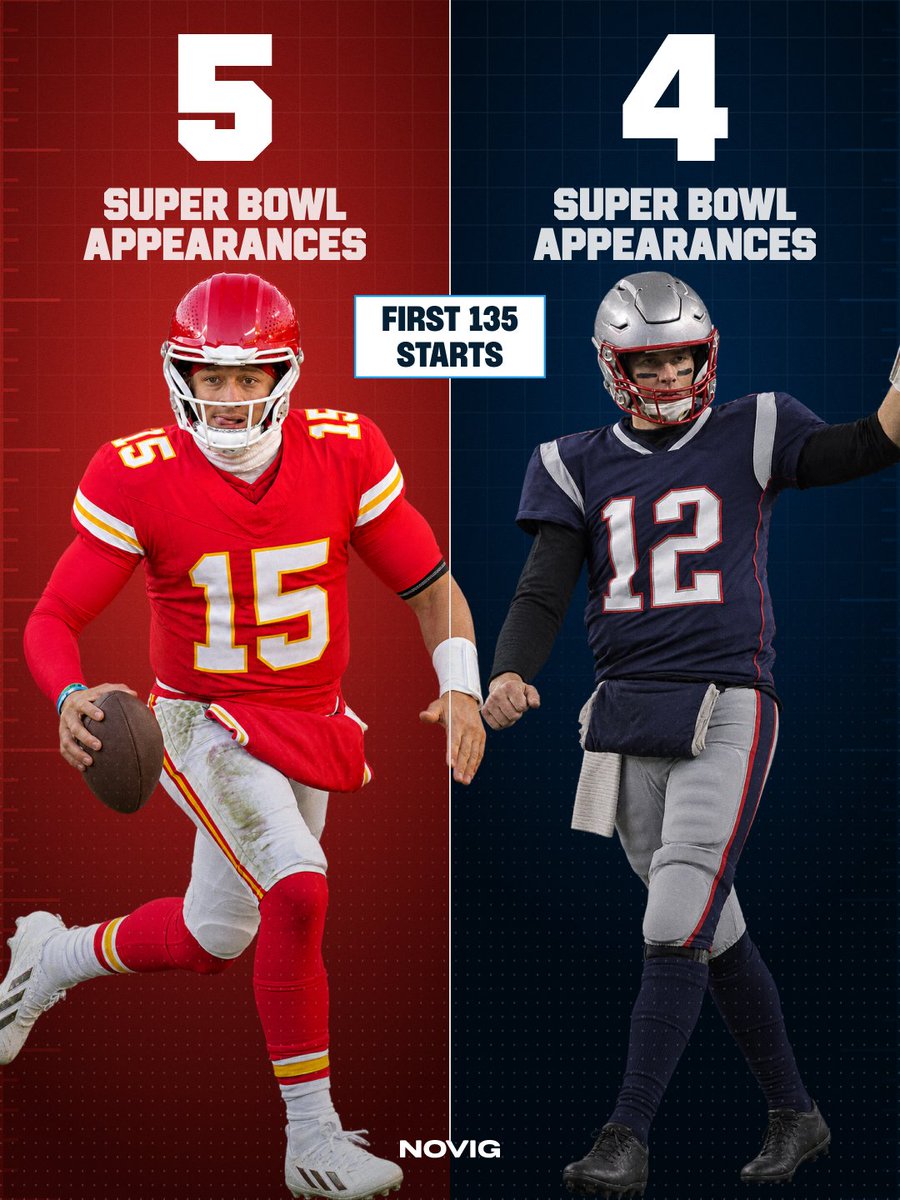
Happy for these 2 man. 😤🔥
Gatorade, 2003. Michael Jordan at 39 plays one-on-one against Michael Jordan at 23.
The best commercial ever made.
Jordan wouldn't let either one of them win. If one version of him won, the other had to lose. So the ad never settles it.
Then a North Carolina Jordan walks in asking who's got next.
Over his entire basketball career, Michael Jordan played for 11 championships. He never lost:
NCAA Championship: 1-0
Olympic Gold Medals: 2-0
FIBA Gold Medals: 2-0
NBA Championships: 6-0
In September of 2005, on the first day of school, Martha Cothren, a History teacher at RobinsonHigh School in Little Rock, did something not to be forgotten. On the first day of school, with the permission of the school superintendent, the principal and the building supervisor, she removed all of the desks in her classroom. When the first period kids entered the room they discovered that there were no desks.
'Ms. Cothren, where are our desks?'
She replied, 'You can't have a desk until you tell me how you earn the right to sit at a desk.'
They thought, 'Well, maybe it's our grades.' 'No,' she said.
'Maybe it's our behavior.' She told them, 'No, it's not even your behavior.'
And so, they came and went, the first period, second period, third period. Still no desks in the classroom. Kids called their parents to tell them what was happening and by early afternoon television news crews had started gathering at the school to report about this crazy teacher who had taken all the desks out of her room.
The final period of the day came and as the puzzled students found seats on the floor of the desk-less classroom. Martha Cothren said, 'Throughout the day no one has been able to tell me just what he or she has done to earn the right to sit at the desks that are ordinarily found in this classroom. Now I am going to tell you.'
At this point, Martha Cothren went over to the door of her classroom and opened it. Twenty-seven (27) U.S. Veterans, all in uniform, walked into that classroom, each one carrying a school desk. The Vets began placing the school desks in rows, and then they would walk over and stand alongside the wall. By the time the last soldier had set the final desk in place those kids started to understand, perhaps for the first time in their lives, just how the right to sit at those desks had been earned.
Martha said, 'You didn't earn the right to sit at these desks. These heroes did it for you. They placed the desks here for you. They went halfway around the world, giving up their education and interrupting their careers and families so you could have the freedom you have. Now, it's up to you to sit in them. It is your responsibility to learn, to be good students, to be good citizens. They paid the price so that you could have the freedom to get an education. Don't ever forget it.'
By the way, this is a true story. And this teacher was awarded the Veterans of Foreign Wars Teacher of the Year for the State of Arkansas in 2006. She is the daughter of a WWII POW.
Do you think this email is worth passing along so others won't forget either, that the freedoms we have in this great country were earned by our U.S. Veterans?... I did.
Let us always remember the men and women of our military and the rights they have won for us.
El día que Marvel dijo "no" a Tom Cruise… y creó un dios.
Tom Cruise quería US$ 25 millones para ponerse la armadura de Iron Man.
Marvel miró la cifra, calculó el riesgo de un superhéroe que casi nadie conocía fuera de los cómics, y rechazó.
En su lugar apostó US$ 500.000 en un actor que para algunos era intocable: Robert Downey Jr., con historial de supuestas adicciones.
El resultado fue que se convirtió en el cimiento del Marvel Cinematic Universe.
La batalla por Tony Stark años antes de 2008, cuando los derechos de Iron Man aún saltaban de estudio en estudio (Fox, New Line, etc.), Cruise mostró interés. Era la estrella más grande del mundo. Su tarifa, era tan alta que ni un estudio grande quería arriesgar en una propiedad no probada.
Cuando el director Jon Favreau de Marvel Studios cuando vio Kiss Kiss Bang Bang sintió que el actor y el personaje eran casi la misma persona y decidió que su candidato era Downey.
Pero Marvel le dijo que no y el insistió: empujó, discutió, comparó el riesgo con el de Johnny Depp en Piratas del Caribe. Filtró rumores.
E insistió en una prueba de pantalla y cuando Downey la hizo, la sala se quedó en silencio.
La casting director Sarah Halley Finn lo recordó así: “Fue magia. Esto es Iron Man.”
Mel Gibson, que ya había puesto una fianza de seguro millonaria por Downey en otra película, ayudó a que el riesgo fuera asumible. Favreau dijo que la historia de Iron Man era la historia de la carrera de Robert. No era casting. Era simetría.
El presupuesto de Iron Man (2008) rondaba los 140 millones. Downey cobró medio millón de base (con backend). Era la apuesta más barata y la más peligrosa que Marvel había hecho.
El resultado: casi 100 millones solo en el fin de semana de apertura en Estados Unidos y más de 585 millones en todo el mundo.
La película no solo funcionó. Definió el tono del MCU: humor, improvisación, un héroe que no es un boy scout y una frase improvisada que cambió todo:“I am Iron Man.”
Esa confesión al final, que no estaba en el guion original, obligó a Marvel a construir un universo donde los secretos no duran y los personajes tienen consecuencias. Sin esa línea (y sin esa interpretación), el MCU probablemente no existiría como lo conocemos.
De 500 mil a cientos de millones.
El ascenso salarial de Downey es una de las historias financieras más salvajes de Hollywood:
-Iron Man (2008): ~500.000
-Iron Man 2 (2010): ~10 millones
-The Avengers (2012): ~50 millones (incluyendo backend)
-Películas posteriores (Infinity War, Endgame): reportes de 75 millones por entrega
Estimaciones totales solo por el MCU: entre 400 y 600 millones de dólares, dependiendo de las fuentes y los bonos.
Kevin Feige lo dijo años después con una sonrisa: “Robert, no estaríamos en este lío si no fuera por ti.”
Es decir sin Downey no habría estudio.
El rostro de una generación.
Cruise siguió siendo Cruise: el rey de las acrobacias reales, el de Misión Imposible.
Downey se convirtió en Tony Stark. No solo actuó el papel. Lo habitó. El sarcasmo, el trauma, la redención, el “yo lo construí en una cueva con un montón de chatarra”.
Millones de niños crecieron queriendo ser Iron Man, no porque fuera el más fuerte, sino porque era el más humano, el más roto y el más ingenioso.
La apuesta de medio millón no solo salvó una película. Salvó un estudio, lanzó el universo cinematográfico más exitoso de la historia y convirtió a un actor que “nadie quería asegurar” en el símbolo de una era entera.
A veces el genio no está en el que pide más. Está en el que necesita el papel tanto como el papel lo necesita a él.
Y Marvel, en ese momento de máxima incertidumbre, eligió al correcto.