"The teaching is clear. For if the father of sin is called a serpent by Holy Scripture and what is born of the serpent is certainly a serpent,⁴⁸ it follows that sin is synonymous with the one who begot it. 𝗕𝘂𝘁 𝘁𝗵𝗲 𝗮𝗽𝗼𝘀𝘁𝗼𝗹𝗶𝗰 𝘄𝗼𝗿𝗱 𝘁𝗲𝘀𝘁𝗶𝗳𝗶𝗲𝘀 𝘁𝗵𝗮𝘁 𝘁𝗵𝗲 𝗟𝗼𝗿𝗱 𝘄𝗮𝘀 𝗺𝗮𝗱𝗲 𝗶𝗻𝘁𝗼 𝘀𝗶𝗻 𝗳𝗼𝗿 𝗼𝘂𝗿 𝘀𝗮𝗸𝗲⁴⁹ 𝗯𝘆 𝗯𝗲𝗶𝗻𝗴 𝗶𝗻𝘃𝗲𝘀𝘁𝗲𝗱 𝘄𝗶𝘁𝗵 𝗼𝘂𝗿 𝘀𝗶𝗻𝗳𝘂𝗹 𝗻𝗮𝘁𝘂𝗿𝗲. 𝗧𝗵𝗶𝘀 𝗳𝗶𝗴𝘂𝗿𝗲 𝘁𝗵𝗲𝗿𝗲𝗳𝗼𝗿𝗲 𝗶𝘀 ��𝗶𝗴𝗵𝘁𝗹𝘆 𝗮𝗽𝗽𝗹𝗶𝗲𝗱 𝘁𝗼 𝘁𝗵𝗲 𝗟𝗼𝗿𝗱. 𝗙𝗼𝗿 𝗶𝗳 𝘀𝗶𝗻 𝗶𝘀 𝗮 𝘀𝗲𝗿𝗽𝗲𝗻𝘁 𝗮𝗻𝗱 𝘁𝗵𝗲 𝗟𝗼𝗿𝗱 𝗯𝗲𝗰𝗮𝗺𝗲 𝘀𝗶𝗻, 𝘁𝗵𝗲 𝗹𝗼𝗴𝗶𝗰𝗮𝗹 𝗰𝗼𝗻𝗰𝗹𝘂𝘀𝗶𝗼𝗻 𝘀𝗵𝗼𝘂𝗹𝗱 𝗯𝗲 𝗲𝘃𝗶𝗱𝗲𝗻𝘁 𝘁𝗼 𝗮𝗹𝗹: 𝗕𝘆 𝗯𝗲𝗰𝗼𝗺𝗶𝗻𝗴 𝘀𝗶𝗻 𝗵𝗲 𝗯𝗲𝗰𝗮𝗺𝗲 𝗮𝗹𝘀𝗼 𝗮 𝘀𝗲𝗿𝗽𝗲𝗻𝘁, 𝘄𝗵𝗶𝗰𝗵 𝗶𝘀 𝗻𝗼𝘁𝗵𝗶𝗻𝗴 𝗼𝘁𝗵𝗲𝗿 𝘁𝗵𝗮𝗻 𝘀𝗶𝗻. 𝗙𝗼𝗿 𝗼𝘂𝗿 𝘀𝗮𝗸𝗲 𝗵𝗲 𝗯𝗲𝗰𝗮𝗺𝗲 𝗮 𝘀𝗲𝗿𝗽𝗲𝗻𝘁 𝘁𝗵𝗮𝘁 𝗵𝗲 𝗺𝗶𝗴𝗵𝘁 𝗱𝗲𝘃𝗼𝘂𝗿 𝗮𝗻𝗱 𝗰𝗼𝗻𝘀𝘂𝗺𝗲 𝘁𝗵𝗲 𝗘𝗴𝘆𝗽𝘁𝗶𝗮𝗻 𝘀𝗲𝗿𝗽𝗲𝗻𝘁𝘀 𝗽𝗿𝗼𝗱𝘂𝗰𝗲𝗱 𝗯𝘆 ���𝗵𝗲 𝘀𝗼𝗿𝗰𝗲𝗿𝗲𝗿𝘀."
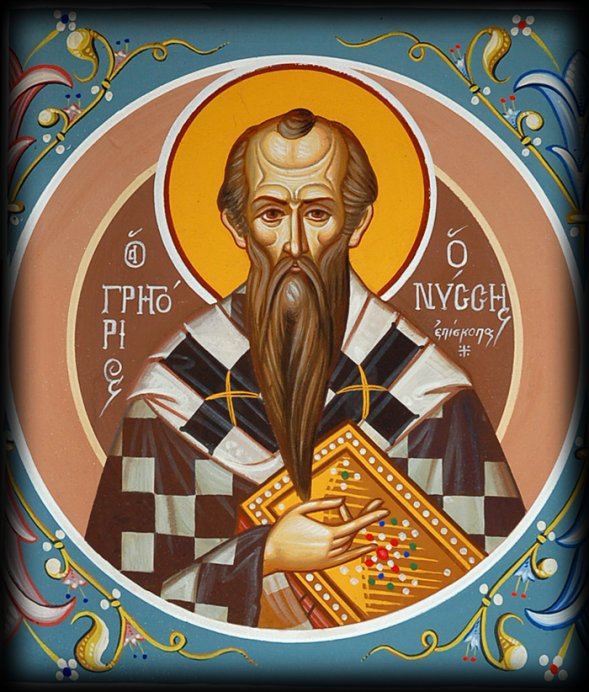
St. Gregory of Nyssa the life of Moses page 61-62
Learn to listen to the secret Silence
"Trinty, which exceedeth all Being, Deity, and Goodness! Thou that instructeth Christians in Thy heavenly wisdom! Guide us to that topmost height of mystic lore which exceedeth light and more than exceedeth knowledge, where the simple, absolute, and unchangeable mysteries of heavenly Truth lie hidden in the dazzling obscurity of the secret Silence, outshining all brilliance with the intensity of their darkness, and surcharging our blinded intellects with the utterly impalpable and invisible fairness of glories which exceed all beauty!"
- Pseudo-Dionysius the Areopagite, Mystical Theology
"So, our inquiry into the problem of the portrait, i.e., essentially the problem of the face, brings us closer to an understanding of idea as a kind of hen kai polla, as a kind of infinite synthesis or “infinite unit” (to use Father Serapion Mashkin’s term). 𝐈𝐧𝐝𝐞𝐞𝐝, 𝐰𝐡𝐚𝐭 𝐢𝐬 𝐭𝐡𝐞 𝐟𝐚𝐜𝐞 𝐨𝐟 𝐚 𝐩𝐞𝐫𝐬𝐨𝐧 𝐢𝐟 𝐧𝐨𝐭 𝐭𝐡𝐞 𝐞𝐥𝐞𝐦𝐞𝐧𝐭 𝐭𝐡𝐫𝐨𝐮𝐠𝐡 𝐰𝐡𝐢𝐜𝐡 𝐡𝐢𝐬 𝐢𝐝𝐞𝐚 𝐛𝐞𝐜𝐨𝐦𝐞𝐬 𝐯𝐢𝐬𝐢𝐛𝐥𝐞? 𝐓𝐨 𝐫𝐞𝐩𝐫𝐞𝐬𝐞𝐧𝐭 𝐚 𝐩𝐞𝐫𝐬𝐨𝐧’𝐬 𝐟𝐚𝐜𝐞 𝐢𝐧 𝐚 𝐩𝐨𝐫𝐭𝐫𝐚𝐢𝐭 𝐢𝐬 𝐭𝐨 𝐦𝐚𝐤𝐞 𝐭𝐡𝐢𝐬 𝐩𝐞𝐫𝐬𝐨𝐧’𝐬 𝐢𝐝𝐞𝐚 𝐚𝐜𝐜𝐞𝐬𝐬𝐢𝐛𝐥𝐞 𝐭𝐨 𝐞𝐱𝐭𝐞𝐫𝐧𝐚𝐥 𝐚𝐩𝐩𝐫𝐞𝐡𝐞𝐧𝐬𝐢𝐨𝐧. There are many examples which show that “thinking about the general is not always thinking about class.” In other words, a work of art provides, 𝐢𝐟 𝐧𝐨𝐭 𝐩𝐫𝐨𝐨𝐟, 𝐚𝐭 𝐥𝐞𝐚𝐬𝐭 𝐚 𝐫𝐞𝐚𝐬𝐨𝐧 𝐭𝐨 𝐭𝐡𝐢𝐧𝐤 𝐭𝐡𝐚𝐭 𝐚 ���𝐧𝐢𝐭 𝐜𝐚𝐧 𝐛𝐞 𝐧𝐨𝐭 𝐨𝐧𝐥𝐲 𝐚𝐧 𝐢𝐧𝐝𝐢𝐯𝐢𝐝𝐮𝐚𝐥 𝐬𝐢𝐧𝐠𝐮𝐥𝐚𝐫𝐢𝐭𝐲 (𝐢𝐧𝐝𝐢𝐯𝐢𝐝𝐮𝐞𝐥𝐥𝐞 𝐄𝐢𝐧𝐳𝐞𝐥𝐡𝐞𝐢𝐭), 𝐛𝐮𝐭 𝐚𝐥𝐬𝐨 𝐚 𝐠𝐞𝐧𝐞𝐫𝐚𝐥 𝐬𝐢𝐧𝐠𝐮𝐥𝐚𝐫𝐢𝐭𝐲 (𝐬𝐩𝐞𝐳𝐢𝐟𝐢𝐬𝐜𝐡𝐞 𝐄𝐢𝐧𝐳𝐞𝐥𝐡𝐞𝐢𝐭), 𝐭𝐨 𝐮𝐬𝐞 𝐭𝐡𝐞 𝐭𝐞𝐫𝐦𝐢𝐧𝐨𝐥𝐨𝐠𝐲 𝐨𝐟 𝐚 𝐩𝐫𝐞𝐬𝐞𝐧𝐭-𝐝𝐚𝐲 𝐫𝐞𝐚𝐥𝐢𝐬𝐭, 𝐇𝐮𝐬𝐬𝐞𝐫𝐥. 𝐓𝐡𝐞 𝐞𝐭𝐞𝐫𝐧𝐚𝐥 𝐚𝐧𝐝 𝐮𝐧𝐢𝐯𝐞𝐫𝐬𝐚𝐥 𝐢𝐬 𝐩𝐫𝐞𝐬𝐞𝐧𝐭 𝐛𝐞𝐟𝐨𝐫𝐞 𝐭𝐡𝐞 𝐯𝐢𝐞𝐰𝐞𝐫 𝐨𝐟 𝐢𝐦𝐚𝐠𝐞𝐬 𝐨𝐟 𝐚𝐫𝐭, 𝐭𝐡𝐨𝐮𝐠𝐡 𝐭𝐡𝐞𝐲 𝐚𝐫𝐞 𝐦𝐨𝐫𝐞 𝐜𝐨𝐧𝐜𝐫𝐞𝐭𝐞 𝐚𝐧𝐝 𝐢𝐧𝐝𝐢𝐯𝐢𝐝𝐮𝐚𝐥 𝐭𝐡𝐚𝐧 𝐭𝐡𝐞 𝐜𝐨𝐧𝐜𝐫𝐞𝐭𝐞𝐧𝐞𝐬𝐬 𝐚𝐧𝐝 𝐢𝐧𝐝𝐢𝐯𝐢𝐝𝐮𝐚𝐥𝐢𝐭𝐲 𝐨𝐟 𝐬𝐞𝐧𝐬𝐨𝐫𝐲 𝐫𝐞𝐩𝐫𝐞𝐬𝐞𝐧𝐭𝐚𝐭𝐢𝐨𝐧𝐬. This leaf, dried up and fallen, Is aflame in song like eternal gold, says the poet; and 𝐡𝐢𝐬 𝐰𝐨𝐫𝐝𝐬 𝐚𝐩𝐩𝐥𝐲 𝐭𝐨 𝐚𝐥𝐥 𝐚𝐫𝐭, 𝐟𝐨𝐫 𝐚𝐫𝐭 𝐫𝐚𝐢𝐬𝐞𝐬 𝐫𝐞𝐚𝐥𝐢𝐭𝐲 𝐭𝐨 𝐭𝐡𝐞 𝐡𝐞𝐚𝐯𝐞𝐧𝐥𝐲 𝐡𝐞𝐢𝐠𝐡𝐭𝐬, 𝐭𝐨 𝐢𝐭𝐬 𝐞𝐭𝐞𝐫𝐧𝐚𝐥 𝐩𝐫𝐨𝐭𝐨𝐭𝐲𝐩𝐞𝐬, 𝐥𝐞𝐚𝐝𝐢𝐧𝐠 𝐮𝐬 𝐚 𝐫𝐞𝐚𝐥𝐢𝐛𝐮𝐬 𝐚𝐝 𝐫𝐞𝐚𝐥𝐢𝐨𝐫𝐚."
-Fr. Pavel florensky The Meaning of Idealism: The Metaphysics of Genus and Countenance, trans: Boris Jakim pg 42-43
πᾶν δὴ τὸ ἀγαθὸν καλόν, τὸ δὲ καλὸν οὐκ ἄμετρον...
"Everything good is beautiful, and the beautiful is not without measure; therefore, a living creature that is to be such must be considered proportionate."
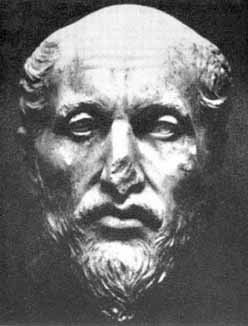
- Plato, Timaeus
New cool Saint find
Saint Elder Porphyrios of Athos
(1906–1991)
known for his deep humility, profound spiritual discernment, and extraordinary gifts of the Holy Spirit.
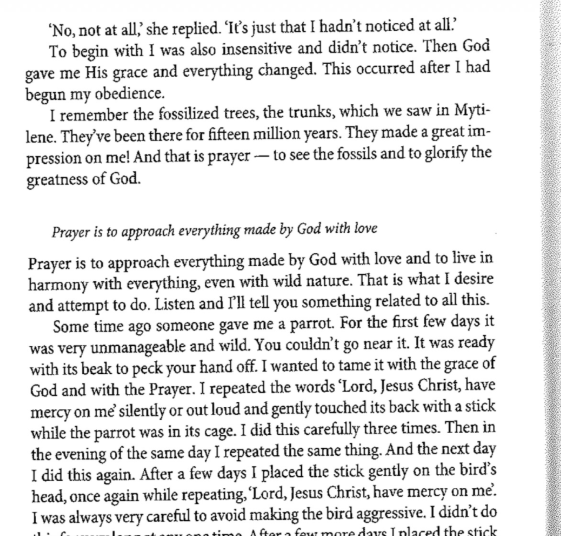
Affirmed Old Earth Wounded by Love: The Life and Writings of Elder Porphyrios Page 220
“The Orthodox Church rejects capital punishment, and does so out of faithfulness to the Gospel and to the example of the Apostolic Church.
It upholds the laws of forgiveness and reconciliation as the chief imperatives of Christian culture, while ever pointing to the potential and promise of transformation in Christ.
The Church insists upon the responsibility of all governments to limit violence in every way that they can.
Inasmuch as capital punishment returns evil for evil, it cannot be considered a virtuous or even tolerable practice.
While some might seek to justify the death penalty as an expression of proportional justice, Christians may not adopt such a logic. In the Gospels, Christ repeatedly rejects the very principle of proportionality.
He requires of his followers a rule of forgiveness that not only exceeds the demands of “natural” justice, but that even sets the wrath of the law aside in favor of its own much deeper logic of mercy (as in the case of the woman taken in adultery).
And the New Testament as a whole consistently demands of Christians that they exercise limitless forgiveness.”
- For the Life of the World: Toward a Social Ethos of the Orthodox Church, Section 48
There exists a martyrdom of those who offer their lives in a single moment, and the more hidden martyrdom of those who give their lives day after day. This is exactly what all Christians are called to do: to give our lives with love, every day.
"He was Good, and the Good can never have any jealousy of anything. And being free from jealousy, He desired that all things should be as like himself as they could be.
He brought all that was visible from disorder into order."
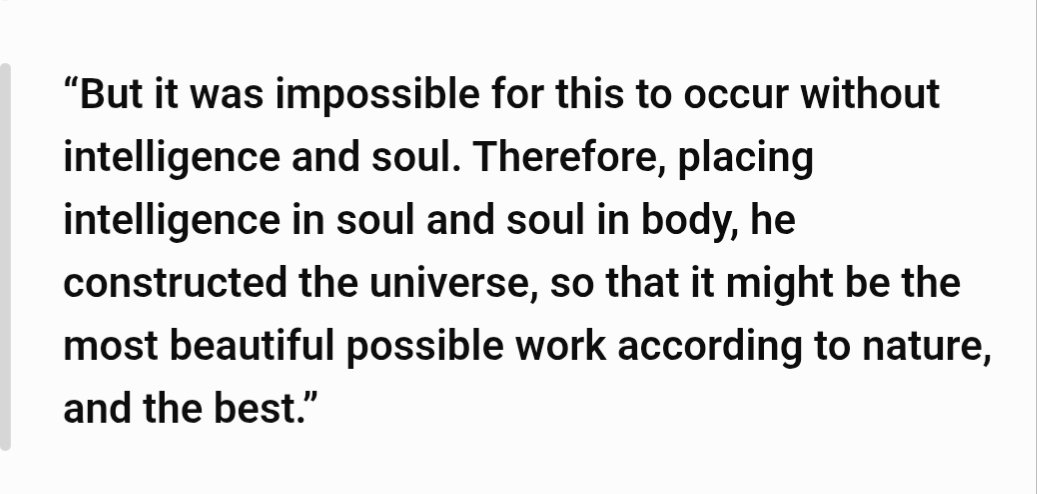
- Plato, Timaeus