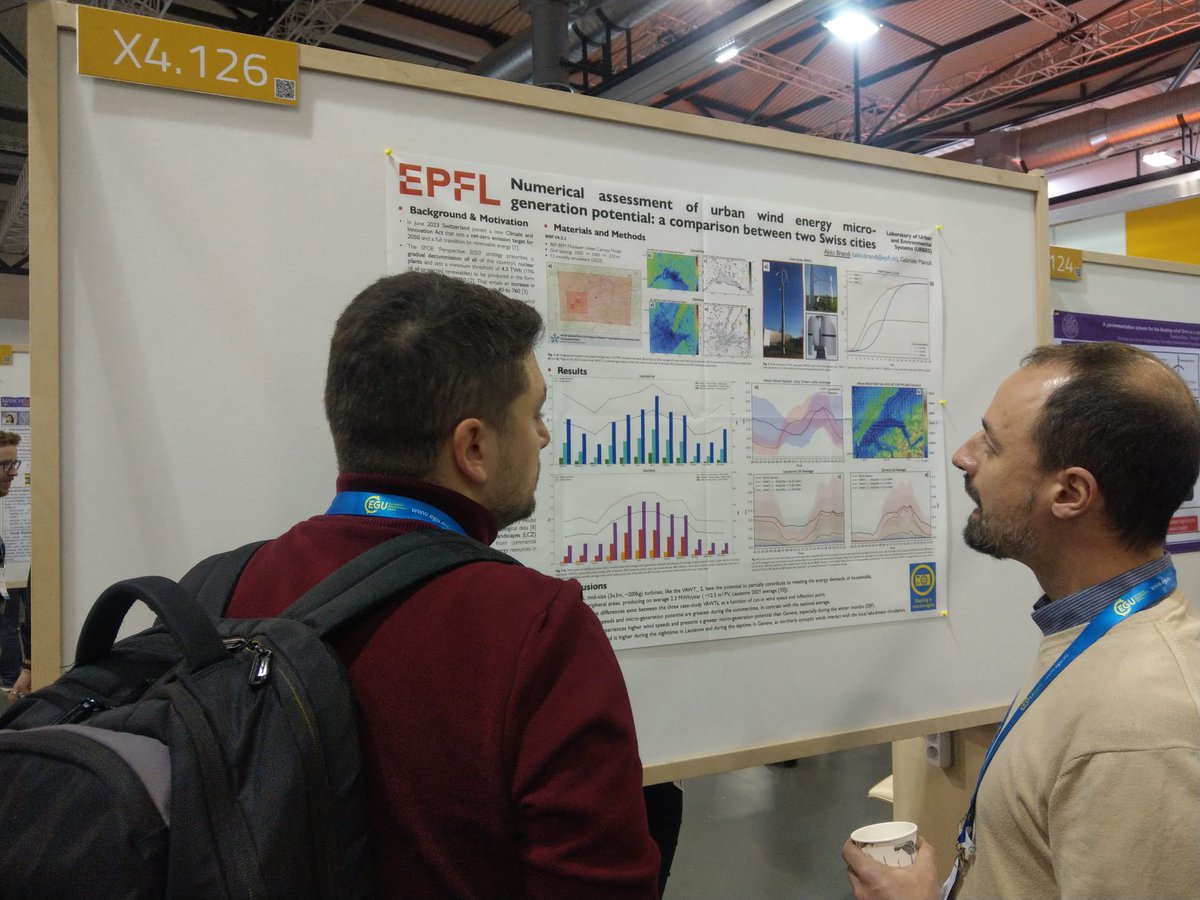
Can we harvest wind energy in cities?
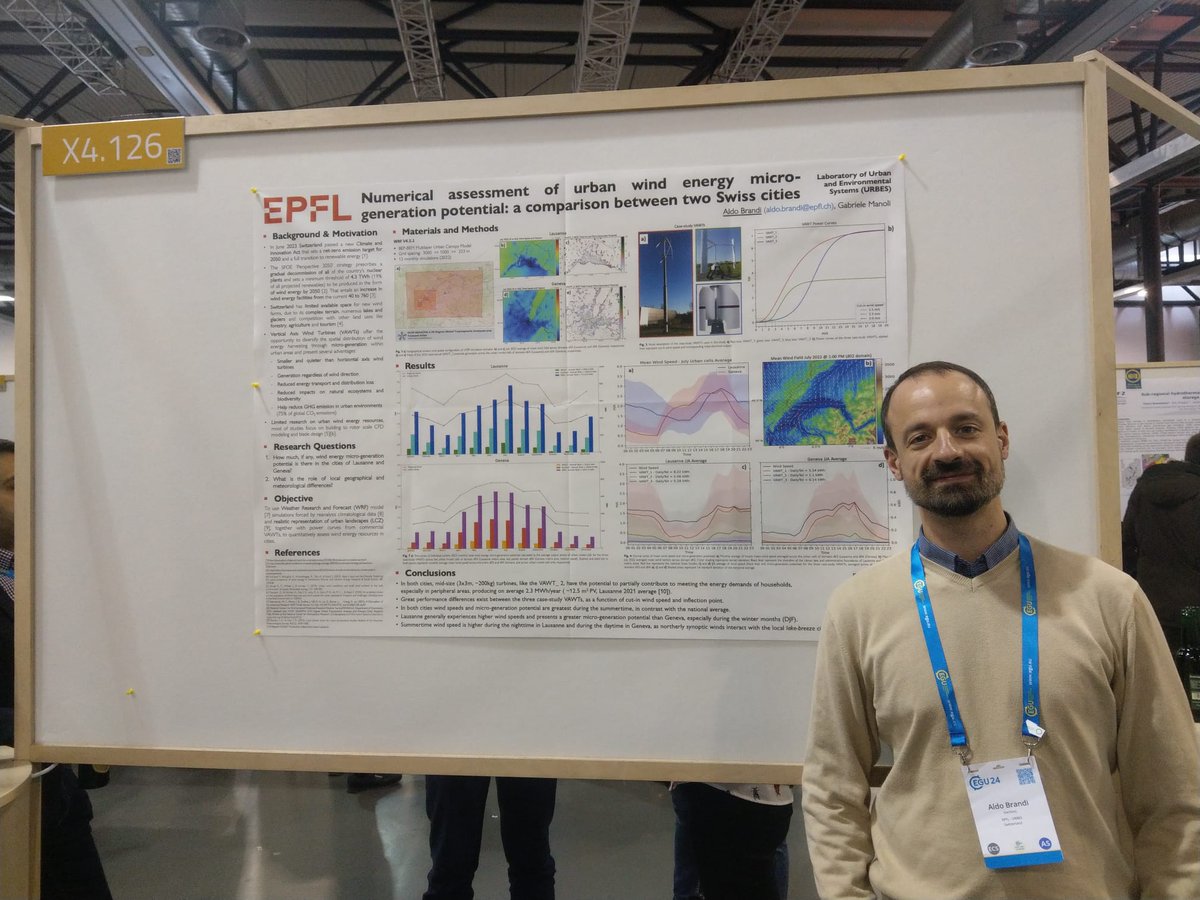
@URBES_EPFL we used a suite of year-long, high-resolution WRF simulations to explicitly calculate wind energy microgeneration potentials in Lausanne and Geneva, Switzerland. Read more here:
https://t.co/xGfwRCElOl
#VAWT#windenergy#URBAN
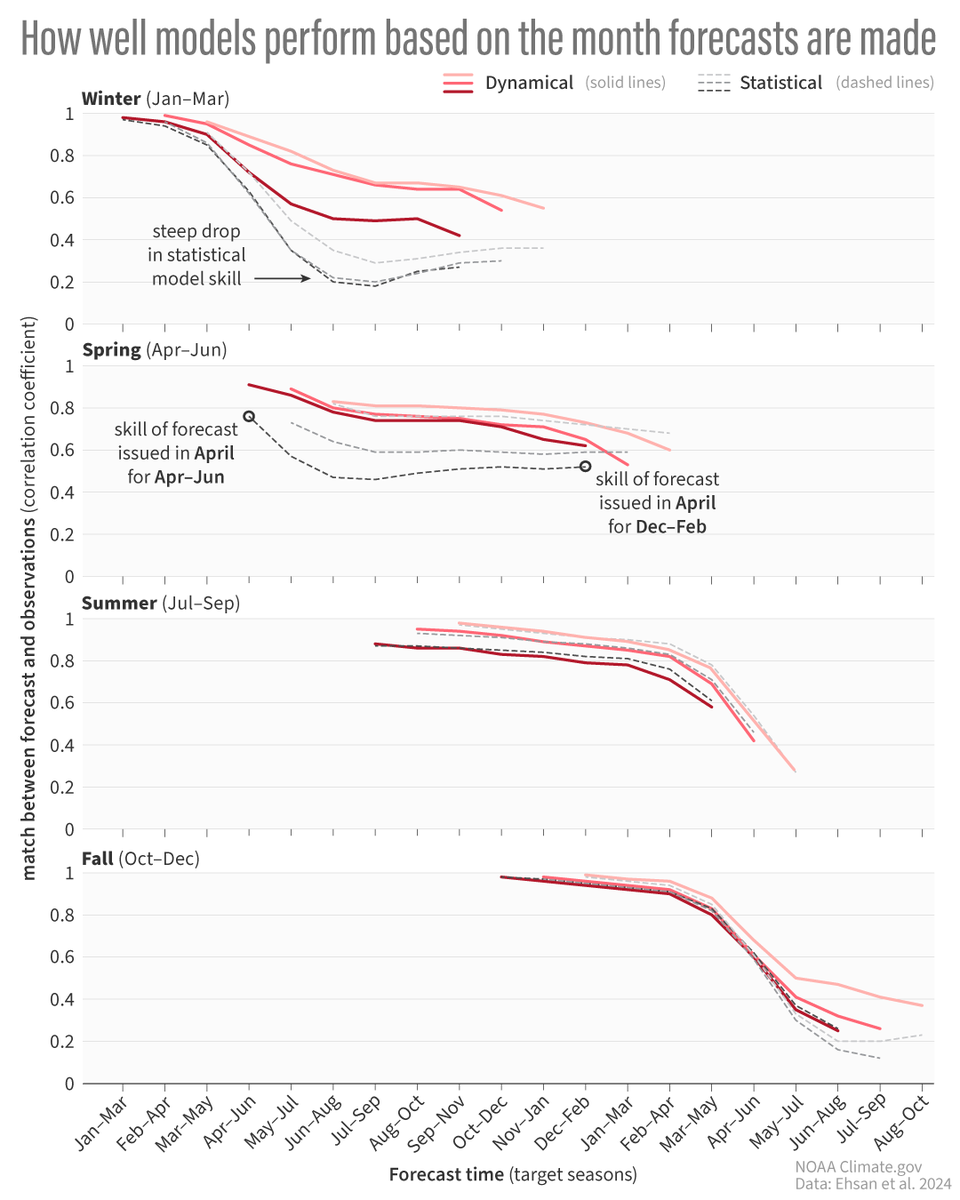
Predicting El Niño and La Niña is tough, but new research analyzing 20+ years of forecasts finds dynamical models outperform statistical ones, especially for El Niño. La Niña onset? That's been much harder. Read more in our new ENSO blog post! https://t.co/EMOrRE8ziT
📢 Call for abstracts for #ICUC12 is open!
#Submit your abstract via: https://t.co/qPQrWuYjtO
The abstract submission #deadline is 31 January 2025, 13:00 CET.
See you next year in #Rotterdam
We invite you to join the Fall 2024 Dissertation Spotlight Webinar Series hosted by the @ASUrbanClimate on Nov. 5 at 10 a.m. Prepare to be inspired by the groundbreaking research of our PhD candidates.
Join virtually on Zoom: https://t.co/uY6AHoYNRg
URBES goes live! Curious about our research? Check out the latest issue of Dimensions, EPFL's quarterly magazine for education, research and innovation! https://t.co/V0PoWZCEOd @epflENAC
International Conference on Urban Climate (ICUC-12) to be held in July, 2025 in Rotterdam, Netherlands, under the theme "Heritage as urban climate challenge."
Co-chairs: Gert-Jan Steeneveld (@gjsteeneveld) and Marjolein van Esch (@mmevanesch).
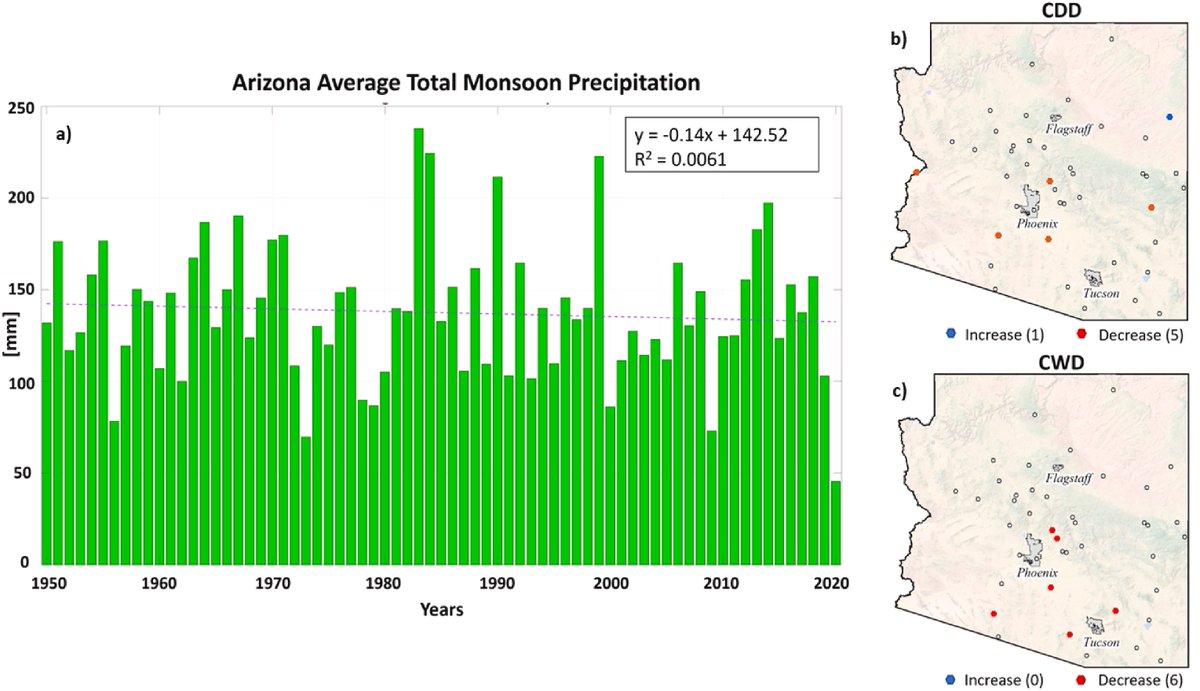
@AZStateClimate No, there is no trend.
@aldobrandi5 and colleagues find no significant statewide trend in AZ monsoon precipitation.
More 👇: https://t.co/B3bdn31zQ6
Is the urban heat island effect always able to induce a distinct local circulation? And if so, how does that interact with topographical and background flows?
In this study we use a set of 1km WRF simulations to investigate the physical processes at play:
https://t.co/ykabiwmJSK
Cherry on the cake, my PhD cornerstone paper "Urban boundary layer flows in complex terrain: dynamic interactions during a hot and dry summer season in Phoenix, Arizona" has just been accepted for publication on the Quarterly Journal of the royal Meteorological Society!
"Big whorls have little whorls,
Which feed on their velocity,
And little whorls have lesser whorls,
And so on to viscosity."
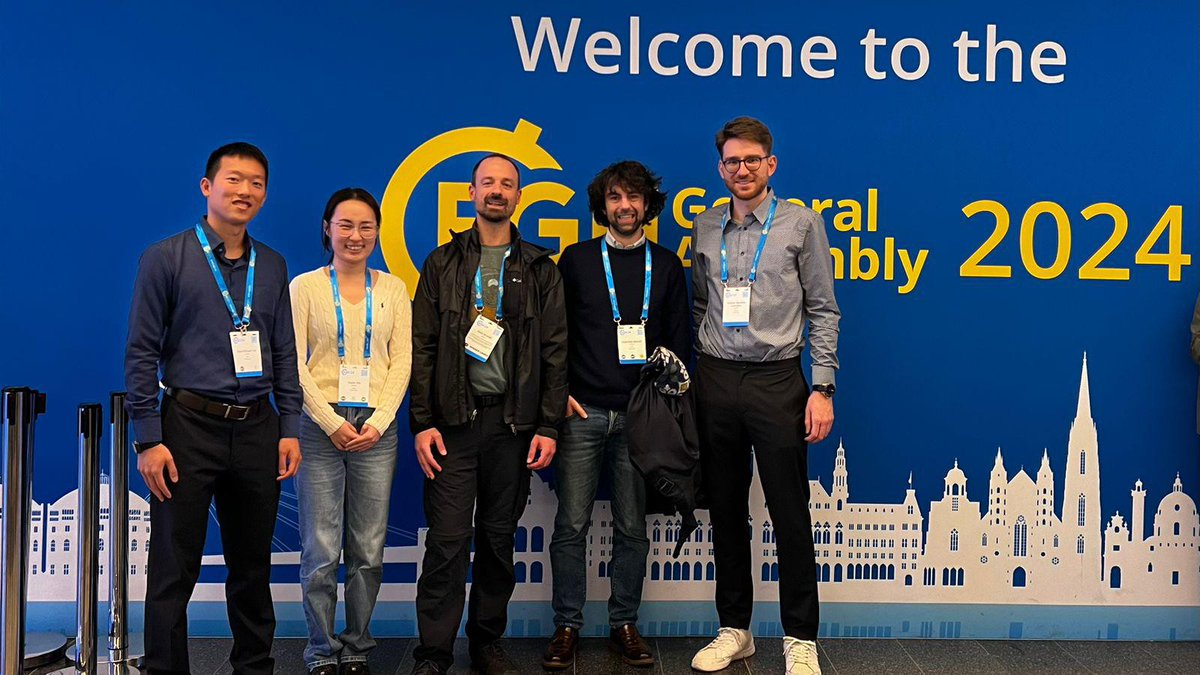
These words still resonate as I get back to work in my office in Lausanne after attending my first #EGU meeting...
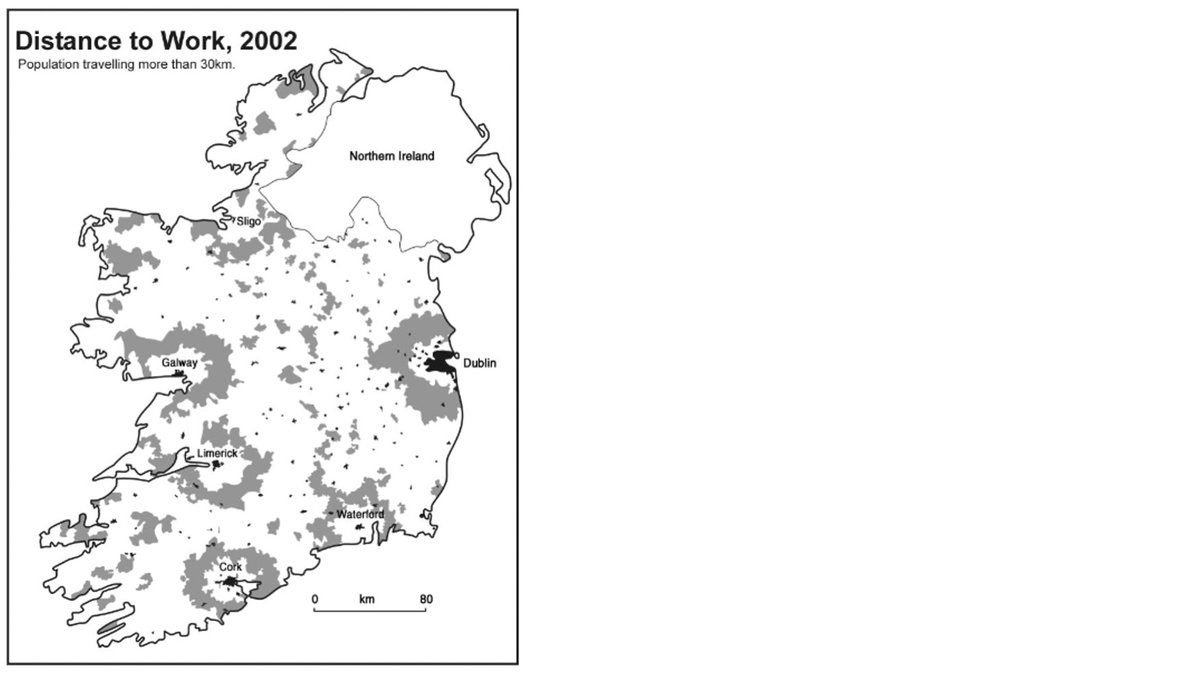
To successfully plan for the future one must remember the past. In today's edition of Fantastic Friday, we revisit a classic paper by Dr. Gerald Mills of @ucddublin, detailing cities as agents of global change:
https://t.co/pXcxlL0PHL
I'm convening a session at #EGU24 on Urban Boundary Layer Dynamics Across Scales:
https://t.co/exNrfQSp4d
Call for Abstracts is now open and will be until January 10 @ 13:00 CET.
Consider submitting to our session if your research focuses on any of the following topics ⬇️
For context: the global top 10% is anyone with an income of over about 19,500 USD per year in the US (or, adjusted for purchasing power, over about 23'000 CHF in Switzerland or 14,500 € in Germany).
The global rich, that likely includes you, dear reader:
https://t.co/VCAKcFbJwZ
And it's finally time again!!
The #EGU24 call for abstracts is open till 13:00 CET on the 10 January 2024.
Submit an abstract by 1 December 2023 (13:00 CET) to avail a travel grant.
For more info - https://t.co/8inXrghymp
- Impact of urban vegetation (e.g., street trees) on wind flow
- Urban air quality (e.g., pollutant transport and dispersion)
- Urban wind energy potential
I'm convening a session at #EGU24 on Urban Boundary Layer Dynamics Across Scales:
https://t.co/exNrfQSp4d
Call for Abstracts is now open and will be until January 10 @ 13:00 CET.
Consider submitting to our session if your research focuses on any of the following topics ⬇️
- Interaction between local circulations (e.g., UHIC, thermal circulation in complex terrain, sea/lake breeze) and the built environment
- Role of turbulent fluxes and impact of turbulence on wind flow
- Intra-canopy and canyon ventilation