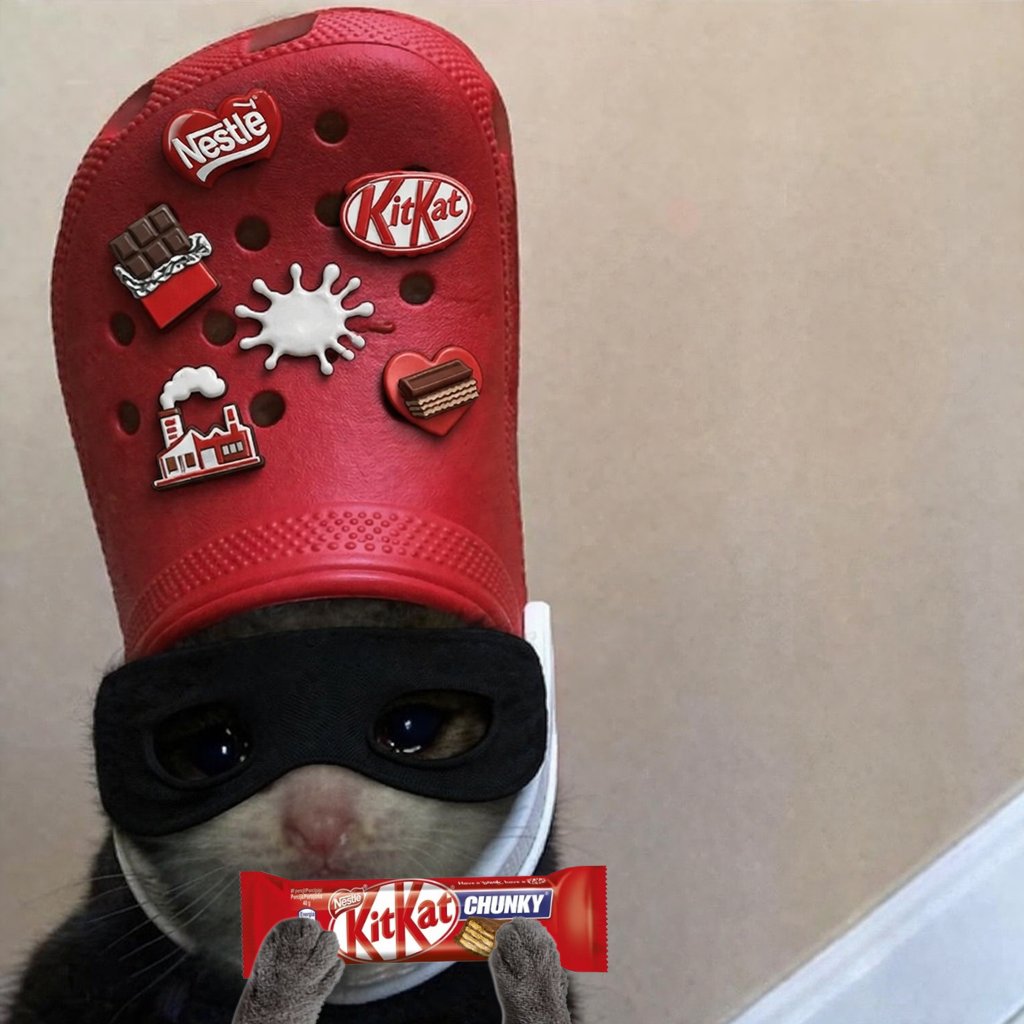
$croc cat is more than just a cat
it’s a little symbol of nostalgia.
you look at it and suddenly - something clicks.
it can make you laugh, it can make you a bit sad, it can make you miss something you can’t quite name.
it all depends on what you see in it, what story you attach to it.
that’s the magic of a good meme.
croc cat looks at you and if you look back long enough - you feel it.
some people ask, why croc? why still?
honestly, it’s simple
i like other memes too but croc cat hits different. it keeps me inspired. it helps me tell little stories.
because somehow, croc cat says everything i want to say.
look
feel it
you’ll get it
@croccatofficial
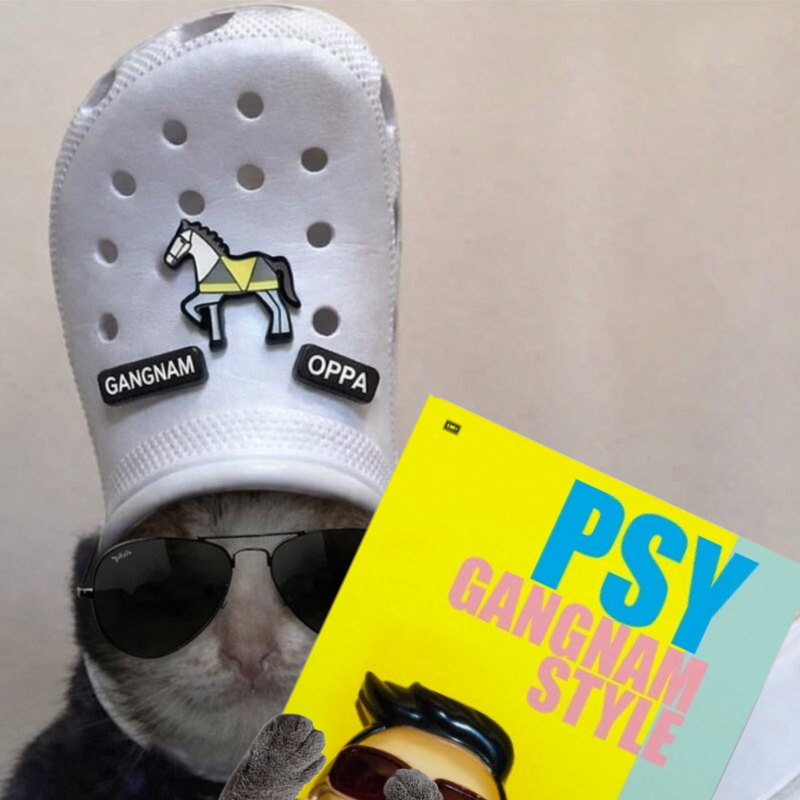
Gangnam Style was the first YouTube video to hit 1B views (Dec 21, 2012).
That milestone measures distribution of a single object. A meme measures something else: when the object collapses into a template.
Gesture / dance / attitude → a low-friction format people can reproduce.
It didn’t “last” because it was the biggest - it lasted because it was copyable.
That’s the gap between popularity and a cultural mechanism.
Question: is memetic reproduction structurally depoliticizing - a machine that turns satire into a neutral, reusable template?
Today $croc cat turns 2 years old on Solana: in memecoins, that’s a rare time horizon - so this isn’t an “anniversary,” it’s a case study inside an environment optimized for short attention.
My thesis: CT confuses a memecoin with a ticker - and calls “alive” whatever’s printing candles. In that framing, “life” becomes a chart condition, not a cultural one. A ticker can “survive” for years as a dead instrument, while the memecoin itself is culturally dead; a memecoin only really “lives” when it retains repeatable presence and recognizability outside the candle.
That’s why, instead of narrative, I prefer a simple research metric: can the memecoin return without a candle? If the answer is “no,” you’re looking at a product of rotation, not culture. Operationally, "continuity" means: a stable sign/aesthetic, a ritual of returns, archive/lore, a core group of people, and consistent communication - things you can’t declare into existence, only earn over time.
Post-pumpfun, most coins follow the same pattern: launch → peak → rotation → silence. Against that backdrop, 731 days isn’t proof of “market success,” but an empirical signal that a cultural mechanism worked long enough to survive shifts in fashion, platforms, and the scene’s language.
The question that follows is sharp: how much of what we call “community” exists without the chart - and how often is "continuity" a real phenomenon, rather than a label slapped onto a trade?