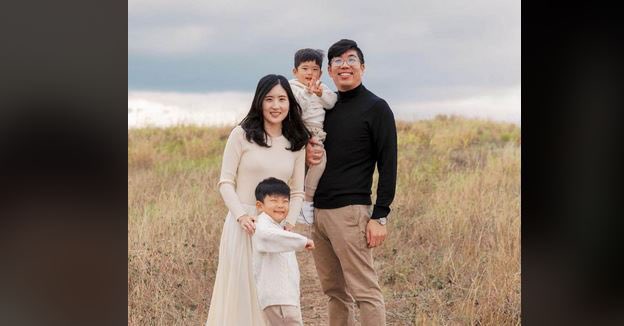
NEW: Three members of a Korean-American family are among the eight victims killed by a white supremacist in Allen, Texas. The couple’s 5-year-old is alive, but hospitalized.
The Korean consulate confirmed the deaths of the family: https://t.co/ulmvznSmsR
To improve systematic recognition of issues related to health equity in CEC, ethics consultants may benefit from new approaches and frameworks, some of which we highlight in our discussion.
Thankful to my amazing team including @arimopat!
Excited to share “Disparities in Clinical Ethics Consultation (CEC) among Hospitalized Children: A Case-Control Study.”
We found disparities in receipt of CEC by race and insurance status.
https://t.co/8b6MUImVnJ
these findings highlight important roles for ethics consultants:
- in helping address ethical dilemmas that stem from, or are affected by, racism and other systemic injustices, &/or
- in helping clinical teams recognize their biases and the impact of them on patients & families
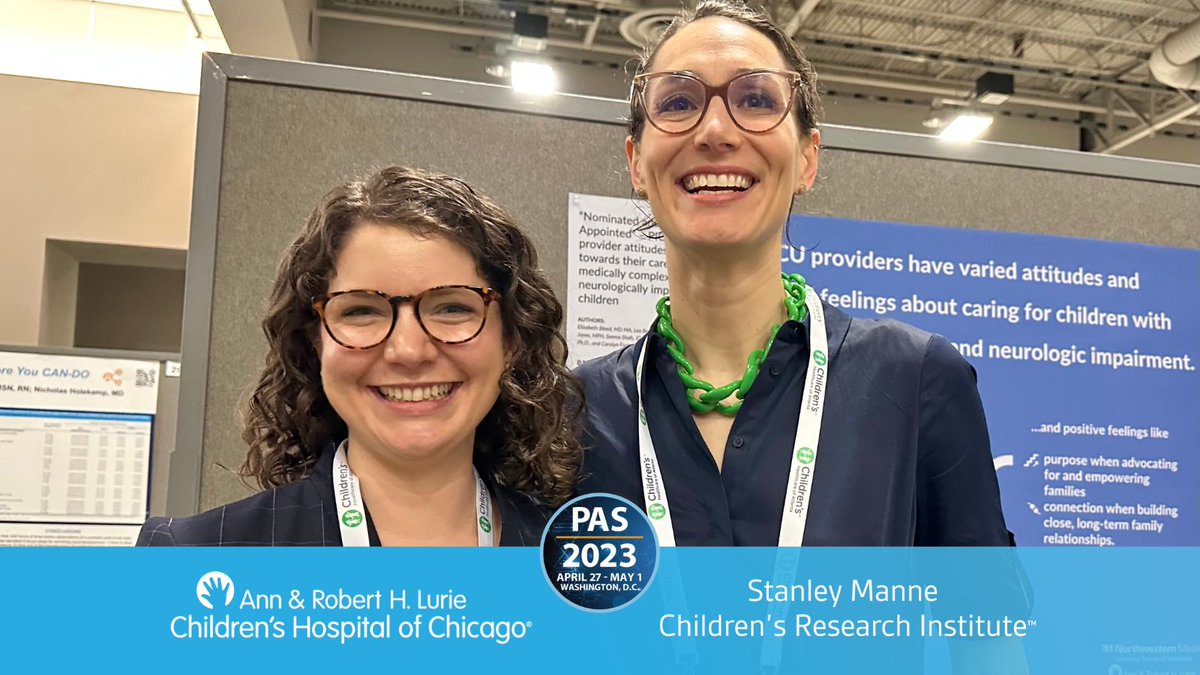
Drs. Elizabeth Breed and Carolyn Foster @CarolynFosterMD at today’s #PAS2023 poster session, sharing “Nominated and Appointed” — PICU Provider Attitudes Towards Their Care of Medically Complex, Neurologically Impaired Children @LurieChildrens@NUFSMPediatrics@PASMeeting
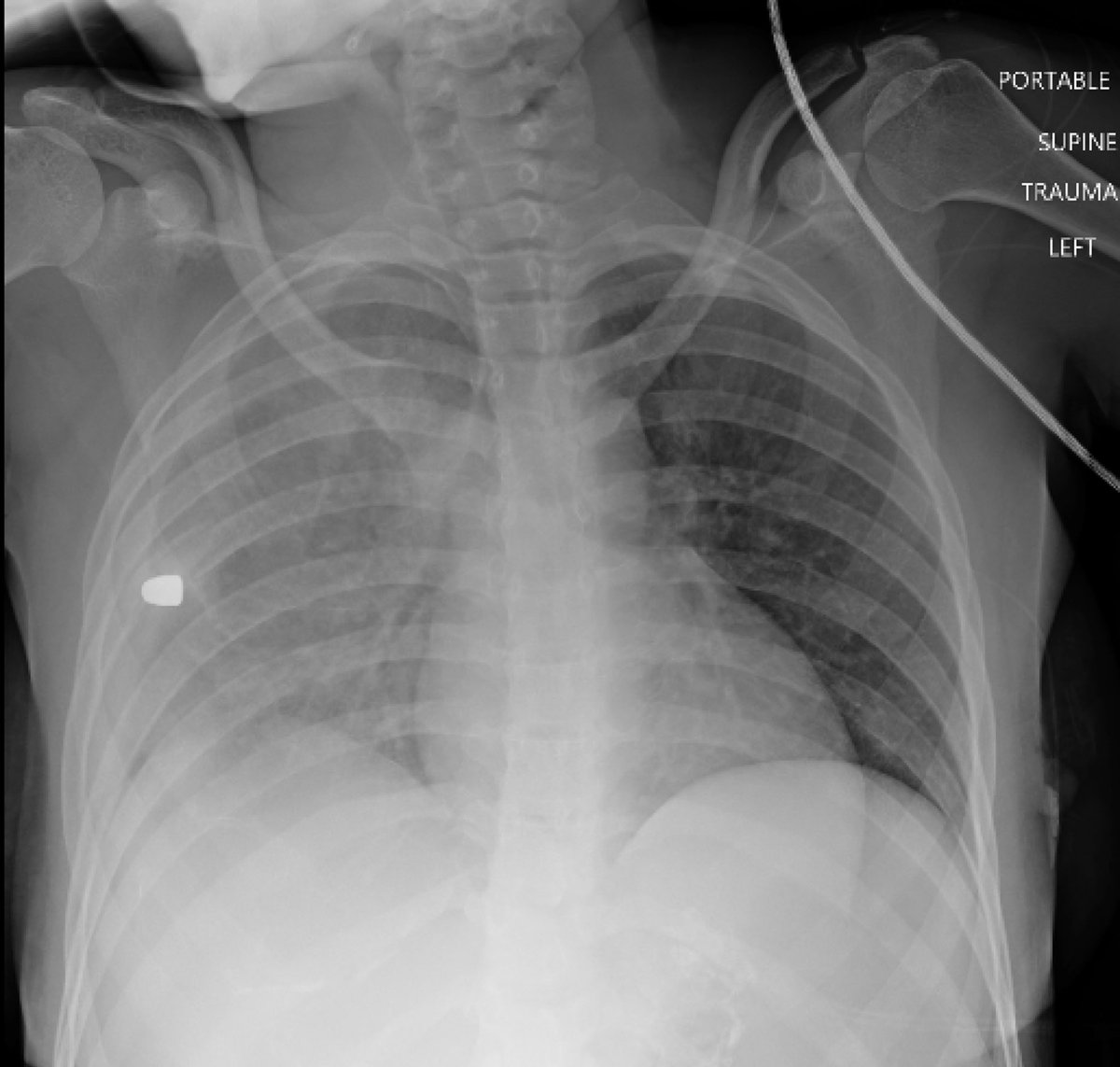
Here’s the Chest X-Ray of a young girl suffering from a condition that is now the #1 cause of death in children and adolescents in the U.S.
What’s the diagnosis?
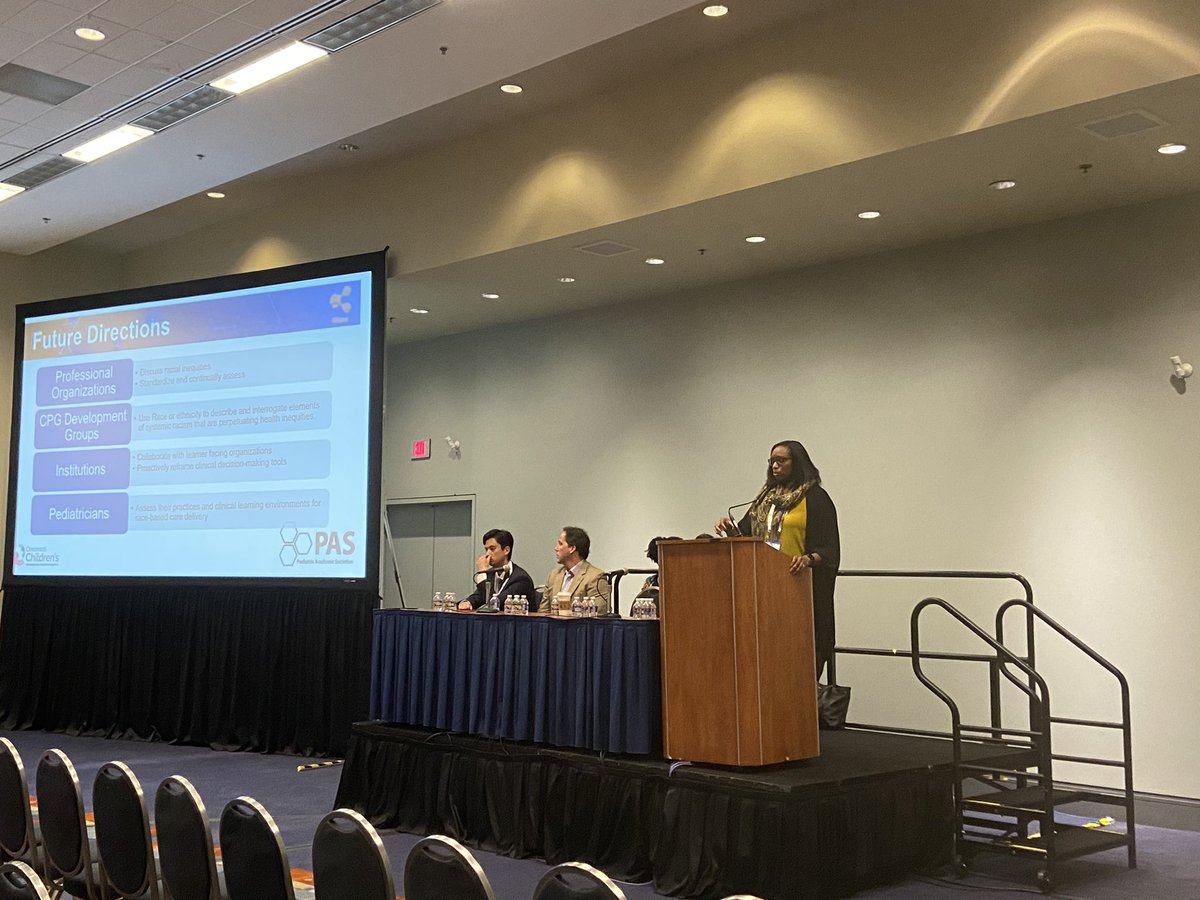
Always love working with Drs. Holly Vo and Gina Campelia. In "Addressing Racism in Ethics Consultation: An Expansion of the Four-Box Method," we propose a systematic tool to help approach racism in clinical ethics consults, and we apply it to some cases.
https://t.co/vQT2DdMhPV
“As a Black woman program director, I know my obligation is to do more than train our residents to be competent physicians. I recognize both the enormity and privilege of this responsibility.” Such a powerful read! https://t.co/wrh8CZ9fjb
1/
#HumanismAlways, Day 4
Residency, circa the ‘90s
Her: “Yeah, it’s been tough since my mama died.”
Me: “Oh no. I don’t think I knew that. I’m so sorry for your loss.”
Her: “I appreciate that.”
*silence*
Me: “Had your mom been sick?”
Her: “Yes. She was.”
*silence*
In other words, when clinicians expressed unburied empathy, w/ space for families to respond, they often created opportunities for relationship-building & family-sharing. These domains were equally negatively affected by buried empathy as they were by no empathic expression.
@AmyTrowbridge15, @pamayascott, @AbbyRosenbergMD, and the rest of our amazing team studied clinician empathy expression in pediatric care conferences, including care conferences using language interpretation
When clinicians responded w/unburied empathy, families responded positively or w/ emotional deepening 83% of the time. When clinicians expressed buried empathy (followed by medical talk), or when they did not express empathy, families responded these ways 14% & 15% of the time.