Trying out this professional twitter thingy. This will mostly be posts about papers from my group, maybe about other papers if I get in a groove. And maybe some pointers on using Corridor4DM if anyone needs it. All delivered with a positive upbeat attitude!
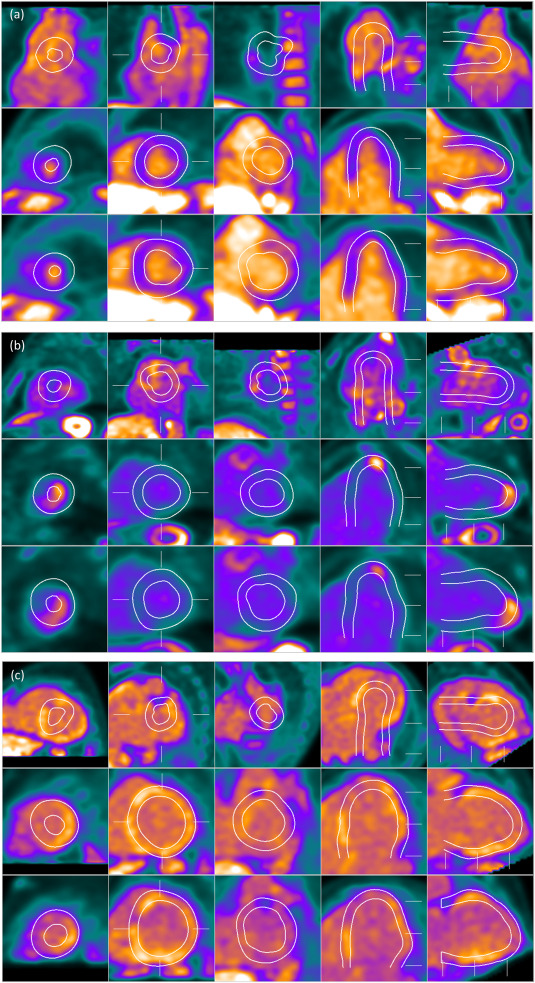
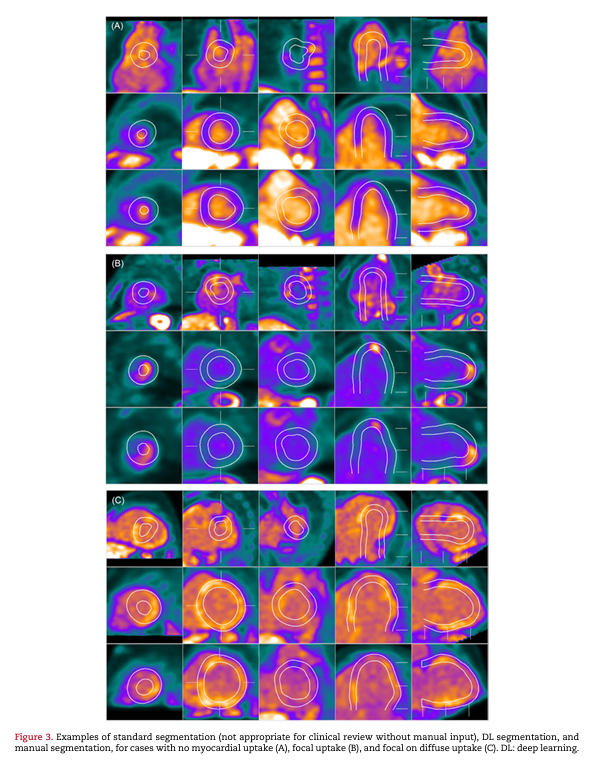
FDG PET is now a widely used tool for identification and quantification of inflammation and infection in the heart, including in patients with:
* known or suspected cardiac sarcoidosis
* known or suspected endocarditis (particularly prosthetic valve, CIED, VAD)
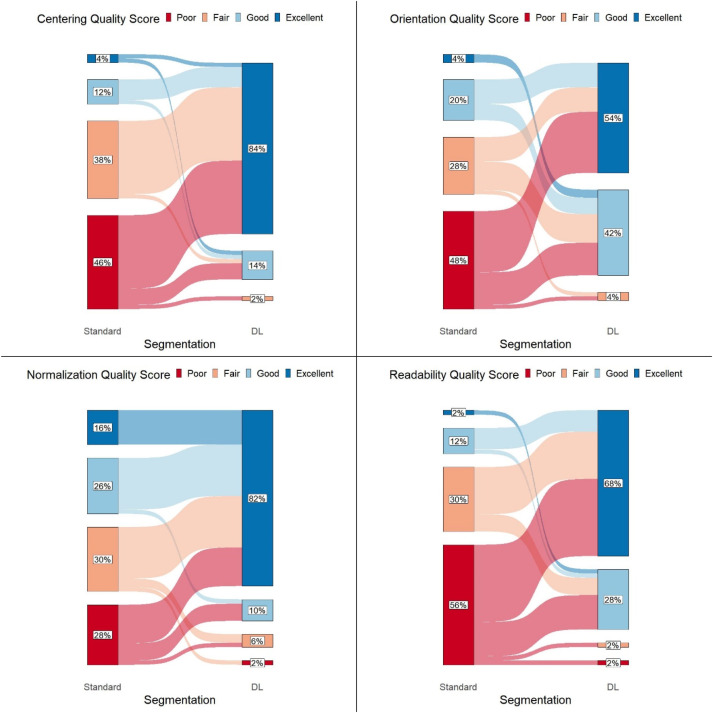
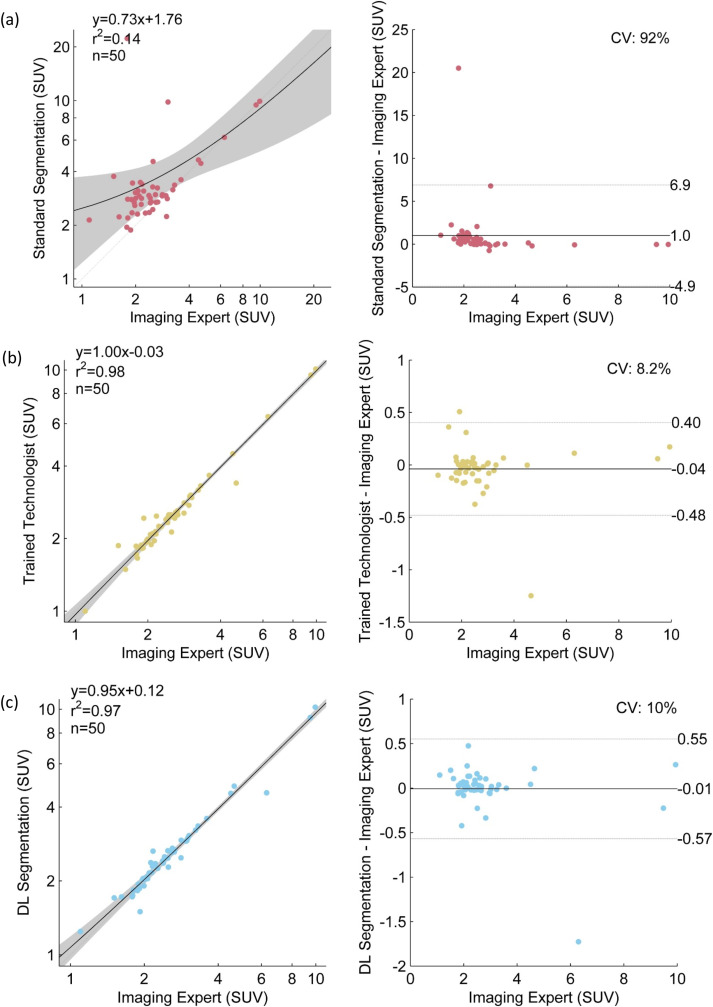
Accurate interpretation requires first orienting images to cardiac planes and scaling them to match dynamic range in the heart (vs. extracardiac structures). These steps are facilitated by segmenting the left ventricle. Quantification also requires segmentation.
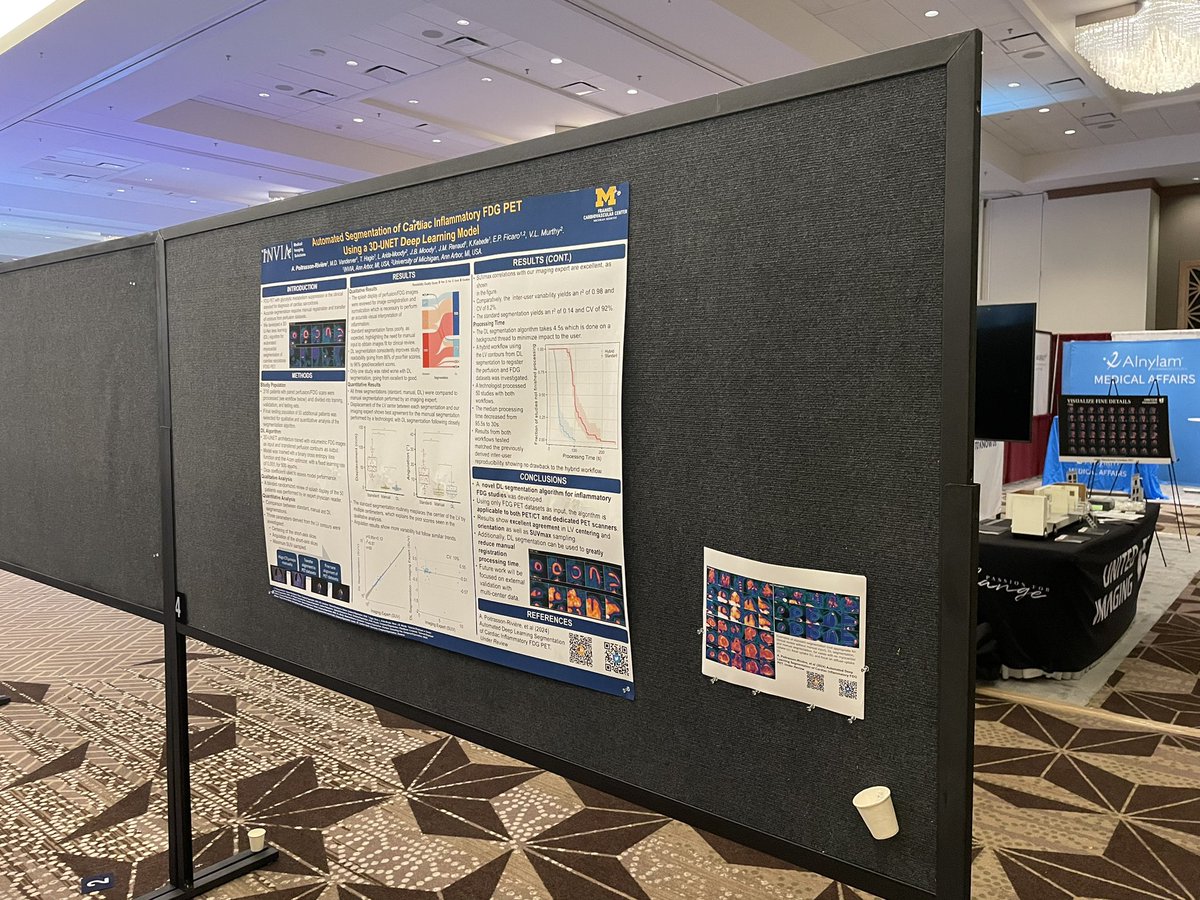
This has historically been a time consuming manual process. We now report a #deeplearning tool to automate this!
Work of @alexispvpr@j_m_renaud and others not on X
🔗Link in reply 👇
**New Paradigm in Cardiac Perfusion Evaluation**
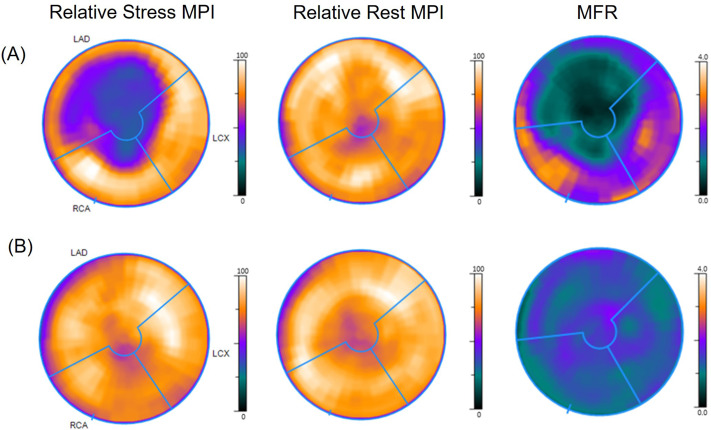
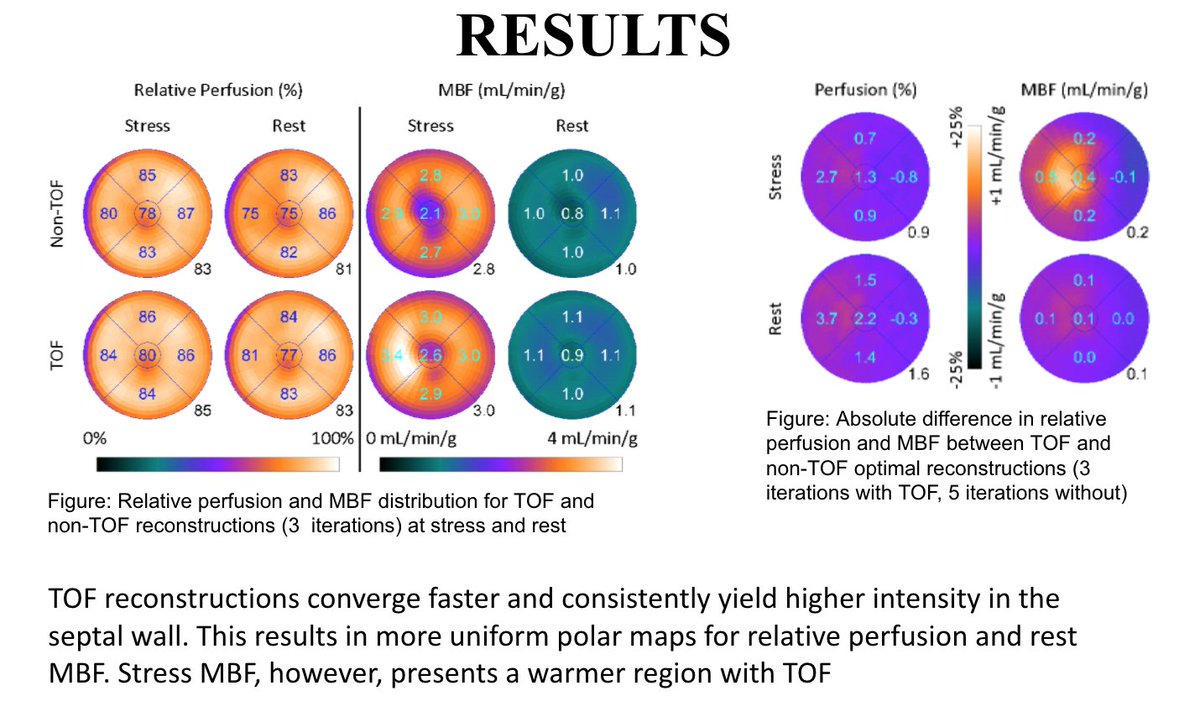
Quantitative measures of blood flow from PET have been a huge advance and are driving PET adoption. Until recently, these were generally computed globally or across large regions (e.g. vascular territories).
Our group has now developed and validated a framework for high-resolution regional quantification of blood flow and integrating this with regional perfusion defects called iMFR.
Enables better discrimination of:
* diffusely impaired perfusion - microvascular/vasomotor dysfunction with strong prognostic implication
* focally impaired perfusion - related to epicardial stenoses
This review discusses the approach and summarizes the prognostic and diagnostic data to date.
🔗 Free @JNCjournal access link in reply 👇
🙏 contributions from @j_m_renaud (lead author) @alexispvpr (diagnostic validation) @almallahmo@premsoman123@DekempRob@BeanlandsRob@cmadamanchi & others not on SoMe
#NewPaperAlert: New Preprint on medRxiv about automated segmentation of cardiac inflammatory #ThinkPET studies using a 3D-UNET (https://t.co/VZDlgjcBcD).
A promising application of DL segmentation to improve clinical workflow.
@venkmurthy@almallahmo@rlweinberg@PanithayaC
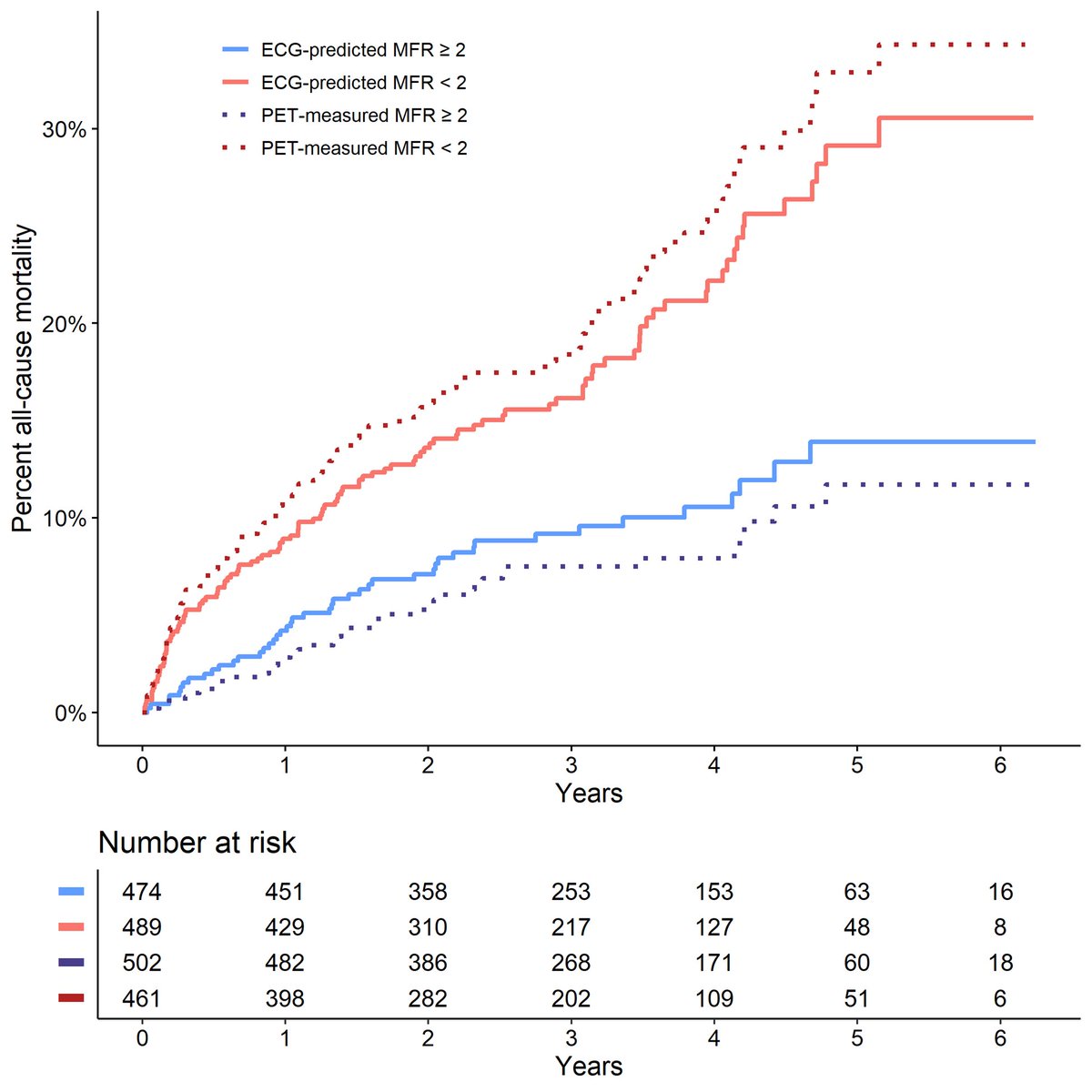
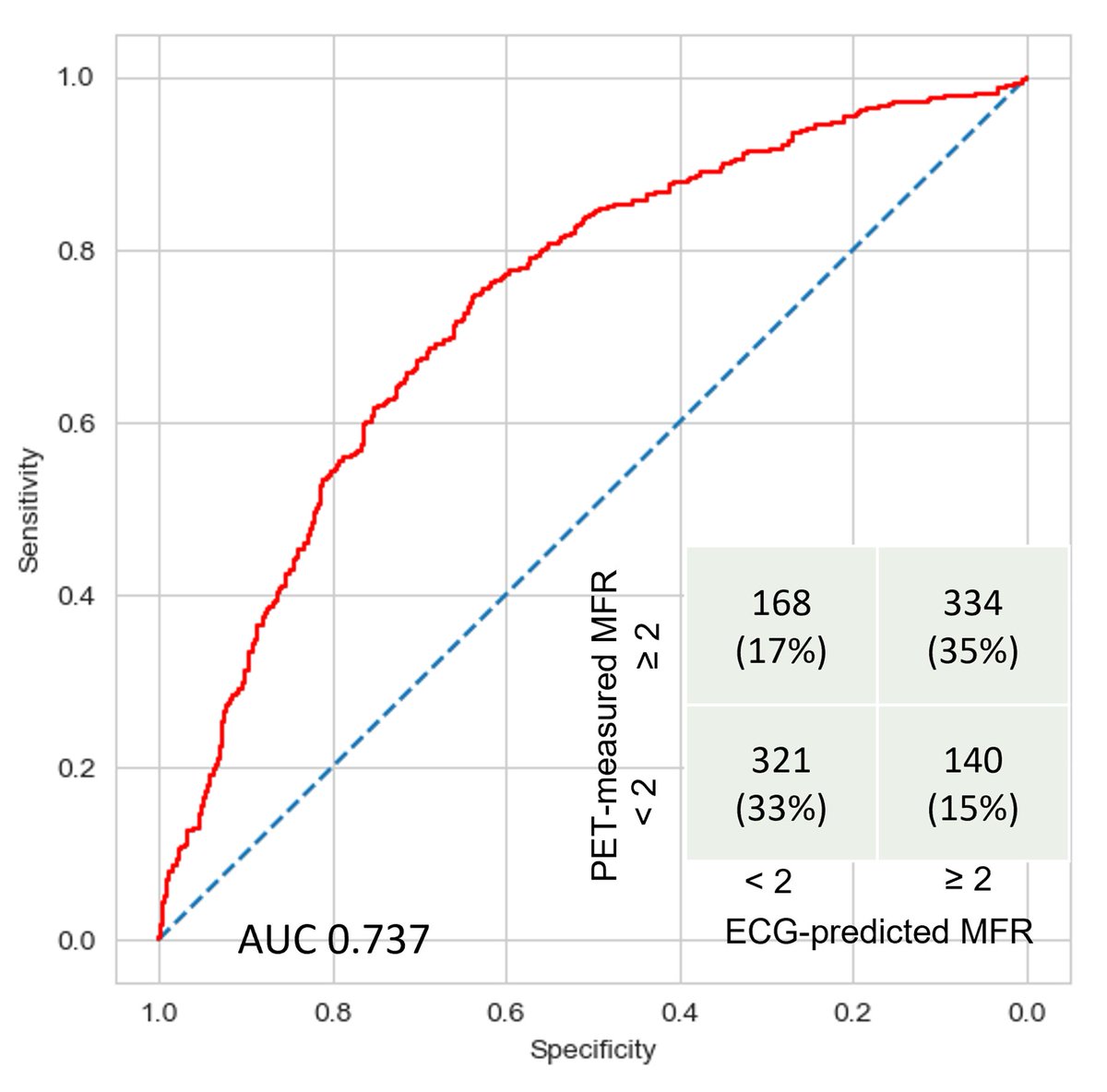
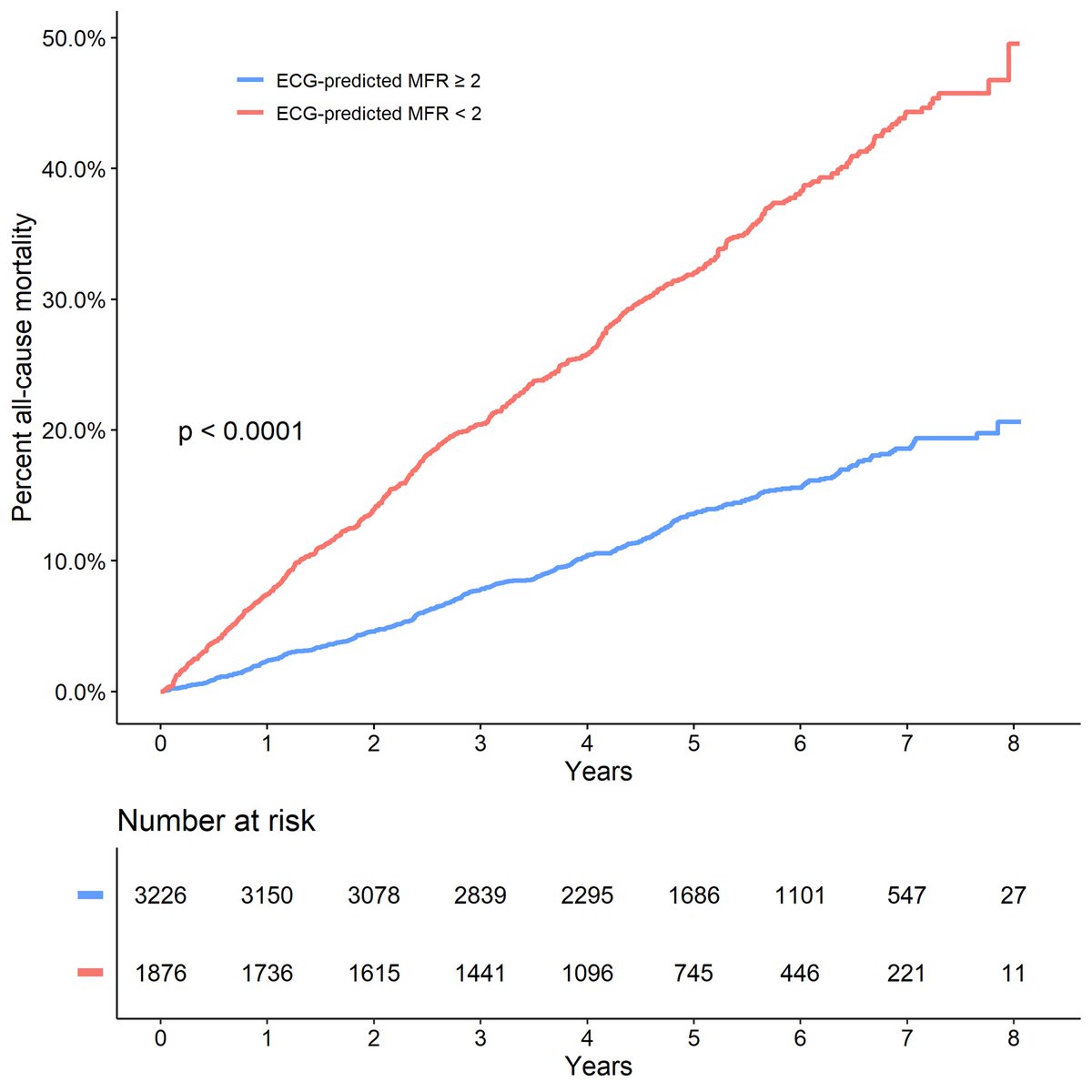
Coronary/myocardial flow reserve is powerful measure of CAD & essential for dx of ANOCA/INOCA but is difficult to obtain, requiring invasive studies or PET
Now possible using stress EKG data!
Deep learning derived in 3887 pts w/ PET. Validated in 963 PET pts & 5102 SPECT pts
https://t.co/1RxEgZad5Y
@umichCVC@UMichRadiology@UMichResearch@MyASNC@almallahmo@alexispvpr
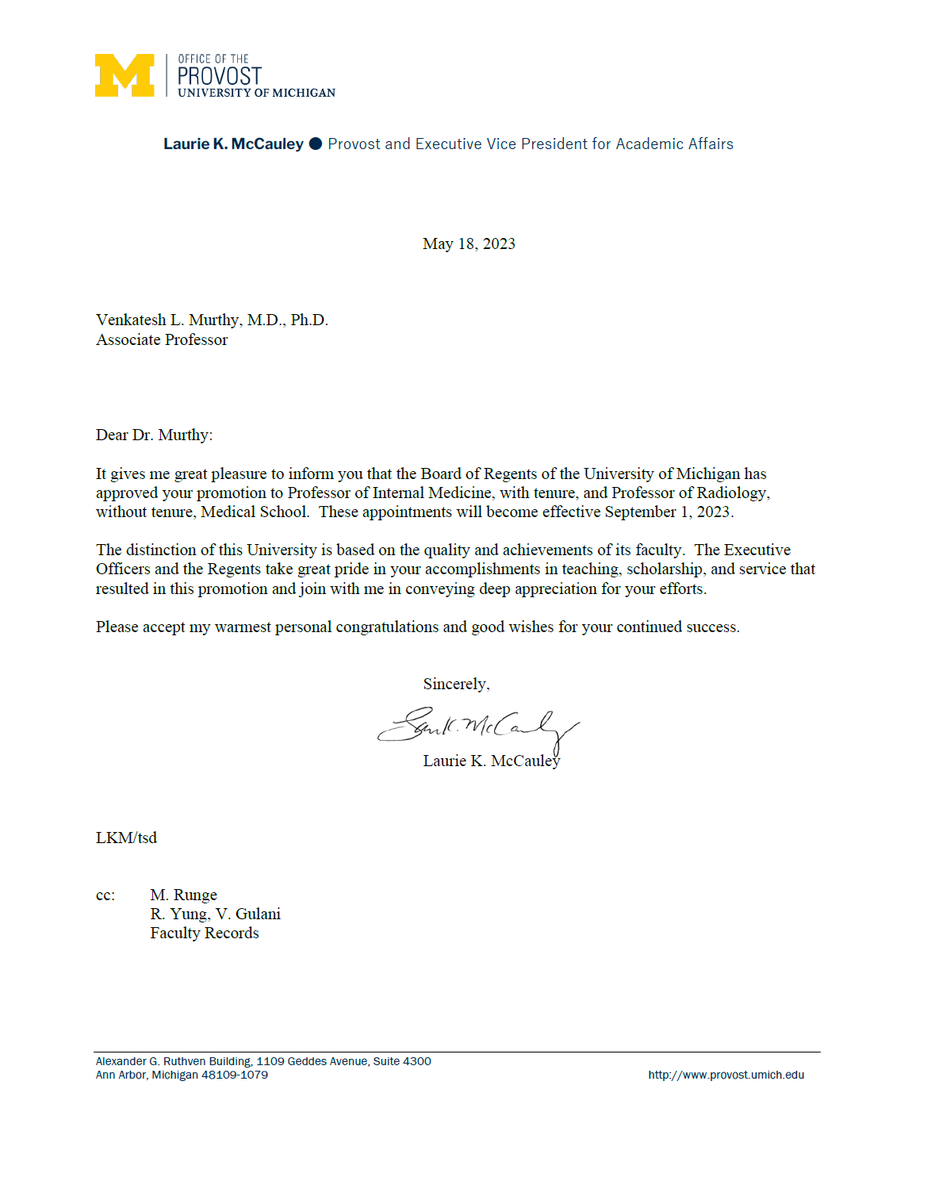
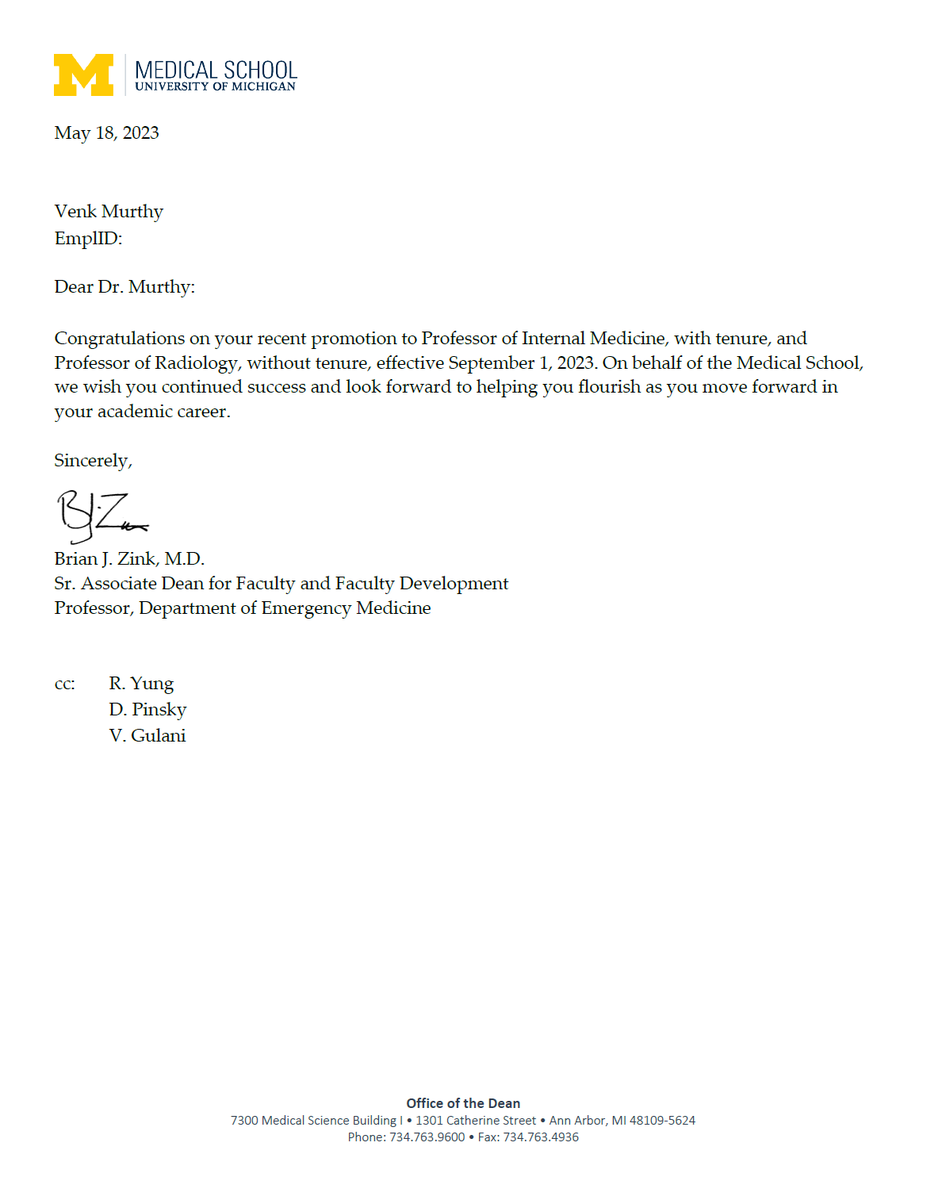
Professor: what a journey!
The days were long but the years short
Could measure the journey in papers/R01s but I would rather measure it by all I learned along the way & the colleagues who became friends
🙏 to all the friends/family whose support at every step made it possible
#NewPaperAlert:
Cool brief report on residual subtraction for #ThinkPET MBF with 18F-FPZ and 13N-NH3: https://t.co/2dORYQIaOY
Spoiler alert: residual subtraction is necessary for accurate #CardiacPET quantifications with interscan delays under 4 half-lives (same-dose injections)