Molecular microbiologist intrigued in AMR💊, metabolism⚙️ and gene regulation🧬 of pseudomonads. Senior researcher at Dept. of Microbiology, Univ. de Sevilla
Our group is looking for a PostDoc with a strong background in molecular microbiology, strain design and genetic engineering. Join us at @Rigshospitalet and @DTUtweet to work on bacterial infections and #AMR. Please RT and apply!
https://t.co/tInWJsFkRA
Fantástico Andony, has hecho un trabajo excelente de la mano de @aleyo_arce Mucha suerte en tu búsqueda de tesis doctoral y en nuestro lab siempre tendrás tu casa 👏🏼👏🏼👏🏼
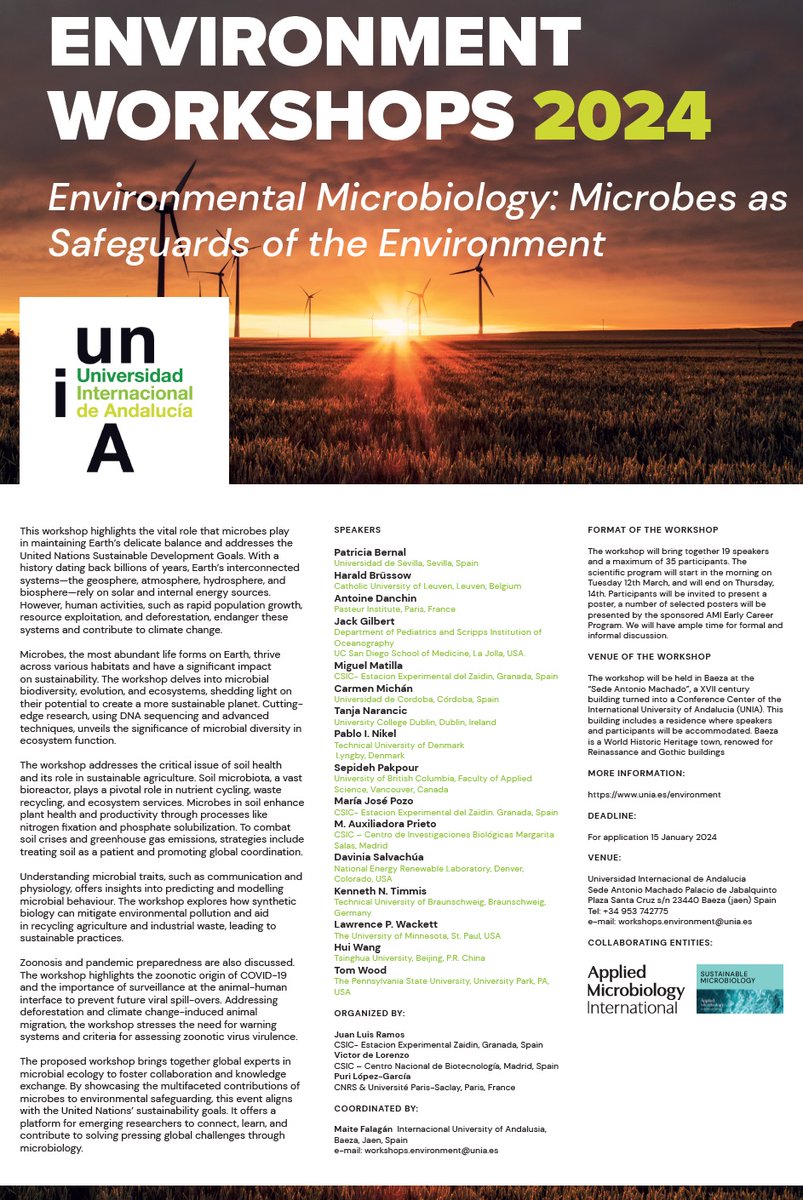
Absolutely honoured to host Microbiology legend Ken Timmis @KennethTimmis at @unisevilla this week! His talk on International Microbiology Literacy Initiative was truly inspiring. Grateful for invaluable stories, advice & experiences shared. It was very special to have him here.
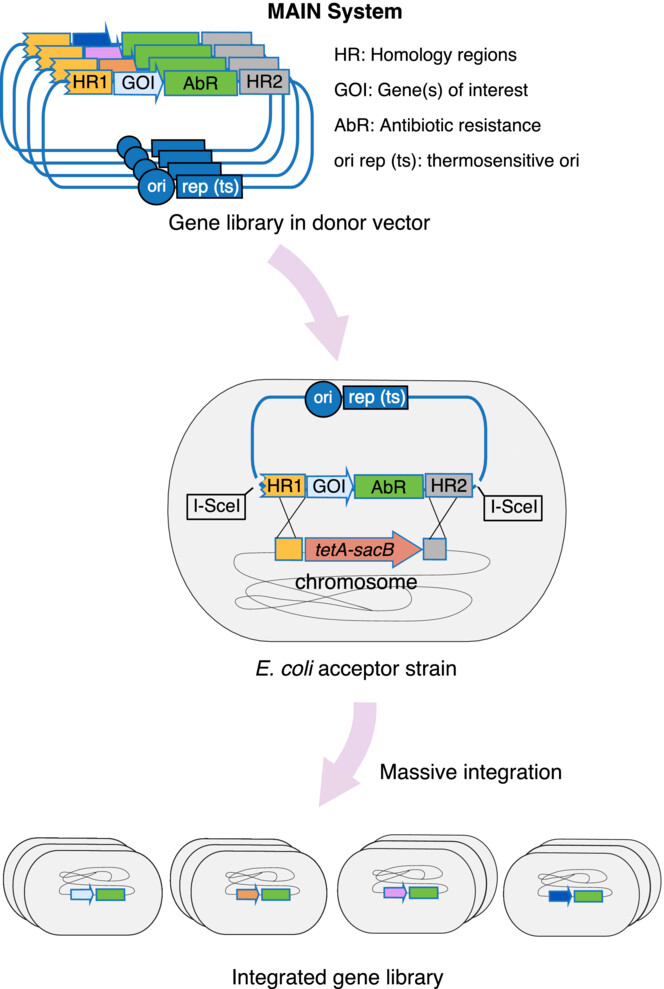
Revolutionizing gene libraries in E. coli! Cerdan et al present a new approach for efficient integration of large gene libraries into the bacterial chromosome to address protein toxicity & instability issues. A new functional screening in biotech! ➡️ https://t.co/y9qp2p3ptc
Happy gathering of past, present & future scientific luminaries for joining the memorable celebration & wedding party of our dear friends and colleagues @Alberto_SPJ & @Mery_PipiS 👇
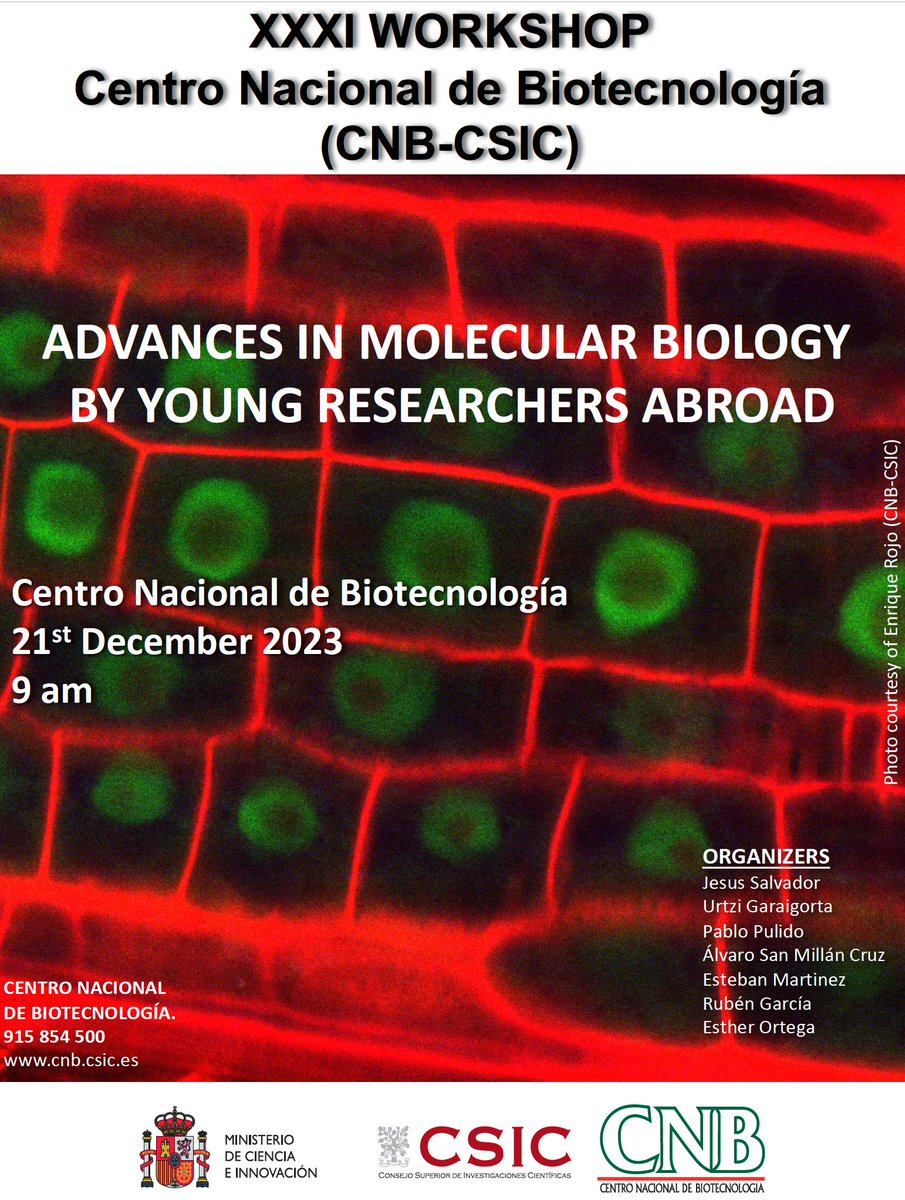
Every Xmas season the @CNB_CSIC organizes a 1-day workshop for expat Spanish postdocs & young PIs abroad willing to share what they are doing and widen their network of local colleagues. Also, a chance to survey the domestic job market 😅. Please email organizers if interested 👇
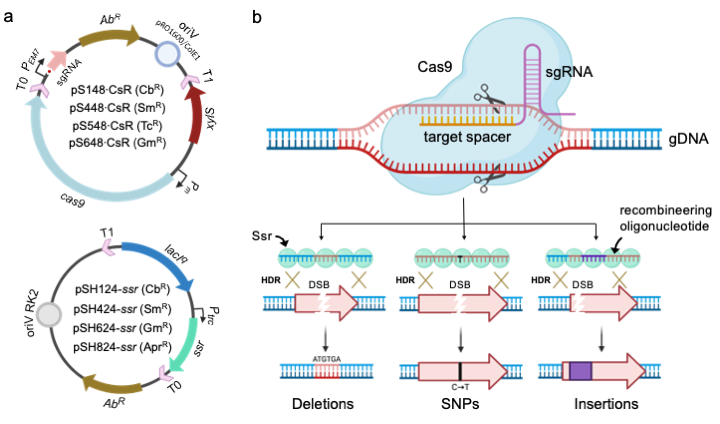
The availability of different AbR cassettes enables also genetic engineering of #clinicalisolates. We include also a whole section with guidelines and recommendations that facilitate the modification of these intractable strains (7/7)
Both vector sets are available with several antibiotic resistance cassettes, which allows iterative engineering of different alleles without the need for plasmid curing. The complete toolkit can be purchased at @Addgene https://t.co/HPfsARnZ3K (6/7)
Overall, the minimum time required to carry out a desired genomic modification is 5 working days, having already prepared all the materials required for the genetic engineering of a given lab, clinical or environmental strain (5/7)
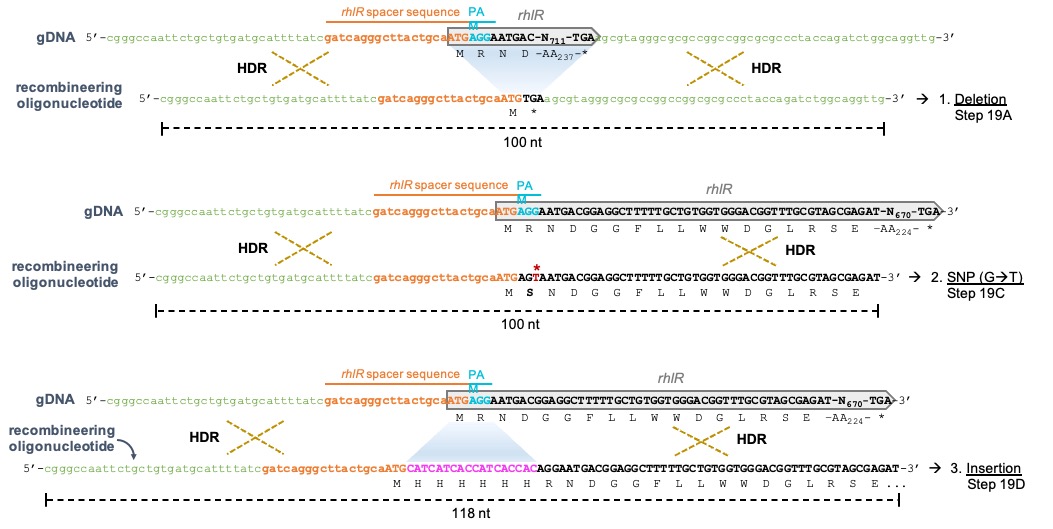
The mutagenesis oligonucleotide requires only 40-50 nt homology regions in order to introduce virtually any type of modification, including short and long deletions, short insertions, and SNPs with varying efficiencies (4/7)
The second plasmid harnesses the inducible expression of a gene coding the powerful #Pputida Ssr recombinase described recently by @vdlorenzo_CNB. This protein promotes the recombination of a ssDNA mutagenesis oligonucleotide that introduces the desired mutation (3/7)
Our method consists of a dual plasmid system. The first vector encodes an inducible cas9 and the constitutive expression of a target-specific sgRNA for the counterselection of WT alleles. The plasmid has already proven effective in the related bug #Pputida by @LabNikel (2/7)