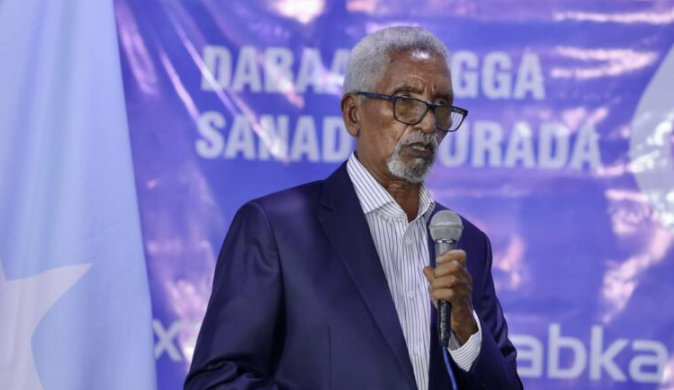
@MAWareSO He did not leave any good legacy to be remembered for in Somalia.The Somali people will recover from the suffering he inflicted on https://t.co/Qjgx5Hb2PG is good news now that his office which crippled the governance of Somalia has been closed.
@AliYareAli Jawaabtaan ma @ayuub_kabtan1 bay ku socotaa oo hawshu waa irir iyo darood?
War sidaas xasan sh iyo xamze dhaqimayse wixii halkaas ka dhacay waa in masuliyadeda cid qaato lagula xisaabtamo.
@MMSomalitv Yusuf garaad inaad runta u sheegto ninkaan xiiqsan oo ad toos dooda points kaga u qaadato baa lagaa rabaa lkn nin wax xeerinaya baad u egtahay.
Title: The Prospects and Challenges of Ethiopia's Water Export to Saudi Arabia: An Analysis of the Awash River Initiative
Introduction
In a world grappling with water scarcity, innovative solutions are constantly sought. One such idea is the export of water from Ethiopia's Awash River to Saudi Arabia. This proposal offers a unique solution to Saudi Arabia's pressing water needs but also presents significant challenges and concerns.
Saudi Arabia's Water Crisis
Saudi Arabia stands among the most water-starved nations globally. With an annual renewable water supply of just 89 cubic meters per person, starkly contrasting the global average of 7,453 cubic meters, the kingdom faces a severe water scarcity challenge. Its current water supply primarily hinges on costly and environmentally detrimental methods like desalination and fossil groundwater extraction.
As one of the world's leading bottled water importers, Saudi Arabia spends approximately $26 million annually on water imports from countries like Italy, UAE, France, and Britain. The anticipated growth of NEOM, an ambitious futuristic city project, is expected to further escalate the nation's water demands.
Ethiopia's Awash River: A Potential Solution
The Awash River, Ethiopia's longest river spanning 1,200 kilometers with a basin area of 110,000 square kilometers, could be a key to addressing this crisis. Originating from Ethiopia's central highlands and flowing eastward to the Djibouti border, the river is a lifeline for approximately 10 million people, supporting agriculture, industry, mining, and power generation.
The Proposal of Water Export
The concept of exporting water from the Awash River to Saudi Arabia is not without precedent. In 2012, Almarai, a Saudi conglomerate with agricultural interests in Ethiopia, proposed a water export project using pipelines or tankers. They argued that this project would offer mutual benefits, including water security and economic growth for both nations, and strengthen regional cooperation.
Controversies and Concerns
However, this proposal has been met with significant resistance within Ethiopia. Critics argue that such an initiative could compromise Ethiopian sovereignty, deplete vital water resources, damage the environment, and impede Ethiopia's developmental objectives. There is a concern that prioritizing water export over local needs could exacerbate existing water scarcity issues within Ethiopia.
Conclusion
The idea of exporting water from Ethiopia to Saudi Arabia encapsulates the complexities of global water politics and economics. While it offers a potential solution to Saudi Arabia's water crisis, it also raises critical questions about resource management, environmental sustainability, and social equity. Any advancement in this direction must involve careful consideration of these factors to ensure a fair and sustainable outcome for all stakeholders involved.
@hussenAb90
#Ethiopia #SaudiArabia #AwashRiver
Two hours discussing statecraft & Africa’s place in global discourse with President Afeworki is worth more than two years with world class scholars on same topic. I wish African leaders & our development scientists would take time to listen to the Eritrean President.
We are visiting detainees from both sides - #Hargeisa and #LasAnod. Our goal is to make sure they have basic needs like food, water and healthcare. We are making sure they are treated humanely and with dignity.
15 years = S/L occupied SSC-Khatumo with devide and rule strategy.
15 mins = S/L got kicked out of the city by Xaskul/Jabuutaawi/Jabaahiirta.
15 days = S/L got kicked out of Sool by the new leadership taking over.
45 mins = S/L pushed out from Maraaga
45 mins = rest is history.
I wonder how long it would take us to get to Burco?
Gudoomiyaha Aqalka Sare ee Soomaaliya, Mudane Cabdi Xaashi, ayaa sheegey in S/L jeceshahay Somali laakiin ay uga go'dey Daarood naceybkiis.
Waxaan is weydiinayaa sababta uu @musebiihi noo sii daba socdo hadii naceybkaasiba ku jiro, mise wuxuusan ogeyn inaanu nahay Daarood. Cajiib!
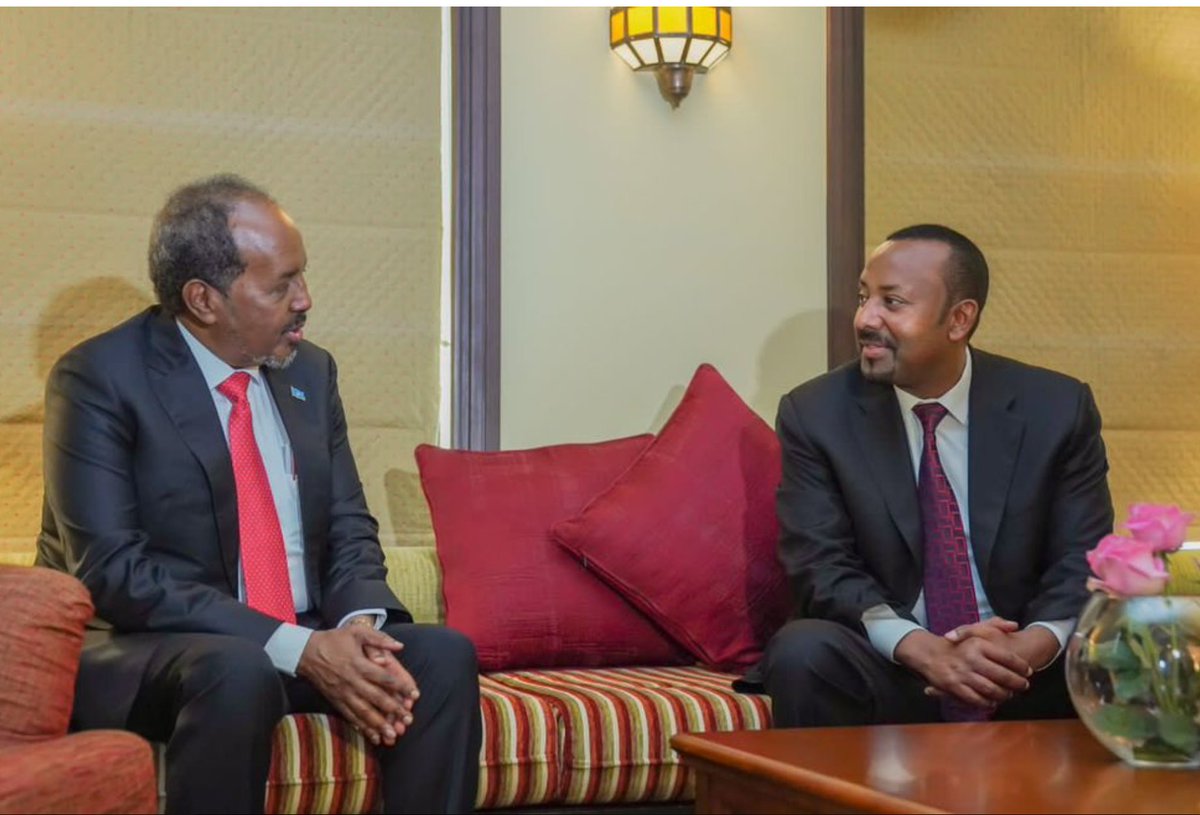
In a meeting with his inner circle, yesterday, @AbiyAhmedAli stated that Ethiopia cannot afford to remain a landlocked country. He added that Ethiopia's population would reach 300 million by 2040, and more than 30% of its GDP would be spent on ports.