My first @CrisisGroup commentary:
How War is Reshaping #Iran’s Axis of Resistance
Three years of hostilities have transformed Tehran’s network of allies in the Middle East. The Islamic Republic is now relying more heavily on itself, while adapting its relationships with partners whose diminished military utility has not necessarily reduced its commitment to their protection.
https://t.co/Ot3qD2PLHt
It is.
The US increasingly epitomises hyper-capitalist showmanship: a circus of clowns selling spectacle as innovation, with little added value to humanity.
Europe still has a sense of class: engineering with purpose, creating things people actually want, need and can use.
Spectacle vs substance
Attended the premiere of NAZA last night in Brixton. An extraordinary film. Confirms conclusively what has always been blindingly obvious - that Israeli "targeting" in Gaza provided the thinnest of veneers for what was always indiscriminate slaughter. /1
https://t.co/NoR1v7TGPZ
مصطفی مهرآیین، جامعهشناس و روشنفکری که نه از سر جاهطلبی سیاسی، بلکه به حکم زمانه و وظیفه اخلاقی به سیاست در معنای امر سیاسی ورود کرد، به زندان منتقل شد.
او پیش از این، با مدیریت مؤسسه «رخداد» در دهه هشتاد، فضایی برای جبران کاستیهای دانشگاهی و ترویج تکثر دیدگاهها ساخته بود.
زندانی شدن او نشان میدهد در جمهوری اسلامی پسا خامنهای اول همچنان بر همان پاشنه میچرخد؛ و باید به بعضی بازداشتنشدنها هم مشکوک بود.
#مصطفی_مهرآیین
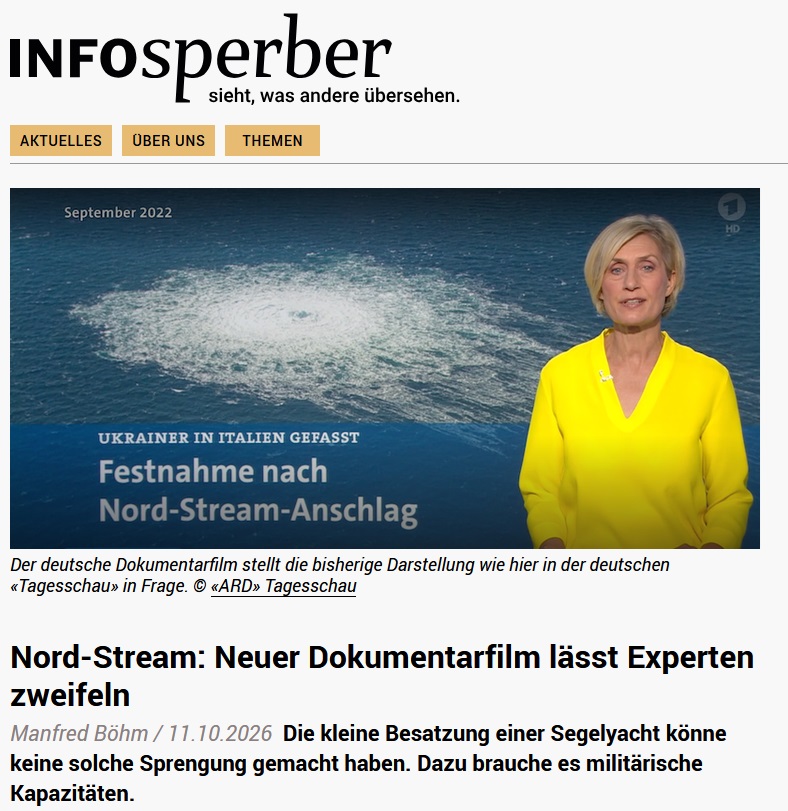
Die Sprengung der Nordstream-Pipeline hat die Haupt-Schlagader für günstige Energie zerstört und die deutsche Wirtschaft massiv geschädigt.
Der Erfolgs-Regisseur Moritz Enders ("Toxic NATO") untersucht in seinem neuen Dokumentarfilm "Nordstream - Die Sprengung" (https://t.co/huJCVvZSMw) die Hintergründe, mögliche Täter und die bis heute andauernde, massive Propaganda um den Vorfall.
Es war mir eine Ehre und eine große Freude, gemeinsam mit Ray McGovern, Dirk Pohlmann, Prof. Theodore Postol, Dr. Werner Rügemer, Prof. Ola Tunander, Erik Andersson und Harald Kujat an der Aufklärung mitwirken zu dürfen.
Die schweizer Zeitung Infosperber hat einen Artikel zum Film verfasst: https://t.co/WFlsKfhu0G
Folgen Sie mir auf Telegram: https://t.co/wC1x0C81e8
روبیو در یونان کلی آسمان ریسمان بافت که ثابت کند تبار این دولت یاغی را بجای جزیره اپستین و دوران بربریت باید در اکروپولیس یافت اما هنوز عرق آن سفر خشک نشده در افاضات جدیدش اصل دیوان کیفری بینالمللی را زیر سوال میبرد و تهدیدشان میکند به فلک و اخیه که اگر برای کسی در ماجرای «صنعت داستانسازی در یونان» شک و تردیدی ایجاد شده باشد که نکند واقعا ترامپیستها نسبی از یونان برده باشند، حالا یقین پیدا شود که با چه طایفهای روبروست و این طایفه با این تناقضشان نه به شک که به یقین نه تنها به ادعای نسببردن از تمدن یونان که به اجماع عالم و آدم به دستاوردهای تمدنی معاصر نیز ترکمون زدهاند.
در حکایات عربی کلیات عبید آمده است:
مردی به فقيهی گفت: من حنبلی مذهبم. وضو ساختم و به مذهب ابن حنبل نماز كردم، در نماز، رطوبتی احساس كردم و بويی ناخوش. اكنون در تردیدم که حکم اين رطوبت در مذهب ابن حنبل چه باشد؟ فقيه گفت:خدا از تو درگذرد، ترديد مكن كه به اجماع مذاهب اربعه، ریدهای!
Iran’s Theory of Victory
By @vali_nasr & @nargesbajoghli
..."The vast majority [of Iranians we have interviewed over time] expressed deep distress and anger at their government after the massacres that took place in response to January’s mass protests.
But we found that political opinions have shifted drastically as the war has dragged on and as Trump has upped his annihilatory rhetoric. “We believed so much in the American promise,” Ali, a 45-year-old long-time dissident who has spent years in prison for his activism on social and political issues, told us. “Yet with this war and everything that Trump and his administration have said and done, it’s obvious the Americans sold us a false bill of goods. They want nothing but Iran’s total submission, and that’s not acceptable to us.”
Mahsa, a writer and artist in her 30s, relayed similar sentiments. “Everything we believed the [United States] stood for, freedom and respect and democracy, I now see as lies,” she said. “As angry as I’ve been at our state over the years, this is our homeland, and no outside country has the right to kill our leaders and drop bombs on our children and attempt to destroy us.”
Little wonder, then, that Khamenei’s July funeral procession drew millions of mourners, even though the country was in the midst of conflict. At the event, people handed out red flags, symbolizing their desire for bloody vengeance. Shortly after, Iran attacked commercial vessels crossing the Strait of Hormuz, unraveling the precarious cease-fire the country had struck with the United States three months earlier.
Many U.S. officials seem to think that stiff economic pressure will ultimately prompt a shift in opinion—that if they suffer enough, Iranians will decide to try overthrowing their government or that the Islamic Republic, fearing for its survival, will submit to American demands. But this is magical thinking. Iran has spent the past 15 years developing an economy specifically designed to withstand American economic warfare. Iranian officials, for instance, have forged strong relations with neighboring traders and made the country nearly self-sufficient when it comes to food. As a result, even though Iran’s economy is hurting and inflation is high, cities and towns have had no shortages of important goods or services to date. “It’s incredible how well-run everything has been inside of the country,” Hamid Reza, an engineer who regularly travels between Isfahan and Tehran for work, said. “Things are expensive, but there have been no shortages whatsoever across the country. Everything has been managed internally with a lot of care.”
"That is not to say that Iranians feel optimistic about their country. They are anxious about the future, and they yearn for a return to calm and economic relief. But they do not see the U.S.-Israeli war as liberating. Instead, they see it as gratuitous aggression, and the resulting nationalism has blurred the lines between political factions and diminished the likelihood of another political uprising. The war, then, has strengthened the Islamic Republic."...
https://t.co/PwcSxjts4E via @ForeignAffairs
The retreat of American forces from bases in Persian Gulf first to Jordan and Israel and then Britain and now retreating from Britain is a setback before an effective Iranian strategy, but it will have much broader unintended consequences for US military presence and effectiveness in other areas of the world https://t.co/Hr0qOrUeqH
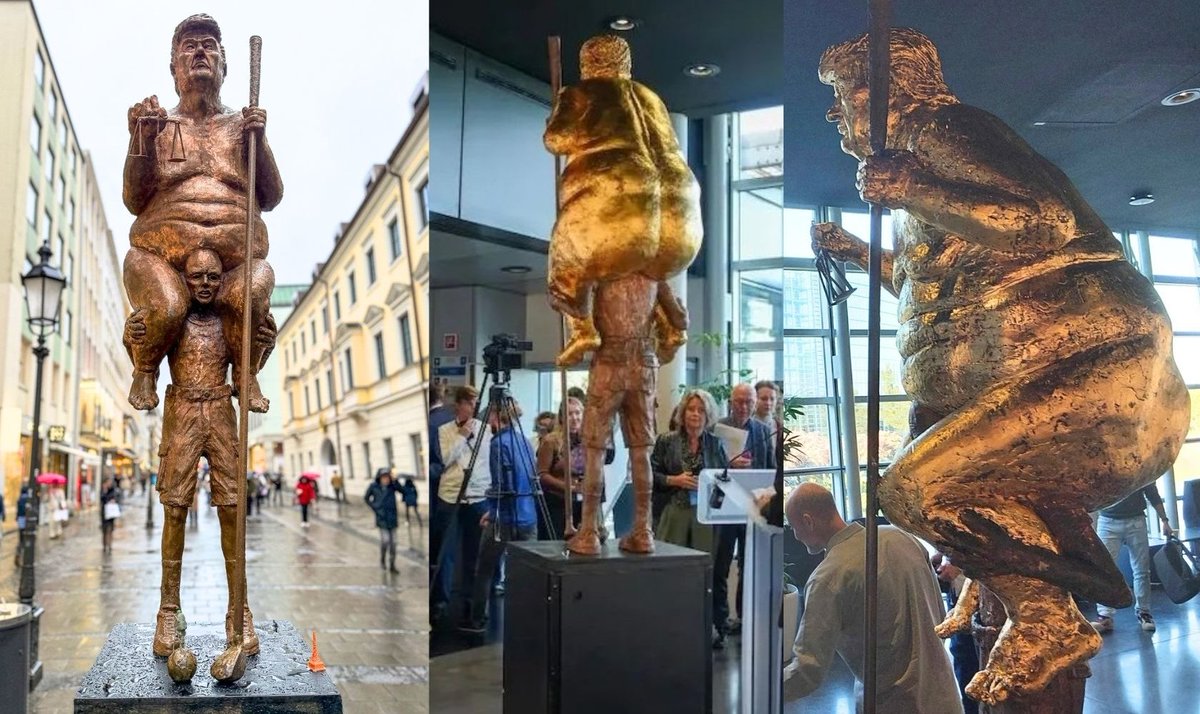
A new statue titled “The Orange Plague”, also known as “King of Injustice”, by Danish artist Jens Galschiøt has been unveiled inside the European Parliament in Strasbourg, France, where it will remain through 8 October. Remember to stop by for a selfie if you have a chance. 😏📸
سخنگوی وزارت خارجه: «موضوع خروج ایران از انپیتی بسیار جدی مطرح است.». جنگ عراق علیه ایران ماهیت جمهوری اسلامی را دگرگون کرد. جنگ آمریکا و اسرائیل علیه ایران نیز ماهیت نظام و دکترین نظامی و دفاعی آن را دگرگون کرد و پیامدهایی فراتر از میدان جنگ در برخواهد داشت.
Risquer de perdre son oeil parce qu'on est un jeune qui défend ses droits.
Ça ne devrait jamais arriver.
Mais ça se passe dans un lycée à Tours sous la France de Macron. Honte absolue aux donneurs d'ordre. Ces violences inouïes doivent cesser immédiatement.
Someone sent me this analysis and asked me what I think…
Yes, there is more oil flowing through the strait—with the exception of Iranian oil. But people misunderstand the issue of control of the Strait of Hormuz and overstate its importance in the positioning of Iran, the Gulf, and the U.S. as the war drags on. Specifically, this analysis on oil export volumes and its impact on negotiation positions overlooks two more important factors.
First, Iran may not be able to disrupt energy flows as effectively as in the early stage of the war, but it retains undiminished capabilities to destroy stocks, by which I mean the underlying production infrastructure, whether upstream or downstream.
Second, the assessment fails to consider that Iran can still choose to escalate by hitting these production targets if it determines that Trump isn’t feeling enough pain to take the diplomatic off-ramps being put in front of him. Importantly, we know what happens when Iran is exporting no oil and there is no realistic pathway for diplomacy—we saw it in the Abqaiq and Khurrais attacks on Aramco facilities in 2019.
So while the risk premium around oil flows may seem tolerable for Trump, the threats to energy production infrastructure the Gulf remain significant, which is exactly why regional countries are still trying to mediate a return to a durable ceasefire and diplomatic agreement. Trump too, is erratic, and could give cause to Iran to escalate in this way through his own fixation on “winning” the war. Markets are able to price this, especially not when traders are so fixated on short-term price action.
In this respect, the strait isn’t really Iran’s principle source of leverage. It never was! The attacks on U.S. bases and Gulf cities and infrastructure were far more consequential, but these dimensions of the conflict were downplayed because of what it would mean to acknowledge that Iran has such dangerous capabilities that the U.S. was unable to mitigate or degrade during the entirety of the fighting.
Sure, the U.S. navy can escort vessels (at great cost) and keep oil flowing. But the more fundamental issue of the failure of U.S. security guarantees over the entirety of the Gulf remains unresolved, and this is what provides Iran leverage in the negotiations.
Iran did not wage a scorched earth campaign—but it may yet do so if the current situation persists for too long. That is what everyone who actually follows this region and its dynamics is worried about.
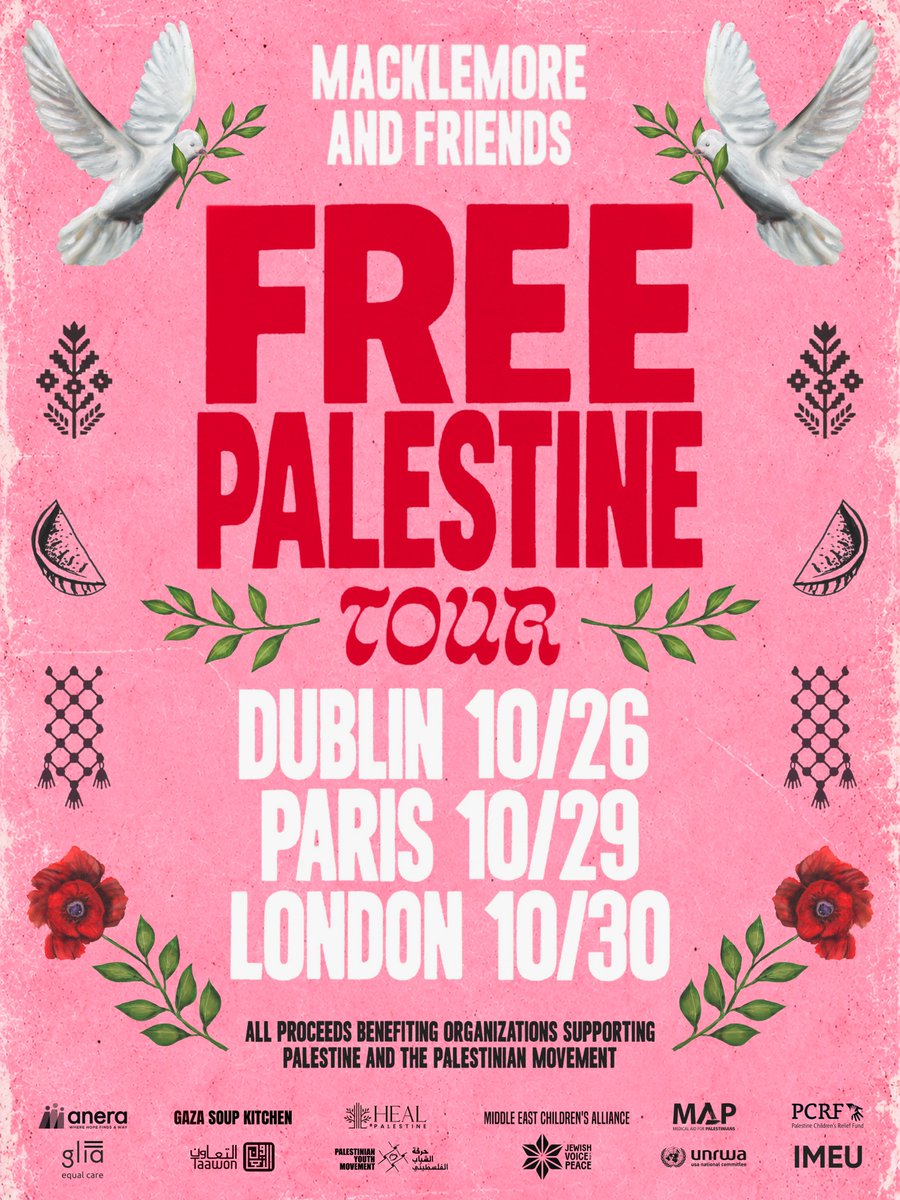
What happened to me is bigger than one artist or one stage. When the billionaire class can decide which voices are allowed on stage and which ones are too dangerous to hear, everyone should be paying attention.
So we're going on tour. All proceeds will benefit organizations supporting the Palestinian people and movement.
Sign up at https://t.co/2na35y8pQ5
This is why Jawaharlal Nehru, Prime Minister of India, speaking at the Afro-Asian Solidarity Conference at Bandung in 1955, said that “NATO today is one of the most powerful protectors of colonialism.”
This is why Amilcar Cabral, leader of the anti-colonial movement in West Africa, observed that “Portugal would never be able to launch three colonial wars in Africa without the help of NATO, the weapons of NATO, the planes of NATO, the bombs of NATO.”
And it is why Fidel Castro, in the wake of the wars in Iraq and Afghanistan and during the intervention in Libya, declared in 2011 that “NATO’s brutal military alliance has become the most perfidious instrument of repression in the history of humanity.”
From the start, NATO’s function has been to consolidate US and European imperialism under one roof.