enterprise AI agent buyers don't want more autonomy. they want to see what the agent did
G2 went through 3,222 reviews of AI agents from companies with 1,000+ employees (231 products)
trust is already high:
> 77% trust their agent quite a bit or very much
> 53% use it most of the time or every time
but autonomy still isn't the ask:
> 60% want guardrails, 21% limited autonomy
> 7% want total autonomy
> even among those who trust it very much, only 15% would let it run alone
asked what would raise trust, 79% picked visibility or control:
> explain its decisions: 32%
> more guardrail settings: 29%
> warn before questionable actions: 18%
> better reliability: 21%
and watching isn't free. in G2's separate agent survey, 45% say oversight and rework eat more than a quarter of the gains
the good thing about all the AI thing is that
< as a student,
you’re sure about the ROL (return of learning)
< as a startup,
you’re sure about the ROI (hopefully 😂)
As a big corporate you have no choice but spend more and more hoping you’ll reach AGI first :)
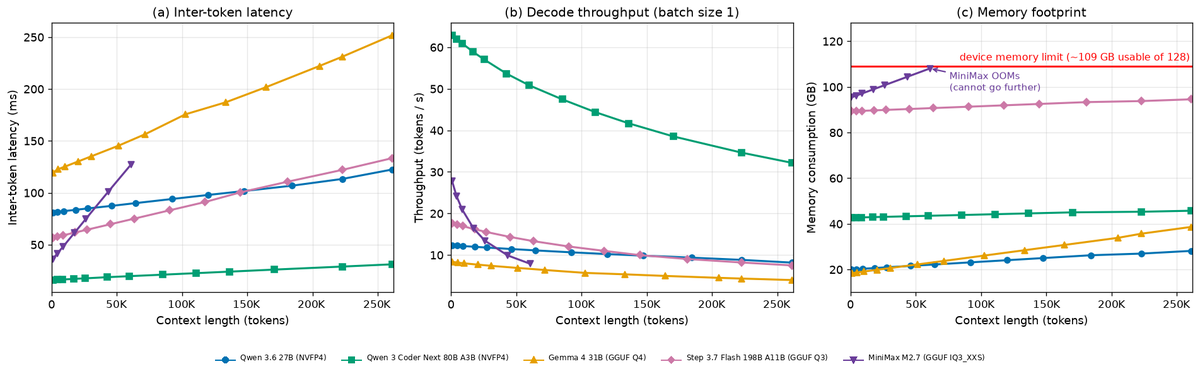
the most expensive tokens in your agent run are the ones it writes deep into a long context. YOU DONT NEED LONG CONTEXT.
"You don't need long context" (Belcak, Molchanov et al., Nov 3) puts numbers on it:
> serving at 256K instead of 16K costs 3.6x to 7x more per generated token (GLM 5.2, Kimi K2.6, Qwen 3 Coder Next, from H100 throughput)
> their fix is compaction: when context crosses a threshold, the agent writes down the task, its plan and the artifacts it still needs, then restarts fresh from that
> long documents stay as files the agent greps and reads in pieces. on long-input benchmarks that scored up to 40 points higher than pasting the whole input
> the extreme version, one action per context: Opus 4.5 hit 70.2% on SWE-bench Verified vs 70.0% with full history, with peak context down from 130–200K to 15–37K tokens
estimated savings: 2.2x to 8.8x on long agent runs for Opus 4.5
the honest part: costs are estimated from throughput and list prices, not real bills. compaction is lossy, so a task that needs an exact early detail fails unless that history stays readable. and open models break: Qwen 3 Coder Next fell from 53.0% to 3.6% on SWE-bench Verified at the tightest setting
so the lesson isn't "shrink your window". context is a cost line you design, not a limit you fill
if you run long agent sessions, log context size per step and try a compaction threshold before paying for the bigger window
@latentspacepod@aiDotEngineer@Ninggao88@swyx the headshot example from the Kill My SaaS writeup is the one I'd show anyone grading agent-built apps. the upload saved fine, but the public speaker page read from a different place, so only an end-to-end run as the speaker would catch it