Scientific research shows that predators consistently target women based on one trait.
When federal attorney Adeline Dimond was catcalled by two men in 2025, she bypassed the standard safety playbook of ignoring and walking faster. Instead, she confronted them with screamed profanities and threats, leaving her harassers visibly stunned.
While Dimond initially wondered if her outburst was reckless, psychological and physiological research reveals that 'out-crazying' a threat is actually a highly effective self-defense mechanism.
For over a decade, criminological studies have shown that predators select victims based on body language. In a pivotal study from the Journal of Interpersonal Violence, incarcerated violent offenders consistently targeted individuals whose gaits and posture projected anxiety, insecurity, and vulnerability, while avoiding those who displayed confidence and the potential to fight back.
Beyond sheer confidence, unleashing active anger and erratic behavior can physically short-circuit an attacker's brain. Evolutionary biology conditions humans to fear the unpredictable—such as a sudden, frantic lunging or wild, unhinged movements. Similarly, maximizing the visibility of the sclerae, or 'crazy eyes,' subconsciously triggers panic in others, reversing who feels like the prey. While patriarchal societies have historically conditioned women to suppress their anger to avoid social judgment, experts note that doing so only benefits abusers and perpetuates their impunity. Reclaiming the protective power of rage is more than a psychological boundary; it is a vital, biology-backed defense tool that transforms a target from passive prey into an unpredictable threat.
source: Dimond, A. (2025). Should You Out-Crazy Men? A reflection on female rage. Medium.
While a violent monsoon deluge sends the crowds at the Qutub Complex scrambling for cover, one bengali man remains motionless in the downpour. As the rain lashes against his skin, he reaches out a trembling hand to touch the Iron Pillar of Delhi, not out of devotion, but in scientific defiance. In the freezing, unrusted surface of a 1600 yr old monument, he feels the pulse of a chemical formula so advanced that the entire British Empire, with all its steam and coal, still cannot replicate its secret.
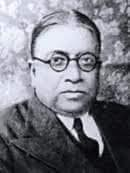
Panchanan Neogi (was the Detective of Iron who walked into the ruins of history to prove that India had not just stumbled upon the secret of Wootz steel, India had engineered it. Neogi’s obsession was not just a hobby; it was a crusade that forced the academic elite to bow. In 1914, he was awarded the prestigious Griffith Memorial Prize by the University of Calcutta for his revolutionary work on the history of iron in India.
While the world obsessed over the Damascus blades used by crusaders, they forgot that the steel was not Syrian, it was Indian. Neogi was the man who combined the soul of an archaeologist with the precision of a chemist to prove that India was the Blast Furnace of Antiquity.
Modern electron microscopes have revealed that Wootz steel (the precursor to Damascus steel) contained carbon nanotubes. In 1914, Panchanan Neogi published his masterpiece, Iron in Ancient India.
W/o the help of modern scanners, Neogi used chemical titration & historical forensics to prove that ancient Indian iron-smiths were using a crucible process that was 1000s yrs ahead of Benjamin Huntsman’s European discovery in the 1740s. Neogi proved that the famous Iron Pillar of Delhi which has stood for 1600 yrs w/o rusting was not a miracle, but a specific chemical triumph of High Phosphorus engineering.
Neogi was a student of Acharya Prafulla Chandra Ray, & he inherited the Chemical Nationalism of the era. While British textbooks claimed Indians only knew primitive smelting, Neogi traveled to remote villages & temple sites. He documented the lost furnaces of Bengal, proving that rural blacksmiths were the descendants of a high-tech civilization that had been systematically dismantled by colonial taxes.
He was the 1st to explain the Kher iron of the Birbhum district, a local Bengal iron that was so pure it rivaled the best Swedish ores of the time. Most of Neogi’s groundbreaking work was done while he was a professor at Rajshahi College (now in Bangladesh).
Because he focused on History of Science rather than just New Patentable Chemicals, the Western scientific establishment treated him like a historian, & Indian textbooks treated him as too specialized.
Today, when we talk about Ancient Indian Tech, we are quoting Panchanan Neogi’s data. He is the reason we know that the Steel of the East was the world’s 1st high-carbon alloy. Not content with just iron, he also wrote the definitive work on Copper in Ancient India.
He traced the journey of an atom of copper from the mines of Singhbhum to the statues of the Gupta Empire, proving that Bengal & Bihar were the Surgical Centers of the ancient world because they had mastered the metallurgy of non-ferrous tools.
Panchanan Neogi did not just look at a rusty sword; he looked through it, into a past where his ancestors were masters of the furnace. He remains the Silent Blacksmith of Indian history, the man who proved that before the world knew the name of Steel, India was already forging the future.
Feel free to read the book here: https://t.co/RDKrNkZMTA
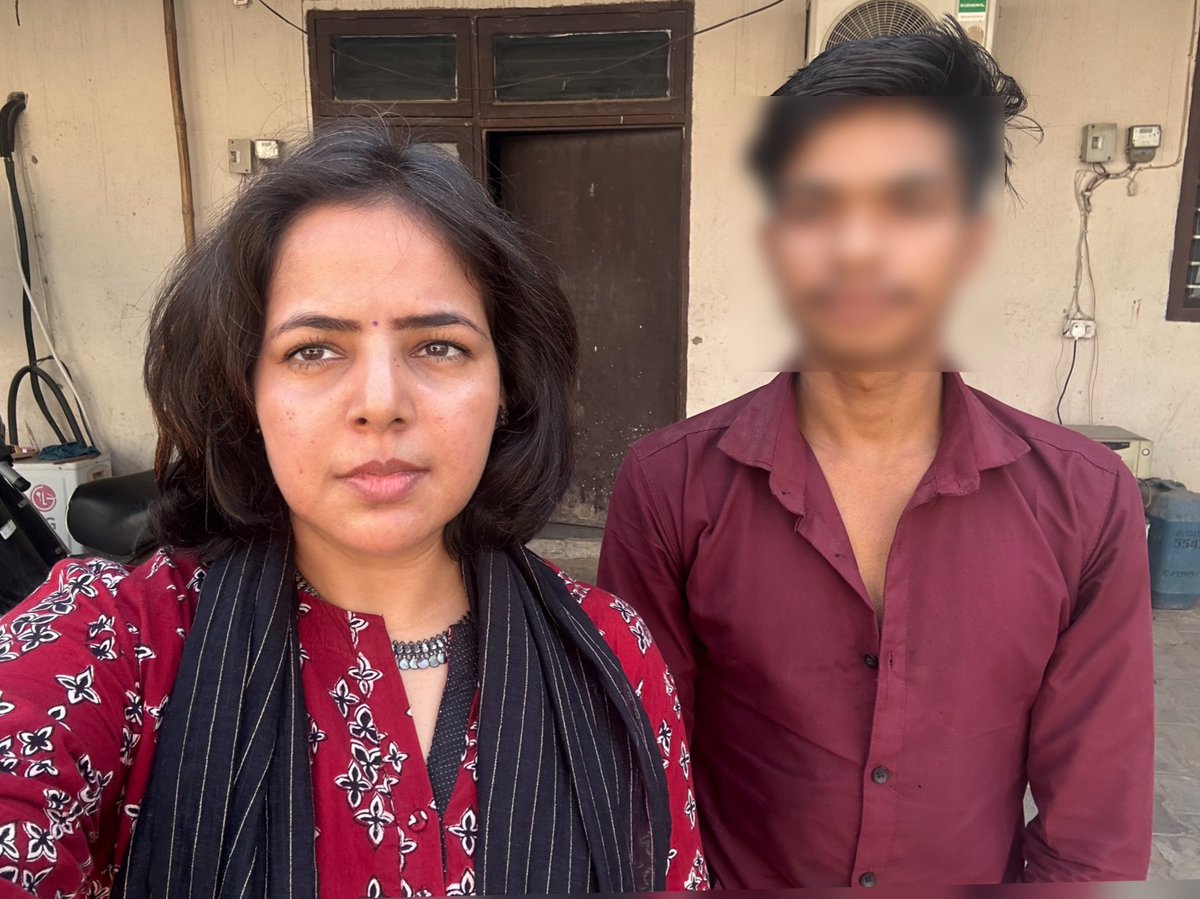
Today I met Vivek Kumar, who was kidnapped when he was in Class 3, converted to Islam, circumcised, fed beef, enrolled in a madrassa
At age of 17, he was being prepared to be sent to a Gulf country when Aadhaar biometrics revealed his real details to an alert official
Vivek was reunited with his parents after 9 long years
It was after his case that @KanoongoPriyank ordered all govt-aided madrassas in UP to furnish details of their students from Hindu families, which is now being opposed by a lobby in Allahabad high court
Vivek, who is from a scheduled caste, has learnt nothing other than memorising Arabic verses all these years
At 20, he now wants to pursue school and we @sewanyaya are helping him
Have recorded an interview of him which I will soon post
Counselled him for long - he was shocked to learn about the truth and tactics of conversion rackets and how youths are being radicalised to join terror outfits
Her name was Ruchika Girhotra.
She was 14 years old. A tennis player from Panchkula, Haryana.
On August 12 1990, she went to meet S.P.S. Rathore at his office. He was the Inspector General of Police and head of the Haryana Lawn Tennis Association. He had promised her father he would arrange special coaching for her.
When her friend stepped out of the room, he molested her.
Her family filed a complaint three days later.
Rathore had her expelled from school. Her father was suspended from his bank job on false charges. Six cases were filed against her brother Ashu. The family's house was forcibly sold. They fled to the outskirts of Shimla and took up earth filling work to survive.
On December 28 1993, days after Ashu was paraded in handcuffs through their neighbourhood, Ruchika consumed poison.
She died the next day. She was 17.
Rathore threw a party that night.
He then refused to release her body to her father unless he signed blank papers. Those papers were later used to forge documents accepting a false autopsy report.
Despite a police inquiry recommending an FIR against him, Rathore kept getting promoted. He became the Director General of Police of Haryana in 1999.
The case went through 40 adjournments and more than 400 hearings over 19 years.
In December 2009 a court convicted him of molestation. He was sentenced to six months' imprisonment and fined Rs 1,000.
The sentence was later enhanced to 18 months. The Supreme Court upheld his conviction in 2016 but reduced it to the time already served. He walked free.
The judge who tried to add abetment to suicide charges against him was forced into premature retirement.
The judge who dismissed those charges was a neighbour of Ruchika's family involved in a property dispute with them.
S.P.S. Rathore was later invited as a VIP guest to a Republic Day event in Panchkula.
Ruchika Girhotra was 14 when he molested. She was 17 when she died.
Follow for stories India deserves to remember.
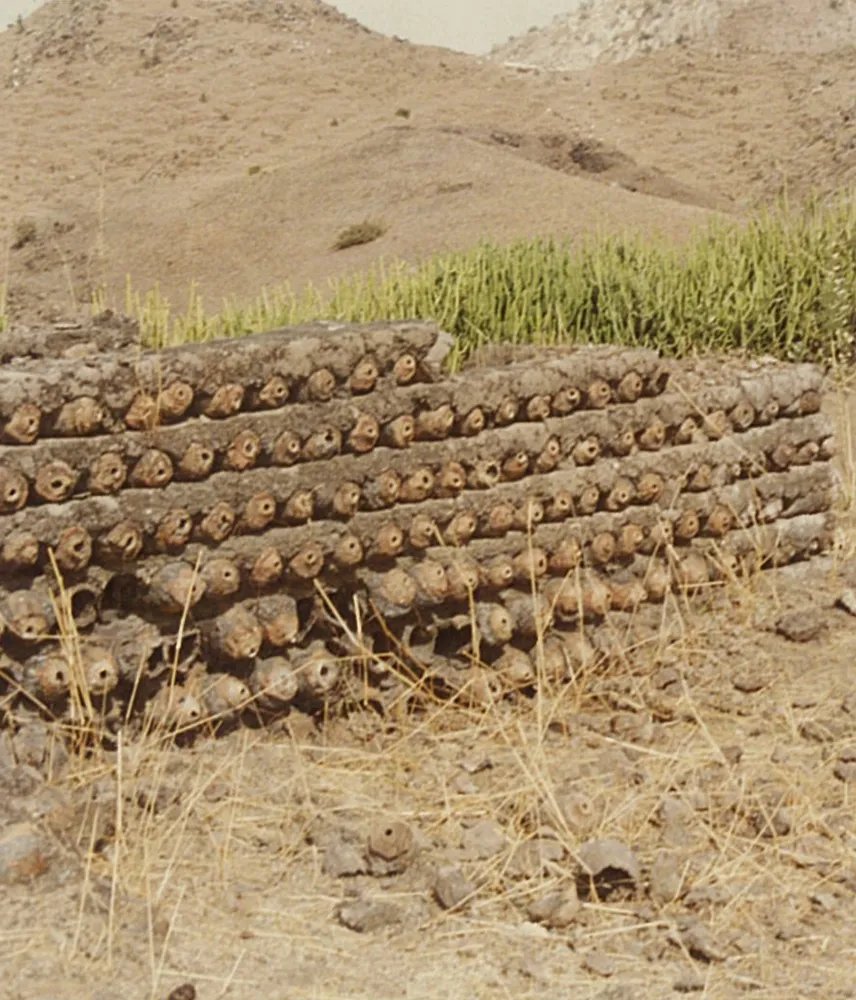
𝟏𝟐𝟎𝟎 𝐁𝐂𝐄. 𝐙𝐚𝐰𝐚𝐫, 𝐑𝐚𝐣𝐚𝐬𝐭𝐡𝐚𝐧.
India was distilling metallic zinc.
Not smelting traces. Not accidental alloys.
𝐏𝐮𝐫𝐞 𝐳𝐢𝐧𝐜. 𝐃𝐢𝐬𝐭𝐢𝐥𝐥𝐞𝐝 𝐚𝐭 𝟗𝟎𝟎°𝐂+.
A process Europe wouldn't crack until 1746 CE.
𝐓𝐡𝐚𝐭'𝐬 𝐚 𝟐,𝟗𝟎𝟎-𝐲𝐞𝐚𝐫 𝐠𝐚𝐩.
We have:
• Stone Age
• Bronze Age
• Iron Age
All named by Europeans. All centered on their timeline.
But no Zinc Age.
Because the civilization that mastered it first wasn't writing the textbooks.
So instead, you learned about European blacksmiths and Renaissance metallurgy.
Meanwhile, Zawar's retorts and furnaces sat in archaeological reports - 𝐫𝐞𝐚𝐝 𝐛𝐲 𝐧𝐨 𝐨𝐧𝐞.
This isn't about pride.
It's about taxonomy.
𝐖𝐡𝐨 𝐝𝐞𝐜𝐢𝐝𝐞𝐬 𝐰𝐡𝐢𝐜𝐡 𝐚𝐜𝐡𝐢𝐞𝐯𝐞𝐦𝐞𝐧𝐭𝐬 𝐝𝐞𝐟𝐢𝐧𝐞 𝐚𝐧 𝐞𝐫𝐚?
And whose innovations get buried in footnotes marked "local tradition"? 🏺
Something deeply disturbing is happening to our scriptures and most Hindus are not even noticing.
Two individuals recently visited a home carrying what they called the “Dwaita Bhagavad Gita.” When the family opened it, they found something that should shake every Sanatani to the core.
Inside the pages of our sacred Gita, they had inserted the words and examples of Jesus Christ.
Pause and think about that for a moment.
The Bhagavad Gita was spoken by Bhagwan Shri Krishna on the battlefield of Kurukshetra thousands of years before Jesus was even born. The original Gita contains zero mention of Jesus. Not one shloka. Not one reference. Not one word.
So why is Jesus suddenly appearing inside our most sacred text?
This is not an accident. This is not a translation choice. This is a deliberate strategy.
When a young Hindu picks up this version for the very first time, perhaps a teenager exploring his own dharma, perhaps a college student wanting to read what Krishna actually said, what does he encounter? A Gita laced with Christian theology. A Gita that subtly tells him our scripture needed Jesus to be complete. A Gita that plants the seed that Sanatan Dharma and Christianity are somehow interchangeable.
This is how civilisational subversion works. Not through open conversion drives. Not through aggressive missionary tactics. But through quiet edits. Through inserted footnotes. Through “comparative” verses that were never there. Through smuggling foreign figures into our 5000 year old scriptures and waiting for the next generation to accept the mixture as original.
First they insert Jesus into the Gita.
Tomorrow they will claim Jesus walked during the Mahabharata era.
The day after they will write that Krishna and Christ were the same person.
This is the playbook. We have seen it before with our temples, our festivals, our deities, our yoga, even our Sanskrit terms repackaged and resold to us with a foreign label.
The Bhagavad Gita is complete. Untouchable. Eternal. It does not need Jesus to validate it. It does not need Buddha, Muhammad, or any other figure inserted into its verses to prove its universality. Krishna’s words stand on their own across millennia precisely because they were never borrowed from anyone.
Every Sanatani parent, teacher, and reader must check the Gita they bring home. Read the publisher. Read the translator. Read the commentary. If foreign figures appear inside Krishna’s words, reject that book. Choose a Gita Press edition. Choose an ISKCON edition. Choose a regional Sanskrit edition with proper acharya commentary.
Our scriptures are not a buffet for other faiths to season according to taste.
Sanatan Dharma is not a vacuum waiting to be filled with imported theology.
Protect the Gita. Protect Krishna’s words. Protect the dharma your ancestors preserved for 5000 years through invasions, persecutions, and erasures.
Jai Shri Krishna 🙏
@RadharamnDas
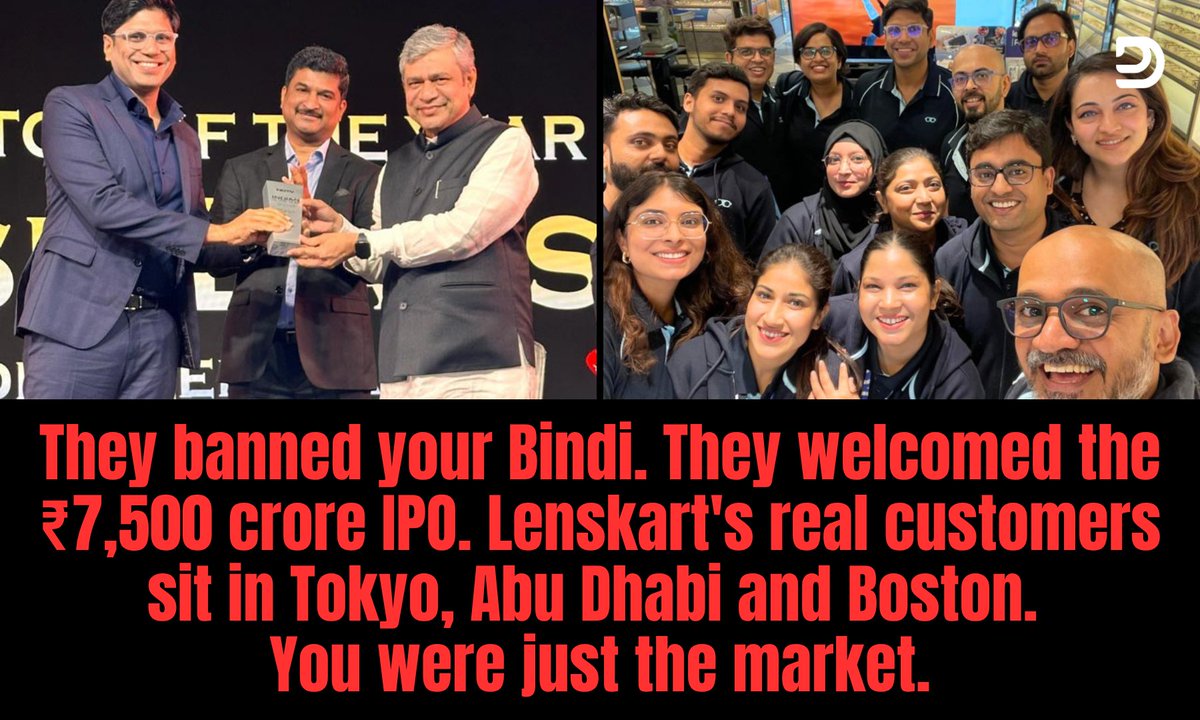
Lenskart cannot respect your bindi.
Not because they hate you.
Because they literally cannot afford to.
Let me show you exactly why.
Peyush Bansal tweeted:
"We are proudly built in Bharat, for Indians."
Beautiful line.
Terrible lie.
Start with the factory.
Lenskart's India plant opened in 2023.
Before that, China joint venture.
That JV still runs today.
Frames.
Raw materials.
Supply chain.
All from China.
Indian factory mostly assemble.
Now look at who owns this "Bharatiya" company.
Peyush Bansal: 10.28%
Neha Bansal: 7.74%
Amit Chaudhary: 0.98%
Sumeet Kapahi: 0.96%
All four founders combined: 20%.
The remaining 80%?
SoftBank: Japan.
Temasek: Singapore.
ADIA: Abu Dhabi.
KKR: New York.
Fidelity: Boston.
Now here is what nobody tells you.
Every foreign investor runs ESG compliance.
Before writing a cheque.
ESG = Environmental, Social, Governance.
A scoring system that has nothing to do with Environment.
Built in New York and Amsterdam.
It decides who gets capital.
Inside ESG lives another animal.
Called DEI.
Diversity. Equity. Inclusion.
DEI was designed in America.
Built on American horrors.
Black minorities.
Gender wars.
LGBTQ rights.
Never designed for India.
Does not understand India.
Here is what DEI scores as "positive":
Hijab at work = Positive signal.
Turban at work = Positive signal.
Here is what DEI marks as risk:
Bindi = Majority religion marker.
Tilak = Majority religion.
Kalawa = Majority religion.
In Western DEI logic,
The majority is the oppressor.
Majority does not need protection.
So when Lenskart's HR writes a grooming policy,
They are not writing for you.
They write for their colonial masters.
Because Lenskart is chasing a $10 billion IPO.
Does your bindi sit anywhere in that number?
Their first customer is not you.
Their first customer is SoftBank.
Their first customer is ADIA.
Their first customer is an ESG agency in Amsterdam.
You buy one pair of glasses.
They invest $500 million.
Do the math on who Lenskart listens to.
Now the government.
You think they don't know?
They know everything.
Every ministry understands how foreign capital
erases civilizational identity.
SEBI approved the DRHP.
Not one clause protecting Hindu identity.
Because the government also wants the IPO.
GST. Tax. Economic headline.
Your kalawa / kada is not in that equation.
This is not a Lenskart problem.
This is every unicorn in India.
Swiggy.
Zomato.
Ola.
Meesho.
Zepto.
Check their cap tables.
Check the ESG reports.
Check the grooming policies in their HR folders.
Every company 60-80% owned by foreign capital
is a branch office of Western values.
"Built in Bharat" is a tagline.
"For Indians" is a marketing campaign.
The policy document tells you who they serve.
Your Bindi.
Your Kalawa.
Your Kada.
Your 5,000 years.
Irrelevant to billionaires chasing an IPO.
But minority appeasement?
That scores points in Amsterdam.
And we call ourselves an Independent Nation.
#𝗧𝗵𝗿𝗲𝗮𝗱 : 𝗧��𝗲 𝗿𝗶𝗼𝘁𝘀 𝘁𝗵𝗮𝘁 𝗯𝗲𝗴𝗮𝗻 𝗼𝗻 𝗗𝗶𝗿𝗲𝗰𝘁 𝗔𝗰𝘁𝗶𝗼𝗻 𝗗𝗮𝘆 𝗹𝗮𝘀𝘁𝗲𝗱 𝗳𝗼𝗿 𝗳𝗼𝘂𝗿 𝗱𝗮𝘆𝘀, 𝗮𝗻𝗱 𝗮𝗽𝗽𝗿𝗼𝘅𝗶𝗺𝗮𝘁𝗲𝗹𝘆 𝘁𝗲𝗻 𝘁𝗵𝗼𝘂𝘀𝗮𝗻𝗱 𝗽𝗲𝗼𝗽𝗹𝗲 𝘄𝗲𝗿𝗲 𝗸𝗶𝗹𝗹𝗲𝗱.
Hindu women were hung naked in beef shops, female students were raped and then hung from windows: Hear the brutality from the elderly man who witnessed ‘Direct Action Day’
Muslim leaders declared August 16, 1946, as ‘Direct Action Day’ for the partition of India, when Muslim mobs unleashed brutal violence against Hindus. The impact was particularly severe in Bengal, where riots broke out in several areas. The Noakhali riots are among the most notorious, continuing for several months. Mahatma Gandhi had to camp in the area. An elderly man has shared his experiences of these riots.
Journalist Abhijit Majumdar shared a video of this on social media. Rabindranath Dutta, a survivor of ‘Direct Action Day’, witnessed the brutality of the Muslim mob firsthand. He is 92 years old, meaning he was a young man, around 24 years old, at the time. He described how the naked bodies of Hindu women were hung from hooks in the beef shops of Raja Bazaar.
He recounted how several Hindu female students studying at Victoria College were raped, murdered, and their bodies hung from the windows of the hostel. Rabindranath Dutta saw the mutilated bodies of Hindus with his own eyes. There were streams of blood on the ground, flowing even under his feet. Many of these were women whose breasts had been cut off. There were black marks on their private parts.
This was the epitome of cruelty. To share his experiences with the world, Rabindranath Dutta wrote a dozen books on ‘Direct Action Day’, the Noakhali massacre, and the 1971 genocide. He funded this by selling his wife's jewelry after her death. His eyewitness accounts, along with his extensive study and research, are included in these books. He says that no leader, film personality, or media figure in Bengal cares about this.
Women were raped, and people were forcibly converted. The story of Gopal Chandra Mukherjee, also known as Gopal Patha, and his role on the Hindu side during these riots is very well-known. Gopal Mukherjee formed a militia that defended Hindus during the riots, and this militia fought so fiercely that the leaders of the Muslim League had to request Gopal Mukherjee to stop the bloodshed.
His name was Manjunath Shanmugam.
He was an IIM Lucknow graduate.
He got a job with Indian Oil Corporation as a sales officer.
His territory was Uttar Pradesh.
He found that petrol pump dealers were adulterating fuel and cheating customers.
He reported it. He sealed the pumps.
On November 19 2005 a petrol pump owner shot him dead outside his office.
He was 27 years old.
The killers were convicted. Sentenced to life imprisonment.
His parents did not get compensation for 15 years.
His college created the Manjunath Shanmugam Trust in his name to fight corruption.
Some men die because they refused to look the other way.
India forgets them too quickly.
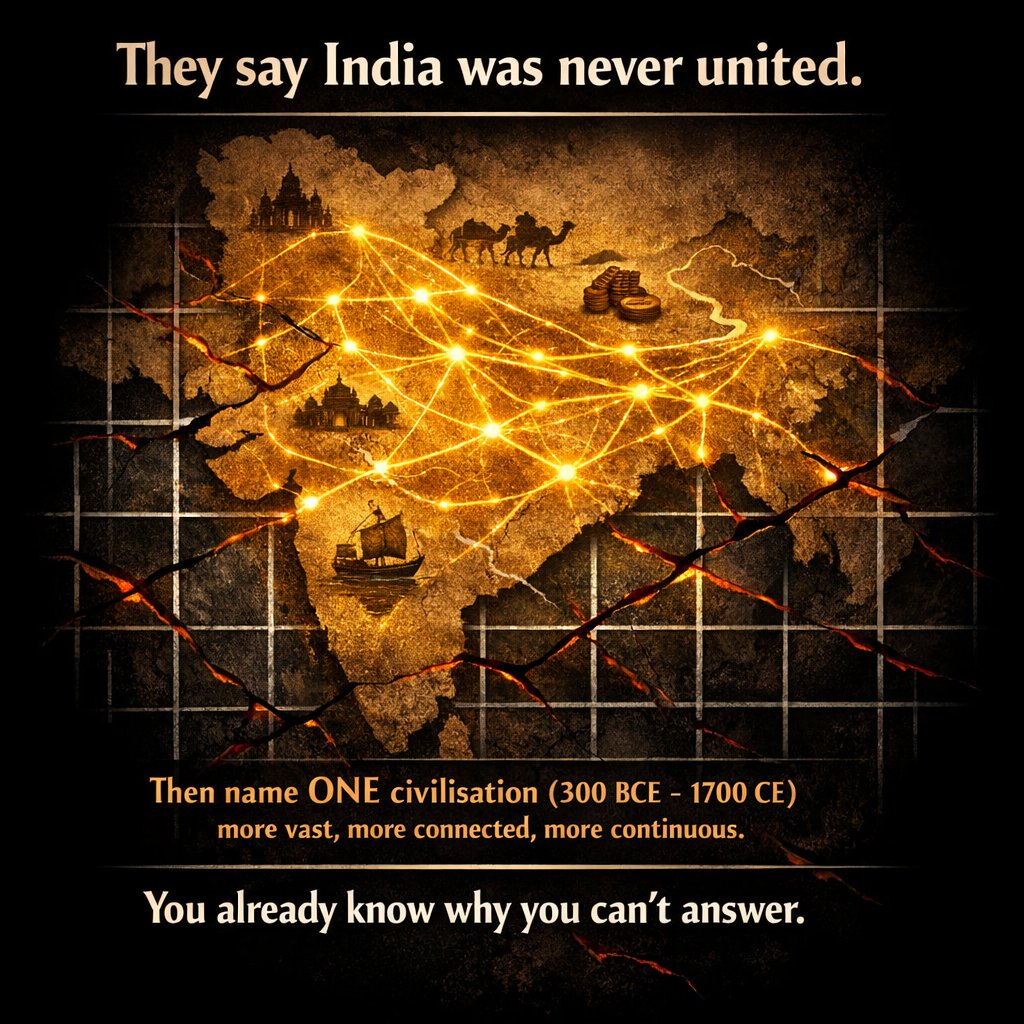
They say:
“India wasn’t a country. It was fragmented. The British united it.”
Pause.
Breathe.
Now ask the only question that matters.
Name one civilisation between 300 BCE and 1700 CE that was more geographically vast, economically integrated, and culturally continuous than India — without using 19th-century nation-state standards.
Silence usually follows.
Because here’s the inconvenient truth.
Pre-modern India wasn’t a modern nation-state.
Neither was France.
Neither was Germany.
Neither was Italy.
Neither was China for most of its history.
Fragmentation was the global norm.
Civilisational continuity was the exception.
India had shared sacred geographies.
Pilgrimage routes crossing kingdoms.
Epics known from Kabul to Kanchipuram.
Trade networks spanning oceans.
Legal, monetary, linguistic, and cosmological continuities that survived dynastic rise and collapse.
That’s not chaos.
That’s civilisation.
What the British did was not “unite” India.
They conquered existing polities.
Flattened organic networks into extractive grids.
Called administrative centralisation “unity.”
And sold plunder as a civilising act.
The myth persists because it performs a function.
If India was always broken, colonial rule becomes a rescue.
If India was always divided, looting becomes management.
History doesn’t support that claim.
Comparative history destroys it.
Next time someone thanks the British for “uniting” India, don’t argue.
Just ask the question.
They already lost when they can’t answer. 🧠🔥
#UncropTheTruth #Decolonisation
@TimesAlgebraIND Classic. The man stood in front of the tanker, certain that the driver will be tolerant and non- violent. So he confidentiality kept attacking from that position- until the driver decided he can't/shouldn't take it anymore and the tables turned.