As part of the 62nd Respiratory Care Journal Conference, Patient–Ventilator Interactions: Discordance, Asynchrony, and Pendelluf, Piraino follows with a review on the bedside assessment of respiratory drive in the mechanically ventilated patient.
https://t.co/3PlC7MzMlo
Huge applause for the South Korean scientists behind this breakthrough. 🫁 Using a patient’s own cells and a 3D printer once sounded like science fiction. Incredible work and an exciting glimpse into the future of medicine. ⚕️🩻🏥
@tsrc_org@TXState_RC@aarc_tweets@txsthealth
Learn how bedside ultrasound techniques may help guide deresuscitation in septic shock by identifying pulmonary and venous congestion in real time. 🔗Read more from the Ultrasound and Chest Imaging Section in CHEST Physician: https://t.co/9U62120yA0
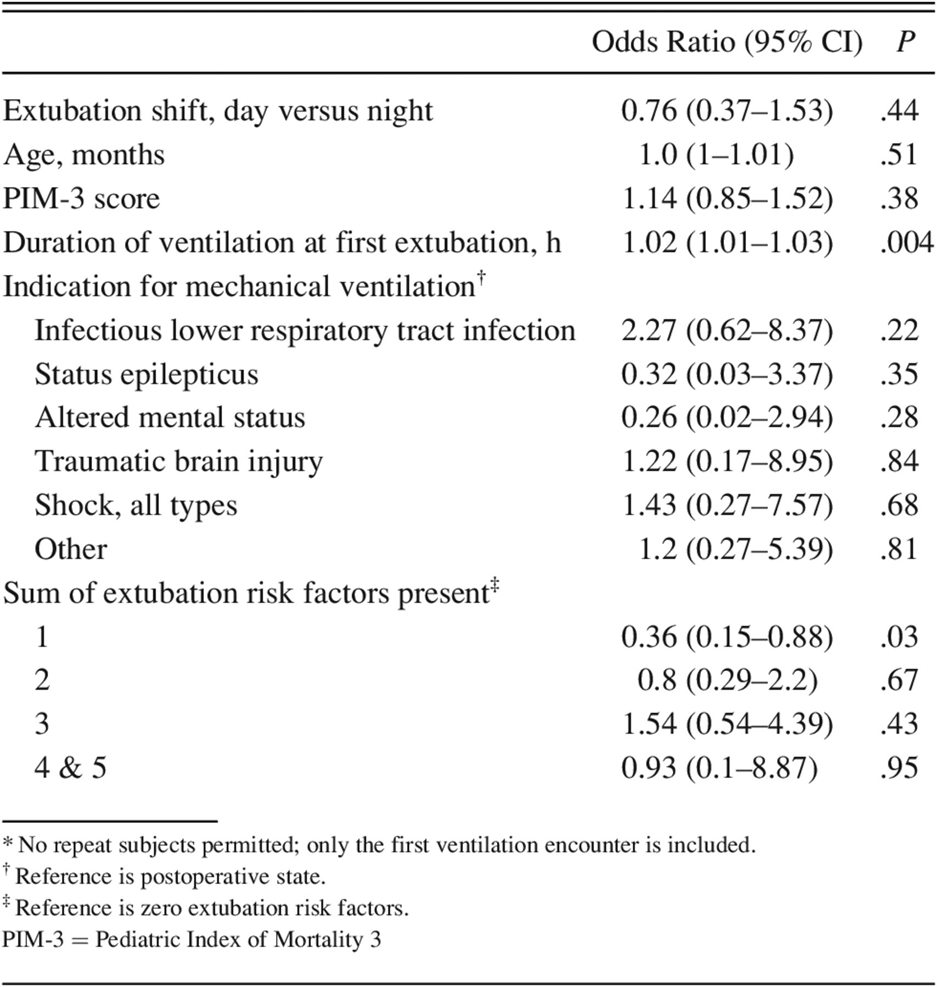
Throwback Thursday, Loberger et al published “Challenging Convention: Daytime Versus Nighttime Extubation in the Pediatric ICU” in the May 2021 issue of the journal.
https://t.co/zEXhakjJKo
Thinking about becoming a respiratory therapist? Here’s exactly how long it takes and what to expect at every step of the journey. https://t.co/mbBQuVUGzo
Throwback Thursday, Duggal et al published “Implementation of Protocolized Care in ARDS Improves Outcomes” in the April 2021 issue of the journal.
https://t.co/jsHS3jvRdb
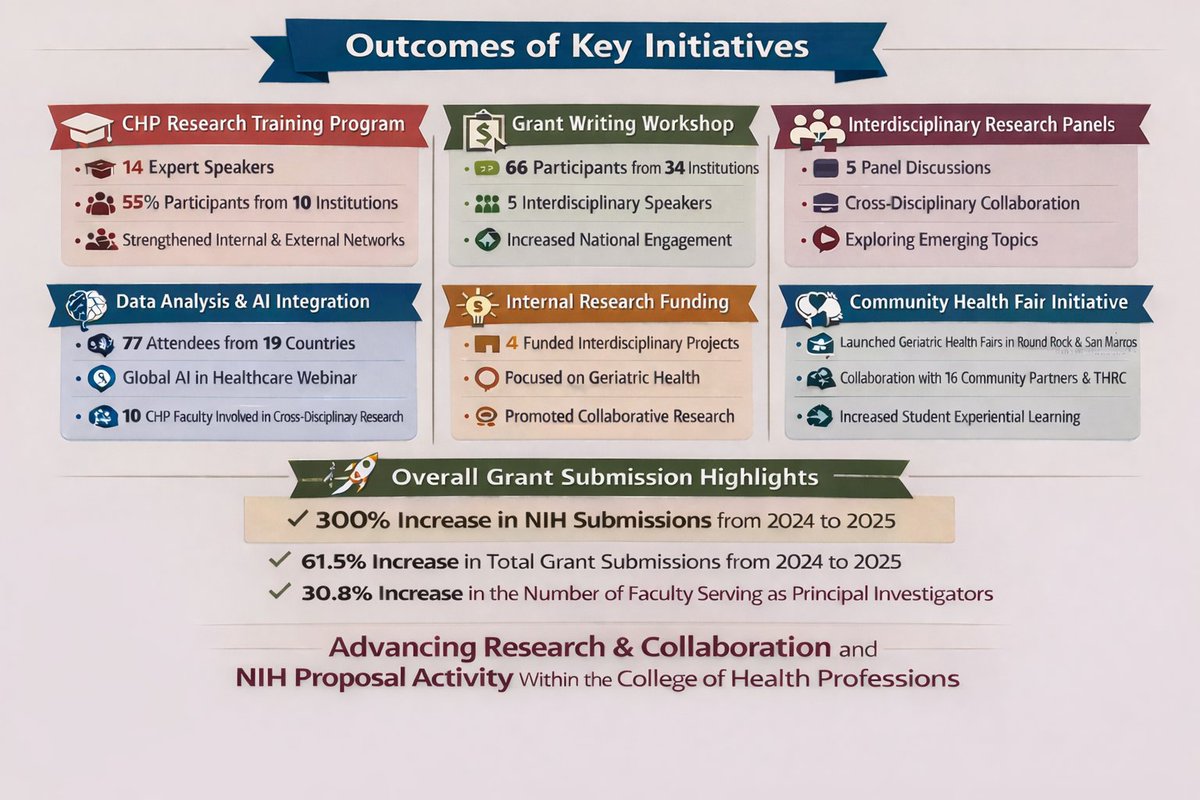
Reflecting on a productive 2025 in my role as a 50% Associate Dean for Research. Proud of the progress in faculty development, student success, research growth, and community partnerships—made possible by an incredible team. #txst#HigherEd#Research
Can short-term trajectories of neoepitopes after initiation of antifibrotic treatment predict therapy-related outcomes, including mortality, in patients with idiopathic pulmonary fibrosis (#IPF)?
Read the original research in the April issue of the journal CHEST®: https://t.co/ead2kUcxwT
#MedEd #JournalCHEST
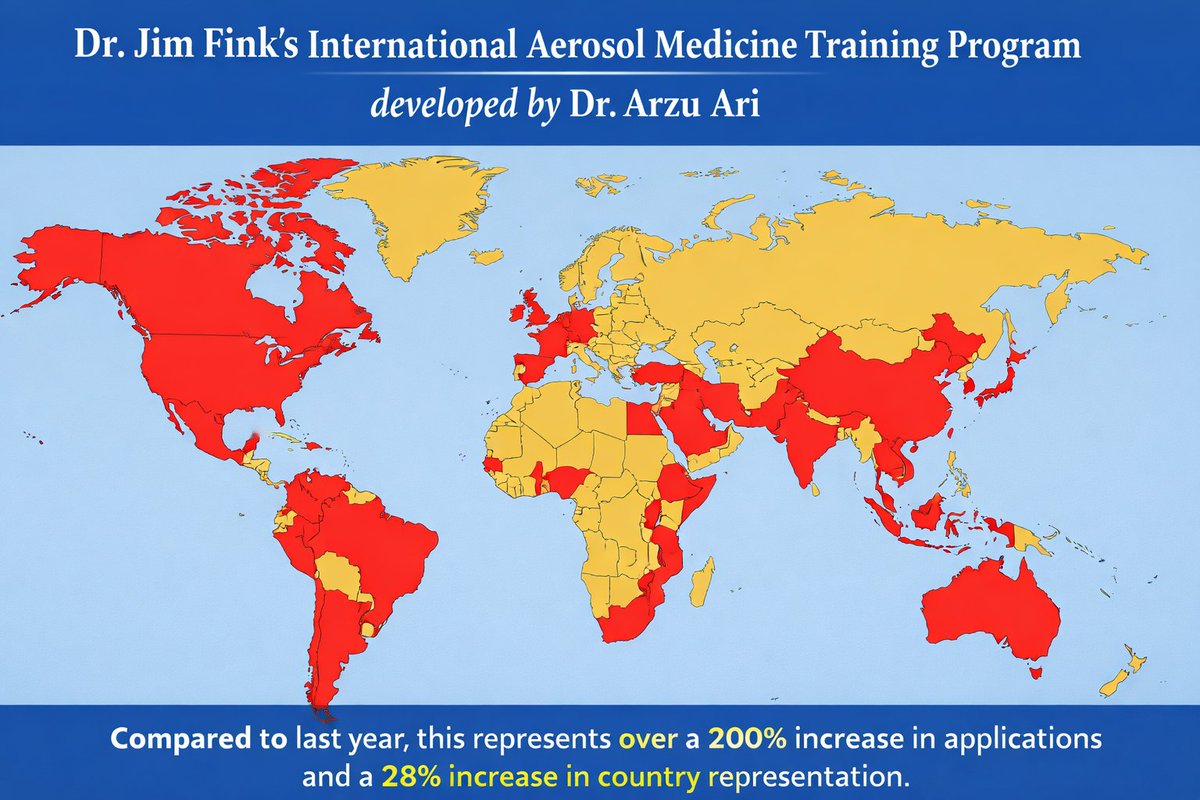
In just 5 days:
🌍 153 applications
🌎 32 countries
That’s a +200% increase in applications & 28% rise in country representation vs last year. Nearly all past participants applied again—sharing how impactful the program was. Reading their applications was incredibly moving #txst
Mitigating the risk of asthma emergencies during respiratory season is crucial. This APP Intersection column in the CHEST Physician® publication outlines how to partner with families and school personnel to keep children safe.
Read more: https://t.co/xv6rXcV1ss
#CHESTAPPs
Throwback Thursday, Kallet et al published “The Nature of Recruitment and De-Recruitment and Its Implications for Management of ARDS” in the March 2021 issue of the journal.
https://t.co/rfMqcfRVlP
The latest #journal_CHESTCritCare How I Do It highlights some common scenarios in critical care that are prone to influence by omission bias and describes a simple and easily implementable approach to mitigating omission bias by shifting the frame of reference around the status quo.
Read more in the March issue: https://t.co/pEu8DDQDA8
#MedEd #JournalCHEST #CriticalCare #CritCare #MedicalEducation
Holley and colleagues studied a large cohort of active-duty service members and investigated demographic and anthropometric contributors to impulse oscillometry (IOS) measurement variability and assessed the performance of existing reference equations.
https://t.co/AfPhjvDmhf
As part of our ongoing commitment to protecting the integrity of our credentialing process, we conduct random audits of candidates’ graduation information. Here’s how the process works: https://t.co/1pXcvV0OnI #RTs#ExcellenceDefinesUs
The complexity and duration of the surgery also play roles, as longer procedures may result in more tissue trauma and inflammation, potentially extending the healing timeline. https://t.co/EgEo9Fmswt
A CHEST How I Do It presents a case-based discussion of ILD-associated PH to address its challenges and provides a framework for the practical evidence-based approach to accurate diagnosis and management of these cases.
Read more: https://t.co/iVutAFL4eG
#MedEd#JournalCHEST