What if your budget did more than track spending?
A clear record of bills, savings, debt, and expenses supports better decisions and stronger proof when it matters.
#PersonalFinance#FinancialRecords#CreditReady
What if your budget followed the rhythm of your income, bills, and spending instead of forcing everything into a month?
Weekly budgeting makes the next financial decision clearer.
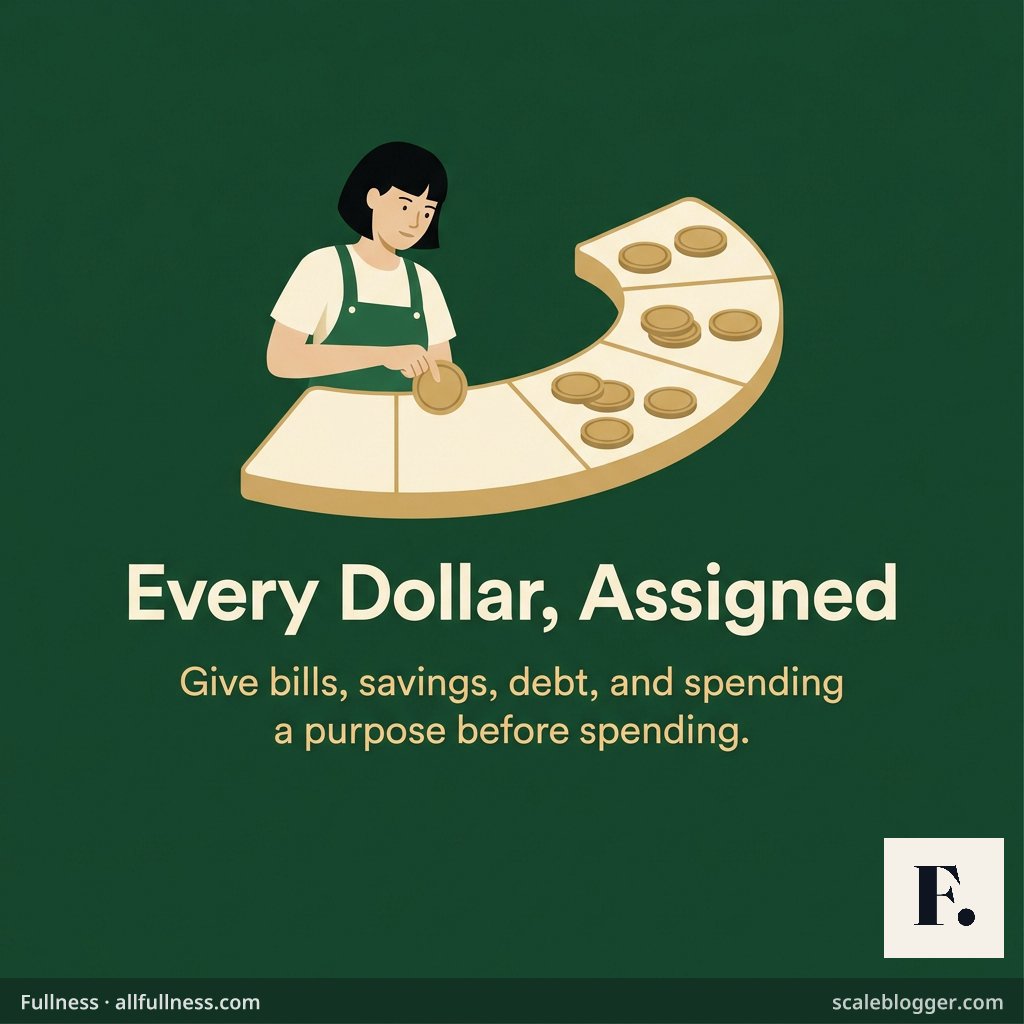
What if every dollar had a purpose before you spent it?
Zero-based budgeting gives bills, savings, debt, and everyday spending a place to go, so your money has less room to drift.
#ZeroBasedBudgeting#PersonalFinance
A budget works when it helps you make the next decision with the money actually available. Plan for bills, debt, savings, and irregular income in the same view.
#PersonalFinance#Budgeting
What if your budget stopped treating every month like it behaves the same? 🧵 A useful budget plans for bills, debt, savings, and the weeks when income changes.
5/ Review the budget when circumstances change: an uneven pay period, a new bill, or an unexpected cost. A budget should reflect real life, not punish you for it.
What if your budget could do more than track spending?
When bills, expenses, savings, debt, and proof-ready records live together, your finances become a record you can carry into the moments that require proof.
Fullness helps you build a credit identity you own.
What if your budget is not failing because of discipline, but because your money is scattered?
A clear financial picture starts by bringing the moving parts together.
The strongest savings plan is built before the month starts: account for what is coming in, cover what must go out, and set aside what matters first.
#PersonalFinance#Budgeting
5. Review the plan when income or expenses change.
A savings goal can stay intact even when the amount changes. Consistency matters more than forcing an unrealistic target.