Rewire Your Brain, Rewrite Your Pain: The New Science of Healing Chronic Conditions
- Chronic pain is generated and regulated by the brain, not exclusively by peripheral nerves or injured tissues.
- Pain acts as a protective signal from the brain, indicating perceived danger or threat to the body.
- The brain can misinterpret or persistently sense danger even after physical threats have resolved, leading to chronic pain or symptoms.
- Neuroplasticity allows the nervous system to learn pain symptoms and also to unlearn or rewire them, offering hope for recovery.
- Chronic pain can shift from brain areas related to physical sensation to those governing emotion, learning, and meaning-making, creating a self-sustaining pain loop.
- Fear of symptoms exacerbates the pain loop, but this can be broken through targeted interventions.
- This new understanding represents a **radical paradigm shift** in chronic pain treatment, challenging conventional methods.
Patient Testimonials
- Jenny: After 23 years of chronic pain, she transformed from barely walking three blocks to hiking 12 miles and engaging in various physical activities.
- Alec Hassen: Former semipro cyclist debilitated on painkillers, now completes 500-mile bike rides and runs daily.
- Another individual: Diagnosed with long COVID, unable to walk or talk, now able to run and dance.
- Individuals with wrist, knee, migraine, and other chronic pains also reported significant functional improvements, including running marathons and performing on Broadway pain-free.
Expert Commentary
Dr. Dario Zar: Neurologist, Yale University, Pain is a brain-generated protective response. Emphasizes the neuroplastic mechanism behind pain persistence.
Dr. Becca Kennedy: Former lead, Long COVID Clinic, Kaiser Permanente Northwest Highlights long COVID and multisystem chronic symptom improvements.
Dr. Yoni Ashar: Neuroscientist, University of Colorado, Explains brain region shifts in chronic pain from sensory to emotional/meaning-making centers identified via brain scans.
Dr. Matt McClanan: Pain treatment specialist, Over 80% success rate treating chronic pain patients with these new methods. Describes the approach as a revolutionary medical paradigm.
Scientific Findings & Research Studies
Boulder Back Pain Study | 75% of chronic back pain patients (avg. duration = 10 years) were virtually pain-free after 1 month of treatment.
Harvard (Mike Denino) | 66% of chronic low back pain patients achieved near-total pain relief within months.
UCLA Study | Nearly 66% of chronic musculoskeletal pain patients showed clinically significant improvement.
Northwestern University | Brain scans showed early pain processed in sensory regions; chronic pain patients had pain-related activity shift to emotional/learning brain centers, promoting chronicity.
Core Concepts
Pain Processing: The brain interprets signals from nerves but can generate pain in the absence of tissue damage.
-Neuroplastic Cough Example: A virus initially caused coughing as survival signalling; afterward, the brain mistakenly continued the signal despite no threat, illustrating persistent pain mechanisms.
- Fear-Pain Feedback Loop: Symptom onset → fear of symptoms → increased pain perception → reinforcing the loop.
- Rewiring the Brain: Chronic symptoms can be diminished or eliminated by retraining the brain, utilizing neuroplasticity.
Conditions Improved by New Methods
- Chronic pain (back, knee, wrist, sciatic, pelvic, bladder)
- Long COVID symptoms and fatigue
- Migraines
- Post concussive syndrome
- Fibromyalgia / CFS
- Digestive issues (IBS)
- Skin disorders
- Tremors and brain fog
- Plantar fasciitis
Conclusions
Chronic pain and related syndromes are fundamentally brain-generated, involving neuroplastic changes that sustain symptoms beyond initial injury.
- New therapeutic approaches targeting brain mechanisms, focused on retraining neural pathways, have shown remarkable success rates, sometimes exceeding 75%.
- This model represents a major shift away from traditional tissue-based treatments, holding promise for millions afflicted by chronic pain and complex chronic conditions.
- Experts advocate widespread awareness and adoption of these principles, calling it a future healthcare revolution akin to overturning outdated medieval practices.
Bold takeaway: Chronic pain and related disorders are not just physical ailments but deeply neurological phenomena that can be significantly reversed by targeting brain function and plasticity.
https://t.co/ReCQJ7rAqo
#LongCOVIDRecovery
#FibromyalgiaRecovery
#BackPainRelief
#MigraineRelief
#MindBodyMedicine
#NeuroPainScience
How a Mindfulness Practice Can Help with Long Covid Symptoms (Backed by Science)
Imagine your nervous system as a storm tossed sea waves of fatigue crashing, shortness of breath pulling you under, brain fog rolling in like thick mist. For many with Long COVID, this storm feels endless. 🥴
But what if there was a way to steady the ship, even while the waters are still moving? That’s where mindfulness and brain retraining, often practiced through meditation, steps in as a powerful ally.
In the Long COVID community, it’s not well recognized yet but the science is catching up in beautiful ways.
A compelling 2023 study by Dr. Michael Donnino and his team at Harvard tested something called Psychophysiologic Symptom Relief Therapy (PSRT) — a structured program that blends mindfulness training with education on how the brain and body interact under stress. The results were striking.
In just 13 weeks, participants saw their overall somatic symptoms drop dramatically 😲. An average reduction of 10.9 points on the Somatic Symptom Scale, with a median improvement of around 55%. Every single person in the study experienced relief!
Improvements began as early as week 4 and kept building. Shortness of breath eased by roughly 80%. Pain interference melted away by about 77%. Brain fog lifted for many by 67%. Fatigue improved by 44%. People also reported better physical function, calmer GI systems, and far less anxiety around their symptoms.
Here’s the beautiful truth: Mindfulness doesn’t magically erase Long COVID’s deeper complexities, it won’t reverse mitochondrial damage, connective tissue issues, or any lingering viral effects.
What it does is something equally profound: it teaches your brain and nervous system to stop amplifying the storm. By gently allowing repressed emotions to move, reducing fear around symptoms, and rebuilding trust in your body’s signals, mindfulness lowers the volume on chronic stress responses.
It creates space to breathe easier, think clearer, and move through your days with more grace and less resistance. This isn’t about positive thinking or pretending you’re not struggling. It’s about working with your body’s natural healing intelligence instead of against it.
It’s nervous system regulation in action, turning down the fight-or-flight dial so your system can finally rest and repair.
If you’re navigating Long COVID, know this: your symptoms are real, and relief is possible. Mindfulness and related mind-body approaches aren’t a cure-all, but they can become a quiet revolution in how you feel and function every single day. Your nervous system is listening.
Give it permission to settle.
The waters may still move, but you can learn to sail through them with far more ease. 🌊
Get help here: https://t.co/ReCQJ7rAqo
https://t.co/HYe8ACep0a
#LongCOVID #Mindfulness #NervousSystemHealing #PSRT #ChronicIllnessSuppo
How a Mindfulness Practice Can Help with Long Covid Symptoms (Backed by Science)
Imagine your nervous system as a storm tossed sea waves of fatigue crashing, shortness of breath pulling you under, brain fog rolling in like thick mist. For many with Long COVID, this storm feels endless. 🥴
But what if there was a way to steady the ship, even while the waters are still moving? That’s where mindfulness and brain retraining, often practiced through meditation, steps in as a powerful ally.
In the Long COVID community, it’s not well recognized yet but the science is catching up in beautiful ways.
A compelling 2023 study by Dr. Michael Donnino and his team at Harvard tested something called Psychophysiologic Symptom Relief Therapy (PSRT) — a structured program that blends mindfulness training with education on how the brain and body interact under stress. The results were striking.
In just 13 weeks, participants saw their overall somatic symptoms drop dramatically 😲. An average reduction of 10.9 points on the Somatic Symptom Scale, with a median improvement of around 55%. Every single person in the study experienced relief!
Improvements began as early as week 4 and kept building. Shortness of breath eased by roughly 80%. Pain interference melted away by about 77%. Brain fog lifted for many by 67%. Fatigue improved by 44%. People also reported better physical function, calmer GI systems, and far less anxiety around their symptoms.
Here’s the beautiful truth: Mindfulness doesn’t magically erase Long COVID’s deeper complexities, it won’t reverse mitochondrial damage, connective tissue issues, or any lingering viral effects.
What it does is something equally profound: it teaches your brain and nervous system to stop amplifying the storm. By gently allowing repressed emotions to move, reducing fear around symptoms, and rebuilding trust in your body’s signals, mindfulness lowers the volume on chronic stress responses.
It creates space to breathe easier, think clearer, and move through your days with more grace and less resistance. This isn’t about positive thinking or pretending you’re not struggling. It’s about working with your body’s natural healing intelligence instead of against it.
It’s nervous system regulation in action, turning down the fight-or-flight dial so your system can finally rest and repair.
If you’re navigating Long COVID, know this: your symptoms are real, and relief is possible. Mindfulness and related mind-body approaches aren’t a cure-all, but they can become a quiet revolution in how you feel and function every single day. Your nervous system is listening.
Give it permission to settle.
The waters may still move, but you can learn to sail through them with far more ease. 🌊
Get help here: https://t.co/ReCQJ7rAqo
https://t.co/HYe8ACep0a
#LongCOVID #Mindfulness #NervousSystemHealing #PSRT #ChronicIllnessSuppo
Did you Know That Meditation Soothes Chronic Pain?
A 2017 systematic review and meta-analysis (Hilton et al.) of mindfulness meditation for chronic pain found it significantly improved pain symptoms, physical health-related quality of life, and mental health-related quality of life compared to controls.
#NervousSystemHealing #LetItMove #EmotionalRelease #Mindfulness #HolisticHealth
https://t.co/z8b1rivwbP
Did You Know That Emotions Don’t Expire?
NO, they will never work themselves out.!
Every unprocessed emotion becomes a line of credit that your nervous system is silently paying interest on.
The anger you swallowed to keep the peace. The grief you buried behind a brave face. The fear you froze so you could survive. Those moments didn’t disappear, they became invisible tabs on your nervous system, quietly collecting interest for years.
You can’t relax because you’re still paying childhood emotional debt. That tightness in your chest when the room gets quiet? That restless hum that won’t let you rest? It’s not laziness or “just how you are.” It’s the unpaid balance from childhood emotions you were never allowed to finish feeling.
Your constant busyness, sharp impatience, and inability to slow down? They’re just automatic payments so the old pain never comes fully due.
But here’s the liberating truth: this debt can be settled. Your body is wired to complete what was left unfinished. When you turn toward those stored emotions with courage and presence, the interest stops compounding. The weight lifts. The peace you’ve been chasing finally arrives, not through more doing, but through honest feeling.
You were never broken. You were simply carrying more than a child should. Now you get to put the ledger down. Allow. Feel. Complete. and set yourself free!
The joyful child you once were is waiting for you on the other side of that old debt.
Reclaim your authentic self now!
https://t.co/MxSB5dLFKd
#NervousSystemHealing #ChildhoodTrauma #InnerChildHealing #EmotionalDebt #TraumaRecovery #SomaticHealing #HealingJourney #NervousSystemRegulation #InnerChildWork #FeelToHeal #Reparenting #EmotionalRelease #SelfHealing
Another powerful reason to regulate your nervous system with the Allowing Meditation:
When you allow repressed emotions to fully move through and complete, you reduce chronic stress, restore balance, and dramatically improve your overall health.
This is real, practical nervous system work.
Reclaim your authentic self!
#NervousSystemRegulation #EmotionalHealth #MentalWellness #StressRelief
Your organs aren't just following orders from the brain.
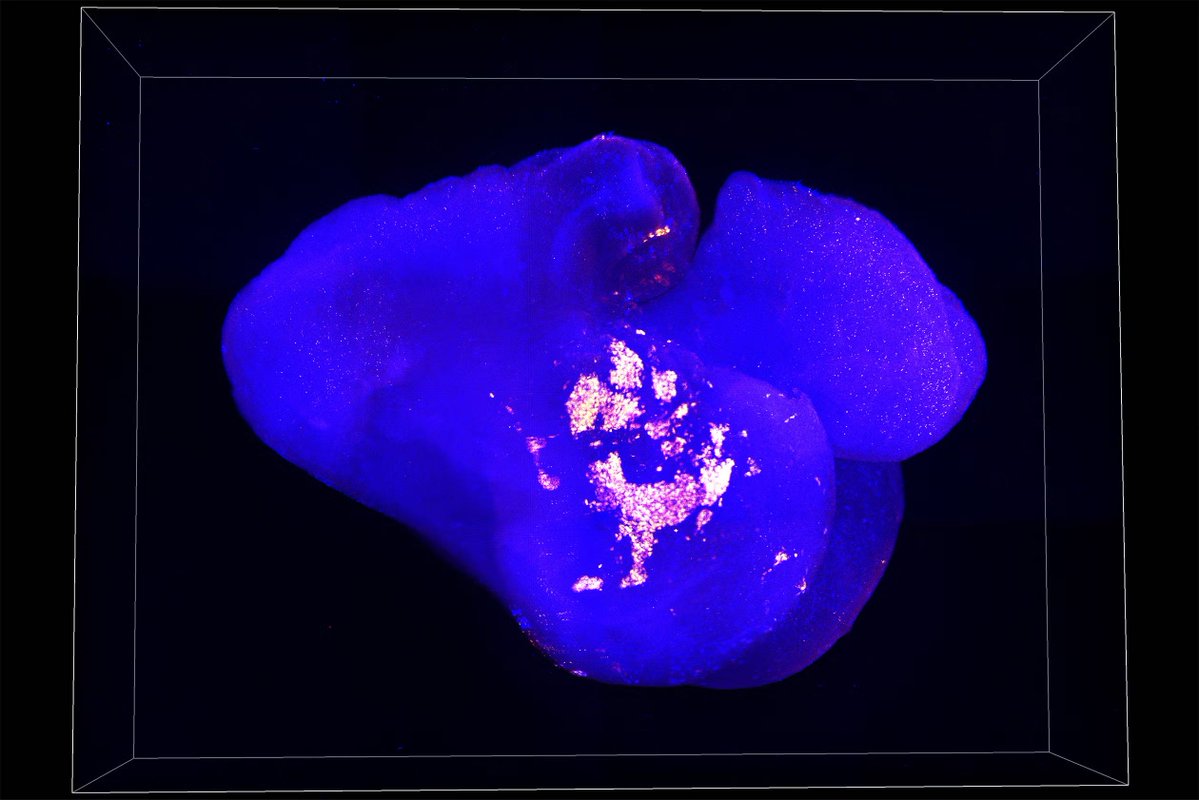
A new Yale study finds that organs like the heart, lungs, and intestines build and shape their own nervous systems, then communicate back to the brain in a two-way conversation. One of the most striking findings is that heart tissue can reprogram neurons from the gut to start behaving like heart neurons.
Researchers say the discovery could eventually open new paths for treating conditions like Parkinson's disease and other organ-based illnesses. See what else researchers found: https://t.co/82WnnIPmra
How Allowing works
Chronic mind-body symptoms (anxiety, fatigue, pain, nervous system dysregulation, gut issues etc.) arise from internal rejection.
A divided self where the conscious mind/ego pushes away "unacceptable" parts (emotions like anger/grief, vulnerability, instincts, needs, or shadow aspects from childhood).
Self-rejection creates the war → The body mirrors this conflict through symptoms (constriction, bracing, exhaustion, hypervigilance, etc.). The organism is in an "inner civil war."
Allowing ends the war → Healing is not about fixing, retraining, affirmations, or forcing positivity. It is the willingness to stop rejecting and instead include those exiled parts.
In this video you will learn:
° Internal rejection... It is the moment consciousness stops saying "this part of me is unacceptable".
° We can only train the ego to allow the body to naturally unfold
° Symptoms are "expressions of the rejected self" the body carries what consciousness refuses to allow.
° Allowing ends interference. Compassionate, non-judgmental observation from the deeper Self (the aware witness) lets repressed energy complete its cycle.
° What "Allowing" Practically Means Here
Presence without resistance: You observe sensations, emotions, or symptoms as they arise, without trying to change, suppress, analyze, or escape them.
Compassionate inclusion:
Welcoming the unacceptable parts back instead of abandoning them. It's like saying internally, "I see you. You're allowed to be here now."
Non-interference: Stop the ego's managerial control ("this shouldn't be happening") so the nervous system can restore coherence on its own.
This shifts the body from defense/survival mode (old childhood maps) to safety and wholeness.
Why It's the Key to Feeling Safe in Your Body
As long as you're (unconsciously) at war with parts of yourself, the body stays in a state of "unsafe", holding tension and symptoms as protection.
Allowing signals: "It's safe to feel this now." Repressed energy can then move through, integrate, and release. Symptoms often become guides pointing to what needs inclusion.
This aligns with Jung (wholeness/individuation), shadow work, and somatic approaches. Sam emphasizes it's simpler and deeper than most "nervous system regulation" techniques, which can still involve subtle rejection/fixing.
In short:
The video's entire message is that feeling unsafe in your body stems from self-division, and allowing is the reunification that restores safety and natural healing. It's the opposite of the rejection that created the problem in the first place.
https://t.co/3S4ZomOafn
About 50 million Americans live with chronic tinnitus.
Most have been told there is no cure and nothing can be done.
The newest research disagrees on both counts.
How Allowing works
Chronic mind-body symptoms (anxiety, fatigue, pain, nervous system dysregulation, gut issues etc.) arise from internal rejection.
A divided self where the conscious mind/ego pushes away "unacceptable" parts (emotions like anger/grief, vulnerability, instincts, needs, or shadow aspects from childhood).
Self-rejection creates the war → The body mirrors this conflict through symptoms (constriction, bracing, exhaustion, hypervigilance, etc.). The organism is in an "inner civil war."
Allowing ends the war → Healing is not about fixing, retraining, affirmations, or forcing positivity. It is the willingness to stop rejecting and instead include those exiled parts.
In this video you will learn:
° Internal rejection... It is the moment consciousness stops saying "this part of me is unacceptable".
° We can only train the ego to allow the body to naturally unfold
° Symptoms are "expressions of the rejected self" the body carries what consciousness refuses to allow.
° Allowing ends interference. Compassionate, non-judgmental observation from the deeper Self (the aware witness) lets repressed energy complete its cycle.
° What "Allowing" Practically Means Here
Presence without resistance: You observe sensations, emotions, or symptoms as they arise, without trying to change, suppress, analyze, or escape them.
Compassionate inclusion:
Welcoming the unacceptable parts back instead of abandoning them. It's like saying internally, "I see you. You're allowed to be here now."
Non-interference: Stop the ego's managerial control ("this shouldn't be happening") so the nervous system can restore coherence on its own.
This shifts the body from defense/survival mode (old childhood maps) to safety and wholeness.
Why It's the Key to Feeling Safe in Your Body
As long as you're (unconsciously) at war with parts of yourself, the body stays in a state of "unsafe", holding tension and symptoms as protection.
Allowing signals: "It's safe to feel this now." Repressed energy can then move through, integrate, and release. Symptoms often become guides pointing to what needs inclusion.
This aligns with Jung (wholeness/individuation), shadow work, and somatic approaches. Sam emphasizes it's simpler and deeper than most "nervous system regulation" techniques, which can still involve subtle rejection/fixing.
In short:
The video's entire message is that feeling unsafe in your body stems from self-division, and allowing is the reunification that restores safety and natural healing. It's the opposite of the rejection that created the problem in the first place.
https://t.co/3S4ZomOafn
@4HLDisciple@Zenfrog4 It's not about discovering why you do something, it's about allowing the repressed emotional cycle to complete. Once you allow it, you are free!
What Is Allowing? 🦋
In this powerful short video, Sam Miller explains the forgotten art of true healing: Allowing.
Healing doesn’t come from more effort, control, or fixing symptoms. It happens when we stop resisting and give sensations, emotions, thoughts, and pain full permission to be here—without pushing them away.
Symptoms are often unfinished survival/emotional cycles stored in the body. When we allow them with conscious presence (not passive thinking), the nervous system completes these cycles, fear quiets, trust returns, and the body naturally self-regulates.
It’s the ultimate surrender: stop fighting yourself and let life move through you again.
https://t.co/3S4ZomOafn
#MindBodyHealing #Allowing #ChronicSymptoms #NervousSystem #Presence
🦋 Connection to Source isn’t found by escaping the body, it awakens the moment we fully arrive in it. Being present with every sensation, emotion, and pain is the deepest unconditional love we can give ourselves. In this gentle allowing, we heal, remember who we are, and feel source flowing through us.
@Zenfrog4 You got it! The Allowing meditation clears trauma and emotions that have not been able to finish their cycle. Here's more in case you are ready to walk the path: https://t.co/wqxv4f91Et
How Allowing works
Chronic mind-body symptoms (anxiety, fatigue, pain, nervous system dysregulation, gut issues etc.) arise from internal rejection.
A divided self where the conscious mind/ego pushes away "unacceptable" parts (emotions like anger/grief, vulnerability, instincts, needs, or shadow aspects from childhood).
Self-rejection creates the war → The body mirrors this conflict through symptoms (constriction, bracing, exhaustion, hypervigilance, etc.). The organism is in an "inner civil war."
Allowing ends the war → Healing is not about fixing, retraining, affirmations, or forcing positivity. It is the willingness to stop rejecting and instead include those exiled parts.
In this video you will learn:
° Internal rejection... It is the moment consciousness stops saying "this part of me is unacceptable".
° We can only train the ego to allow the body to naturally unfold
° Symptoms are "expressions of the rejected self" the body carries what consciousness refuses to allow.
° Allowing ends interference. Compassionate, non-judgmental observation from the deeper Self (the aware witness) lets repressed energy complete its cycle.
° What "Allowing" Practically Means Here
Presence without resistance: You observe sensations, emotions, or symptoms as they arise, without trying to change, suppress, analyze, or escape them.
Compassionate inclusion:
Welcoming the unacceptable parts back instead of abandoning them. It's like saying internally, "I see you. You're allowed to be here now."
Non-interference: Stop the ego's managerial control ("this shouldn't be happening") so the nervous system can restore coherence on its own.
This shifts the body from defense/survival mode (old childhood maps) to safety and wholeness.
Why It's the Key to Feeling Safe in Your Body
As long as you're (unconsciously) at war with parts of yourself, the body stays in a state of "unsafe", holding tension and symptoms as protection.
Allowing signals: "It's safe to feel this now." Repressed energy can then move through, integrate, and release. Symptoms often become guides pointing to what needs inclusion.
This aligns with Jung (wholeness/individuation), shadow work, and somatic approaches. Sam emphasizes it's simpler and deeper than most "nervous system regulation" techniques, which can still involve subtle rejection/fixing.
In short:
The video's entire message is that feeling unsafe in your body stems from self-division, and allowing is the reunification that restores safety and natural healing. It's the opposite of the rejection that created the problem in the first place.
https://t.co/3S4ZomOafn
25 Minute Guided Allowing Meditation for Pain Relief
Helpful for people dealing with chronic pain, floxed, fibromyalgia, tension, anxiety-related symptoms, or mind-body conditions. It’s designed for those who want lasting relief by addressing the emotional/nervous system component rather than just temporary relaxation.
If you're dealing with neuropathy, tendon pain, or anxiety from floxing, this style of "allowing" meditation could be a valuable tool. Especially the emphasis on nervous system safety, allowing sensations, and reducing the amplification of pain through resistance and stress.
The meditation is not about forcing relaxation, calming down, or escaping discomfort. Instead, its main goal is to practice allowing whatever is present. Like sensations, emotions, thoughts, exactly as they are.
Jonty explains that chronic symptoms (like pain) often arise as a protective mechanism when emotions or sensations have been suppressed or avoided over time. By repeatedly sitting with discomfort, fear, anxiety, restlessness, tightness, or even numbness without trying to change or fix it, you teach your nervous system that it's safe to feel. Over time, this can reduce the body's need to create pain as protection.
The main practice involves a body scan from the base of the spine upward: Pelvis / base of spine / glutes
Belly & lower back, chest, mid & upper back, throat & neck. For each area, you’re guided to bring your attention there repeatedly, notice what arises (tension, emotion, numbness, distraction, anxiety, etc.), and allow it fully without resistance. Every time your mind wanders (which is expected and normal), you gently return to the body area.
Allow exactly what’s arising to be here exactly as it is, nothing needs to change, we’re teaching the mind and body that this state is safe.”
https://t.co/NQIoLwDEuW
#ChronicPain #PainRelief #GuidedMeditation #MeditationForPain #MindfulnessMeditation #ChronicPainRelief #MindBodyHealing #NervousSystemHealing
How a Mindfulness Practice like Allowing Can Help with Floxed Symptoms.
Imagine your body as a once trusted ship suddenly caught in a rogue storm. Tendons fraying like weakened ropes, nerves firing like lightning across a dark sea, your mind lost in fog while waves of anxiety and exhaustion crash without mercy.
That’s the reality for so many who’ve been floxed!
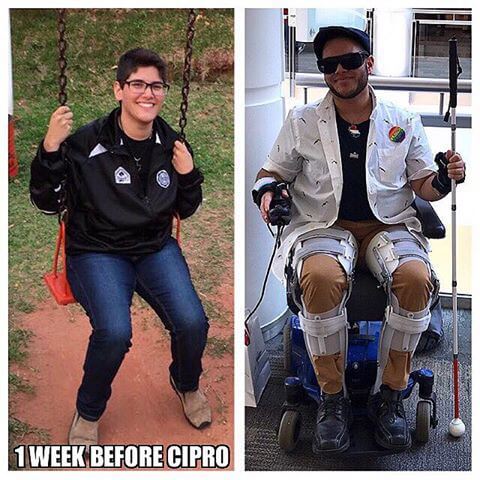
Fluoroquinolone Cipro (ciprofloxacin) toxicity doesn’t just damage tissue and mitochondria; it hijacks your entire nervous system, leaving neuropathy burning, joints screaming, brain fog thick as ocean mist, and nights stolen by racing thoughts and relentless insomnia. The stress that follows? It amplifies everything, cortisol surging, oxidative stress rising like a second storm, turning the slow, non-linear path of healing into an even harder voyage.
Yet in the heart of this chaos, there is a quiet, powerful anchor: mindfulness.
Often practiced through meditation, it’s not some fleeting wellness trend. It’s a battle-tested lifeline embraced by countless people in the floxed community and backed by solid research on chronic pain, neuropathy, anxiety, and stress.
Mindfulness won’t magically reverse the underlying damage, those mitochondrial hits or connective tissue challenges still need time, rest, and wise support, but it can transform how you navigate the storm, turning survival into something that feels like living again.
Picture this: severe anxiety gripping you because GABA receptors have been thrown into disarray.
Mindfulness steps in like a steady hand on the wheel. Through simple breath awareness or guided practice, it calms the nervous system, lowers those raging stress hormones, and slowly hands you back a sense of control. One floxie shared how it melted away crushing anxiety, lifted the fog on concentration, and reconnected them to emotions that had gone numb; like sunlight breaking through after weeks at sea.
You begin to feel less like a passenger in your own body and more like the captain once again.
When chronic pain becomes your constant companion, tendons, joints, muscles all crying out, mindfulness doesn’t erase the fire, but it changes the way your brain hears it. It quiets the catastrophizing voice that turns discomfort into terror.
Studies on neuropathic and chronic pain reveal that consistent practice (often within 1 to 1.5 months) reduces not just intensity but the unpleasantness and life-interference of pain.
It lights up the brain’s natural pain-modulation centres, teaching you to observe sensations with compassionate curiosity instead of fear or anger. The pain may still be there, but it no longer owns the ship. Even sleep and crushing fatigue start to shift. Racing thoughts that fuel the pain-stress-insomnia loop lose their grip as you practice allowing.
Gentle body scans or short breathing exercises become your evening harbor, promoting deep rest that your exhausted system desperately needs. Most beautifully, mindfulness nurtures the recovery mindset itself.
In a healing journey that tests every ounce of patience, it invites you to root in the present moment, celebrate tiny victories, and offer yourself the self-compassion you’d give a dear friend weathering the same storm.
Some integrative approaches for floxing now weave meditation right alongside stress reduction because they understand: lower stress may even support mitochondrial resilience and dial down oxidative amplification. It’s supportive relief, measurable, and profoundly human.
If you’re floxed right now, know this: your mind is not your enemy. It can become your strongest ally. Start small, five minutes lying down with a guided allowing meditation (look on youtube), bringing your focus to the body parts that call on your attention.
Consistency, not perfection, is what charts the course. You are not just enduring this. With mindfulness as your compass, you’re actively steering toward calmer waters, one mindful breath at a time.
The sea may still be wide, but you are no longer lost. Healing is happening, within and around you. You’ve got this. 🌊📷Share this if it speaks to you, and tag a fellow floxie who needs to hear it today.
#Floxed #Floxies #FluoroquinoloneToxicity #FQAD #Mindfulness #ChronicPainRelief #MeditationHeals #NeuropathySupport #HealingJourney #MindBodyHealing
Fluoroquinolones (eg., ciprofloxacin) are bio-weapons hidden in disguise as antibiotics.
They act to kill bacterial cells, but that's the trojan horse, the main target is your mitochondria.
They are mitochondrial toxins, by disrupting enzymes related to mtDNA replication (topoisomerase IV + DNA gyrase), which leads to heavily mutated mtDNA where your mitochondria don't work well anymore.
They are lipophilic, so they enter your cells and pass through your blood-brain-barrier with ease.
Oh, and of course they happen to have potential NMDA receptor agonism as a "off-target" effect.
If that's not enough, they also have antagonistic effects at inhibitory GABA-A receptors.
They contain fluoride which inhibits ATP production and induces mitochondrial dysfunction, whilst disrupting thyroid hormone production.
They bind important minerals like magnesium and copper.
Because of all this, they have the potential to induce encephalopathy, peripheral neuropathy, seizures, myasthenia gravis, and even psychosis or delirium in certain studies. Your brain contain some of the highest mitochondrial density out of all the organs in your body, second to the heart.
And of course the heart is another target. Beyond mitochondrial dysfunction, within the cardiovascular system, fluoroquinolones happen to block voltage-gated potassium channels which causes heart arrhythmias, and potentially worse.
It seems that have this potassium channel blocking effect in other cells like pancreatic beta cells to induce hypoglycemia in rare cases. I wouldn't be surprised if this also occurs in the nervous system to further induce excitotoxicity.
They also upregulate MMP enzymes which destroy your #1 semiconductor, being collagen — leading to disorganized networks that can't leverage their piezo-, flexo-, and pyro-electric properties, alongside shuttling energy/information in the form of electricity. This is also why tendinitis tends to show up quite commonly in those who are "floxxed"
Gut infections, blue light/nnEMFs, and environmental toxins make the gut lining and blood-brain-barrier leaky; this further induces chronic inflammation, mitochondrial dysfunction, neurotransmitter dysregulation, and more. They all synergize together perfectly.
The worst part? Antibiotics like fluoroquinolones don't penetrate biofilms, and most individuals with chronic gut issues tend to have robust biofilms.
What negatively occurs here is 3-fold:
1/ you don't kill off the infection in the first place
2/ you further destroy your potentially beneficial flora that's not embedded in biofilms
3/ you take more rounds of antibiotics to deal with the infection, and this further reinforces the same cycle
...all the while you continue to destroy your mitochondria.
The mirror shows a face marked by time, but the one looking back has not aged a day. That awareness was present when you were five, and it is still here now. The body collects years like dust, but the observer collects nothing. You have always been here. You will always be here...