¿Qué pasó en Nepal?
Se desprendió un glaciar que generó un temblor de magnitud 5.2 y terminó en una avalancha de agua que nadie vio venir (aunque aún se investiga). Un sismo sacudió la frontera entre Nepal y el Tíbet.
Se presume que un bloque enorme de hielo de unos 600 metros de ancho, se desprendió de un glaciar a más de 5.200 metros de altura. El bloque cayó casi un kilómetro en vertical, se estrelló contra el fondo del valle y se pulverizó. Fue tan fuerte el desprendimiento que se generó un sismo. En segundos, hielo, roca y agua se convirtieron en una masa letal que bajó por el cauce del río Lhende Khola.
Esa masa tapó el río. El agua se acumuló detrás del bloqueo, y cuando cedió, se liberó de golpe. Una pared de lodo, escombros y agua se lanzó valle abajo arrasando todo a su paso: pueblos, puentes, carreteras, centrales hidroeléctricas y todo lo que encontró en el camino. En cuestión de minutos, aldeas del distrito de Rasuwa (Nepal) y el puesto fronterizo de Gyirong (Tíbet) quedaron sepultados.
No había llovido fuerte en Nepal. Nadie esperaba una inundación así. El saldo hasta ahora: al menos 95 muertos confirmados en Nepal, cientos de desaparecidos (muchos de ellos turistas y peregrinos que iban al Monte Kailash) y también víctimas del lado chino.
Las imágenes son brutales: un río marrón que se traga casas enteras en segundos. Las autoridades advierten que todavía puede haber otra crecida, porque parte del material sigue bloqueando aguas arriba. 👇
Corrupción y democracia
Este texto breve de @DeliaFerreira argumenta que de no frenarse la corrupción se puede terminar con "auténticas mafiocracias, donde el Estado está gobernado o controlado por grupos criminales.”
Descarga libre: https://t.co/5VWFf4Nkq3
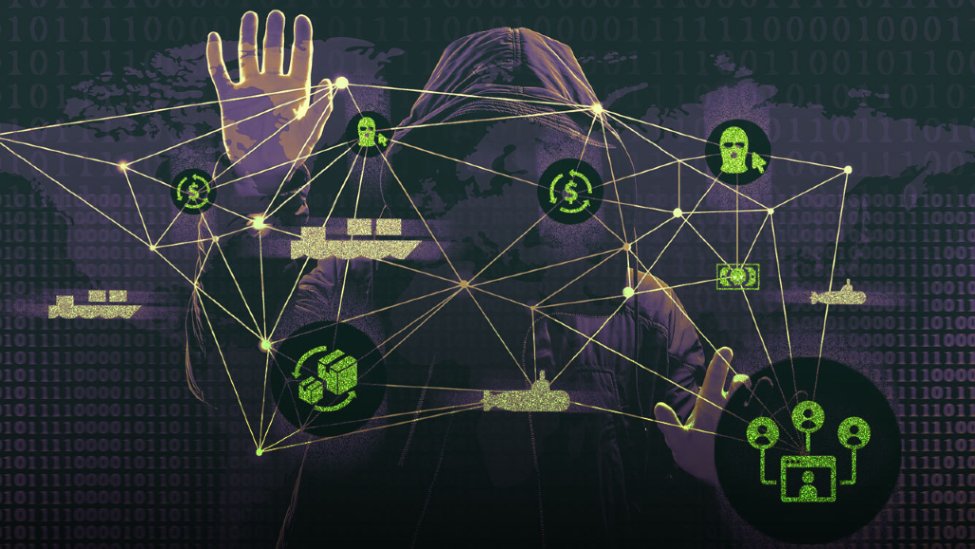
🇲🇽 🇺🇸 | A criminal cell in Kansas allegedly connected to the Sinaloa Cartel has been taken apart by a government operation. What is the relationship between these local networks and larger foreign criminal organizations? Read our analysis: https://t.co/k9NvtQojQm
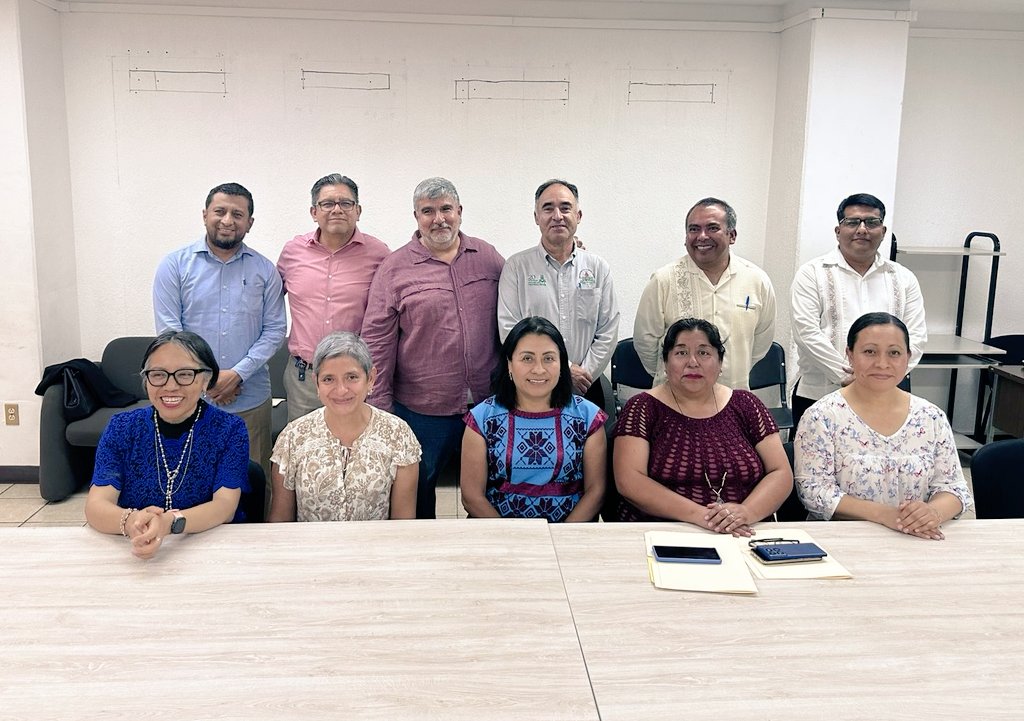
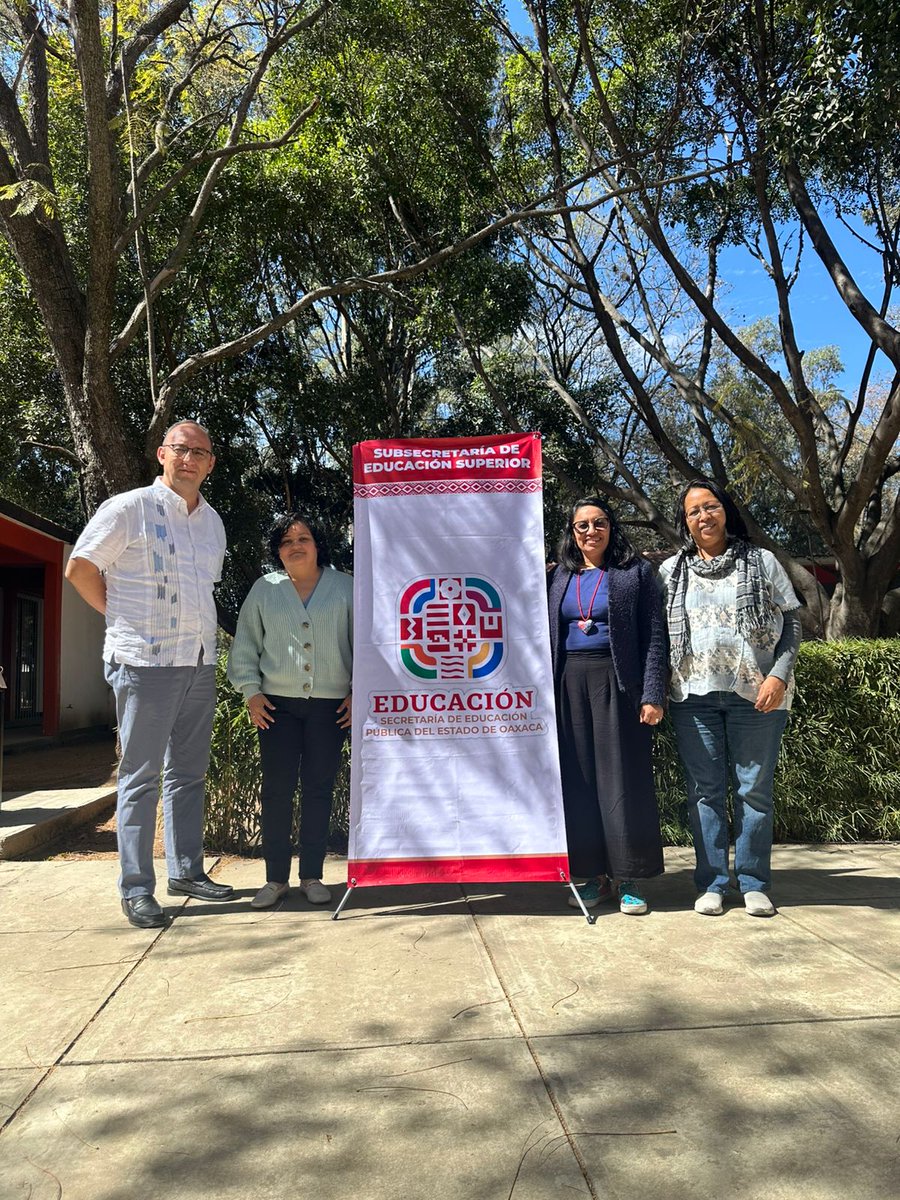
Este viernes 20 de marzo de 2026, el Gobernador del Estado, a través de la Secretaría de Educación Pública del Estado de Oaxaca, ratificó a la Dra. María del Rosario Enríquez Rosado como Rectora de la Universidad del Mar.
Esta decisión expresa la confianza del Gobierno del Estado tanto en la conducción institucional de la Universidad del Mar como en la continuidad de un modelo educativo que, por más de tres décadas, ha demostrado ser un verdadero agente de transformación social al servicio del pueblo de Oaxaca, sustentado en la formación científica, la investigación y el compromiso con el desarrollo regional.
En el mismo acto fueron ratificados las y los titulares de las universidades regionales hermanas:
UNPA, UNSIS, UNSIJ, UTM, UNISTMO, NovaUniversitas, UNCA, UNCOS y UNICHA.
Seguimos trabajando por una educación superior pública de calidad, sustentada en el conocimiento, la investigación científica y la responsabilidad social.
Mare Nostrum Veritabile Faciendum.
.
@EducacionPubOax
📍 The UN's Global Fraud Summit closed with calls for stronger global cooperation as scams fueled by AI and deepfakes surged. Read more on how AI is reshaping organized crime: https://t.co/S6Q0ODYtO7
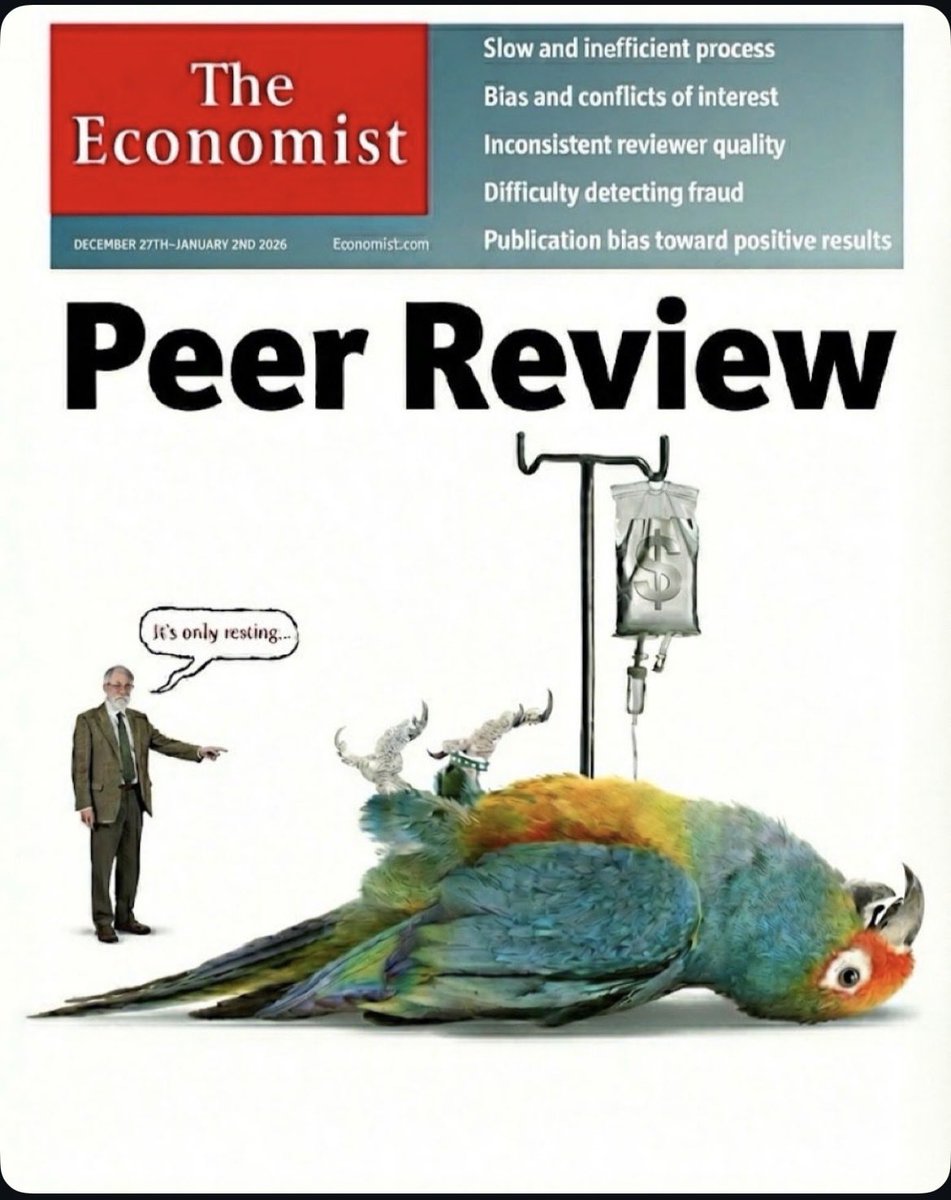
For decades, peer review has been treated as the gold standard of scientific validation.
Yet many scientists know the reality: the system is far from perfect. Peer review is broken and sometimes even corrupted.
The process can be slow, inconsistent, and vulnerable to bias. Reviewers are sometimes asked to judge work outside their true expertise. In other cases, they may be evaluating ideas that challenge the very paradigm in which they were trained. And occasionally, reviewers are simply competitors.
Ironically, the most prestigious journals can also be the most conservative. Truly new ideas are often met with skepticism, while safer work that fits the current narrative moves more easily through the system.
Increasingly, papers are judged less by the originality of the idea and more by the volume of data, the sophistication of statistics, and the beauty of the figures. Science risks becoming data-rich but idea-poor.
But there is an important reality to remember: journals do not ultimately decide the impact of scientific work. Impact is decided later, by the community. By the scientists who read it, test it, debate it, and cite it.
In the end, citations and ideas determine the legacy of a paper, not the impact factor of the journal that first published it.
Science has always advanced by questioning assumptions. Perhaps it is time we also question the system that filters scientific ideas.
Este viernes 23 de enero, la Universidad del Mar llevó a cabo su primera sesión ordinaria de 2026 con la Junta de Gobierno. Frente a los representantes de las distintas instancias de Gobierno, la Dra. Rosario Enríquez, encargada de despacho de Rectoría, rindió su informe sobre el 4to. trimestre de 2025 (1 de octubre-31 de diciembre).
.
1/2
El 20 y 21 de enero de 2026, la Universidad del Mar atendió la invitación a los Cursos de Inducción de los Programas Estatales de Educación Superior (PROEES) convocados por la Secretaría de Educación Pública de Oaxaca, que incluyeron: Plan México (CIIIT), Objetivos de Desarrollo Sostenible ODS 2030, Programa de Ampliación de la Oferta Educativa, Educación a lo Largo de la Vida, Igualdad de Género, Cultura de Paz y Educación Inclusiva, y Vida Saludable. Las reuniones tuvieron lugar en el Tecnológico Nacional de Mexico: Instituto Tecnológico de Oaxaca.
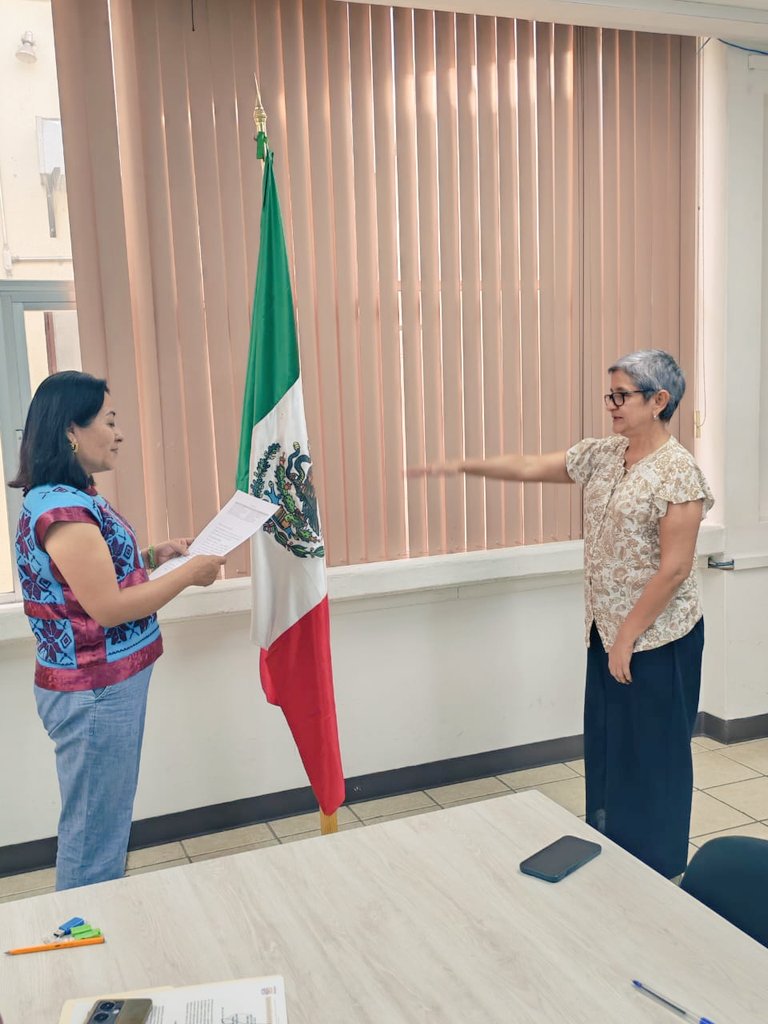
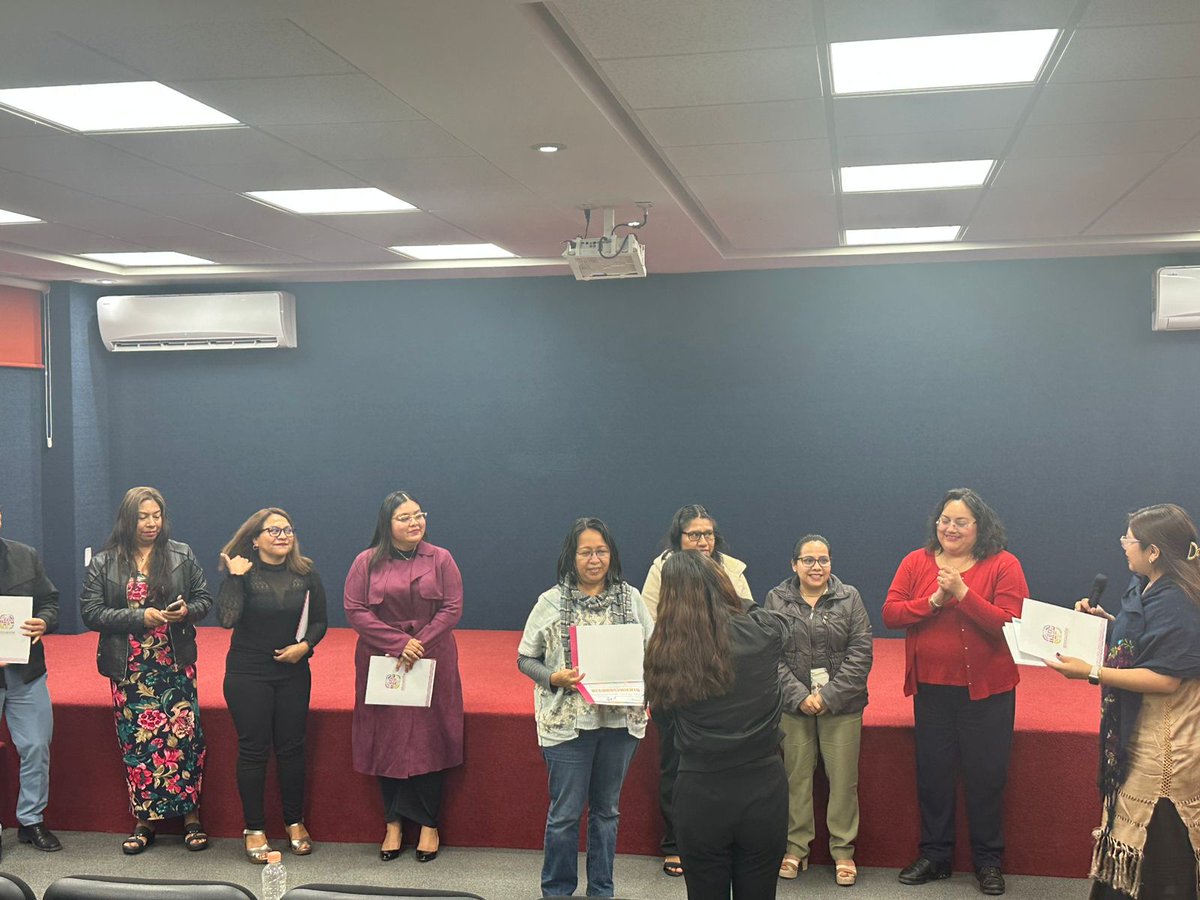
Así mismo, la UMAR atendió la 1a. Sesión Ordinaria del Comité Científico del Congreso Estatal de Género, Ciencia, Humanidades, Tecnología e Innovación en las instalaciones del IPN-CIIDIR donde una representante de cada uno de nuestros campus rindió protesta como miembros del Comité.
La UMAR es una institución pública de educación superior comprometida con el desarrollo de Oaxaca.
.
#UMAR #Género #EducaciónSuperior @EducacionPubOax
#WATCH Jeffrey Sachs Blasts US Power Grab Over Venezuela, Maduro Capture at Historic UN Meeting
🇺🇸 US military interventions in foreign countries since WWII (incomplete list):
🇮🇷 Iran: 1946
🇨🇳 China: 1946 - 1949
🇬🇷 Greece: 1947 - 1949
🇮🇹 Italy: 1948
🇵🇭 Philippines: 1948 - 1954
🇰🇵 Korea: 1950 - 1953
🇮🇷 Iran: 1953
🇻🇳 Vietnam: 1954
🇬🇹 Guatemala: 1954
🇱🇧 Lebanon: 1958
🇵🇦 Panama: 1958
🇭🇹 Haiti: 1959
🇨🇩 Congo: 1960
🇻🇳 Vietnam: 1960 - 1964
🇨🇺 Cuba: 1961
🇨🇺 Cuba: 1962
🇱🇦 Laos: 1962
🇪🇨 Ecuador: 1963
🇵🇦 Panama: 1964
🇧🇷 Brazil: 1964
🇻🇳 Vietnam: 1965 - 1975
🇮🇩 Indonesia: 1965
🇨🇩 Congo: 1965
🇩🇴 Dominican Republic: 1965
🇱🇦 Laos: 1965 - 1973
🇬🇭 Ghana: 1966
🇬🇹 Guatemala: 1966 - 1967
🇰🇭 Cambodia: 1969 - 1975
🇴🇲 Oman: 1970
🇱🇦 Laos: 1971 - 1973
🇨🇱 Chile: 1973
🇰🇭 Cambodia: 1975
🇦🇴 Angola: 1976 - 1992
🇮🇷 Iran: 1980
🇱🇾 Libya: 1981
🇸🇻 El Salvador: 1981 - 1992
🇳🇮 Nicaragua: 1981 - 1990
🇱🇧 Lebanon: 1982 - 1984
🇬🇩 Grenada: 1983
🇭🇳 Honduras: 1983 - 1989
🇮🇷 Iran: 1984
🇱🇾 Libya: 1986
🇧🇴 Bolivia: 1986
🇮🇷 Iran: 1987 - 1988
🇱🇾 Libya: 1989
🇵🇭 Philippines: 1989
🇵🇦 Panama: 1989 - 1990
🇱🇷 Liberia: 1990
🇮🇶 Iraq: 1990 - 1991
🇮🇶 Iraq: 1991 - 2003
🇭🇹 Haiti: 1991
🇸🇴 Somalia: 1992 - 1994
Yugoslavia: 1992 - 1994
🇧🇦 Bosnia: 1993 - 1995
🇭🇹 Haiti: 1994 - 1996
🇭🇷 Croatia: 1995
🇨🇩 Zaire (Congo): 1996 - 1997
🇱🇷 Liberia: 1997
🇸🇩 Sudan: 1998
🇦🇫 Afghanistan: 1998
🇮🇶 Iraq: 1998
Yugoslavia: 1999
🇲🇰 Macedonia: 2001
🇦🇫 Afghanistan: 2001
🇮🇶 Iraq: 2003
🇮🇶 Iraq: 2003-present
🇭🇹 Haiti: 2004
🇸🇾 Syria: 2011-present
🇺🇦 Ukraine: 2014-present
🇻🇪 Venezuela: 2026
The UN Security Council witnessed a rare, explosive intervention as economist Jeffrey Sachs delivered a sweeping warning on Venezuela. Speaking during an emergency session, Sachs framed the crisis as a test of international law itself, not leadership politics. He traced decades of U.S. regime-change actions, questioned the legality of force and sanctions, and warned of catastrophic consequences if UN rules collapse in a nuclear age.
Since 1947, United States foreign policy has repeatedly employed force, covert action, and political manipulation to bring about regime change in other countries. This is a matter of carefully documented historical record. In her book Covert Regime Change (2018), political scientist Lindsey O’Rourke documents 70 attempted US regime-change operations between 1947 and 1989 alone.
These practices did not end with the Cold War. Since 1989, major United States regime-change operations undertaken without authorization by the Security Council have included, among the most consequential: Iraq (2003), Libya (2011), Syria (from 2011), Honduras (2009), Ukraine (2014), and Venezuela (from 2002 onward).
The methods employed are well established and well documented. They include open warfare; covert intelligence operations; instigation of unrest; support for armed groups; manipulation of mass and social media; bribery of military and civilian officials; targeted assassinations; false-flag operations; and economic warfare aimed at collapsing civilian life.
These measures are illegal under the UN Charter, and they typically result is ongoing violence, lethal conflict, political instability, and deep suffering of the civilian population.
The case of Venezuela
The recent United States record with respect to Venezuela is clear.
In April 2002, the United States knew of and approved an attempted coup against the Venezuelan government.
In the 2010s, the United States funded civil society groups actively engaged in anti-government protests, notably in 2014. When the government cracked down on the protests, the US followed with a series of sanctions. In 2015, President Barrack Obama declared Venezuela to be “an unusual and extraordinary threat to the national security and foreign policy of the United States.”
In 2017, at a dinner with Latin American leaders on the margins of the UN General Assembly, President Trump openly discussed the option of the US invading Venezuela to overthrow the government.
During 2017 to 2020, the US imposed sweeping sanctions on the state oil company. Oil production fell by 75 percent from 2016 to 2020, and real GDP per capita (PPP) declined by 62 percent.
The UN General Assembly has repeatedly voted overwhelmingly against such unilateral coercive measures. Under international law, only the Security Council has the authority to impose such sanctions.
On 23 January 2019, the United States unilaterally recognized Juan Guaidó as “interim president” of Venezuela and on 28 January 2019 froze approximately $7 billion of Venezuelan sovereign assets held abroad and gave Guaidó authority over certain assets.
These actions form part of a continuous United States regime-change effort spanning more than two decades.
Recent United States global escalation
In the past year, the United States has carried out bombing operations in seven countries, none of which were authorized by the Security Council and none of which were undertaken in lawful self-defense under the Charter. The targeted countries include Iran, Iraq, Nigeria, Somalia, Syria, Yemen, and now Venezuela.
In the past month, President Trump has issued direct threats against at least six UN member states, including Colombia, Denmark, Iran, Mexico, Nigeria and of course Venezuela. These threats are summarized in Annex I to this statement.
What is at stake today
Members of the Council are not called upon to judge Nicolás Maduro.
They are not called upon to assess whether the recent United States attack and ongoing naval quarantine of Venezuela result in freedom or in subjugation.
Members of the Council are called upon to defend international law, and specifically the United Nations Charter.
The realist school of international relations, articulated most brilliantly by John Mearsheimer, accurately describes the condition of international anarchy as “the tragedy of great power politics.” Realism is therefore a description of geopolitics, not a solution for peace. Its own conclusion is that international anarchy leads to tragedy.
In the aftermath of World War I, the League of Nations was created to end the tragedy through the application of international law. Yet the world’s leading nations failed to defend international law in the 1930s, leading to renewed global war.
The United Nations emerged from that catastrophe as humanity’s second great effort to place international law above anarchy. In the words of the Charter, the UN was created “to save succeeding generations from the scourge of war, which twice in our lifetime has brought untold sorrow to mankind.”
Given that we are in the nuclear age, failure cannot be repeated. Humanity would perish. There would be no third chance.
Measures required of the Security Council
To fulfill its responsibilities under the Charter, the Security Council should immediately affirm the following actions:
The United States shall immediately cease and desist from all explicit and implicit threats or use of force against Venezuela.
The United States shall terminate its naval quarantine and all related coercive military measures undertaken in the absence of authorization by the Security Council.
The United States shall immediately withdraw its military forces from within and along the perimeter of Venezuela, including intelligence, naval, air, and other forward-deployed assets positioned for coercive purposes.
Venezuela shall adhere to the UN Charter and to the human rights protected in the Universal Declaration of Human Rights.
The Secretary-General shall immediately appoint a Special Envoy, mandated to engage relevant Venezuelan and international stakeholders and to report back to the Security Council within fourteen days with recommendations consistent with the Charter of the United Nations, and the Security Council shall remain urgently seized of this matter.
All Member States shall refrain from unilateral threats, coercive measures, or armed actions undertaken outside the authority of the Security Council, in strict conformity with the Charter.
In Closing
Mr. President, Distinguished Members,
Peace and the survival of humanity depend on whether the United Nations Charter remains a living instrument of international law or is allowed to wither into irrelevance.
That is the choice before this Council today.
Thank you.
Les comparto mi entrevista con @Fontevecchia para @perfilcom
Empezamos con el significado de la democracia, la democracia en América Latina, la Argentina bajo Milei, Trump, y China.
Para leer o ver la entrevista:
https://t.co/cXQGk1WtYs
La UMAR llevó a cabo su Primera Sesión Ordinaria con la Junta de Gobierno.
.
El jueves 20 de noviembre de 2025, en las instalaciones de la Secretaría de Educación Pública de Oaxaca, la Titular de la Institución, la Dra. Rosario Enríquez, rindió su primer informe sobre los avances en:
.
1/3
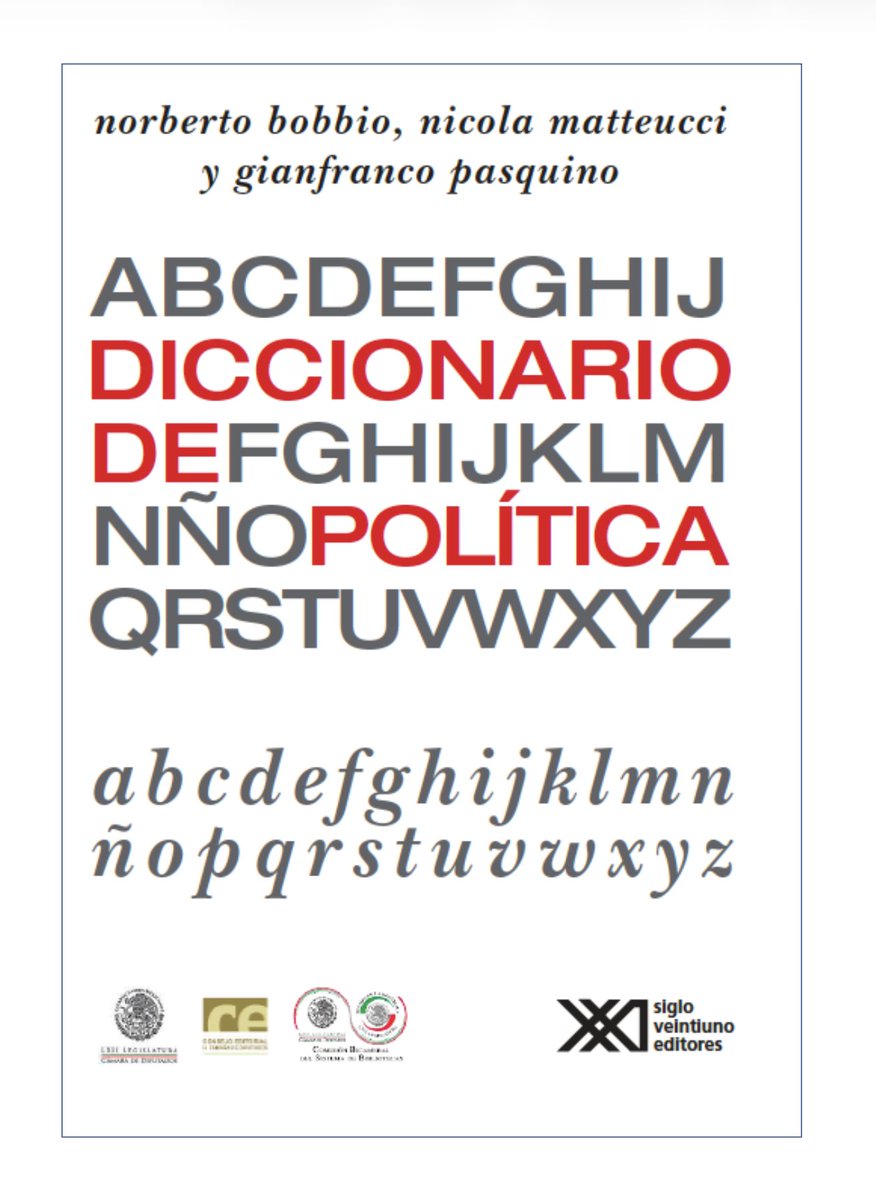
El mejor diccionario de política
Este trabajo extenso de Bobbio, Matteucci y Pasquino es una fuente indispensable para entender los conceptos que se usan en el estudio y la discusión de la política. Es un verdadero tesoro.
Descarga libre: https://t.co/v1aNmscUGP
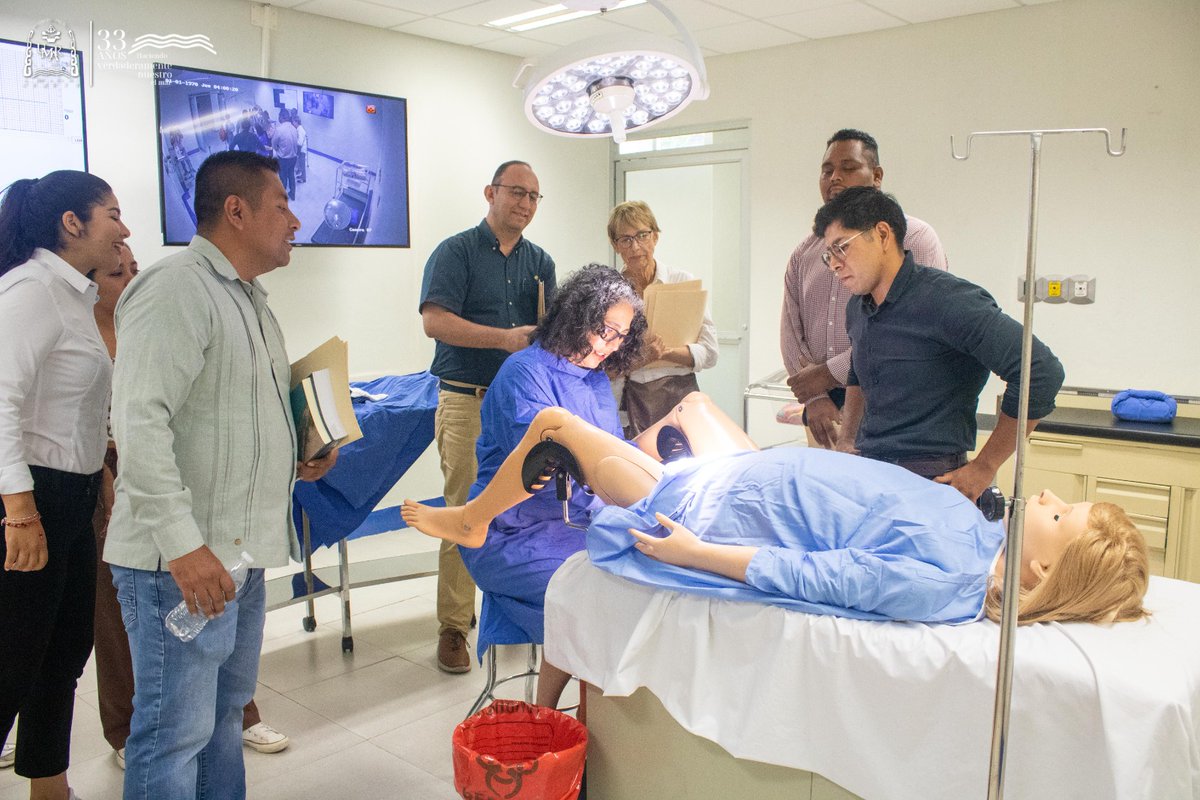
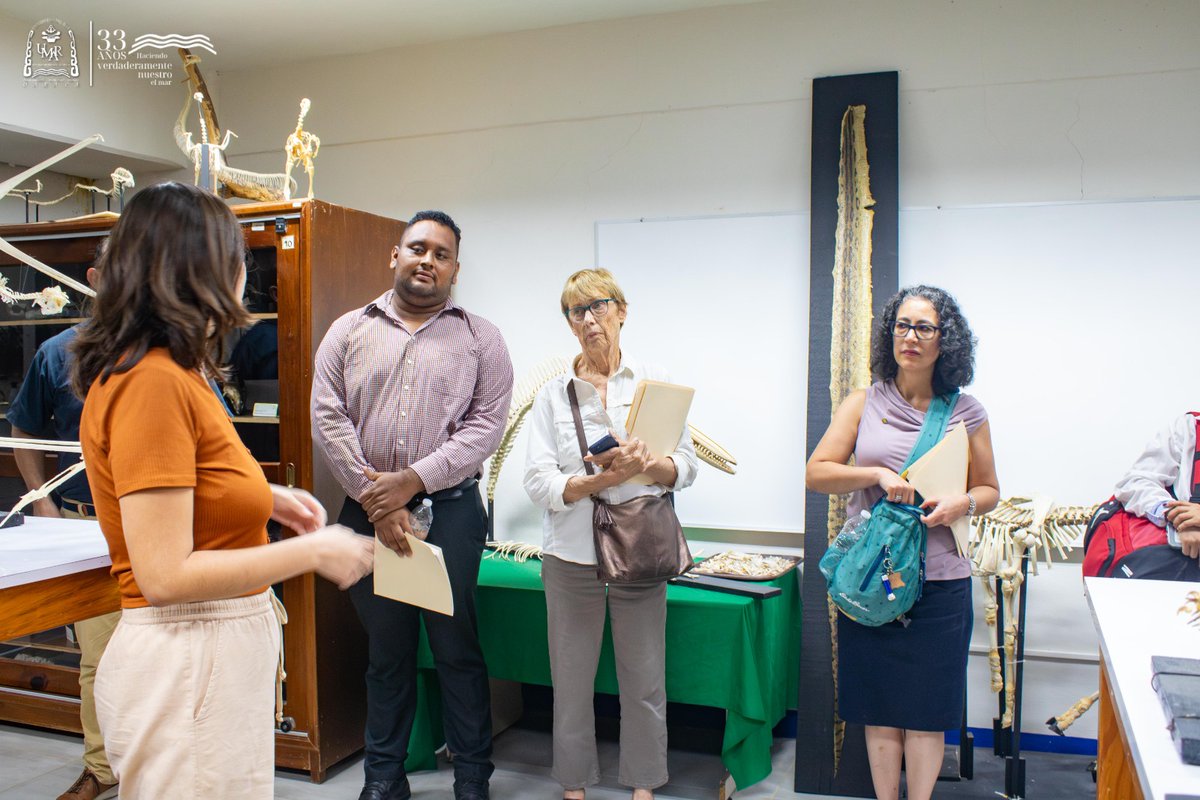
La sesión terminó con un recorrido por el Campus, la Clínica Robotizada, y los laboratorios de Colecciones Biológicas, Tecnología de la Madera y la Biblioteca. Esta colaboración inter-institucional luce prometedora.
.
#UMAR#UCSC#ColaboraciónAcadémica#CiudadesHermanas #SisterCities #EducaciónDeCalidad #Oaxaca #México #California #SantaCruz #PuertoEscondido @EducacionPubOax
Proyecto Ciudades Hermanas: Puerto Escondido, Oaxaca - Santa Cruz, California
Universidad del Mar (UMAR) - Universidad de California Santa Cruz (UCSC).
.
A través de la invitación del Gobierno Municipal de San Pedro Mixtepec, y de su Regiduría y Dirección de Turismo, la UMAR fue convocada para participar en el proyecto de SISTER CITIES: Puerto Escondido - Santa Cruz.
El objetivo de las reuniones fue intercambiar ideas y propuestas para identificar posibilidades de hermanamiento. El proyecto identificó características comunes como mares y playas, el surf, el turismo, la cultura oaxaqueña y la investigación científica de sus respectivas universidades (UMAR-UCSC) para una potencial colaboración académica.
.
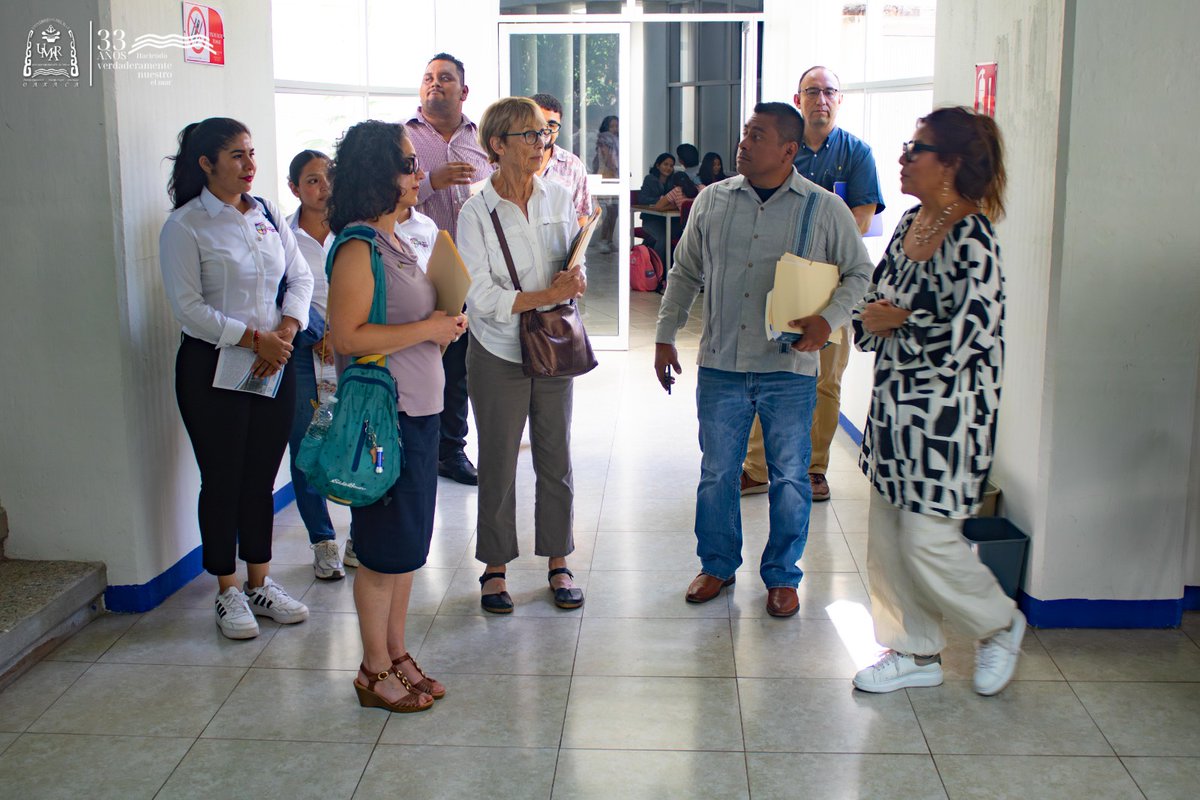
El martes 11 de noviembre participaron el Dr. Miguel Olvera, Presidente Municipal de San Pedro Mixtepec; Sra. Carola Barton, Presidenta de Sister Cities de Santa Cruz California, Dr. Alberto Lozano, Vicerrector Académico de la UMAR; Profa. Yadira González, Regidora de Turismo de San Pedro Mixtepec; Lic. Pamela Gutiérrez, Directora de Turismo, y distintos miembros del Cabildo. Estuvo presente también Erika Allende, Copresidenta del Grupo de Exploración de Ciudades Hermanas Mexicanas e Isaí Pazos, Director Ejecutivo de Senderos Santa Cruz.
.
1/3
Approaches to the Study of History
Lloyd offers this useful figure that organizes strands of research in the study of history according to their ontologies (materialism vs idealism, holism vs individualism) & epistemologies (empiricism vs realism).
La mujer que se indignó al ver cómo los rusos decapitaban a soldados ucranianos vivos compareció ante el tribunal, que ratificó la condena de más de cinco años de prisión para la madre que publicó un post crítico en redes, lo que ahora conlleva penas similares al asesinato.
🏴☠️ Fast boats, nighttime raids, and terrified crews. From the Caribbean to the Pacific, piracy is once again on the rise in Latin America, driven by internal crises and the absence of state control. Read more here: https://t.co/jaAhXxQrB5
#OpinionesCompletas | Servicio Exterior y Seguridad Nacional
El Estado debe garantizar condiciones dignas, competitivas y equitativas para quienes defienden a México desde el frente diplomático
Escribe Gerardo Rodríguez (@gerodriguezsl) ➡️ https://t.co/fmg8R8AocE
World Brief: Poland intercepts Russian drones over its airspace, France deploys 80,000 security forces to counter “Block Everything” protests, and Nepalese police impose a curfew to quell anti-government protests. https://t.co/ewngaT5HMF