Dear Sir,
Having travelled extensively across the world, don’t you feel that Indian cities, towns, and villages are at least 50 years behind developed nations in terms of urban planning and quality of life? We still struggle with basic walkable streets, while most of our cities remain unplanned, vehicle-centric, dirty, and chaotic.
A society where pedestrians cannot walk safely and with dignity reflects a deeper failure in governance and planning. India urgently needs cleaner public spaces, better footpaths, disciplined urban design, and people-centric infrastructure.
I sincerely hope some of the best practices from developed countries can at least be implemented in BJP-governed states and eventually replicated across the country.
Now that @BJP4India is really the proven majority, also on a major religion card. Can we please focus on core issues like cleanliness, poverty, afforestation and true development for all and not really the A&A&BCCI?
#Indianpolitics
No one values our time in India and that’s the main issue! Stuck in traffic near Nashik for almost one hour with 20 km showing 1.5 still. Abandoned construction going on for months!!
Paid 2 tolls.
How are we going to move ahead like this India?
#nashik#traffic#construction
I don’t want a city on Mars. I don’t want AI in every app. I don’t want data centres in space. I don’t want humanoids or flying cars. I want clean water. I want a stable climate. I want bees to survive. And a habitable planet.
>Bro became Nepal Prime Minister
>Announced No caste based politics.
>No road blocking for VIP convoys
>Govt employees kids must study in Govt schools
>No to CORRUPTION
>Live Dashboard to track expenditure
>Promised to make Nepal a developed State by 2030
YouTuber –– What is your biggest fear for India?
Vikas Divyakirti –– China is moving forward with technology while Indian govt is clueless in education. Hindu Muslim propaganda is hurting us 💔
He is brutally exposing BJP with facts. Hope he isn't labeled anti nationàl 😭
Imagine if Iran bombed and destroyed the Golden Gate Bridge in California, what would you call it? TERRORISTS
The U.S bombed and destroyed the highest bridge in Iran, the B1 bridge, why do you call it “PEACE”?
Bombing a bridge is a war crime under international humanitarian law
Unfortunate that President Murmu has given her assent to the Transgender Persons (Protection of Rights) Amendment Bill 2026.
The Act is now one of the most regressive pieces of legislation on transgender rights in the world. To see India reverse decades of progress is shameful.
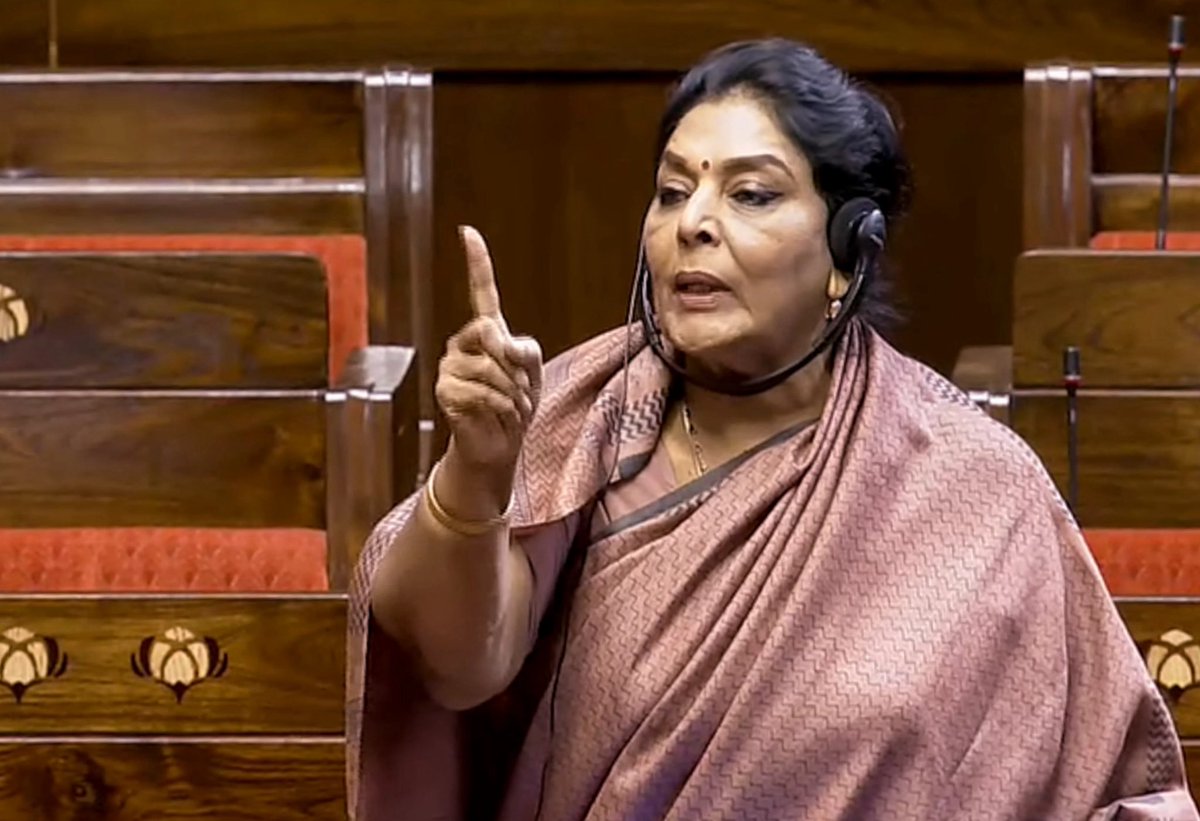
“I challenge you, not even 5 MPs here would be able to explain what LGBTQIA+ means. Why should people without this knowledge be allowed to make this Bill? This Bill must be sent to a select committee.” - Rajya Sabha MP from INC Telangana @RenukaCCongress
Though I will miss Parliament because of the ongoing #KeralaElections, I am following reports of legislative developments there.
I’m deeply concerned by the Transgender Persons (Protection of Rights) Amendment Bill, 2026, introduced in the Lok Sabha, which was tabled rather surreptitiously and without proper stakeholder consultation. The Bill appears to represent a fundamental reversal of the rights-based framework established after the Supreme Court’s landmark NALSA (2014) judgment.
The amendments delete Section 4(2) of the 2019 Act, which guaranteed the right to self-perceived gender identity, and replace it with systems of medical board verification and bureaucratic certification before identity can be recognised. In effect, the State now proposes to sit in judgment over a citizen’s own understanding of who they are — an intrusion that sits uneasily with the constitutional promise of dignity and personal liberty.
Equally troubling is the drastically narrowed definition of “transgender person”, which risks excluding trans-men, trans-women, non-binary and gender-diverse persons who were previously recognised under the law, while reducing gender identity to biological markers or a handful of socio-cultural categories.
The Bill further introduces mandatory reporting of gender-affirming surgeries to authorities, raising serious concerns about privacy and creating the prospect of a State registry of deeply personal medical decisions—difficult to reconcile with the Supreme Court’s Puttaswamy judgment on the right to privacy.
Taken together, these provisions risk pushing large sections of India’s transgender community, which has faced acute historical marginalisation, back into legal invisibility. At the very least, a Bill with such far-reaching consequences must be referred to a Standing Committee for proper scrutiny. One can only hope that reason and constitutional morality will ultimately prevail over this deeply regressive proposal.