Zeek Earl, executive creative director at Packrat, used hybrid production for the AWS Kiro campaign by building handmade characters and then using generative AI to fill in the gaps.
Go behind the scenes with @geekwire: https://t.co/YL1T8sjkTc
Fringe team member @park_actual is launching his own short film- and we're 100% into it.
It's techno-optimist hard candy in a dystopian wrapper.
Throw him some bones!
Indiegogo: https://t.co/qkT1YM8Vdq
My former student, and progressive city council member, @LewisforSeattle is being attacked by the big money of MAGA Trump donors and national corporate interests.
Don't let them get away with it, Seattle!
Ballots are out now, make a plan to vote! And vote before November 7th!
Every conversation about improving people’s lives needs to have the reform of building codes and land use plans as the first two action items.
Socioeconomic mobility?
Land use and building code.
Access to services and education?
Land use and building code.
Public health? (mental & physical)
Land use and building code.
Economic development and small businesses?
Land use and building code.
Affordable housing?
Land use and building code.
Aging in place for seniors?
Land use and building code.
Improved public education?
Land use and building code.
Better city services, parks, recreation?
Land use and building code.
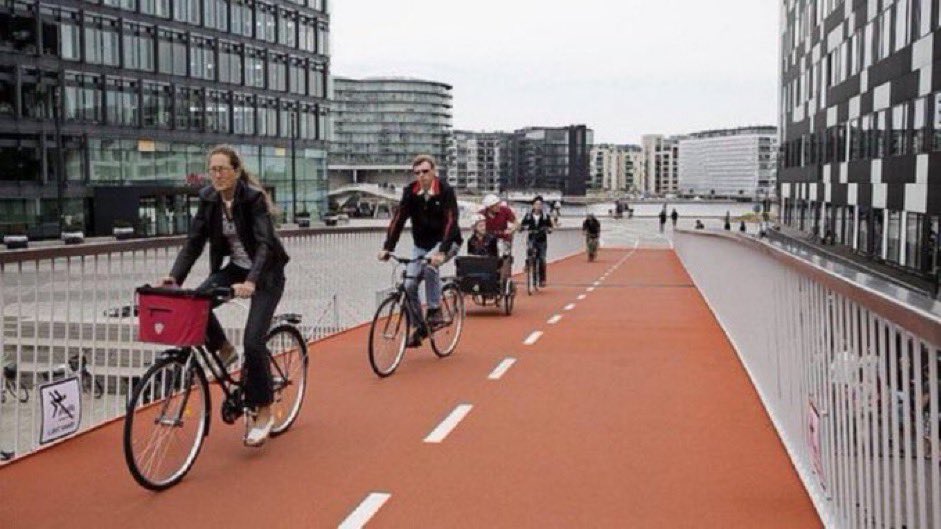
“While Mayor, I was often asked ‘how have you been able to afford this in #Copenhagen?’ I’d reply, ‘how have you been able to NOT afford it? 25 years ago we were a few days away from going bankrupt. So the city invested in the cheapest infrastructure… bicycling.” — @mortenkabell
My unpopular opinion is that our selective upzoning of commercial properties makes it uneconomical to for these businesses to exist.
A broad upzone, conversely, would depress land values citywide and would lead to more local businesses.
@TrungTPhan Windows phone tried this too! https://t.co/OYnLq1uQze
Did a few marketing spots for it back in the day, but not sure they ever saw the light of day…
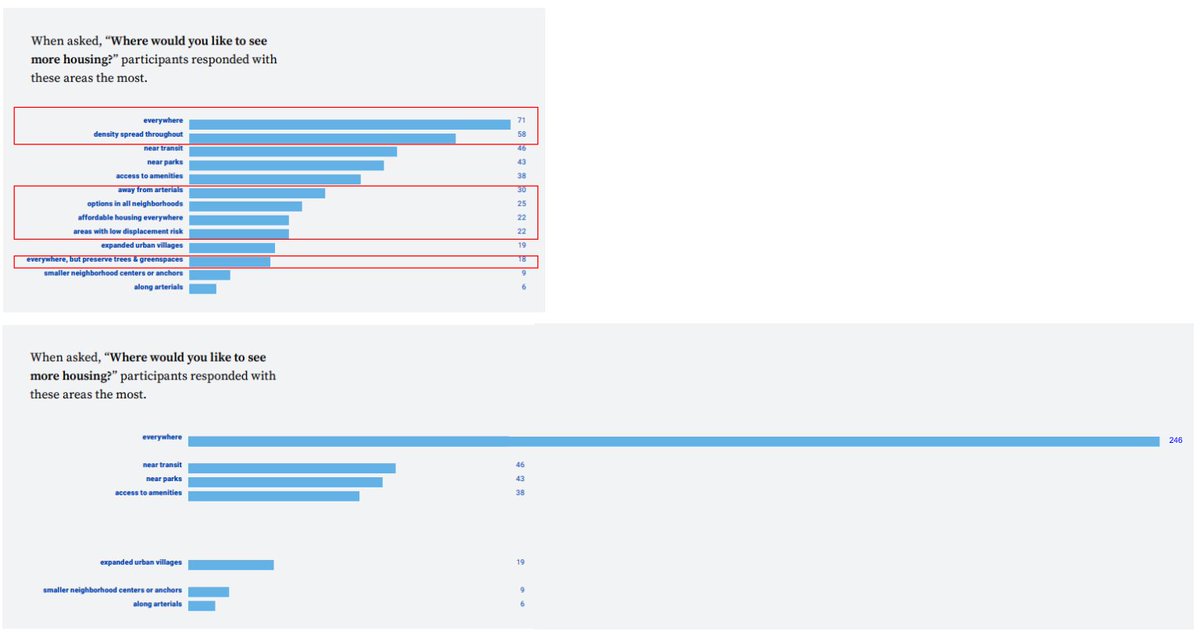
seattle's planning department asked people at community meetings where they wanted to see housing. they subsequently broke down "everywhere" into several categories to water down the response
so i fixed the chart
Every city in human history before 1920 was a 15-minute city. Car dependent suburbia is the result of massive, top-down government programs and auto industry boosterism. 15-minute cities are another way to say “Older cities are nice. I would like to be able to walk to the store.”
For decades, planners have dispersed the functions of the city, excluding anyone without the mobility or means to cover those distances.
A 15-minute city is about reconciling this past injustice; offering everyone—regardless of age, ability or income—access to their daily needs.