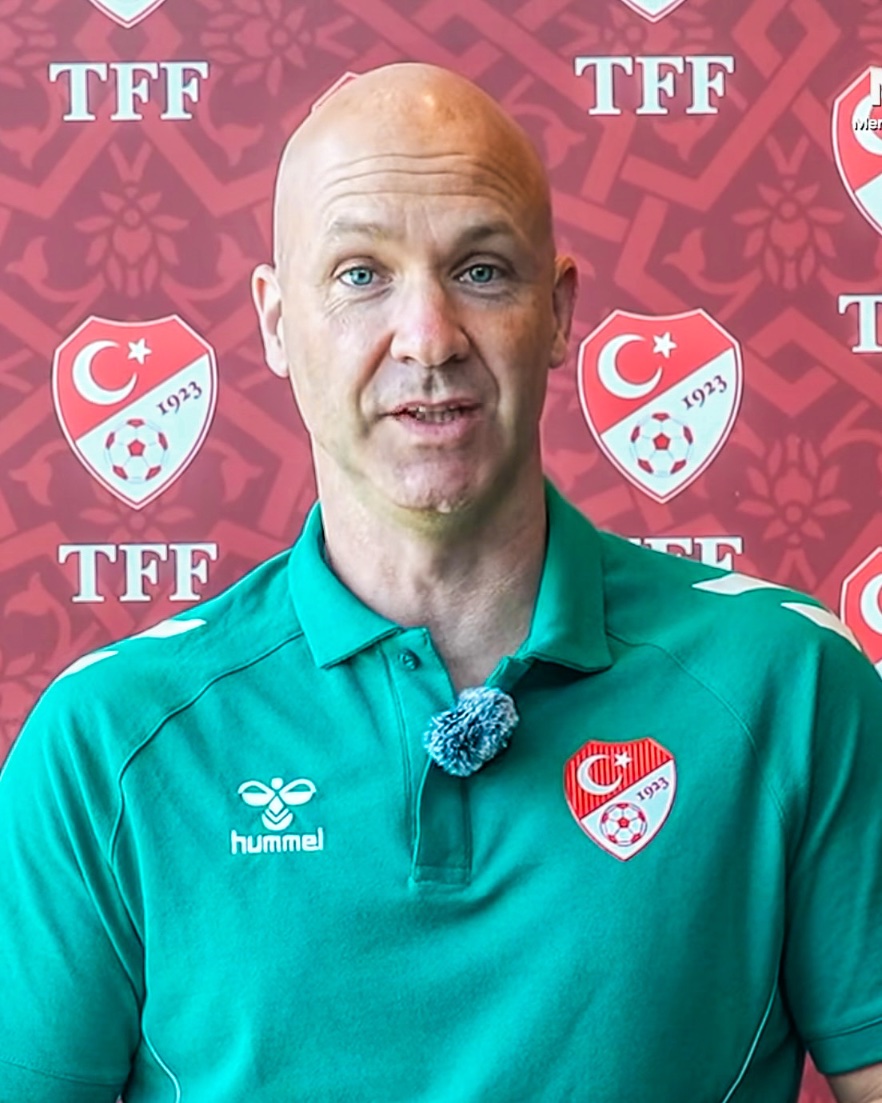
🚨✍️ 𝐎𝐅𝐅𝐈𝐂𝐈𝐀𝐋 | Anthony Taylor is the new Director of Elite Refereeing at the Turkish Football Federation. 🏴🇹🇷
He will shape the technical development of refereeing, help develop match officials and strengthen the referee programme.
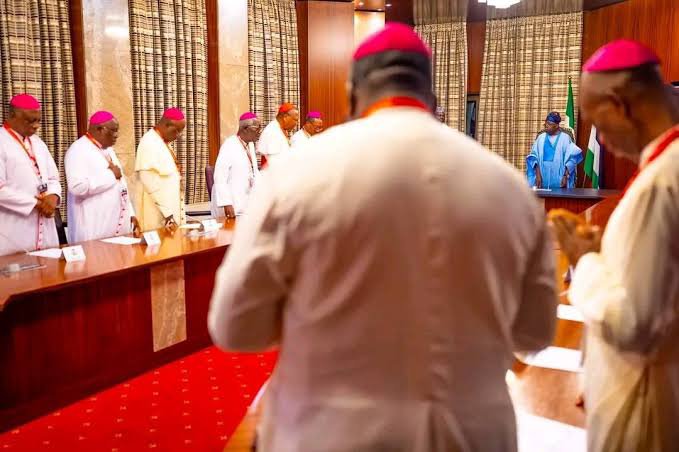
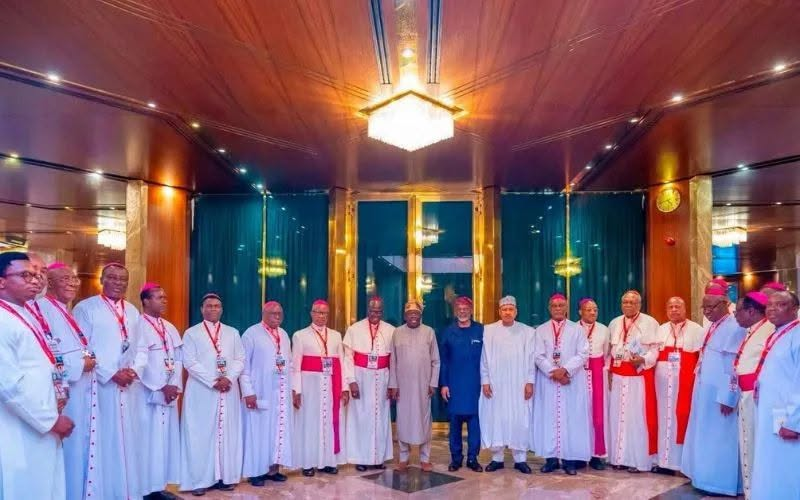
THEY TOOK THE CRY OF NIGERIANS TO THE PRESIDENT. THEY RETURNED WITH AN ANSWER THAT SHOULD WORRY US ALL.
The Catholic Bishops didn't go to Aso Rock seeking contracts.
They didn't go lobbying for appointments.
They didn't go "standing on any mandate."
They went carrying the pain of millions of Nigerians.
They said Nigerians are hungry.
The answer? "There has always been hunger before I was born."
They said the economy is crushing ordinary families.
The answer? "The economy is doing well."
They expressed concerns about public confidence in INEC.
The answer? "INEC is neutral."
They worried about whether the next election would offer a level playing field.
The answer? "Whoever wants power should be ready to wrestle for it."
And immediately, my mind went to Rehoboam.
The people begged him to reduce their suffering.
The elders pleaded with him: "Listen to your people."
His loyalists told him: "Show them who's boss."
He listened to the loyalists.
He ignored the people.
The result?
A kingdom that took generations to build split in a single day.
The people walked away shouting:
"To your tents, O Israel!" (1 Kings 12:16)
Every government should fear one thing more than criticism:
The day it stops listening.
The greatest threat to any president is not the opposition.
It is the army of professional cheerleaders who tell him that everything is working while the people are telling a different story.
A nation cannot be governed by applause.
Propaganda cannot fill empty stomachs.
Slogans cannot reduce the cost of living.
And praise-singers cannot rewrite reality.
History is littered with leaders who mistook loyalty for truth.
May President Tinubu never become another Rehoboam, surrounded by people who protect his ego while exposing his legacy.
Because when leaders stop listening, history starts speaking.
Think about it.
Credit: Stephen Ekwenugo
Catholic Diocese of Kafanchan yesterday bûried 27 of the 30 people k!ll£d by suspected terroØrists in Naridon village, Southern Kaduna. The remaining three victims had been buried days earlier.
Recall that at about 11:00 p.m. last Sunday, suspected terroØrists reportedly att@cked Naridon, a predominantly farming border community between Kaduna State and Ganawuri in Riyom LGA of Plateau State. The att@ckers reportedly k!ll£d at least 30 people, including children, set homes ablaze, and abducted several others while residents were asleep.
A Response to Tope Ajayi’s Article "Cardinal Onaiyekan’s Abuse of Clerical Privilege"
I read the article titled “Cardinal Onaiyekan's Abuse of Clerical Privilege” by Temitope Ajayi with great interest. Surely, the article raises important questions about the relationship between the Church and the State. However, I believe some of its conclusions, particularly from the perspectives of constitutional democracy and the Church’s public mission, deserve a respectful and balanced response and clarifications.
Here is my point to point response to each of the concerns raised.
1. Was it improper for Cardinal Onaiyekan to speak publicly on Arise News?
Not necessarily. The meeting between President Tinubu and the Catholic Bishops of Nigeria was not a sacramental confession that requires utmost secrecy, a diplomatic negotiation under secrecy, or a legally confidential proceeding. Unless the participants expressly agreed to confidentiality, there is no legal or moral principle that absolutely prevents either party from commenting on the discussion afterward.
2. The Church has both the right and the duty to speak.
Catholic bishops are not merely private citizens expressing personal opinions. By virtue of their pastoral office, they have a responsibility to teach on moral and social issues. Catholic social teaching consistently affirms that the Church must speak whenever human dignity, justice, security, and the common good are at stake. That is exactly what the bishops did.
3. Speaking after a meeting is not necessarily a breach of trust.
Providing one’s understanding of a discussion is different from revealing confidential state secrets. Democratic engagement often includes explaining to the faithful what was discussed, particularly when the meeting like theirs concerns issues affecting millions of citizens.
4. Criticism of government is not a denial of progress.
One may acknowledge improvements while still concluding that much more remains to be done. Recognizing government achievements and identifying persistent failures are not mutually exclusive positions.
5. “Truth to power” remains relevant.
The fact that a president receives intelligence briefings does not eliminate the value of independent voices. Security reports, economic data, religious leaders, civil society, academics, journalists, and ordinary citizens each offer different perspectives. No single source possesses the whole truth.
6. Access to privileged information does not settle public debate.
The President undoubtedly possesses information unavailable to the public. However, democratic accountability also requires that government decisions remain open to public scrutiny and legitimate criticism.
7. Confidentiality should not become silence.
If public officials may explain their side of a meeting, religious leaders should not automatically be denied the same opportunity, provided they do so truthfully, respectfully, and without disclosing genuinely confidential matters.
8. Clerical office does not diminish civic responsibility.
The virtues expected of bishops such as prudence, temperance, and wisdom, do not require silence in the face of national concerns. History remembers many bishops who respectfully challenged civil authorities while remaining faithful to both the Gospel and legitimate constitutional order.
In all, the real issue is not whether Cardinal Onaiyekan spoke, but whether what he said was truthful, fair, and served the common good. I believe that in a constitutional democracy, respectful dialogue between religious leaders and civil authorities should continue not only behind closed doors but, when appropriate, also in the public square, just as Cardinal Onaiyekan did.
Fr. Ugochukwu Ugwoke, ISch