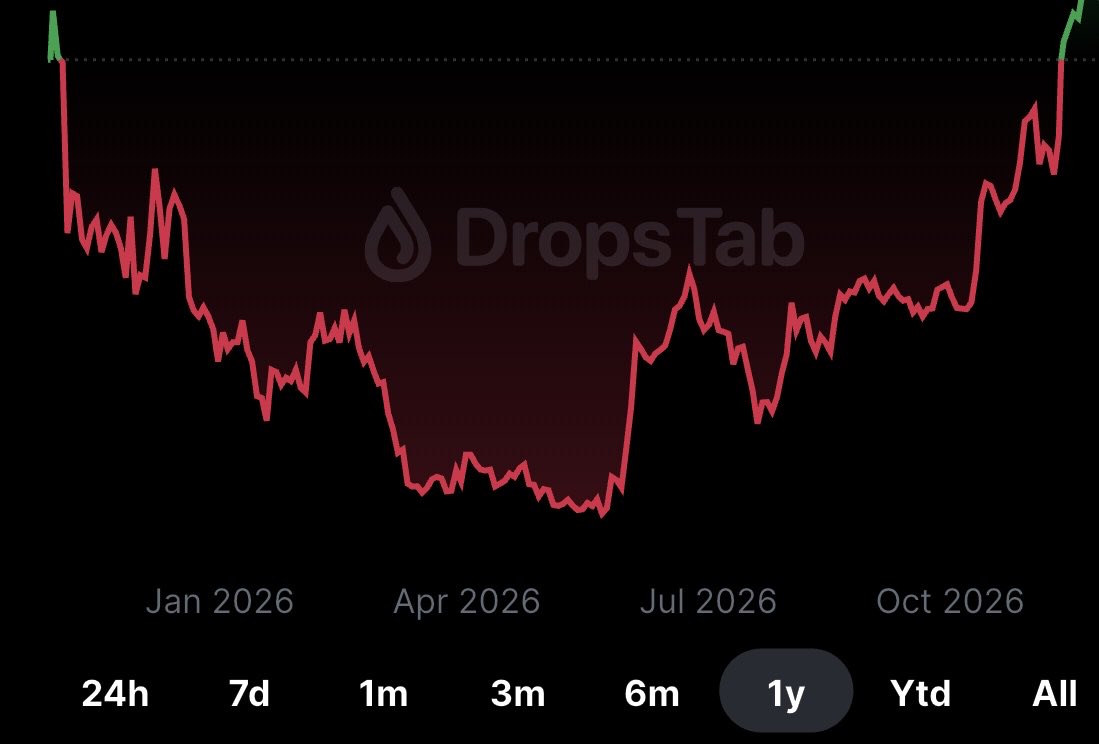
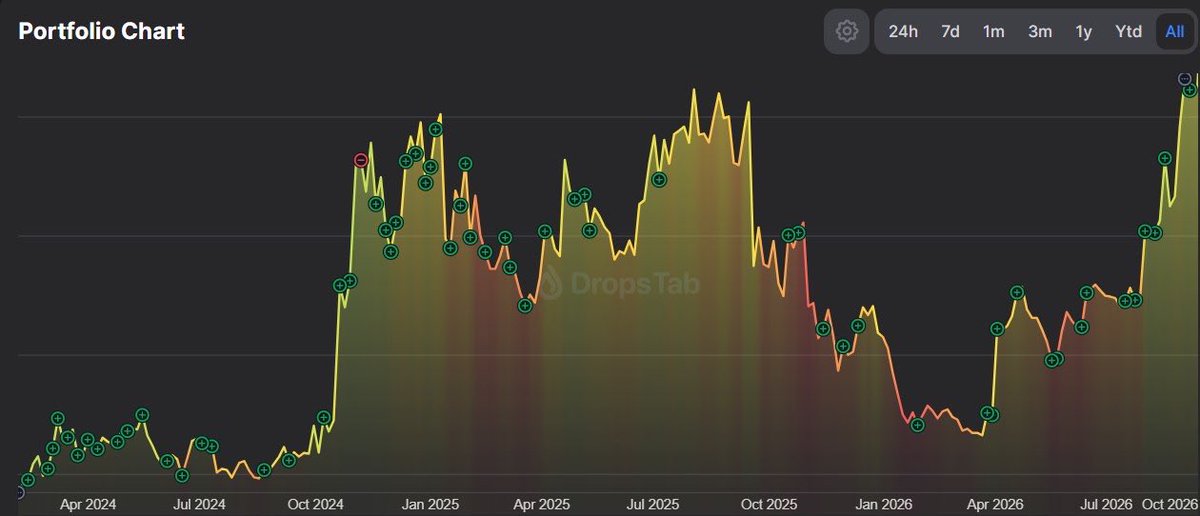
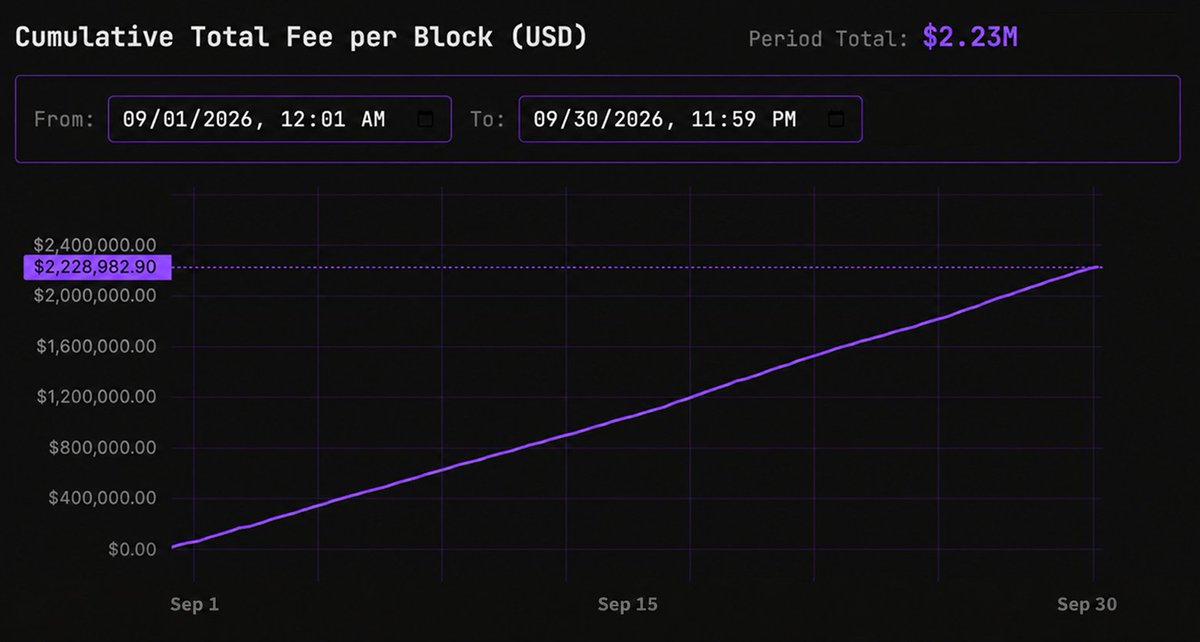
I’ve been working on some side project that allows to track 20 crypto sectors, compare their caps, see projects inside it and has opportunity to buy. Totally free to use🤝 Can check it here ➡️ https://t.co/qtqyeBf9dC
#alts_holder
Crypto Adoption Is Growing. So Why Are Crypto Companies Laying Off Workers?
The crypto industry is facing a strange situation in 2026 where more businesses and people are using crypto, but crypto companies are also laying off more workers. At least 60 crypto, Web3, and blockchain companies have announced layoffs this year, according to data from CryptoJobsList. That is already higher than the previous record of 38 companies in 2023, even though 2026 is not yet over when the data was collected.
So why are companies cutting jobs if crypto is growing?
The answer is not simply that the crypto market is struggling. Companies are also restructuring, cutting costs, using artificial intelligence (AI), and changing their business plans. Some companies are even laying off workers while hiring for other jobs.
This suggests that the crypto industry is not necessarily shrinking. Instead, companies are changing how they work and what types of employees they need.
2026 Has Set a New Layoff Record
The number of crypto companies announcing layoffs in 2026 is higher than in any previous full year in the CryptoJobsList data.
•2018: 8 companies
•2019: 6 companies
•2020: 2 companies
•2021: 1 company
•2022: 29 companies
•2023: 38 companies
•2024: 23 companies
•2025: 18 companies
•2026: 60 companies so far
The 2026 number is about 36% higher than the previous record set in 2023. The layoffs have also happened throughout the year rather than being caused by one major event.
More than 7,411 job losses have been publicly reported in 2026. However, this number is heavily affected by one large company: Block, the payments company founded by Jack Dorsey.
In February, Block announced cutting more than 40% of its workforce, reducing staff from more than 10,000 to fewer than 6,000. Those cuts represent about 55% of all the publicly reported crypto job losses in the 2026 dataset.
There is another limitation
Some companies announce the percentage of workers they are cutting without saying exactly how many people are affected.
So the data gives us a better idea of how many companies are laying off workers than the exact number of people losing their jobs.
What we can say with confidence is that 2026 has already broken the record for the number of crypto companies reporting layoffs, which could mean that more crypto workers have lost their jobs than in every previous downturn.
#alts_holder
U.S. Jobs Data Drops Today, Will It Push Bitcoin Higher or Trigger Another Sell-Off?
The September jobs data, due at 8:30 a.m. ET on October 2, will affect Bitcoin by shifting expectations for interest rates, Treasury yields, and the U.S. dollar.
Economists expect the U.S. to have added 90,000 jobs in September, down from 162,000 in August. The unemployment rate is expected to remain at 4.1% for a third straight month.
The report comes at a critical time for markets. The Fed raised interest rates by 0.25 percentage points in September, bringing its target range to 3.75%–4.00%, and signaled further increases.
Why Friday’s Jobs Report Matters for Bitcoin
The jobs report matters for Bitcoin because it directly affects expectations for interest rates. If the job market is strong, the Federal Reserve has more reason to keep interest rates high or raise them to control inflation.
Higher rates make safer, interest-paying investments more attractive and reduce demand for riskier assets such as Bitcoin.
If the job market is weak, investors will expect the Fed to lower rates in the future. That creates a more supportive environment for Bitcoin and other risky investments.
The jobs report therefore affects Bitcoin through two competing forces: lower interest-rate expectations support Bitcoin, while fears of a weakening economy pressure it.
Traders will focus on more than the headline number of jobs added. They will also watch:
The unemployment rate
Wage growth
Revisions to previous jobs numbers
Treasury yields
The U.S. dollar
Expectations for the Fed’s next rate decision
The Fed’s next major meeting is scheduled for October 27–28. As of Friday morning, markets were pricing in about a 26%–28% chance of another rate hike, down from around 69%–70% earlier in the week.
In sum, the jobs report will either support Bitcoin or add further selling pressure.
#alts_holder
My best perfomer so far is ethereum:0x1f9840a85d5af5bf1d1762f925bdaddc4201f984. Been posting about it here, expecting to start selling at $30🥂
#alts_holder
Why Winklevoss Compares zcash:native to Bitcoin in 2019👇
The comparison is mainly about market sentiment. In 2019, Bitcoin was recovering from a major downturn, and investors were becoming more optimistic about its future.
Santarelli believes Zcash is seeing a similar change. More people are becoming interested in Zcash, even though it has traditionally received less attention than Bitcoin and other major cryptocurrencies.
However, the situations are not exactly the same. ZEC is already up 1,952% over the past year, so it is not simply recovering from a long decline.
Zcash is also getting more attention because of its focus on financial privacy. As blockchain use grows, concerns about how transparent crypto transactions are have also increased.
Notably, the Winklevoss twins have previously shown strong interest in Zcash. About 10 months ago, they invested $100 million in the privacy-focused cryptocurrency. They said privacy will become important as the crypto industry develops alongside artificial intelligence. Their latest comments show that they remain positive about Zcash’s long-term potential.
#alts_holder
BitMine chairman Tom Lee stood on stage at Korea Blockchain Week on September 30 and said crypto’s biggest bull market yet is already underway.
Why Lee Thinks This Is Different
Lee pointed to several signals lining up at once. Bitcoin has climbed back above its 200-day moving average, a level traders watch closely for turning points. Big institutions are buying again, tokenization is picking up speed, and a huge wave of wealth is shifting from older generations into digital assets. He even pointed to AI systems starting to pay each other using crypto.
On Ethereum, Lee made an interesting point. ETH has barely moved for almost five years. He doesn’t see that as a bad sign; he sees it as pressure building up for a big move once it finally breaks free.
BitMine Is Putting Its Money Where Its Mouth Is
BitMine now holds close to 6 million ETH, nearly 5% of everything in existence, and it isn’t just sitting on the coins. Around 85% to 87% of that ETH is staked, meaning it’s locked away earning rewards instead of sitting on exchanges ready to be sold. That staking alone brings in more than $300 million a year for the company, so there’s little reason for BitMine to sell even if prices drop.
What Could Prove This Wrong
This isn’t a sure thing. A few things could break the bullish story:
Bitcoin dropping to a new low on the weekly chart.
A sudden 10% to 20% crash in US stocks, whether from world events or an AI bubble bursting
The Federal Reserve surprising markets with sudden rate hikes
Any of these could choke off the money flow this rally depends on.
Tom Lee’s bullish outlook rests on a combination of technical signals, institutional demand, and broader shifts in how capital is moving into digital assets. While these factors suggest a stronger foundation than in past cycles, the trend still depends on sustained momentum and supportive macro conditions.
#alts_holder
SEC Charges Four Entities Over Alleged $15M Crypto, AI Investment Scam
The U.S. Securities and Exchange Commission charged four entities over two alleged crypto and artificial-intelligence investment scams that raised more than $15 million from investors.
The SEC filed the cases in Manhattan on Sept. 29, alleging that the groups used WhatsApp and Facebook to attract investors with promises of high returns. The agency said the operators falsely claimed their investments were overseen by the SEC and used fabricated documents to appear legitimate.
Cryptoaiml allegedly raised more than $12.5 million from over 300 investors by promoting AI-generated trading signals through WhatsApp. The SEC said the company claimed its signals were 98% accurate, although no actual trading occurred and reported profits were allegedly fabricated.
#alts_holder
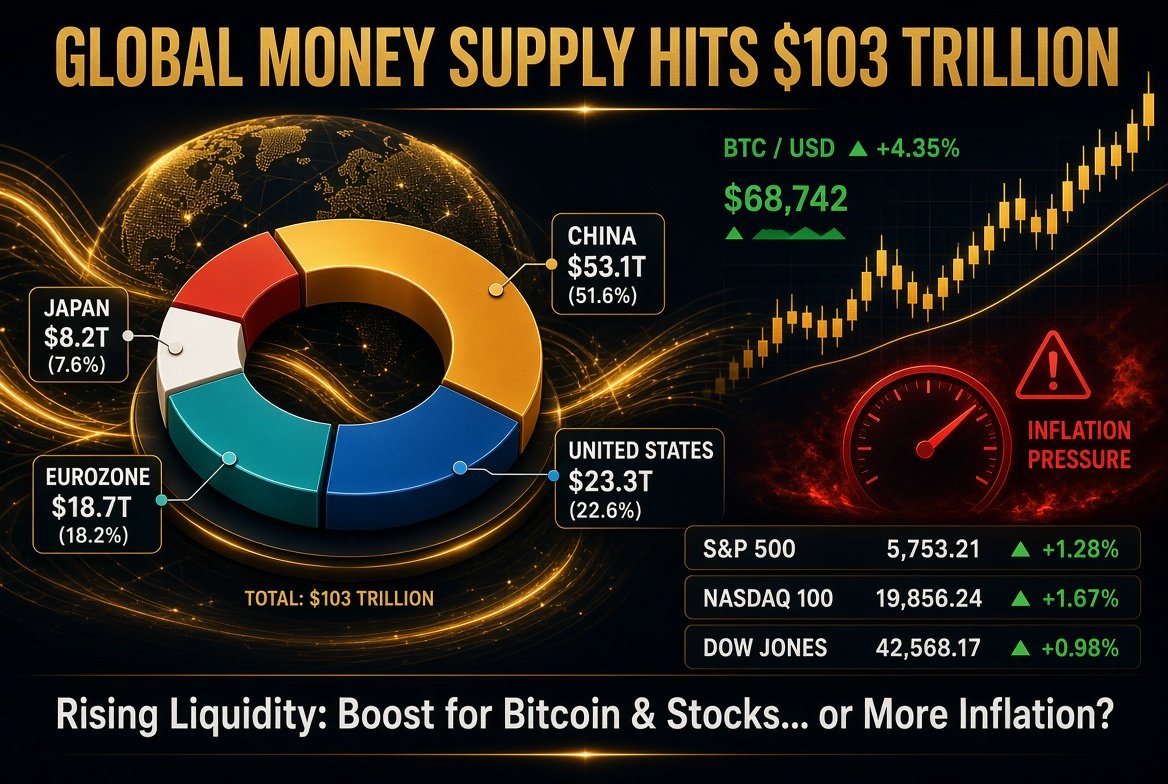
Global Money Supply Hits $103 Trillion: Could Rising Liquidity Push Bitcoin and Stocks Higher or Fuel More Inflation?
Global money supply has climbed to a level not seen before, with liquidity now in focus. As global M2 has reached $103 trillion, it could create stronger demand for risk assets like Bitcoin and stocks. But at the same time, investors are worried about inflationary pressures, which could limit how much of this liquidity could actually flow into financial markets.
Notably, China has the highest proportion with around $53.1 trillion. This is followed by the US at $23.3 trillion. The eurozone accounts for about $18.7 trillion, while Japan accounts for about $8.2 trillion.
For context, M2 is a broad measure of money supply, including cash and other liquid assets. The assets include checking and savings deposits, small time deposits, and retail money market funds. According to the Federal Reserve, M2 is a measure that covers highly liquid forms of money that can be converted into cash.
Significantly, the rise in global liquidity could provide some support for Bitcoin and stocks. This is mainly because of a possible change in investor sentiment. When the financial system holds more money, investors may be more encouraged to take on risk.
Historically, Bitcoin has remained correlated with changes in global M2. Periods of rising liquidity have often resulted in stronger Bitcoin prices. When liquidity grows, investors may have more capital available for assets such as crypto and equities.
#alts_holder
🚨 ethereum:0x4a220e6096b25eadb88358cb44068a3248254675 Surges Over 500% in last 7days: Why Is Quant Suddenly Getting Attention From Banks?
Quant’s QNT token has recorded a huge price increase amid the ongoing bull market and a new partnership with The Clearing House (TCH).
According to CoinMarketCap, QNT reached $277.56 after rising more than 50% in 24 hours and 323% in one week. It briefly reached $357 before falling back. Its previous all-time high was $428 in September 2021. With the ongoing spectacular price move, many believe reclaiming the five-year all-time high is within reach.
One of the biggest reasons for the rally is The Clearing House’s September 24 announcement that it selected Quant for its On-Chain Money Initiative.
The project aims to create a payments network that supports tokenized bank deposits. In simple terms, banks represent traditional deposits as digital tokens and move them on the blockchain.
The Clearing House plans to use Quant’s technology to connect different banks while also working with existing payment systems such as RTP and CHIPS. The system will become available to participating institutions in the first half of 2027. This initiative gives Quanta a role in a real institutional project, not a blockchain experiment.
Meanwhile, Quant is also involved in a similar project in the UK. Seven major banks — Barclays, HSBC UK, Lloyds Banking Group, Monzo, Nationwide, NatWest, and Santander — have completed real customer transactions using tokenized British-pound deposits.
The project is called the Great British Tokenised Deposit (GBTD) initiative. Quant provided the shared infrastructure, while EY helped manage the project and Linklaters provided legal support.
One of the biggest problems with blockchain adoption by banks is that banks use different systems. For example, one bank might issue digital deposits on one network while another bank uses a completely different system. Those networks need a way to communicate.
Quant is addressing this problem through interoperability and transaction orchestration. This allows banks to use blockchain without completely replacing their existing financial systems.
#alts_holder