And I assure you there is a mark on the door—the usual on in the trade, or used to be. Burglar wants a good job, plenty of excitement and reasonable reward.
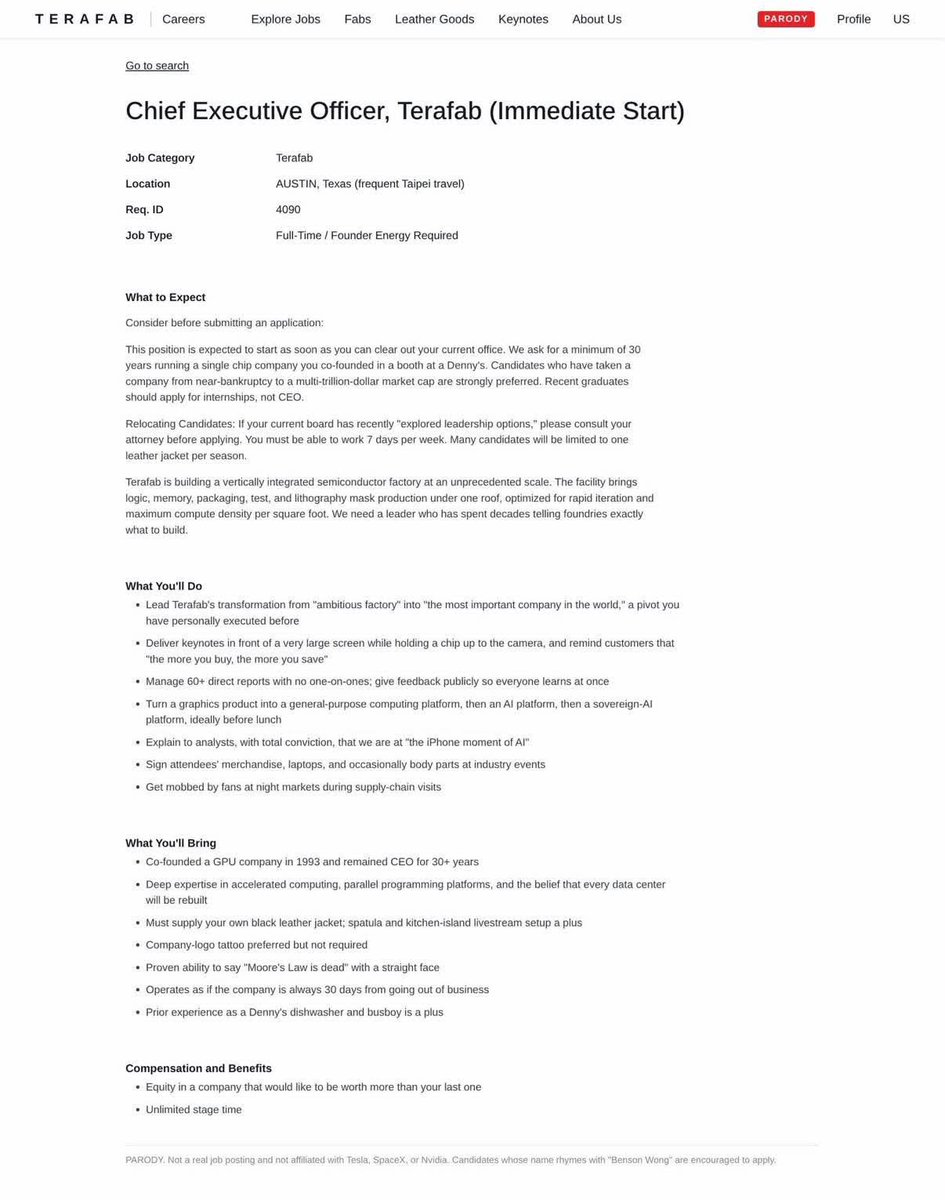
@Patrick_Dowsers@paulichon@huxlab Jensen was one of the most staunchly advocates of open source/open weight AI.
Anthropic certainly had a strong interest in his downfall.
@Clenbuterolo Persone invece di intelligenza media dal basso della loro scarsa intelligenza:
Il punto di partenza era LEGGERISSIMAMENTE diverso o sbaglio? Non eravamo gia indebitati Fino alle orecchie con pensioni monster?
Statistica incredibile del FT. Quel pochissimo di crescita che abbiamo dopo il 2008 è andata sostanzialmente quasi tutta per finanziare l'aumento della spesa pensionistica.
@kinirepaP@Ruffino_Lorenzo Il 34% del lordo di contributi
Pressione fiscale tra I top mondiali
Servizi africani
0 investimenti in altro che pensioni e vuoi la crescita USA
Sei un comico dai ammettilo
Tanti professori hanno sostenuto e incoraggiato l'occupazione che ha prodotto furti, abusi, devastazioni, danni per 300mila euro e l'unico perseguito è il prof. che difende la legalità, il dovere dei docenti e il diritto degli studenti di fare lezione. Solidarietà a @g_boggero.
Meglio 100 colpevoli che la fanno franca che un solo innocente in carcere.
Questa povera donna è stata rinchiusa per 12 anni.
Condannata ingiustamente per un omicidio mai commesso.
La solitudine. Il vuoto. Il rumore del chiavistello.
Mi fa gelare il sangue.
FFMPEG had one of the most valid crash outs in infosec history IMO. There's a huge elephant in the room when it comes to the fact that cybersecurity is extremely unbalanced. You have like 1,000 people pointing at problems for every 1 person fixing them.
Vulnerability research is extremely important, but it's become somewhat of a marketing stunt. First with fuzzers, and now with LLMs. It's a lot of "look what my new toy can do" rather than earnest attempts at actually fixing security problem.
What Google did to open source developers was especially egregious. They're a $3.6 trillion dollar company, who spent billions upon billions of dollars building a bot that points at problems really really fast, then they just dumped them all on a bunch of unpaid open source project maintainers to fix.
Then because of Google's 90 day disclosure policy, the maintainers have 90 days to fix the issues. After 90 days, Google goes public with the issues, making their project look bad if the vulnerability is yet to be fixed, and also potentially harming users if it gets exploited.
The 90 day policy was intended to give developers a reasonable amount of time to fix issues, while also applying some pressure with the threat of disclosure. Otherwise, you do get a bunch of goober ass vendors that will just ignore all security issues reported to them, then act completely surprised when their software gets hacked.
But when you're a small team, non-profit, or a solo developer, and you have a trillion dollar company's AI just blasting you with infinite problems to fix (each coming with a 90 countdown & a threat), that becomes extremely untenable. They're essentially inadvertently blackmailing developers into becoming unpaid interns.
Then on top of that, Google profits unimaginable amounts of money from the use of open source code. They use FFMPEG's code extensively across several highly-profitable products, meanwhile FFMPEG's developers work for free. There's no reason Google couldn't have donated money, engineers, AI tokens, or something towards fixing the problems. They can more than afford it.
I don't think Google has any malicious intent at all, it's just that the whole incentive structure behind vulnerability research is completely whack. All the glory goes to people who find issues, not those who fix them, so there's not a whole lot of interest in helping with fixes. Some vulnerability researchers will submit fixes with their reports, but most don't.
Honestly, in 2026 cybersecurity basically just feels like the equivalent of 50,000 people following the housecleaner around yelling "you missed a spot". Abysmally little effort has gone into anything outside of pointing out vulnerabilities.
Secondo quanto riportato da BILD, sulla base di informazioni fornite da diplomatici tedeschi, queste sarebbero le condizioni proposte dalla Russia ai negoziati di Abu Dhabi:
📍 Esclusione delle truppe europee dall'Ucraina
📍 Riconoscimento del controllo russo sui territori occupati e sull'intero Donbass
📍 Smilitarizzazione dei porti ucraini di Odessa e Mykolaiv
📍 Libertà di navigazione nel Mar Nero e nel Baltico
📍 Nessuna base NATO nei Paesi baltici e uscita della Finlandia dalla NATO
📍 Ok all'adesione dell'Ucraina all'UE, ma non alla NATO
📍 Trasformazione della Moldavia in una federazione comprendente Transnistria e Gagauzia (se la Moldavia aderisse all'UE, a Transnistria e Gagauzia sarebbe concesso il diritto di indire referendum sulla propria indipendenza)
In cambio, la Russia avrebbe accettato di ritirare le armi nucleari dalla Bielorussia, le proprie truppe dalla Transnistria e di rinunciare al dispiegamento di missili a medio raggio sul territorio bielorusso