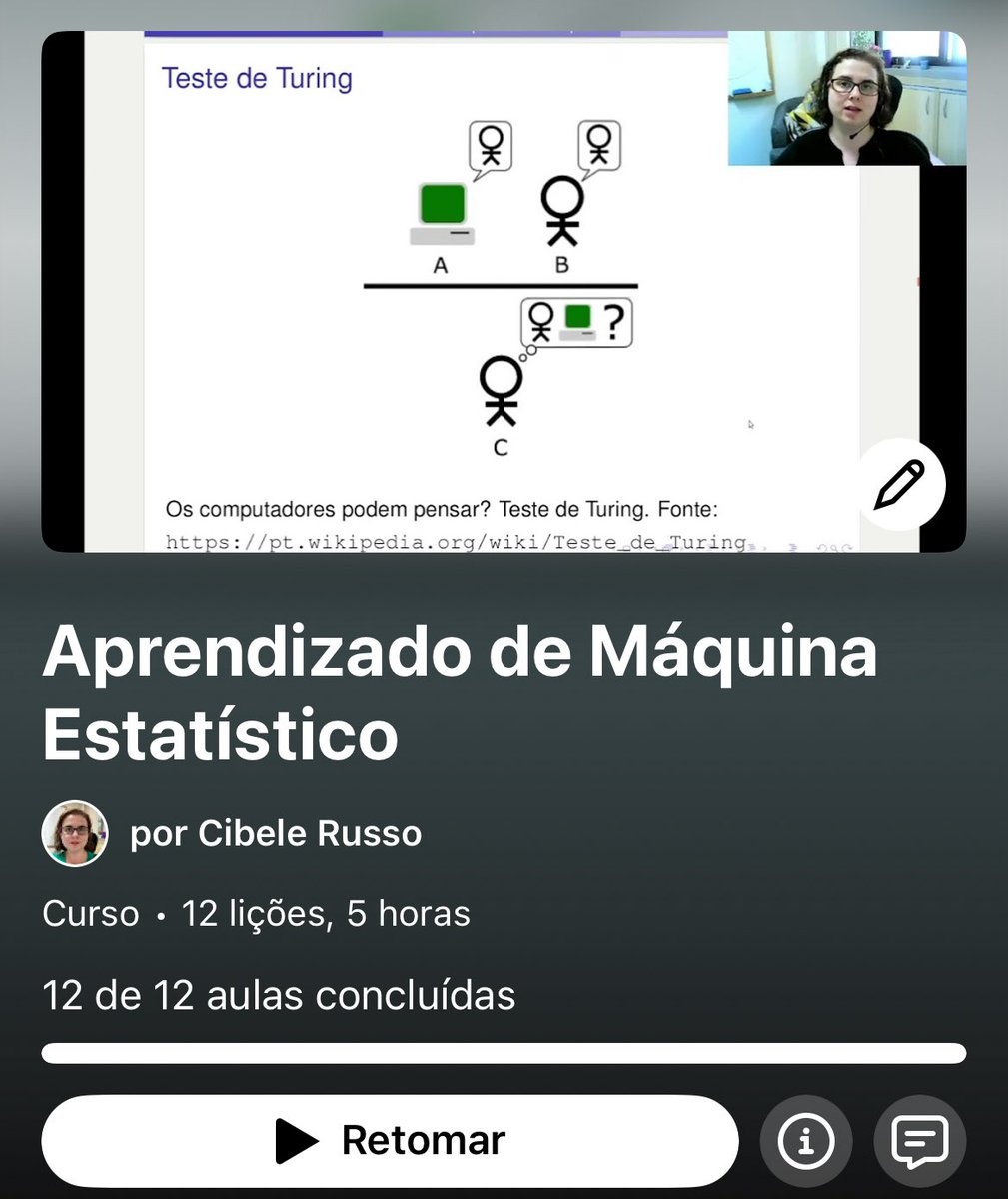
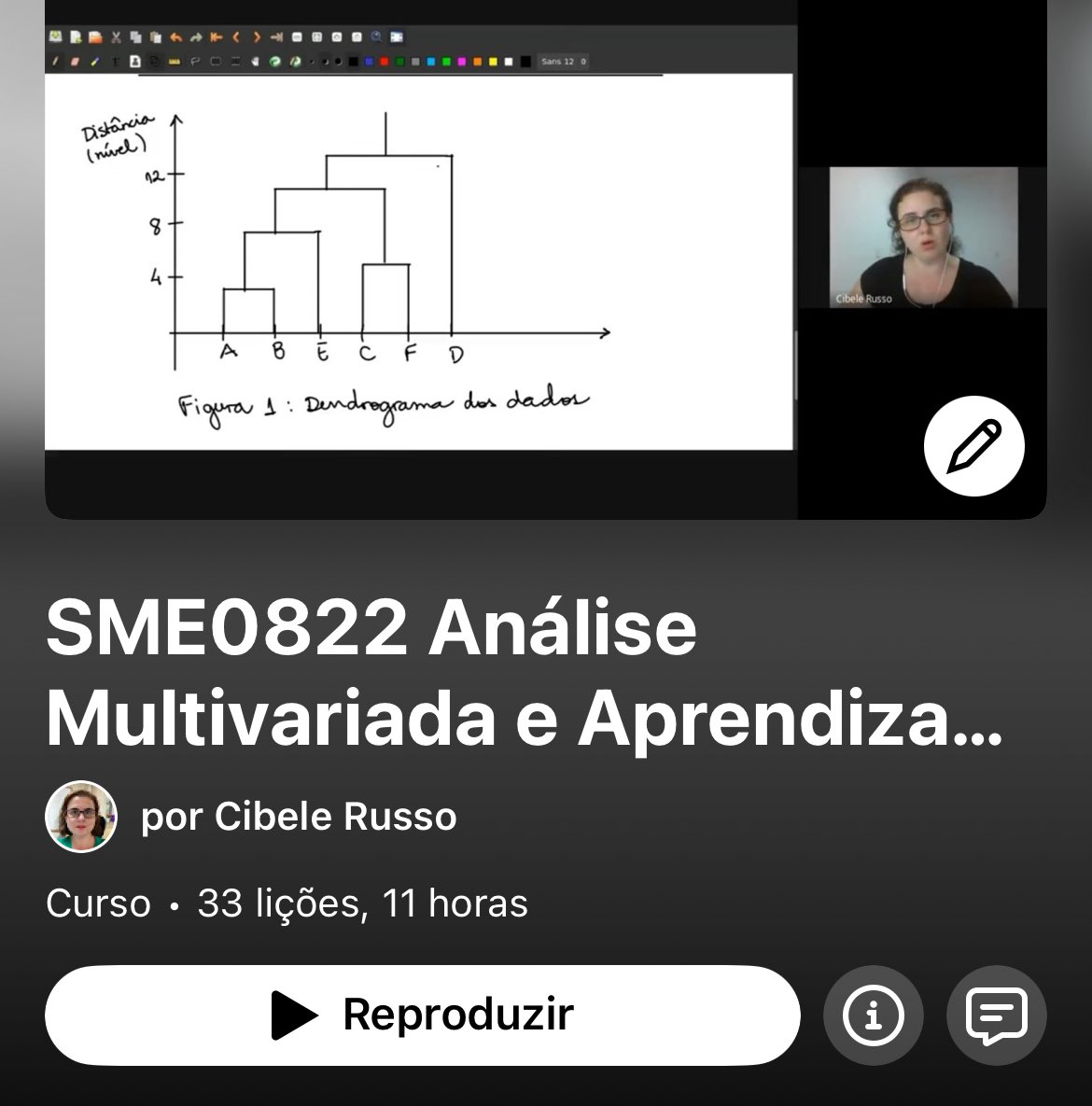
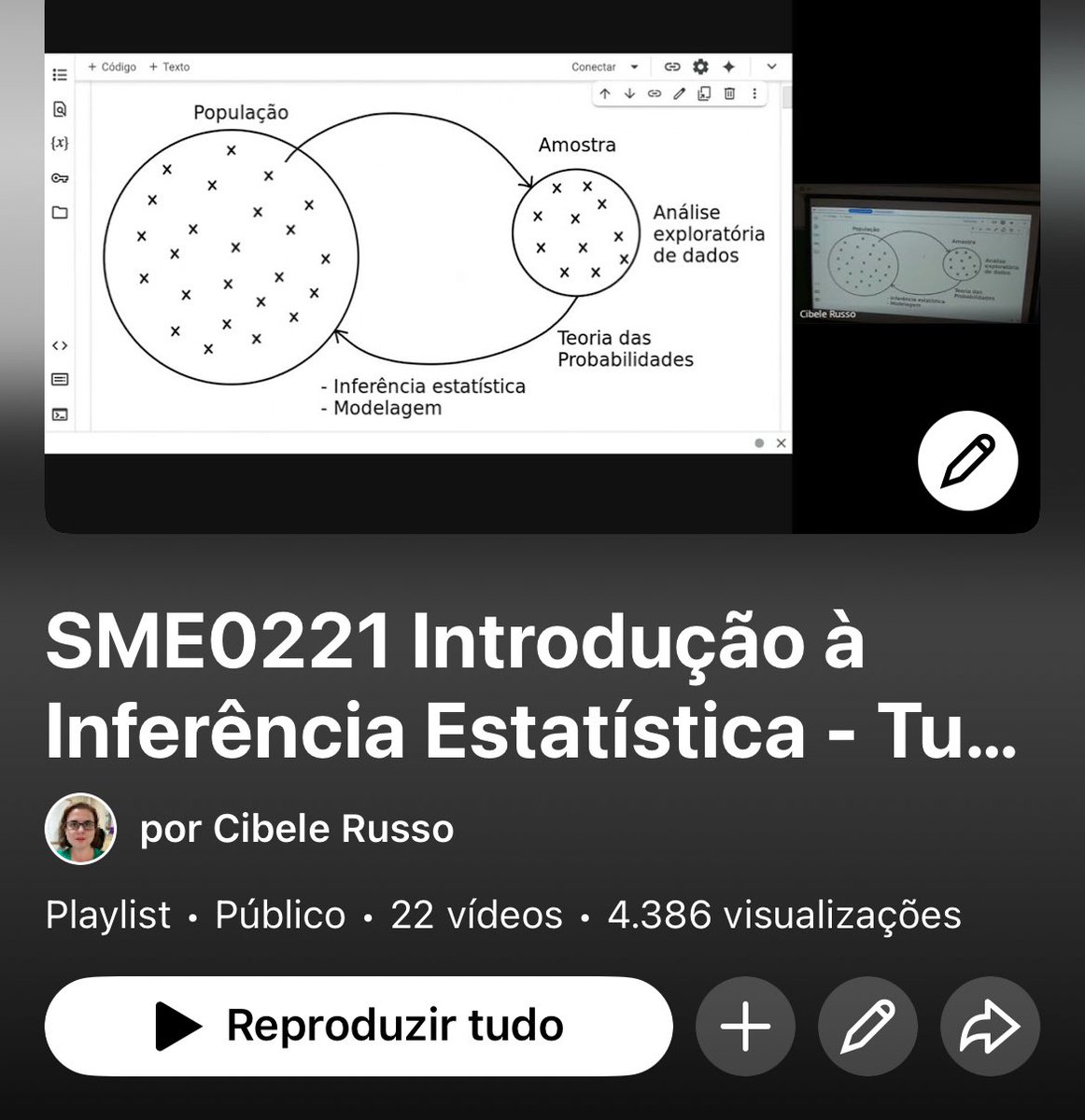
Sou a Cibele Russo, Profa. Doutora na USP. Tenho um canal de aulas de Estatística e Ciência de Dados no YouTube, https://t.co/MT1NRvGytH em temas como Inferência Estatística, Modelagem Estatística, Aprendizado de Máquina Supervisionado e Não-Supervisionado, Visualização e Exploração de Dados, Gestão da Qualidade e em breve Fundamentos em Ciência de Dados. Usem sem moderação, compartilhem e o conhecimento vai mais longe :)
Quem aí já assistiu às minhas aulas (onde? O que quer ver no canal?)
Our new paper proposes a Virtual Grating (VG) model in #MPS (MPS-VG) to replace conventional modeling of inclined slats in particle methods, reducing processing time and memory storage.
MPS-VG results was verified against #MPS and #SPH_ (@DualSPHysics).
https://t.co/lByTf215Vu
@Jousefm2 For those interested in Particle methods,
List of open-source codes of SPH and MPS
https://t.co/yaVru5GNgA
SPH tutorial
https://t.co/5Bl99EA5We
@ejmunoz1@Jousefm2 Exactly, both SPH and MPS allow inlet and outlet simulations for confined or free surface flows.
You can find some examples in the DualSPHysics YouTube page
https://t.co/uUDjakrvA9
@toryomix@Jousefm2 In fact, nowadays both share many similarities, with some differences mainly in the models for approximating differential operators.
@ejmunoz1@Jousefm2 MPS and SPH discretize the continuous media by using Lagrangian particles. Both use Navier Stokes equations for simulation of incompressible flow.
On the other hand, DEM is more close to molecular dynamics.
@AbbasKhayyer Thanks for the links Professor. They show an extensive list of repositories. It's good to know that these publishers have encouraged this practice.
Looking for a MPS particle-based code ? PolyMPS is a simple open source C++ designed for research and practical applications.
Contributions are welcome!
https://t.co/dzW3xUC8AO
Source-code: https://t.co/E43rjUNDFg