Digital compliance is now business-critical. With Tech Mahindra & Thomson Reuters teaming up for e-invoicing in MENA, companies in Africa should ask: how ready are we for regulatory tech shifts?
Cloud & AI exponential growth meets Africa’s infrastructure gap: Microsoft Azure up ~40%, yet African data-centre capacity remains very low. For East African decision-makers, this is a signal to build strategy now.
When big players like Starbucks, Amazon & Oracle are making leadership shifts, it signals deeper transformation under the hood. Time to ask: what’s changing in your IT team?
Legacy tech quietly limits progress in every industry, not just aviation.
For African enterprises, the same rule applies: modernize your IT, unlock your next phase of growth.
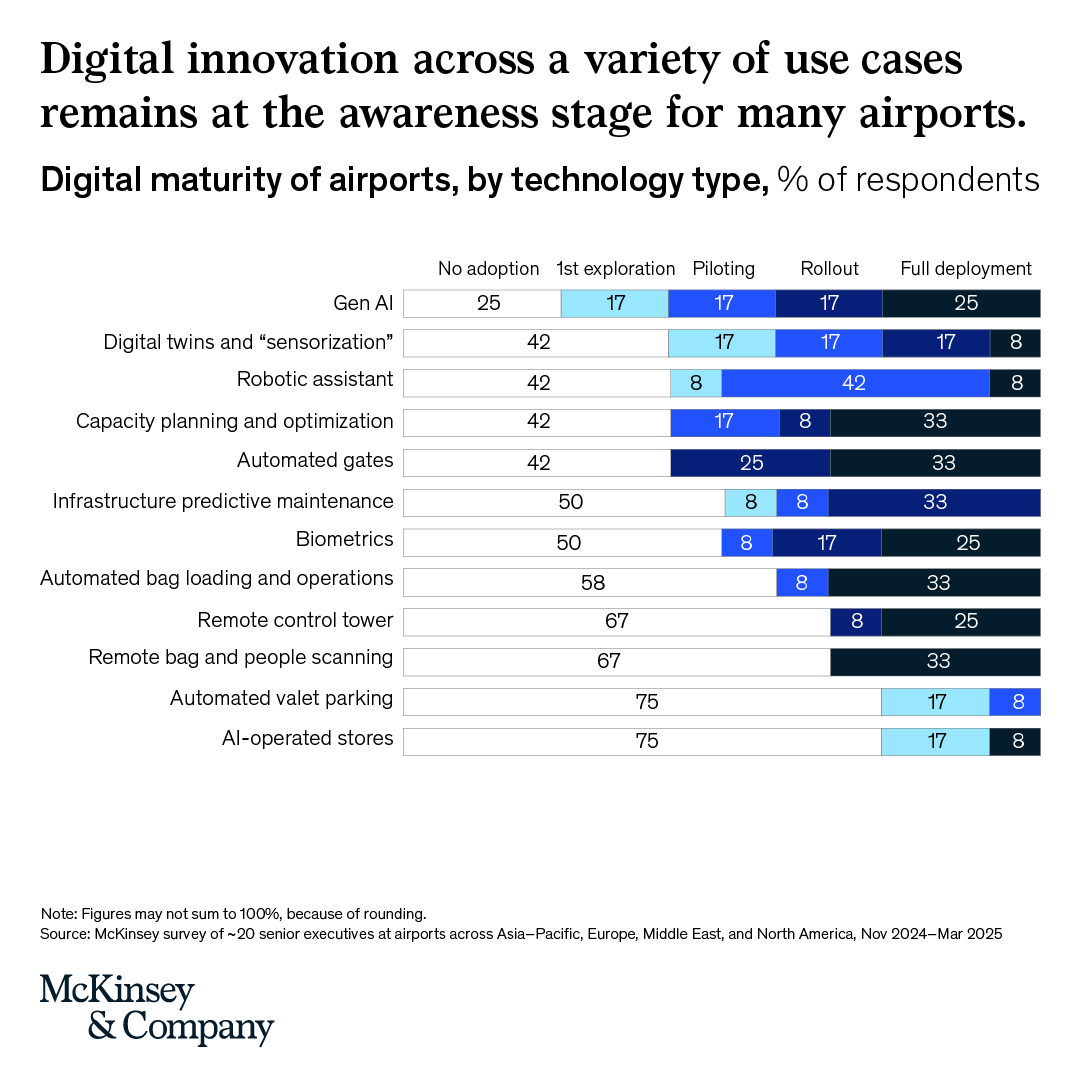
Many airports look modern, but behind the scenes, legacy tech still limits impact.
Explore our latest research to learn how AI, digital twins & predictive maintenance can unlock the next wave of airport efficiency. https://t.co/L8hDxOygLK
Tech-savvy and love closing deals? 💼💻 Join Ambience Communications as a Tech Sales Rep and help businesses scale with cutting-edge IT solutions.
https://t.co/BwyuXpoHBA
🚨Why and How IoT Devices are Used in Botnets 🚨
First off, what is a botnet⁉️
It's a network of Internet-connected devices, each of which is running one or more bots. These devices, often referred to as "zombies" or "bots," have been compromised by malware, allowing a hacker, known as a "botmaster" or "bot herder," to control them remotely. Here’s how they work and why they are a significant threat:
They can perform a variety of malicious tasks (
Distributed Denial-of-Service (DDoS) Attacks, Spam Distribution, Data Theft, Click Fraud by generating fake clicks, etc)
IoT devices, or Internet of Things devices, have become prime targets for cybercriminals to build botnets due to several reasons:
- Security Vulnerabilities: Many IoT devices are shipped with default passwords or have unpatched vulnerabilities. This makes them easy targets for attackers to compromise by exploiting these security holes or using brute-force attacks. For instance, botnets like Mirai have been known to use default credentials to gain access.
- Large Numbers and Accessibility: The sheer number of IoT devices connected to the internet provides a vast pool of potential bots. These devices are often always online, making them readily available for attackers to control remotely.
- Computational Power and Bandwidth: IoT devices can be leveraged for their computational resources or network bandwidth. For example, they can be used in DDoS attacks to overwhelm a target with traffic, or in cryptojacking to mine cryptocurrency using the device's processing power.
- Ease of Control: Once compromised, IoT devices can be easily managed through a command and control (C2) server to carry out various malicious activities. This includes launching DDoS attacks, sending spam or phishing emails, or even acting as proxies for further attacks.
To protect IoT devices from botnets, change default passwords to strong, unique ones, keep firmware updated, disable unused features, segment IoT devices on a separate network, and use firewalls and network security solutions. Regular monitoring for unusual activity also helps.
💡 Which IT support suits your business needs?
From proactive management to break/fix services, understanding IT support types is key to making informed decisions.
📘 Explore our guide for decision-makers: https://t.co/F5J5M0qrvr
Choose the best IT solutions for your business!