Wildlife Biologist in Canada researching movement and Species at Risk. 🐻❄️🐻🐥Graphic illustrator, connecting public with science. Views my own. She/her
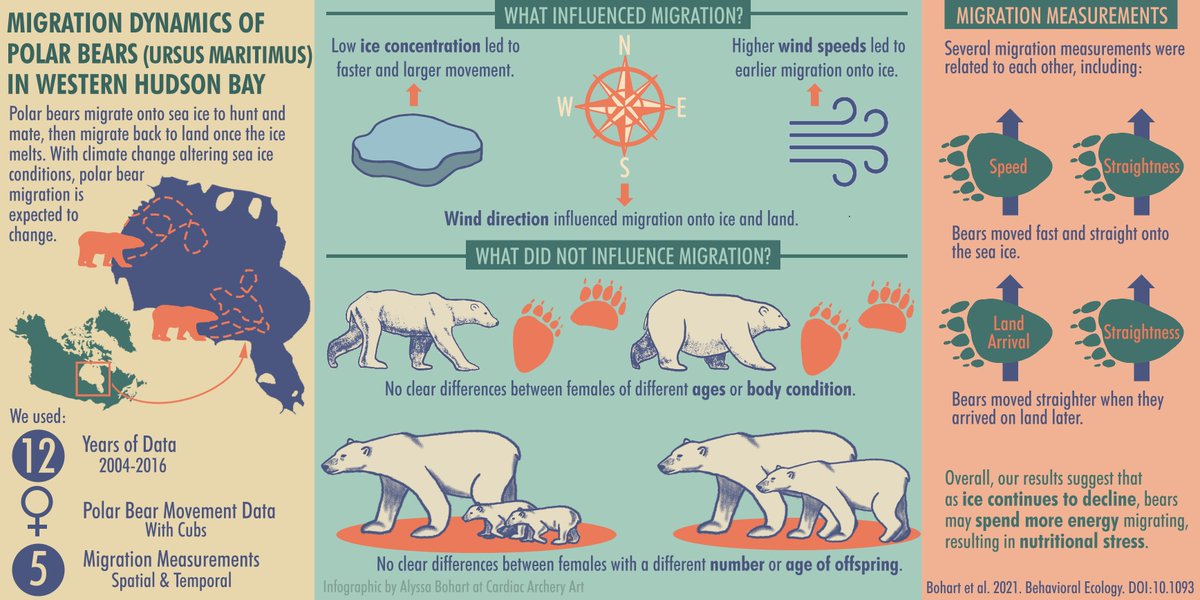
Very happy to share my infographic for our newest paper in @BehavEcol . This is a summary of some of the results, so be sure to checkout the paper for more!
A great surprise in my email! A photo of 5 @ualbertaScience former grad students from my lab at the @theACTWS conference in Jasper. Corey Smereka, Dr. @PolarBrooke, Dr. @P_R_Thompson, @AMBohart, & Alex Beatty. Amazingly talented next generation of wildlife professionals!
New brown bear paper in Ursus (@bearbiology journal) available now. We don't normally think of mothers being social & allowing their cubs to interact with other litters but it happens as this paper shows.
Inventors Challenge! Looking for solutions to human-bear conflict. The winner gets $10,000 to help them take their idea to the next level. Hosted by the Grizzly & Wolf Discovery Center. https://t.co/rRFjUj4EHg
This is unsustainable. Folks need a backup plan when where they want to go is too busy (and THIS is so far past "too busy" to be ridiculous). The fragile alpine environment cannot handle this; the onslaught of people are destroying what they cherish.
It's not often that I get to talk about bears these days, but that's why being MLA for Banff-Kananaskis is so good. I don't have to completely leave my bear life behind... https://t.co/QhBBme5xiN
"Some researchers warn that this “accidental” symbol of the climate crisis is unhelpful and not universally true so far, and can undermine conservation efforts by driving mistrust with some Indigenous communities in the Arctic."
‼️JOB ALERT‼️
Science Communication Specialist with the provincial government's Ministry of Environment and Protected Areas, F/T permanent position. #SciComm
https://t.co/UKQPR3hSSd
Today on WILDLABS, we have two new articles to share from our recent editorial series!
First, learn about 2022 Conservation Tech Award winner @move_apps' free tracking data analysis platform in the conclusion of our Conservation Tech Showcase. Read more:
https://t.co/v1W2hTvfa9
Churchill Polar Bear Alert program that keeps bears out of town may hit a record despite 50% population decline over time. Telemetry data suggests onshore migration was normal but some bears arrived on land further north & early so these might be factors.
https://t.co/4kGmMtxINd
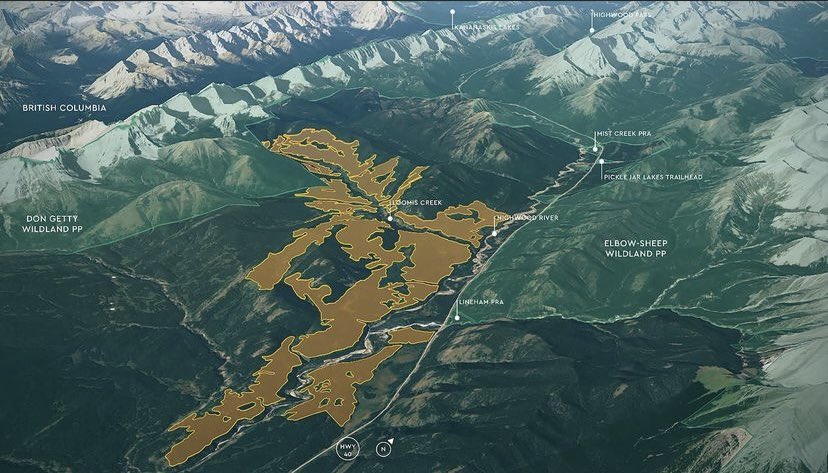
Idk about you, but I’m not super jazzed about having to pay the 90$ Kananakis “conservation” pass to fish the highwood river while Spray Lakes Sawmills logs 2000 football fields worth of the watershed this winter. #kcountryclearcut#DefendABparks#ableg
Please take the time to read this thread and consider taking action. For those of you that love Kananaskis like I do, this logging will change that landscape forever. Please retweet and share across your social media. Thank you everyone!
In Canada, the young forests created by tree harvesting have shifted the populations of deer, moose, and elk. In caribou habitat, this can cause declines in populations through apparent competition.
This study provides helpful info for forest harvesting within caribou ranges.
Polar bear attack near Kangiqsualujjuaq in northern Québec. “young adult polar bear.” Article states "Climate change has made it difficult to predict wildlife in that region." "We had a very early spring thaw this year,” Emudluk said." "This means new challenges..."
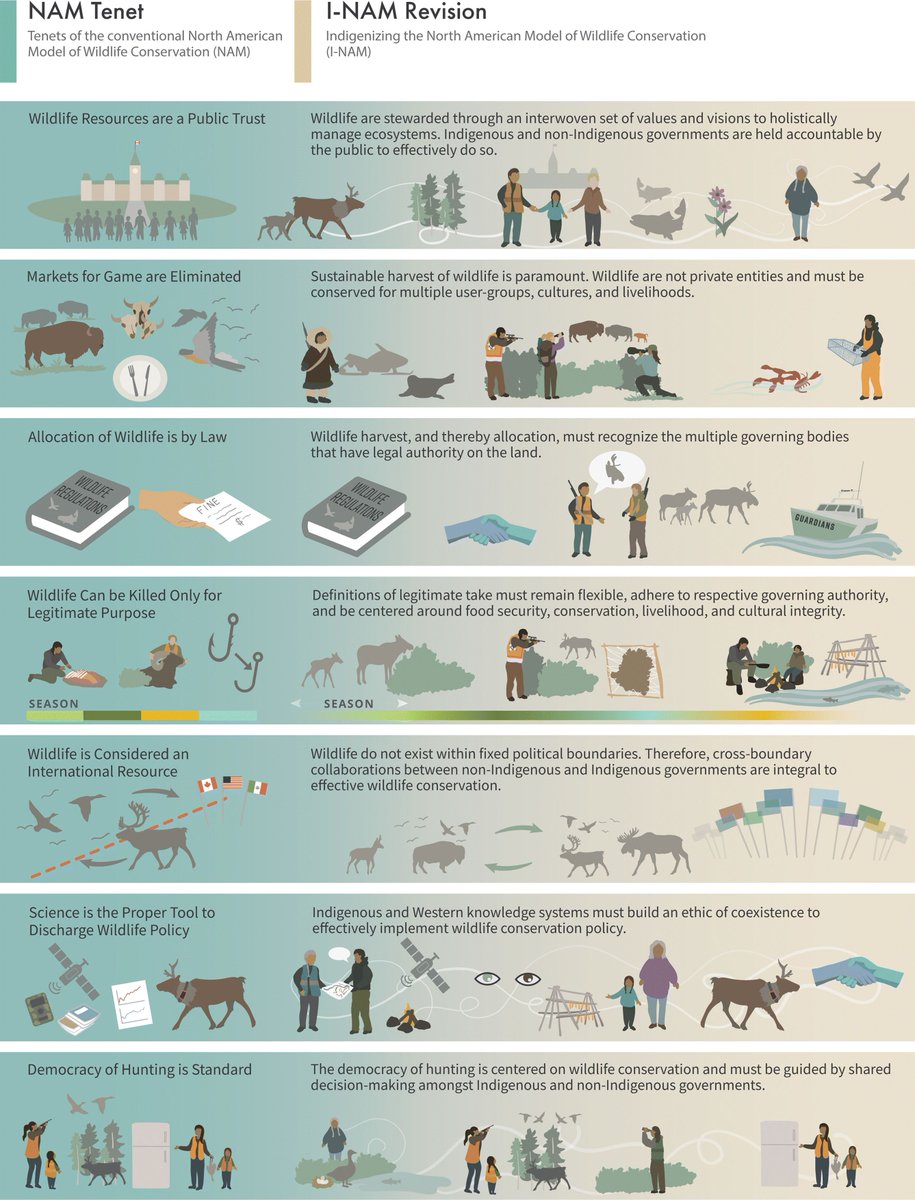
NEW | A pathway forward to update the North American Model of Wildlife Conservation to better support and coexist with Indigenous-led conservation. Learn more in a new #openaccess paper by @mateens22 @ella_bowles_82 @JessPopp @adamTford ➡️ https://t.co/nMFzPt9G1V